Biodiversity Net Gain: the 10% that changes the maths.
Statutory BNG is now the law for almost every piece of development in England. For solar, it is not a tax, it is an opportunity hiding inside an obligation.
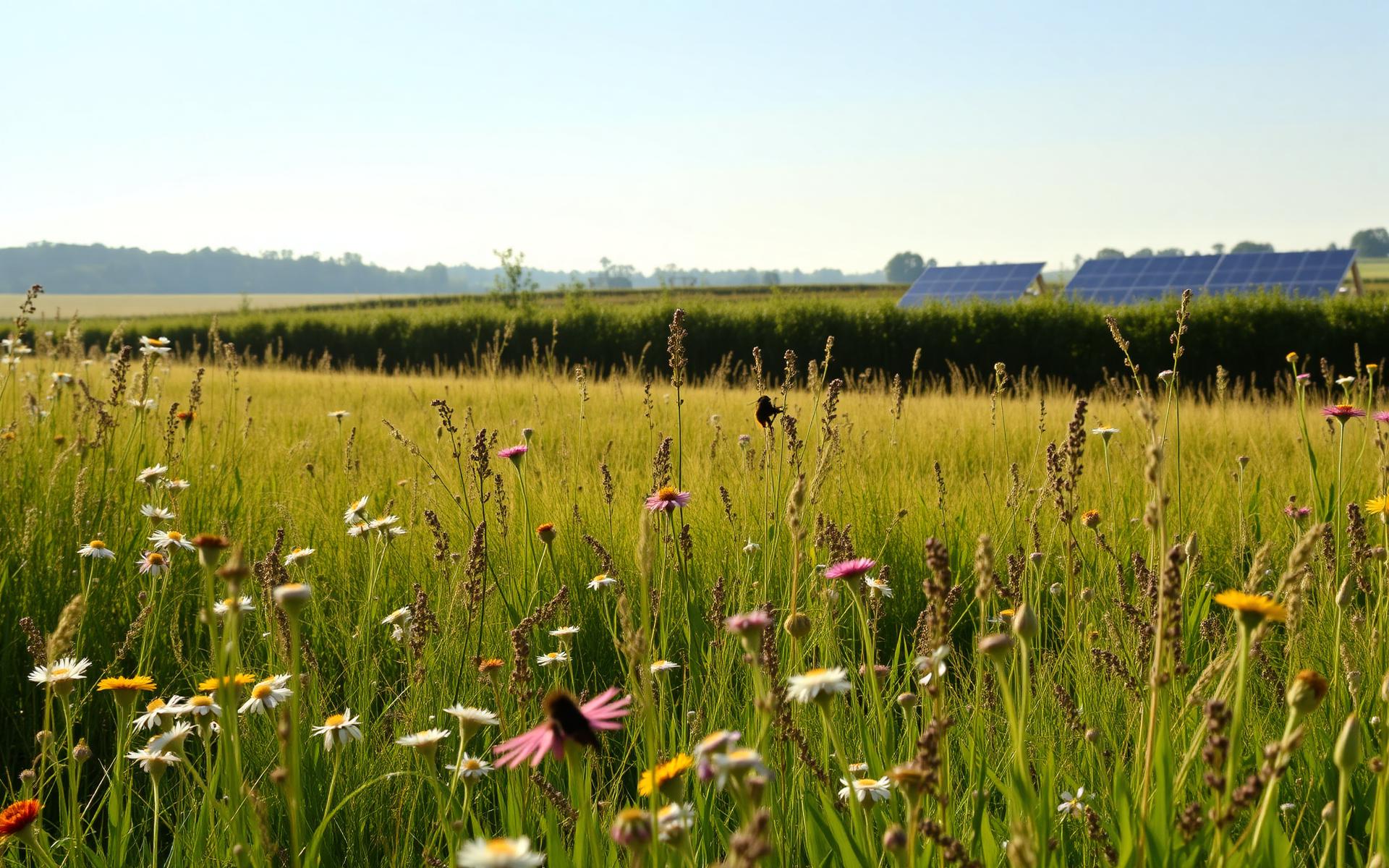
Since February 2024, Biodiversity Net Gain has been mandatory for most major developments in England, and since April 2024 it applies to small sites too. The rule is short and surprisingly radical: any qualifying development must leave the natural environment in a measurably better state than it found it, by at least 10%, measured in standardised biodiversity units, and secured for at least 30 years.
For most developers this lands as a new line on the cost sheet. For a thoughtfully designed ground-mount solar project, it lands as something stranger: a regulatory tailwind.
A solar farm is one of the few forms of development where the ground beneath the asset can be left to do something better than it was doing before.
1. What BNG actually measures
BNG is calculated using Defra's statutory biodiversity metric. Every parcel of land is assigned a number of "biodiversity units" based on habitat type, condition, distinctiveness, and strategic significance. A modern improved grassland field, the staple of UK agriculture, scores very low. A species-rich meadow with hedgerows and a pond scores high.
The developer's job is to demonstrate that the post-development unit count is at least 10% higher than the pre-development baseline. The uplift can be achieved on-site, off-site (via a registered habitat bank), or as a last resort through statutory credits sold by the government at deliberately punitive prices.
2. Why solar is structurally advantaged
Most development is a net subtraction from nature. Houses, warehouses, car parks, they replace soil and vegetation with sealed surfaces. To meet BNG, those projects have to buy units elsewhere.
A ground-mount solar farm is the opposite shape. The panels are mounted on screws or piles, the ground beneath remains permeable, and the typical land take is converted from intensive arable or improved pasture into permanent, lightly managed grassland for 30+ years. That is, on the Defra metric, a step up, often a large one.
- Sheep-grazed wildflower understorey under panels routinely scores as "other neutral grassland" in good condition, multiples of the baseline of intensively farmed land.
- New hedgerows and field margins around the perimeter, which most planning authorities now expect, add high-distinctiveness units cheaply.
- Ponds, scrapes, and beetle banks, none of which interfere with generation, push the gain comfortably past 20–30%, far above the 10% statutory floor.
3. The off-site market is real, and surprisingly liquid
Where on-site gain is not enough, developers buy units from registered habitat banks. Prices vary by habitat type and region, but a single "low distinctiveness" off-site unit currently trades in the £20,000–£40,000 range, and high-distinctiveness woodland or wetland units can exceed £100,000. The statutory credit fallback, what you pay HMG when no market unit is available, is set at roughly twice the market price, by design, to push activity into the private market.
For a landowner sitting on marginal grade-3 or grade-4 land, this means a new income stream that pairs naturally with solar: lease the panels to a developer, lease the buffer strips and adjacent fields as a registered habitat bank, and you have two long-duration cash flows running on the same parcel.
4. The 30-year tail, and who carries it
The trap in BNG is not the 10%. It is the 30 years. The uplift has to be legally secured, through a planning obligation (Section 106) or a conservation covenant, and monitored against a habitat management plan for three decades.
For a solar developer this is largely benign: the lease itself is typically 30–40 years, and the management activities (annual cut, sheep grazing, hedge maintenance) are cheap and aligned with the asset. For a housebuilder it is much harder, which is partly why off-site units exist and why a well-managed solar site is increasingly attractive as a habitat-bank counterparty.
5. What it changes about how we design
The first-order effect of BNG on solar design is small: it makes inter-row spacing, hedgerow planting, and species mix part of the financial model rather than an afterthought. The second-order effect is larger. It changes the planning conversation.
A solar application that arrives with a credible BNG assessment showing 20%+ gain, backed by a habitat management plan and a named ecologist, does not look like an industrial intrusion on the countryside. It looks like the most efficient piece of land restoration available to the local planning authority. That is a very different argument to be having at committee.
The core takeaway
BNG is the first piece of UK regulation that treats nature as a balance sheet. For most developers it adds cost. For solar, designed properly, it adds an argument, and increasingly, a second revenue line. The 10% floor is not the ceiling. It is the starting bid.
In short
Statutory Biodiversity Net Gain requires most development in England to deliver a 10 per cent measurable uplift in biodiversity, secured for 30 years. Ground-mounted solar sits lightly on the land, so the uplift is usually achievable on site through seeding, margins and grazing management rather than by buying off-site units.
Common questions
Does a solar farm need Biodiversity Net Gain?
Most solar development in England falls under the statutory 10 per cent BNG requirement, secured for 30 years. Because panels shade rather than seal the ground, solar sites can usually deliver the uplift on site with species-rich grassland, hedgerow and margin planting.
How is biodiversity net gain measured?
Through the statutory biodiversity metric, which scores habitat area, distinctiveness, condition and strategic significance in habitat units before and after development. The post-development score must exceed the baseline by at least 10 per cent.
How much does biodiversity net gain cost a solar project?
Delivered on site through seeding and management, it is usually a modest line in the budget and often improves the site. Bought as off-site units it becomes one of the larger soft costs in the scheme, which is why the baseline survey should happen before the layout is fixed, not after.
Can sheep grazing count towards BNG on a solar farm?
Grazing is a management regime rather than a habitat, but it is how species-rich grassland under an array is kept in good condition, and condition is scored by the metric. A grazing plan secured for the 30 years is normally part of how the uplift is evidenced.
Does BNG apply for 30 years?
Yes. The uplift must be secured and maintained for at least 30 years, through a planning condition, a section 106 agreement or a conservation covenant, with monitoring and reporting attached. It is a long-term land management commitment, not a one-off planting exercise.
Continue reading
All essays →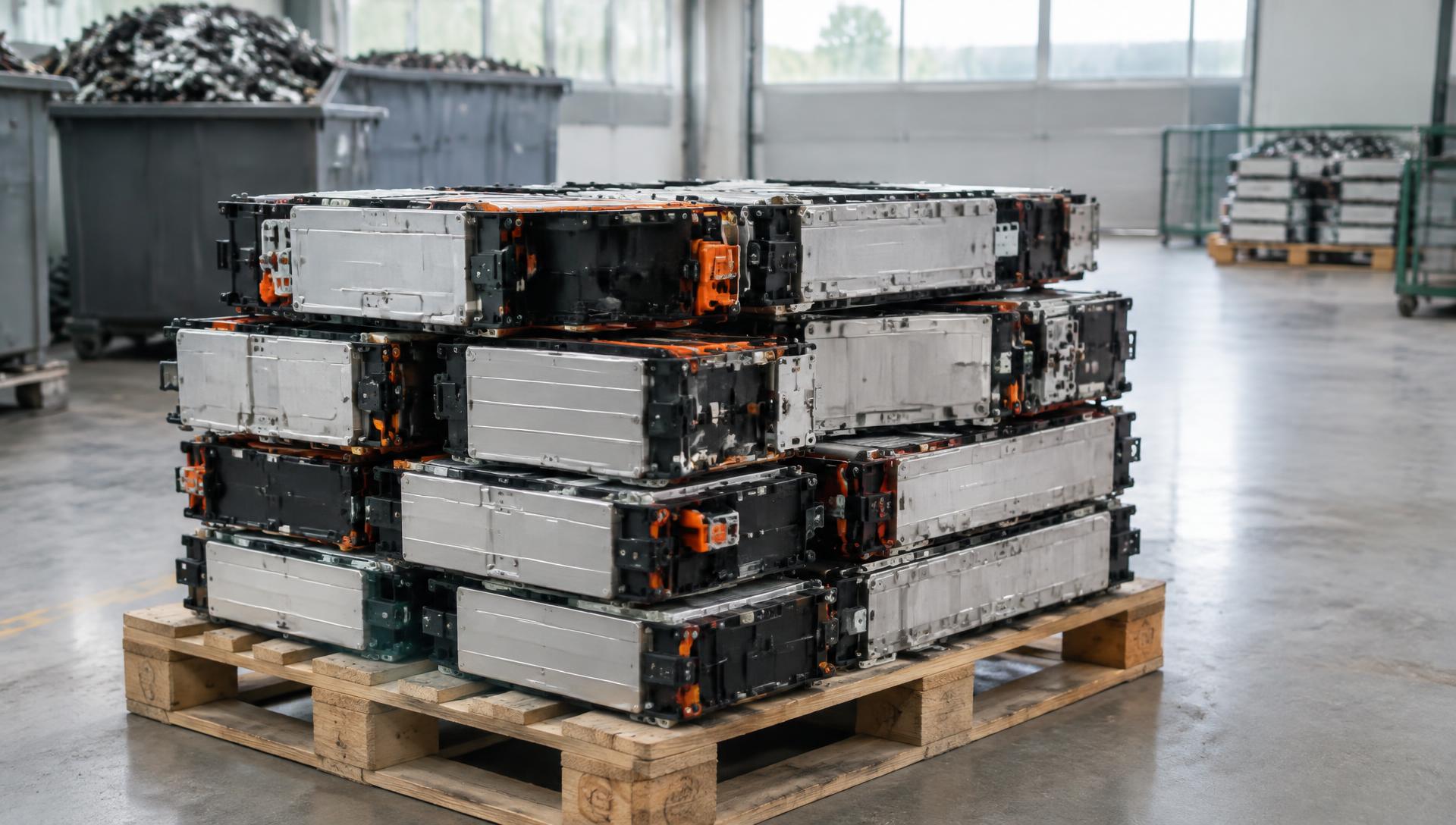
What happens to a home battery at the end of its life?
Extend first, recycle second, landfill never. Tesla's published end-of-life policy, and what to ask before you buy any battery.
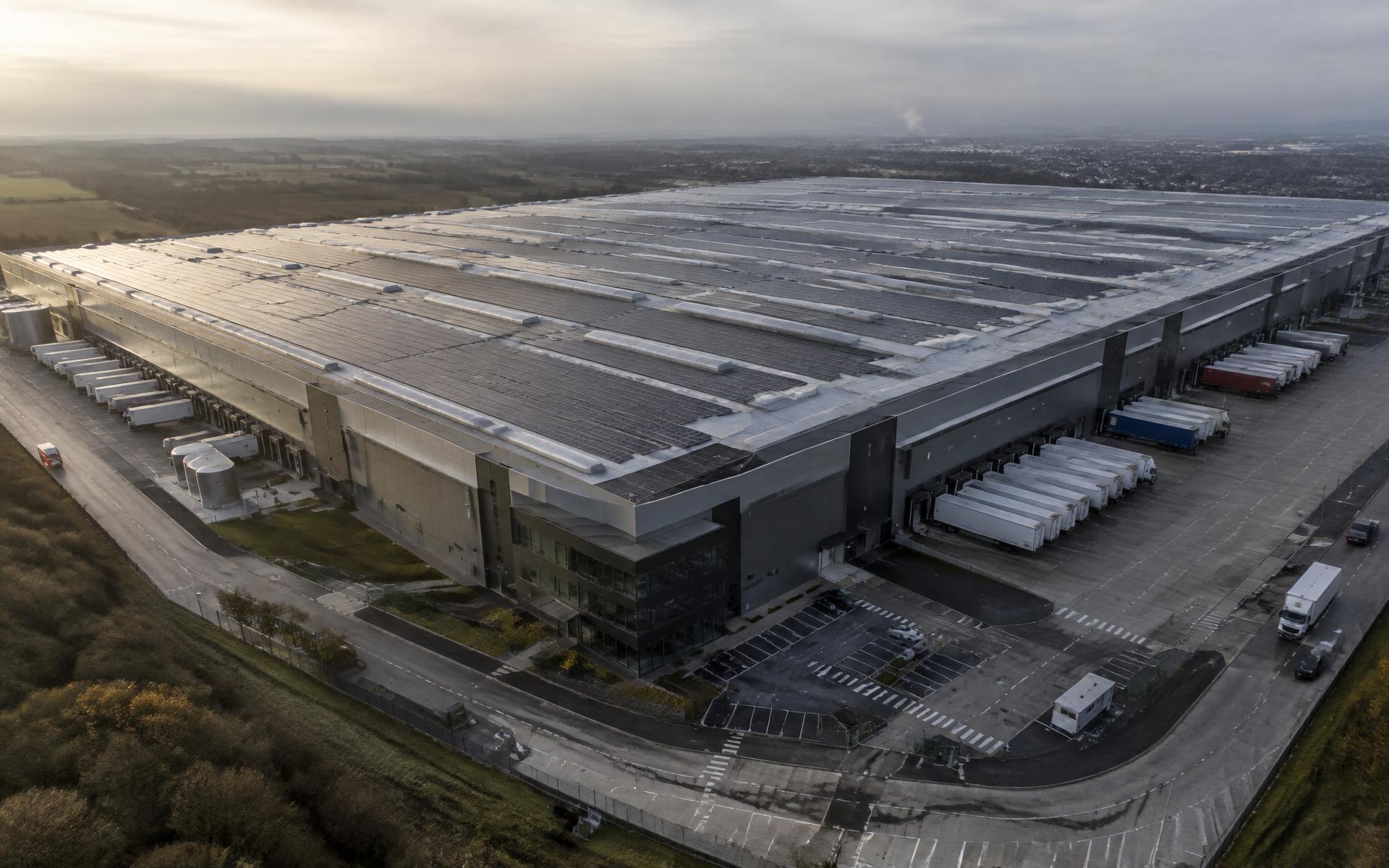
Solar on an east-west facing roof
Ten to twenty per cent less per panel, twice the roof to use, and output across the whole working day. The plain answer for a building that doesn't face south.
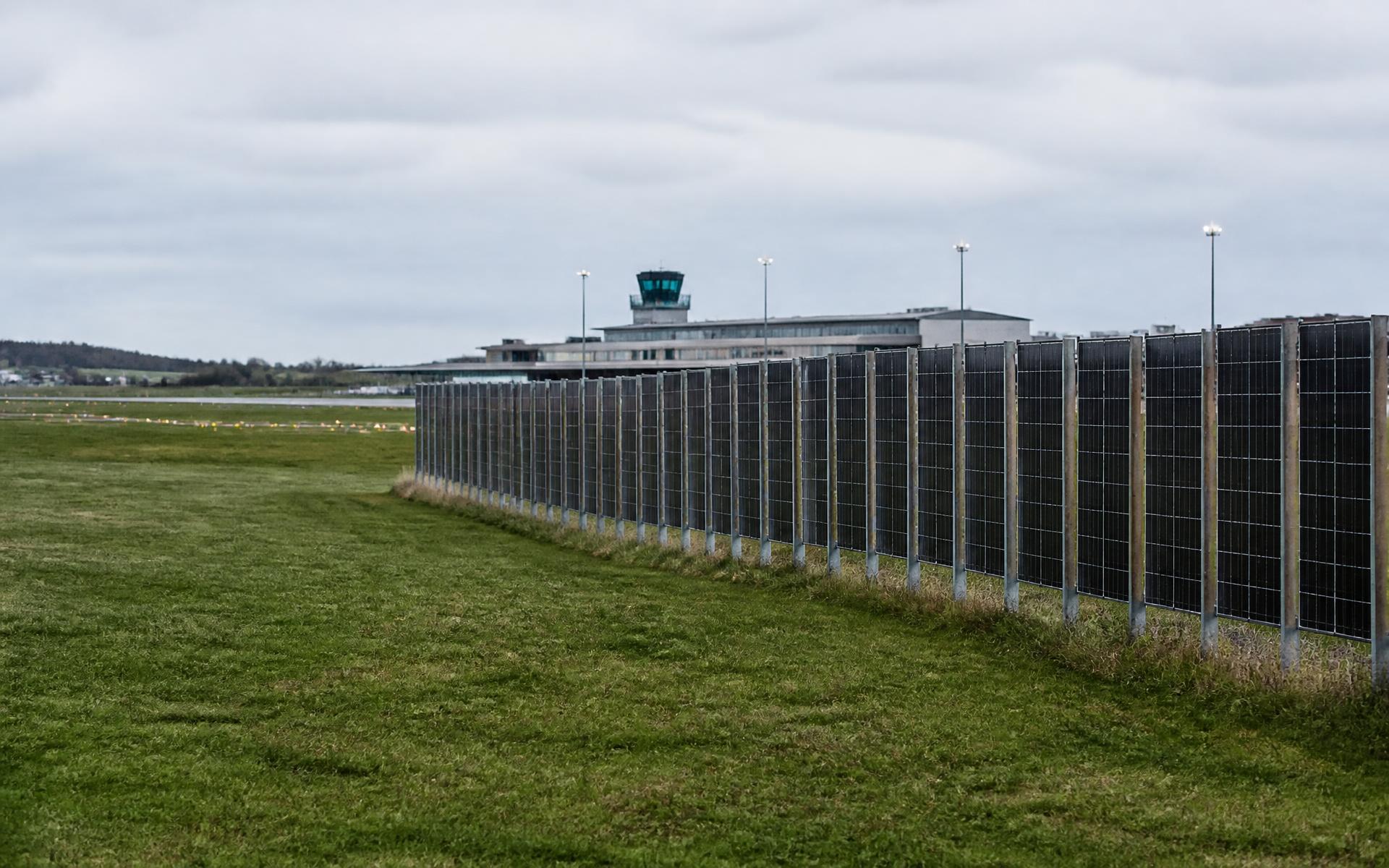
The best-defended solar site in Britain is behind an airport fence
Mown grass, kilometres of perimeter and a large continuous load next door. What an airport microgrid actually looks like.
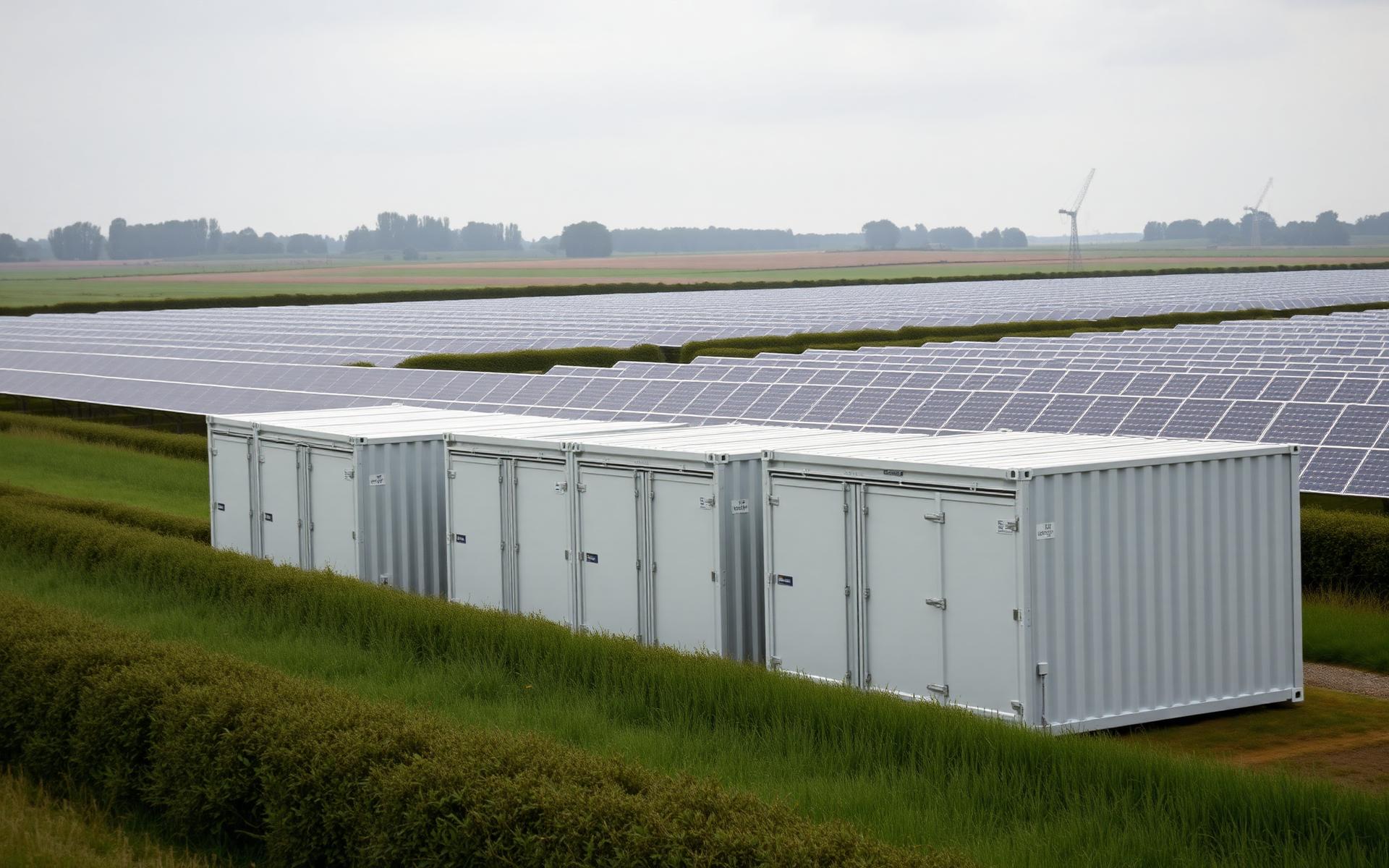
Use them where you make your own electrons
Serve the businesses next door over private wire, then let containerised compute eat whatever the grid won't take.

The eclipse and the grid
A predictable dive in national solar, a kettle surge on the other side, and a free rehearsal for every ordinary evening.
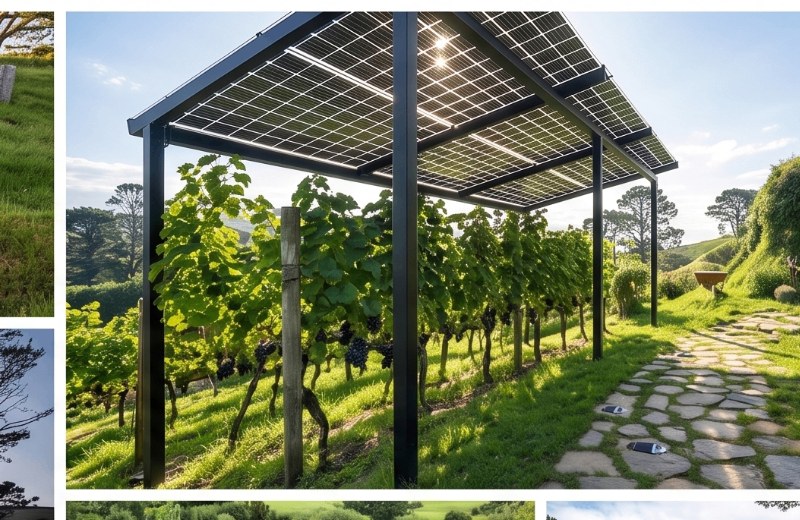
Why 1% of the UK is all we need
We don't have a land problem. We have a coordination problem.

Fragmented Funding
The capital is already there. It's just scattered across six different desks.

Powering the Future: Community Bonds
What if a community could keep the returns on its own infrastructure?
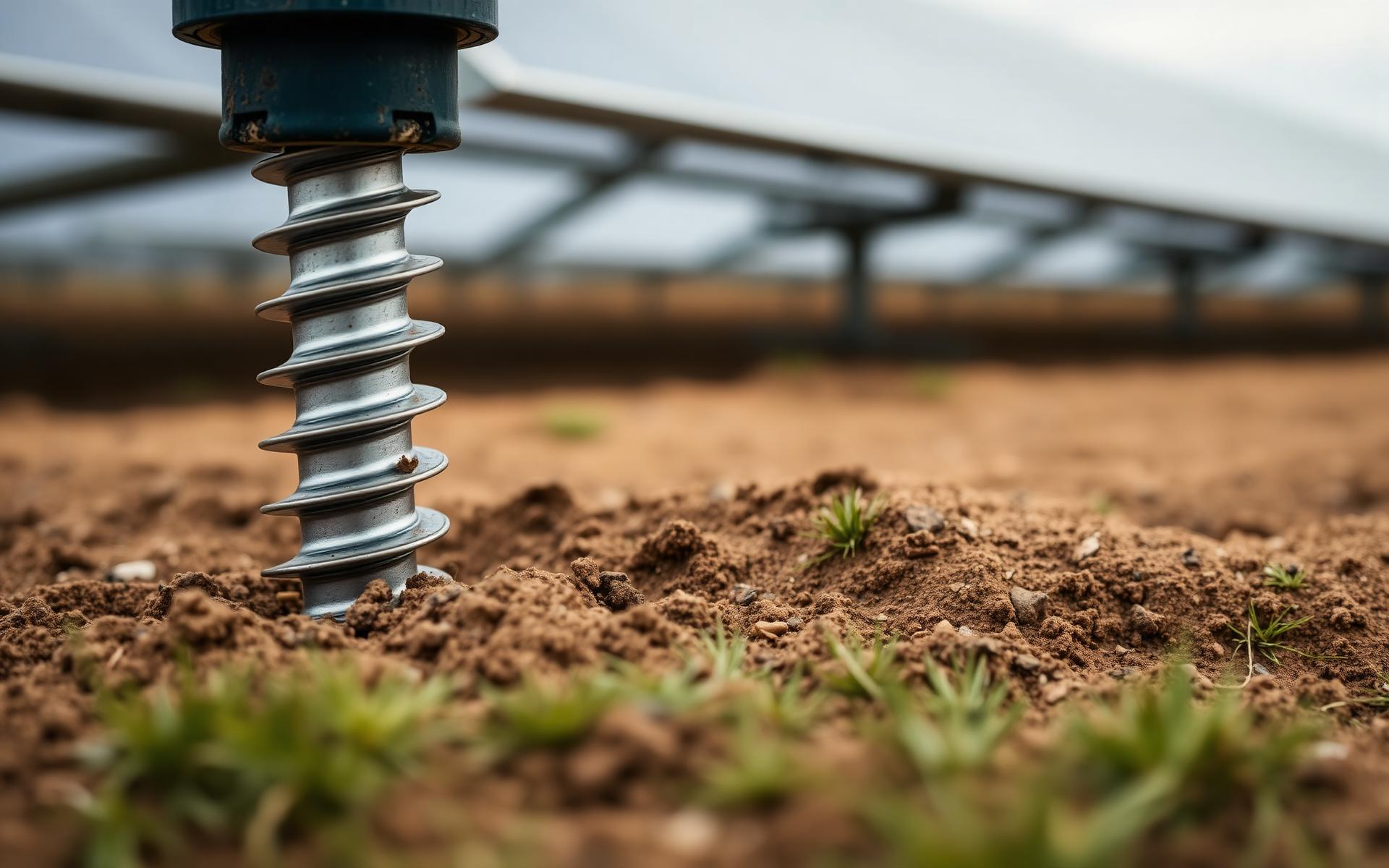
Why Ground Screws are the Future of UK Commercial Solar Farms
Time is capital. Earth is an asset. Concrete is a liability.
Local Net Zero: the support already on the table
Hubs, Accelerators, Great British Energy, the Community Fund, what's on offer, and how to find the door.
Global Quality, Local Installation
Why we install Tesla, and what a four-Powerwall replacement says about backing customers for decades.

The Evolution of Work: From Watt to Joule
Joule gave the scientific 'why' to the practical 'how' Watt had already commercialized, and that's why your bill is in kWh.
Let There Be Light: York Minster and the cathedral as civic leader
184 panels, £20,000 saved in six months, and a signal from the institution that has watched the British landscape the longest.

Shade as a Resource: agrivoltaics for British vineyards
What a 2018 Oregon study tells us, and what it doesn't, about putting solar above vines.
SEG, PPAs and the rise of symmetric pricing
Three layers for selling solar back to the grid, and a fourth idea that aligns the home with the system operator.
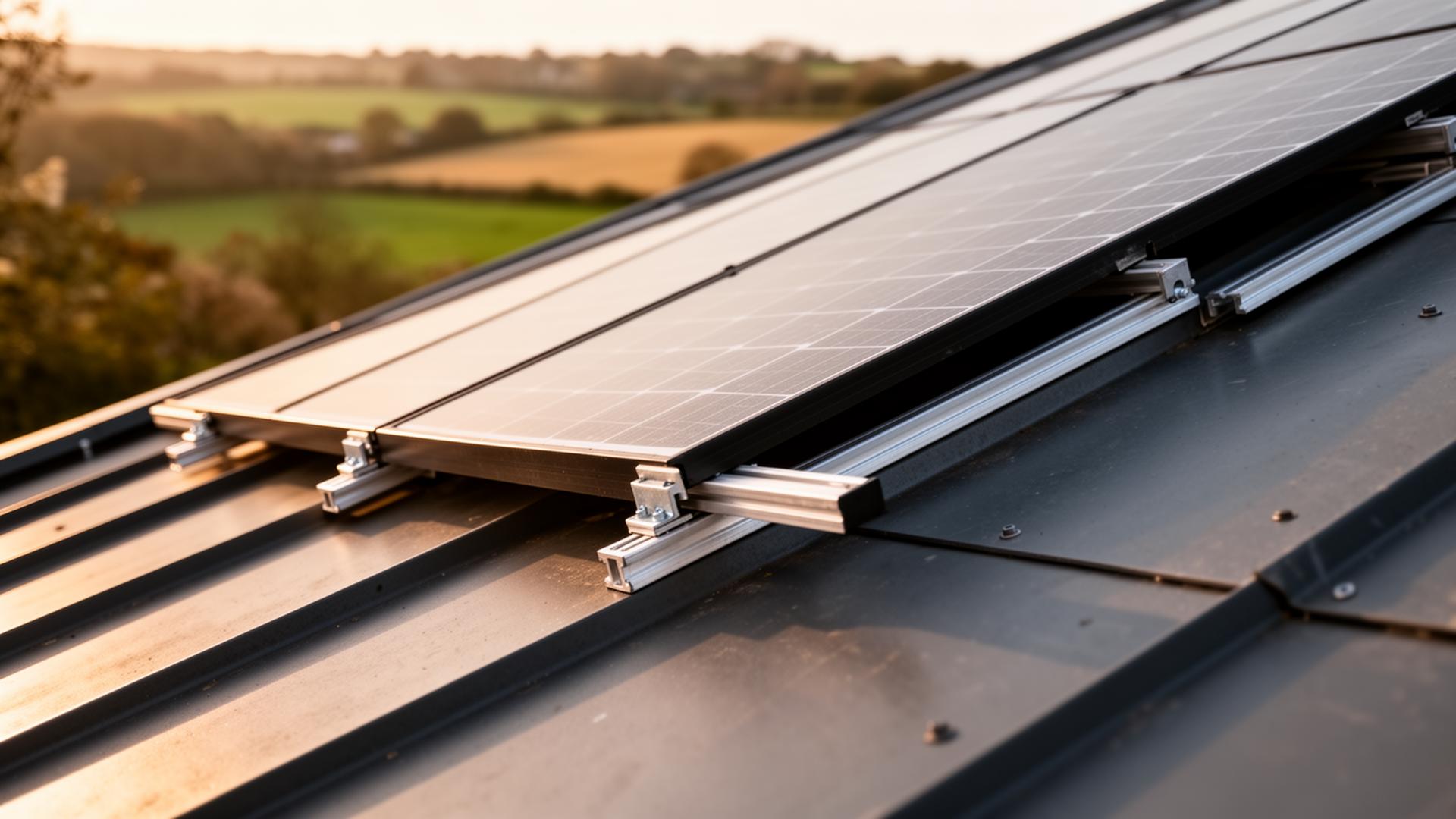
Mini Rails vs Long Rails
The mounting structure is the second-largest source of embodied carbon in a solar system. Two short profiles or one long one, it matters.
Playing the DNO: how to fast-track a slow connection
You can't choose your Distribution Network Operator. You can choose how you submit, and that is usually the whole game.
Reclaiming VAT on farm solar
Solar panels are plant and machinery. For most VAT-registered farms, that means the 20% input tax comes back, and capital allowances stack on top.
East-West arrays: the economics on constrained UK sites
Lower yield per panel, higher revenue per hectare. Why midday peaks are now a liability.
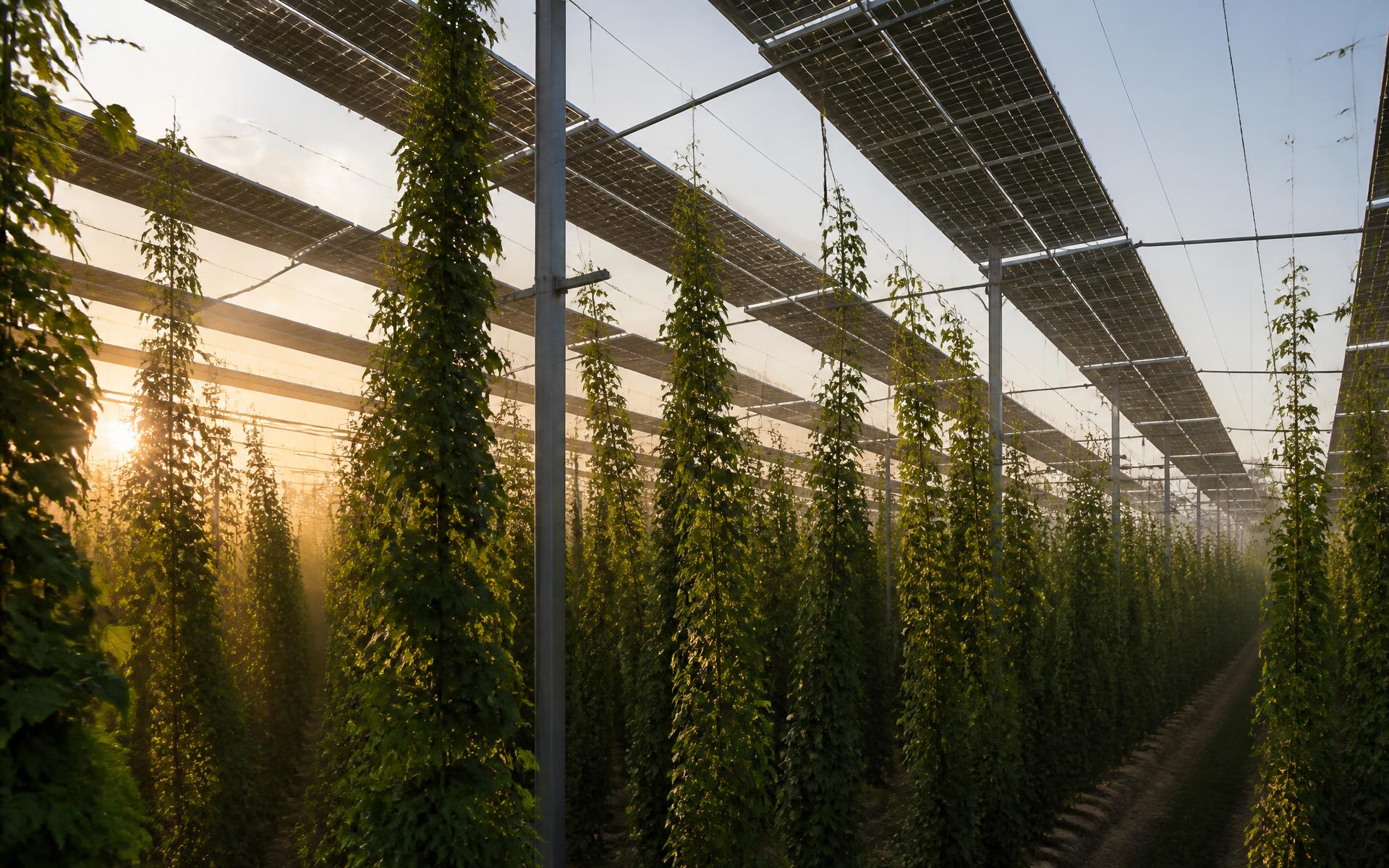
The hop garden that became a power station
977 kWp seven metres above a working hop garden. What Fraunhofer's HoPVen trial means for British growers, and what it doesn't yet prove.
Should you wait for better panels?
Cadmium telluride is real, cheap at gigawatt scale and not sold to you. The choice on a British roof is which silicon, and why we specify glass-glass.
The hill made of rubbish that pays rent
New Haven put 1,900 panels on a capped landfill. Britain has twenty thousand of these hills and no policy pointing at one of them.