Reclaiming VAT on farm solar.
Solar panels on a working farm are not a lifestyle purchase. HMRC treats them as plant and machinery, which means the 20% input tax usually comes back. The shape of the claim, and the traps that quietly shrink it.
The default position
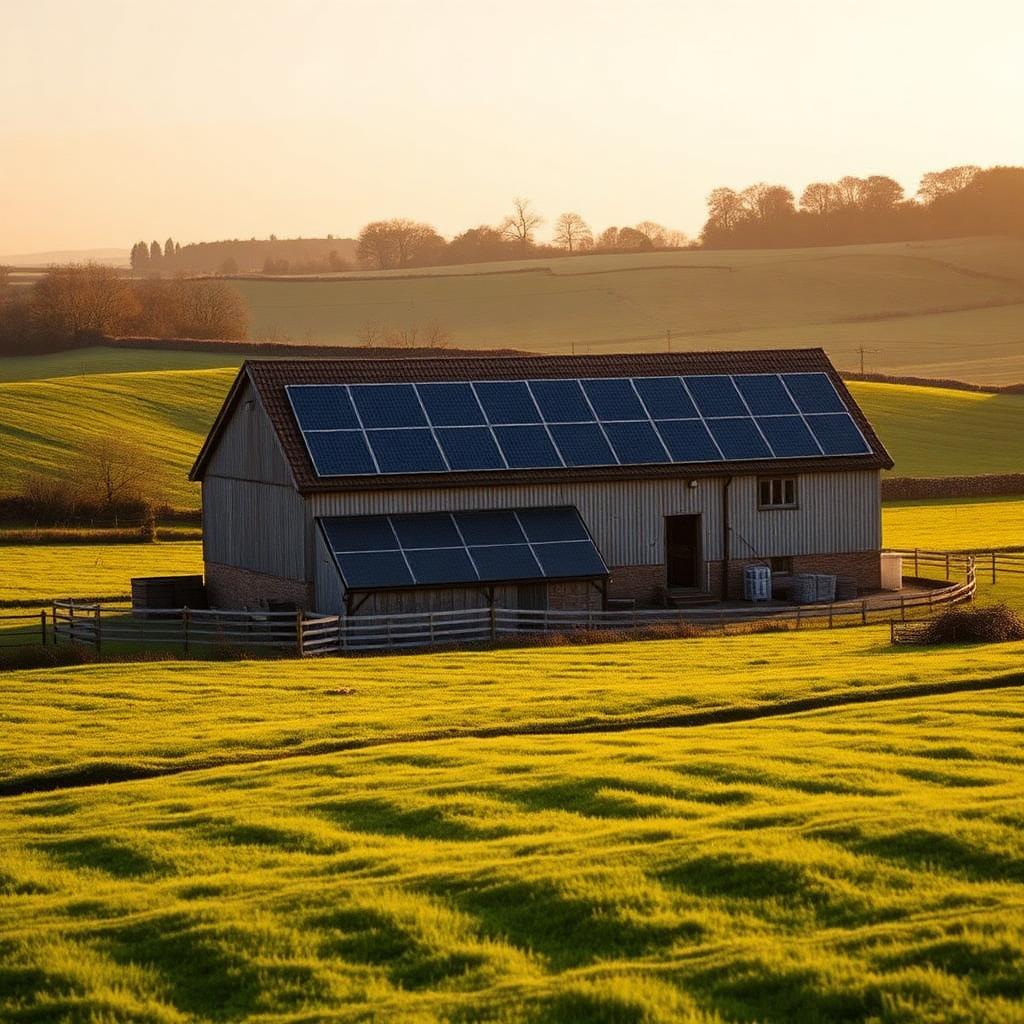
If you are a VAT-registered farmer on the standard scheme, and the solar system powers a genuine business activity, you can reclaim the 20% VAT charged on the installation as input tax. HMRC treats solar PV as plant and machinery, the same category as a milking parlour or a grain dryer. The reasoning is mechanical: the asset produces something the business uses or sells, so the tax on acquiring it is recoverable.
On a £120,000 install, that is £20,000 back through the next VAT return. It is not a grant, it is not a subsidy, it is a timing correction. But for most farms it is the single largest cash event in the first year of the project, and it changes the payback arithmetic before a single kWh has been generated.
The 20% is not a discount. It is your money, briefly held by HMRC.
The four rules that actually decide the claim
1. Business-use apportionment
Input VAT is recoverable on the share of the electricity used by the VAT-registered business. If the array sits on a barn that powers the dairy, the workshop and the cold store, that share is close to 100%. If the same array also feeds the farmhouse, the part of the system attributable to private domestic use is not reclaimable, and you will need a defensible apportionment, usually by metering, by sub-array, or by a documented kWh estimate.
The cleanest installs put the panels on a building that is unambiguously commercial, and route the export and on-site supply through the business meter. That single design decision usually removes any argument about percentages.
2. The partial-exemption trap
A diversified estate often has VAT-exempt income alongside its standard-rated farming. Letting bare land, residential lets, and certain holiday-let arrangements are the common ones. Once a business has both taxable and exempt supplies, it becomes partially exempt, and HMRC restricts the input VAT it can recover on shared overheads, including, potentially, a rooftop solar system that serves the whole estate.
There are de minimis thresholds and standard methods for calculating the recoverable share, but the point is structural: the more exempt income an estate runs alongside its core farming, the more carefully the solar claim needs to be framed. This is a conversation to have with your accountant before the invoice is raised, not after.
3. The Agricultural Flat Rate Scheme
The Agricultural Flat Rate Scheme is a simplified alternative to VAT registration. Farmers under AFRS charge a flat addition on their sales to VAT-registered customers and keep it, in lieu of charging and reclaiming VAT in the normal way. The trade-off is that, as a rule, AFRS farmers cannot reclaim input VAT on purchases, including a solar installation.
In practice, a farm planning a significant capital project, solar, a new shed, a slurry system, often de-registers from AFRS and moves to standard VAT registration for the year of the spend, then re-evaluates. That is not a decision to take casually, and the rules around qualifying micro-generation equipment have nuances by region, so it is worth a specific conversation rather than a general rule.
4. Capital allowances stack on top
VAT recovery and capital allowances are two different reliefs. Reclaiming the input VAT brings the gross cost down to the net cost. The net cost is then written off against taxable profits, usually through the Annual Investment Allowance, which currently sits at £1m a year and covers almost every farm-scale solar project in full in year one.
The two reliefs compound. A standard-rated VAT-registered farm pays £120,000 gross for an install, recovers £20,000 of VAT, and then deducts the £100,000 net cost from its taxable profits in the same year. At a 25% corporation tax rate, that is another £25,000 of tax not paid. The headline number is £120,000. The economic cost, after both reliefs, is closer to £75,000.
What a clean claim actually looks like
- The contract and the VAT invoice are addressed to the VAT-registered farming entity, not a personal name.
- The system is installed on a commercial building, or on a mixed-use building with a defensible apportionment recorded before commissioning.
- The generation and consumption are metered well enough to support that apportionment over the life of the asset, not just in year one.
- The accountant has reviewed the estate's partial-exemption position before the install, and the recoverable percentage is agreed in writing.
- The capital allowances claim is queued up to follow the VAT return, so both reliefs hit the same accounting period.
None of this is exotic. It is the same discipline a farm already applies to a tractor, a feed bin or a polytunnel. Solar simply happens to be the largest plant-and-machinery purchase most farms will make this decade, and the cost of getting the paperwork wrong is proportionate.
A solar array is a piece of farm equipment that pays for part of itself before it generates a single kilowatt.
A short disclaimer, said plainly
This essay is general guidance, not tax advice. Every farm's VAT position is shaped by its specific mix of activities, its scheme, its buildings and its income. The reliefs described here are real and well-established, but the numbers in your case need a conversation with your accountant and, where the install is large, an early word with HMRC.
Two questions decide most of the answer.
Are you standard VAT registered, or on the Agricultural Flat Rate Scheme? And is the install going on a commercial farm building, or a mixed-use building that also serves the farmhouse? Tell us those two things and we will model the gross cost, the recoverable VAT, the capital allowances and the payback for your specific site, before you commit to anything.
In short
Solar panels installed on a VAT-registered farm are plant and machinery used for business purposes, so the 20 per cent input VAT is normally recoverable in the usual way, and capital allowances can be claimed on the same expenditure. Farmhouse or domestic use has to be apportioned out, and the two reliefs together typically cut the effective net cost by a third or more.
Common questions
Can a farm reclaim VAT on solar panels?
A VAT-registered farm can normally recover input VAT on solar used for the business, because the system is plant and machinery serving taxable supplies. Any private or farmhouse share of the electricity must be apportioned and excluded.
Do capital allowances apply to farm solar?
Yes. Solar is usually special rate plant and machinery, and the Annual Investment Allowance can often be set against the expenditure, which stacks with VAT recovery to cut the effective net cost significantly.
Is solar on a farm building zero rated for VAT?
No. The zero and reduced rates apply to installations on domestic dwellings, not to commercial farm buildings. A farm pays the 20 per cent and then recovers it as input tax, which reaches the same place by a different route and keeps the capital allowance claim intact.
What if the farmhouse uses some of the electricity?
Apportion it. Work out the domestic share on a fair and reasonable basis, exclude that proportion of the input VAT, and keep the calculation on file. Separate metering of the farmhouse supply is the cleanest evidence if HMRC asks.
How much does solar actually cost a VAT-registered farm?
Take the quoted price including VAT, take the 20 per cent back as input tax, then set the net expenditure against the Annual Investment Allowance at the farm's tax rate. For most trading farms the cash cost lands well below the headline figure; the exact number depends on the profit position that year.
Continue reading
All essays →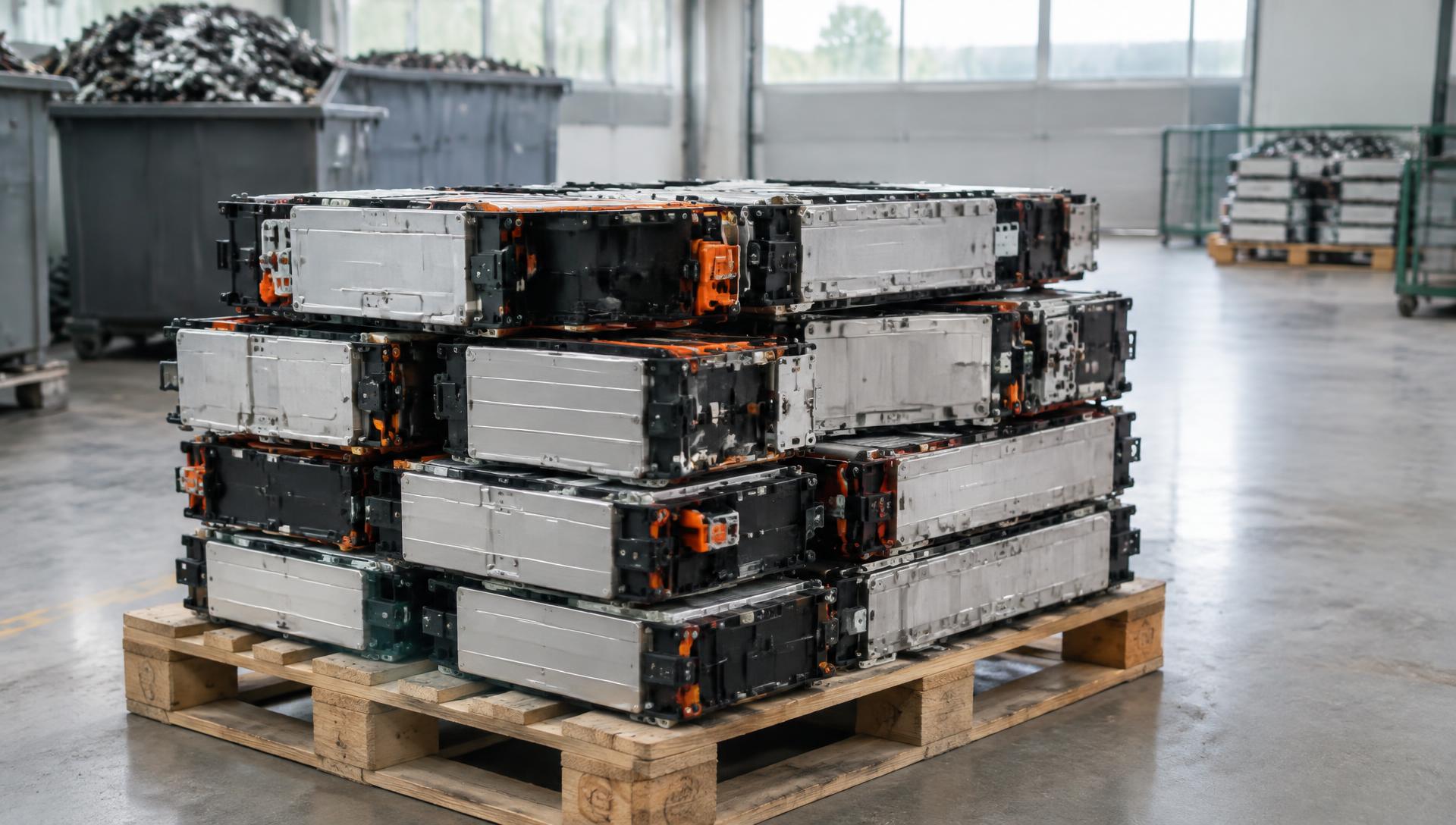
What happens to a home battery at the end of its life?
Extend first, recycle second, landfill never. Tesla's published end-of-life policy, and what to ask before you buy any battery.
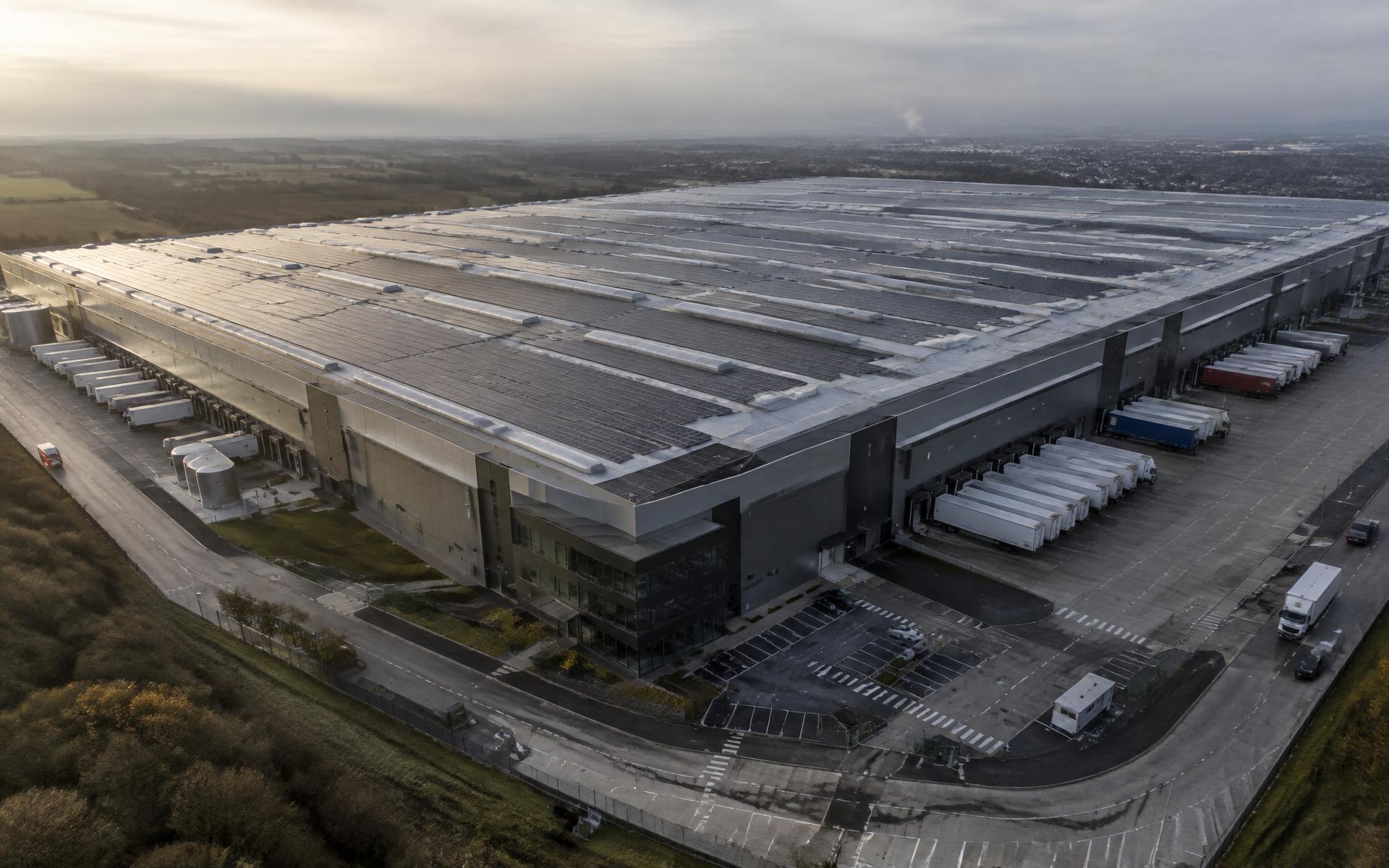
Solar on an east-west facing roof
Ten to twenty per cent less per panel, twice the roof to use, and output across the whole working day. The plain answer for a building that doesn't face south.
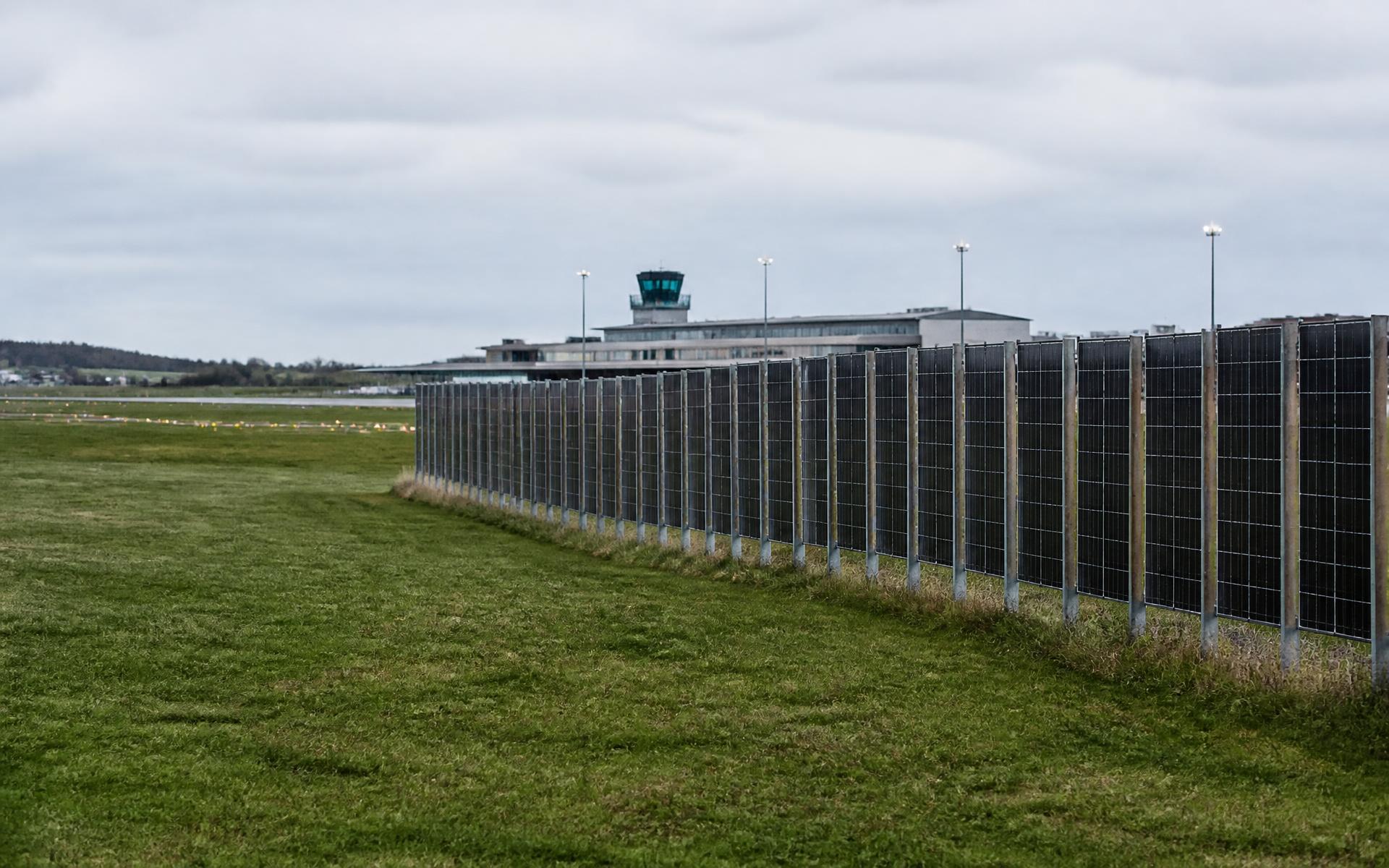
The best-defended solar site in Britain is behind an airport fence
Mown grass, kilometres of perimeter and a large continuous load next door. What an airport microgrid actually looks like.
Use them where you make your own electrons
Serve the businesses next door over private wire, then let containerised compute eat whatever the grid won't take.

The eclipse and the grid
A predictable dive in national solar, a kettle surge on the other side, and a free rehearsal for every ordinary evening.
Why 1% of the UK is all we need
We don't have a land problem. We have a coordination problem.

Fragmented Funding
The capital is already there. It's just scattered across six different desks.
Powering the Future: Community Bonds
What if a community could keep the returns on its own infrastructure?
Why Ground Screws are the Future of UK Commercial Solar Farms
Time is capital. Earth is an asset. Concrete is a liability.
Local Net Zero: the support already on the table
Hubs, Accelerators, Great British Energy, the Community Fund, what's on offer, and how to find the door.
Global Quality, Local Installation
Why we install Tesla, and what a four-Powerwall replacement says about backing customers for decades.
The Evolution of Work: From Watt to Joule
Joule gave the scientific 'why' to the practical 'how' Watt had already commercialized, and that's why your bill is in kWh.
Let There Be Light: York Minster and the cathedral as civic leader
184 panels, £20,000 saved in six months, and a signal from the institution that has watched the British landscape the longest.
Shade as a Resource: agrivoltaics for British vineyards
What a 2018 Oregon study tells us, and what it doesn't, about putting solar above vines.
SEG, PPAs and the rise of symmetric pricing
Three layers for selling solar back to the grid, and a fourth idea that aligns the home with the system operator.
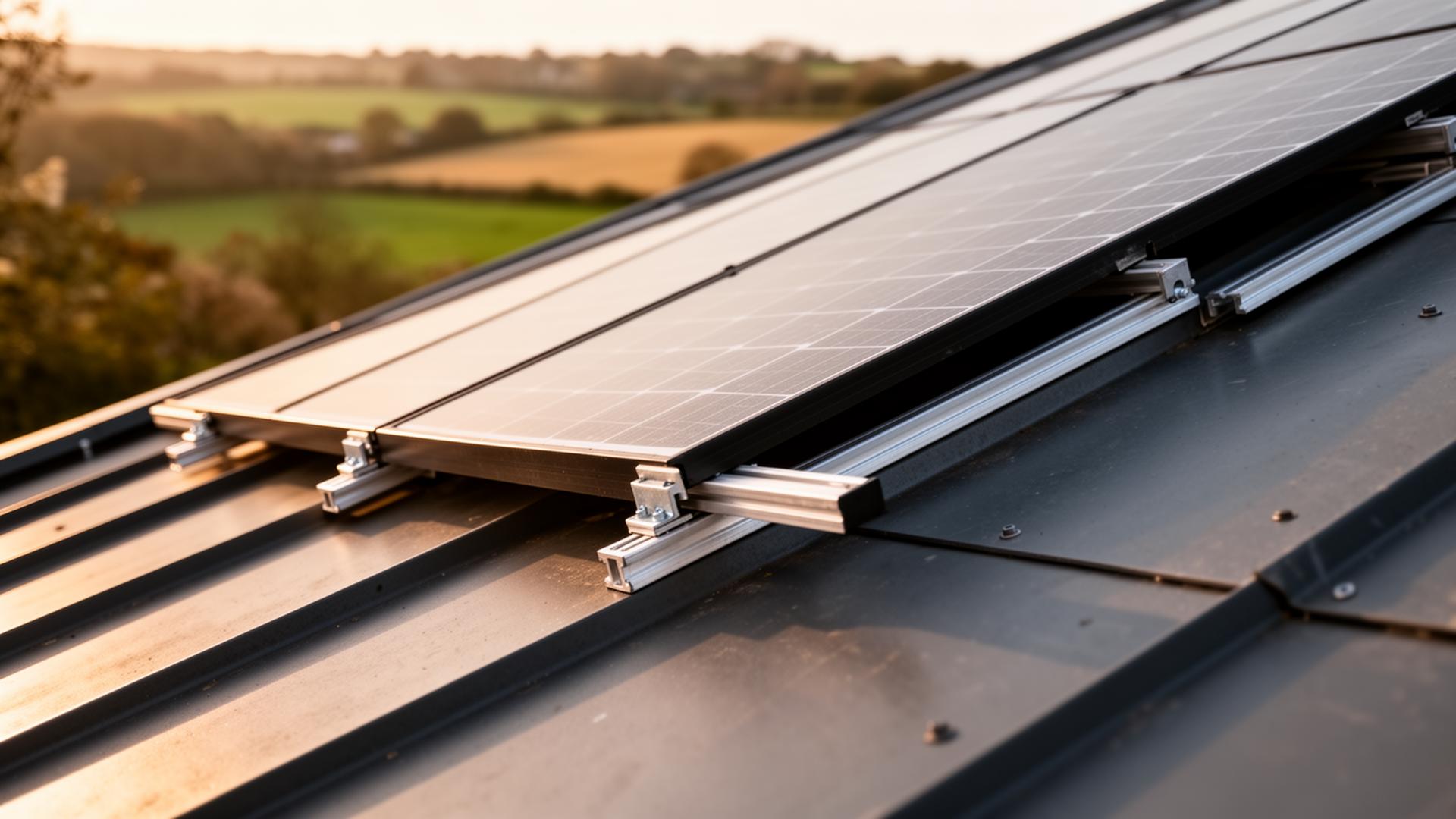
Mini Rails vs Long Rails
The mounting structure is the second-largest source of embodied carbon in a solar system. Two short profiles or one long one, it matters.
Playing the DNO: how to fast-track a slow connection
You can't choose your Distribution Network Operator. You can choose how you submit, and that is usually the whole game.
Biodiversity Net Gain: the 10% that changes the maths
Statutory BNG is now the law for almost every piece of development in England. For solar, it is an opportunity hiding inside an obligation.
East-West arrays: the economics on constrained UK sites
Lower yield per panel, higher revenue per hectare. Why midday peaks are now a liability.
The hop garden that became a power station
977 kWp seven metres above a working hop garden. What Fraunhofer's HoPVen trial means for British growers, and what it doesn't yet prove.
Should you wait for better panels?
Cadmium telluride is real, cheap at gigawatt scale and not sold to you. The choice on a British roof is which silicon, and why we specify glass-glass.
The hill made of rubbish that pays rent
New Haven put 1,900 panels on a capped landfill. Britain has twenty thousand of these hills and no policy pointing at one of them.