The eclipse is a reminder of what really powers the country.
For a few minutes today the Sun switches off, the temperature drops and the light goes strange. Behind the scenes it is also the most carefully rehearsed event in the electricity calendar.

An eclipse is a stunning visual. It is also the only occasion on which the thing that powers almost everything, directly or at several removes, is briefly taken away in front of an audience. Every kilowatt hour on your bill is stored or arriving sunlight. Today you get to watch the supply be interrupted.
If you are stepping out for it: ISO-certified glasses or nothing. The crew and I are wearing galactic-print specs, which are ridiculous and also correct. Sunglasses, phone cameras and smoked glass are not eye protection.
Then stand still for a moment and notice the temperature drop. That is the number that makes solar intuitive. The air cools because the energy stopped arriving, and it will warm again within minutes of the shadow moving on. Nothing else on the system responds that fast.
What the grid actually does
The last time Britain had a serious partial eclipse, in March 2015, national solar generation fell by roughly 3 GW in about half an hour and came back at a similar rate. It went almost unnoticed, because an eclipse is the one grid event that is knowable to the second, years ahead. Balancing is bought in advance. Nobody is improvising.
Today's eclipse is kinder than the arithmetic suggests, because from Britain it happens in the evening. The Sun is already low, output is already falling, and the shadow lands on a fleet that is mostly finished for the day. The 2026 version is a spectacle first and a grid event second. Hold the same eclipse at noon in June, with today's 18 GW of installed panels, and the dive would be several times the one 2015 handled without drama.
Which is the useful thought. The eclipse is a free rehearsal for something the system now faces every single evening: a large, fast, entirely predictable loss of solar, followed by a ramp. Britain's answer is increasingly storage rather than spinning plant, and the batteries on the transmission system have gone from a rounding error in 2015 to several gigawatts of fast response today. This is what they are for.
The post-eclipse kettle
The harder half of the event is the human one. Britain invented the TV pickup, the demand spike that arrives when a nation stops watching and starts boiling. The 1990 World Cup semi-final produced about 2,800 MW of it in a few minutes, roughly a million and a half kettles, and grid engineers still plan for the phenomenon by watching the schedules.
An eclipse ending is a TV pickup with better production values. Everyone goes back indoors at once, on top of a generation ramp, which is precisely the combination that makes the system work hardest. So the small civic act today is to wait five minutes before the kettle. It costs you nothing and it is the cheapest grid service anyone will offer this year.
The point underneath the spectacle
What you are watching is a supply chain with a single point of failure, briefly demonstrated. For a house or a business with panels and a battery, the eclipse is a non-event: output falls, the battery covers the gap, the lights do not flicker and nobody has to be asked to delay their tea. Independence is not a slogan, it is the difference between being part of the balancing problem and not.
The Sun goes out for a few minutes today. The interesting question is what happens on the thousands of ordinary evenings when it does the same thing on schedule.
We design and install solar and storage for homes, farms and businesses across the shires. Lower bills, a smaller footprint, and a system that carries on when the sky does something unusual. Don't just consume.
When is the next one?
12 August 2026 was the deep one for these islands. It is not the last for a long time, though the good ones now ask you to travel. The short list, with what Britain actually sees:
| Date | Type | Where totality or the ring falls | From Britain |
|---|---|---|---|
| 6 Feb 2027 | Annular | Southern Chile and Argentina, then the South Atlantic | Nothing |
| 2 Aug 2027 | Total | Southern Spain, Gibraltar, Morocco, Algeria, Libya, Egypt, Sudan and Saudi Arabia. Over six minutes of totality near Luxor, the longest spell of darkness over land this century. | A partial through the middle of the morning, deepest in the far south |
| 26 Jan 2028 | Annular | Ecuador, Peru and Brazil, then Portugal and Spain at sunset | A shallow partial low in the south-west sky, weather permitting |
| 22 Jul 2028 | Total | Australia, with the track running directly over Sydney | Nothing |
| 1 Jun 2030 | Annular | Algeria, Greece, Turkey and Russia, on into northern Japan | A modest partial |
| 3 Sep 2081 | Total | Central Europe, with the track passing close to the Channel | Very deep in the far south, short of totality |
| 23 Sep 2090 | Total | Cornwall, Devon, south Wales and the Midlands | Totality returns to Britain |
The one worth a diary entry is 2 August 2027. It is a summer morning, the track crosses the solar belt of southern Spain and North Africa, and by then those countries will have far more photovoltaic capacity under the shadow than Britain lost in 2015. Iberia will do in the space of an hour what Britain rehearsed on a small scale eleven years earlier: lose several gigawatts, hold the frequency, and take it all back on the ramp. Europe's grid operators have been modelling it for years, which is the whole point. A predictable event is an engineering question, not a risk.
For a household here, the practical version is the same as it was in August 2026. Anything with a battery treats the morning as a passing cloud. Anything without one leans on the rest of the country, twice: once on the way down, and once on the way back up.
Figures: National Grid's operational reporting on the March 2015 eclipse, historic TV pickup records for the 1990 World Cup semi-final, and DESNZ solar deployment statistics for installed UK capacity. Future eclipse dates and tracks follow NASA's eclipse canon. Timings, magnitudes and local circumstances vary across the country, check a local forecast before you go out.
Common questions
What happens to solar power during an eclipse in the UK?
National solar output falls and then recovers, on a curve the grid operator can predict to the minute weeks in advance. During the March 2015 partial eclipse Britain lost roughly 3 GW of solar generation in about half an hour and got it back just as quickly. The eclipse of 12 August 2026 is an evening event in Britain, so it lands when solar output is already winding down and the dip is far smaller than the date suggests.
Does an eclipse cause power cuts?
No. An eclipse is the most predictable event on the grid calendar, so the operator books the balancing it needs in advance. The awkward part is not the shadow, it is how fast generation has to ramp back afterwards, and the demand spike from millions of people going back indoors at the same moment.
Why should I not put the kettle on straight after an eclipse?
Because everyone else does too. Britain's grid has a long history of TV pickups, synchronised demand surges of well over 2 GW when a nation boils water at once. Arriving on top of a solar recovery ramp, it makes the system work harder than it needs to. Waiting five minutes costs you nothing.
Do solar panels still work during an eclipse?
Yes, in exactly the way they work under thick cloud. Output falls with the light and returns with it, and a system with a battery keeps supplying the house from stored energy throughout. Nothing is damaged and nothing needs resetting.
When is the next solar eclipse after August 2026?
The next total solar eclipse is 2 August 2027, running across southern Spain, Morocco and North Africa to Egypt and Saudi Arabia, with over six minutes of totality near Luxor. Britain gets a partial that morning. Before that there is an annular eclipse on 6 February 2027 over South America, and after it an annular on 26 January 2028 that ends over Portugal and Spain at sunset.
When is the next total solar eclipse visible from the UK?
Totality does not return to Britain until 23 September 2090, when the track crosses Cornwall, Devon, south Wales and the Midlands. The 3 September 2081 total eclipse passes close to the Channel and is very deep from the far south of England without quite reaching totality. The 12 August 2026 eclipse was a deep partial from these islands, up to roughly 90 per cent of the Sun covered in the far north-west, less as you travelled south and east.
Two minutes, three questions. No sales calls unless you ask for one.
In short
A solar eclipse removes national solar generation on a curve the grid operator can predict years in advance: Britain lost roughly 3 GW in half an hour during the March 2015 partial eclipse, on a fleet a third of today's ~18 GW. The harder half is human, a TV-pickup style demand surge when everyone goes back indoors, which is why the advice is to wait five minutes before the kettle.
Common questions
What happens to the grid during a solar eclipse?
Solar output falls and returns on a curve that can be calculated years ahead, so the system operator schedules replacement generation in advance. Britain lost roughly 3 GW in half an hour in March 2015; on today's fleet of around 18 GW the swing is larger but just as predictable.
Do solar panels stop working during an eclipse?
They keep working, they just receive less light. Output follows the obscured fraction of the sun's disc, dropping smoothly to a minimum and recovering over the following hour. Nothing needs to be switched off and nothing is damaged.
Will an eclipse cause a power cut?
No. The generation loss is forecastable and covered by scheduled reserve. The harder problem is the demand surge afterwards, when people go back indoors together and switch appliances on, which lands on top of the solar recovery ramp.
What does an eclipse tell us about evening solar drop-off?
It is a compressed rehearsal for every sunset. The same tools cover both: batteries discharging into the ramp, flexible demand moving out of the peak, and interconnectors. An eclipse just does in one hour what the grid handles every evening of the year.
Continue reading
All essays →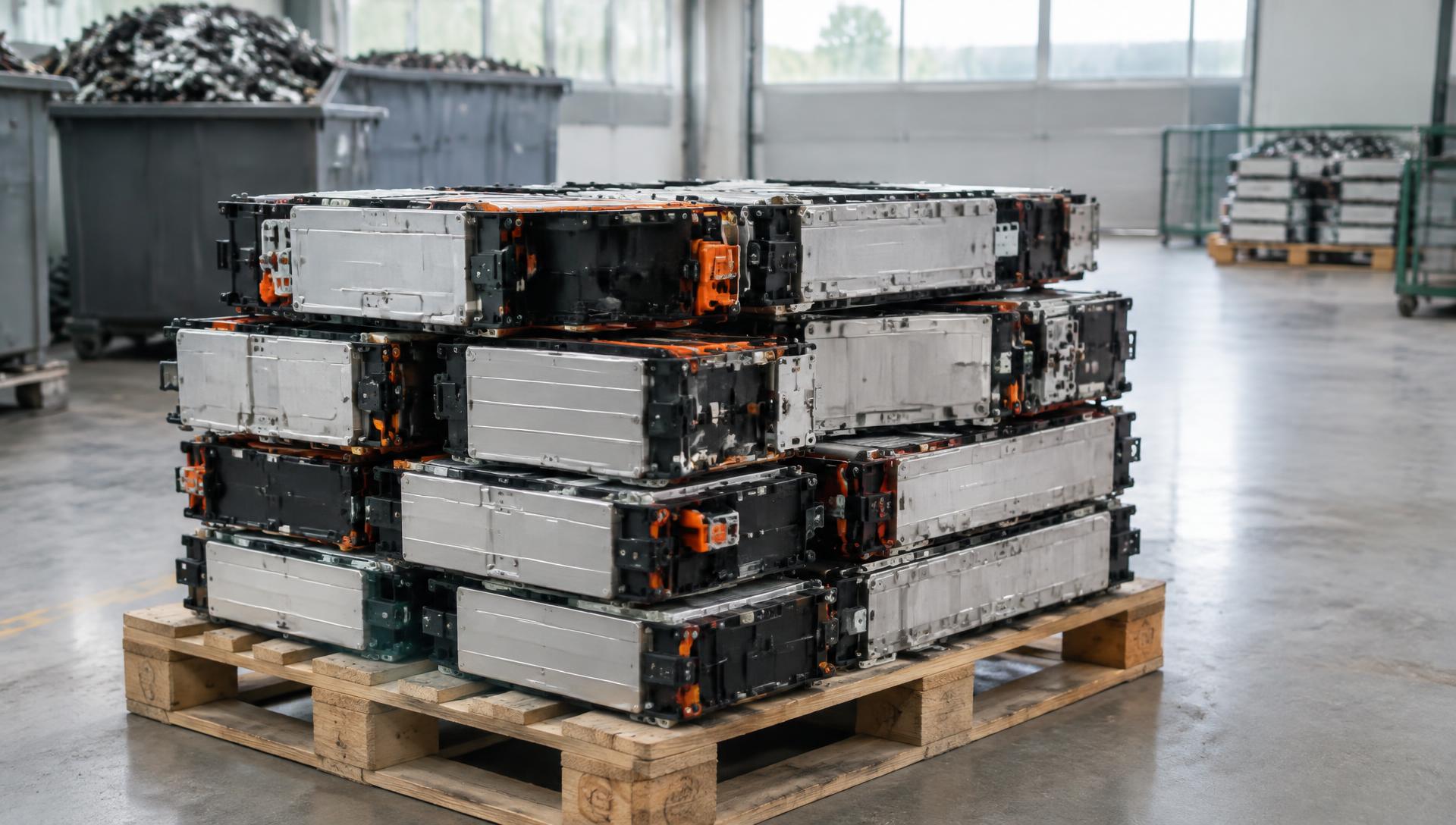
What happens to a home battery at the end of its life?
Extend first, recycle second, landfill never. Tesla's published end-of-life policy, and what to ask before you buy any battery.
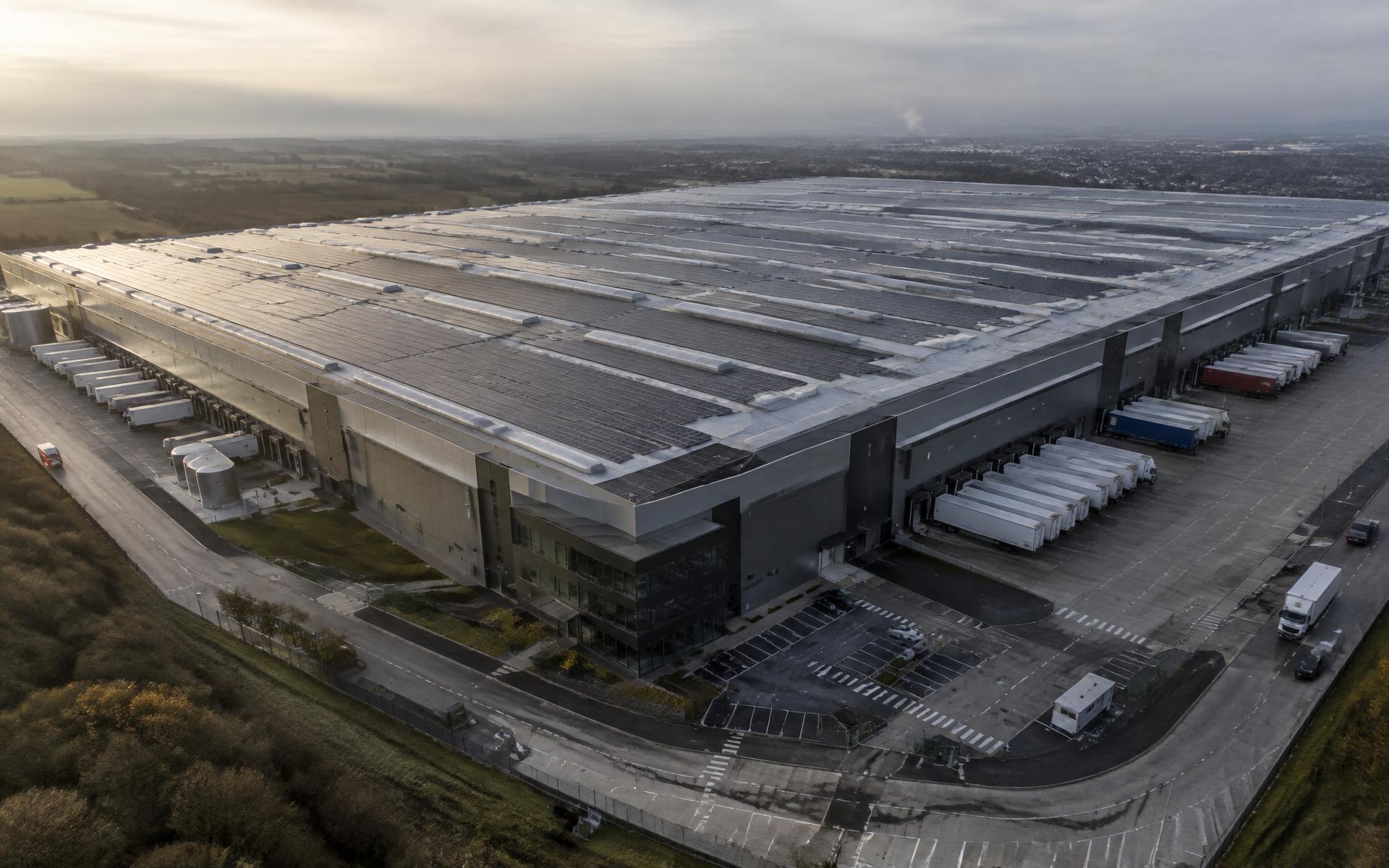
Solar on an east-west facing roof
Ten to twenty per cent less per panel, twice the roof to use, and output across the whole working day. The plain answer for a building that doesn't face south.
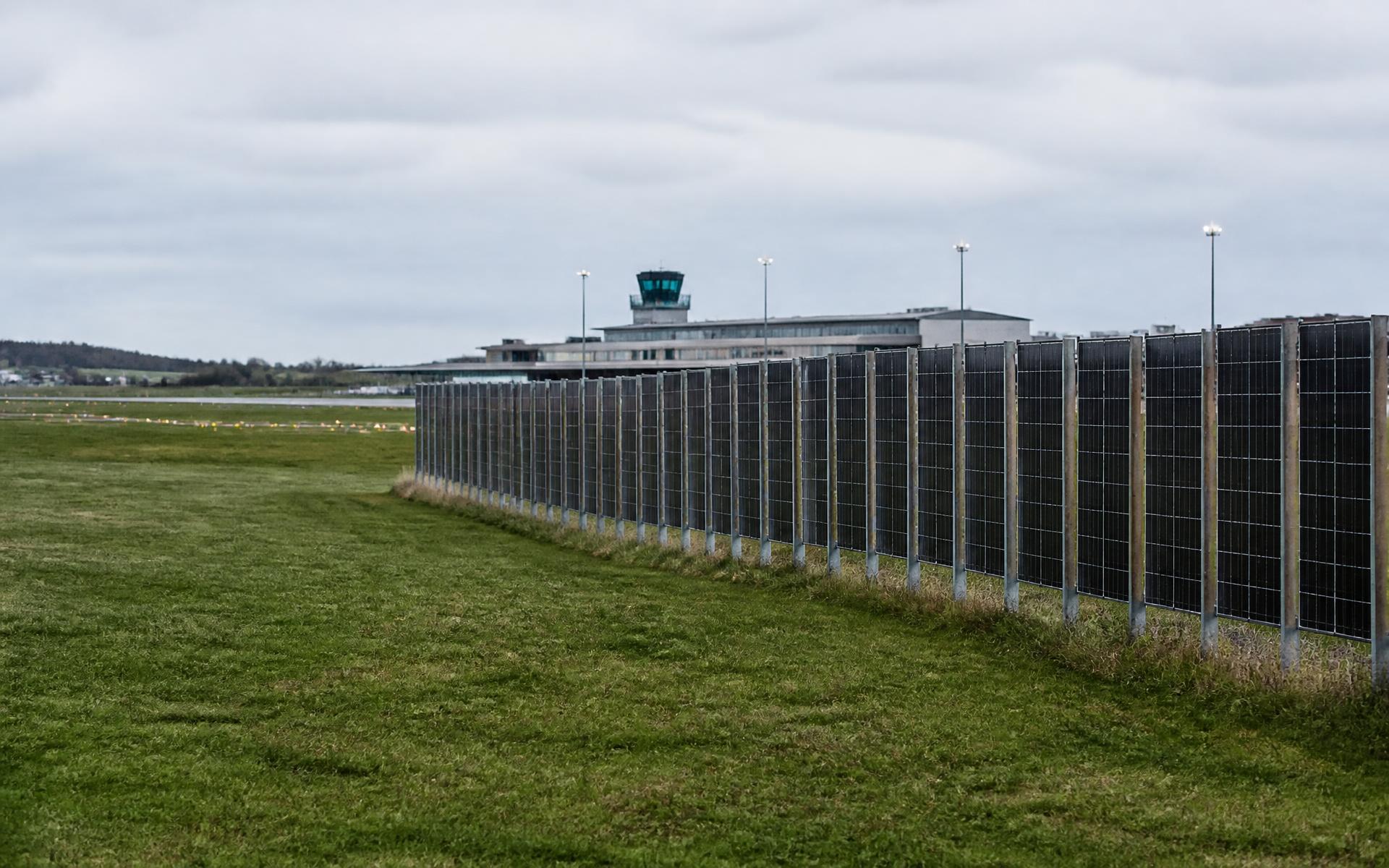
The best-defended solar site in Britain is behind an airport fence
Mown grass, kilometres of perimeter and a large continuous load next door. What an airport microgrid actually looks like.
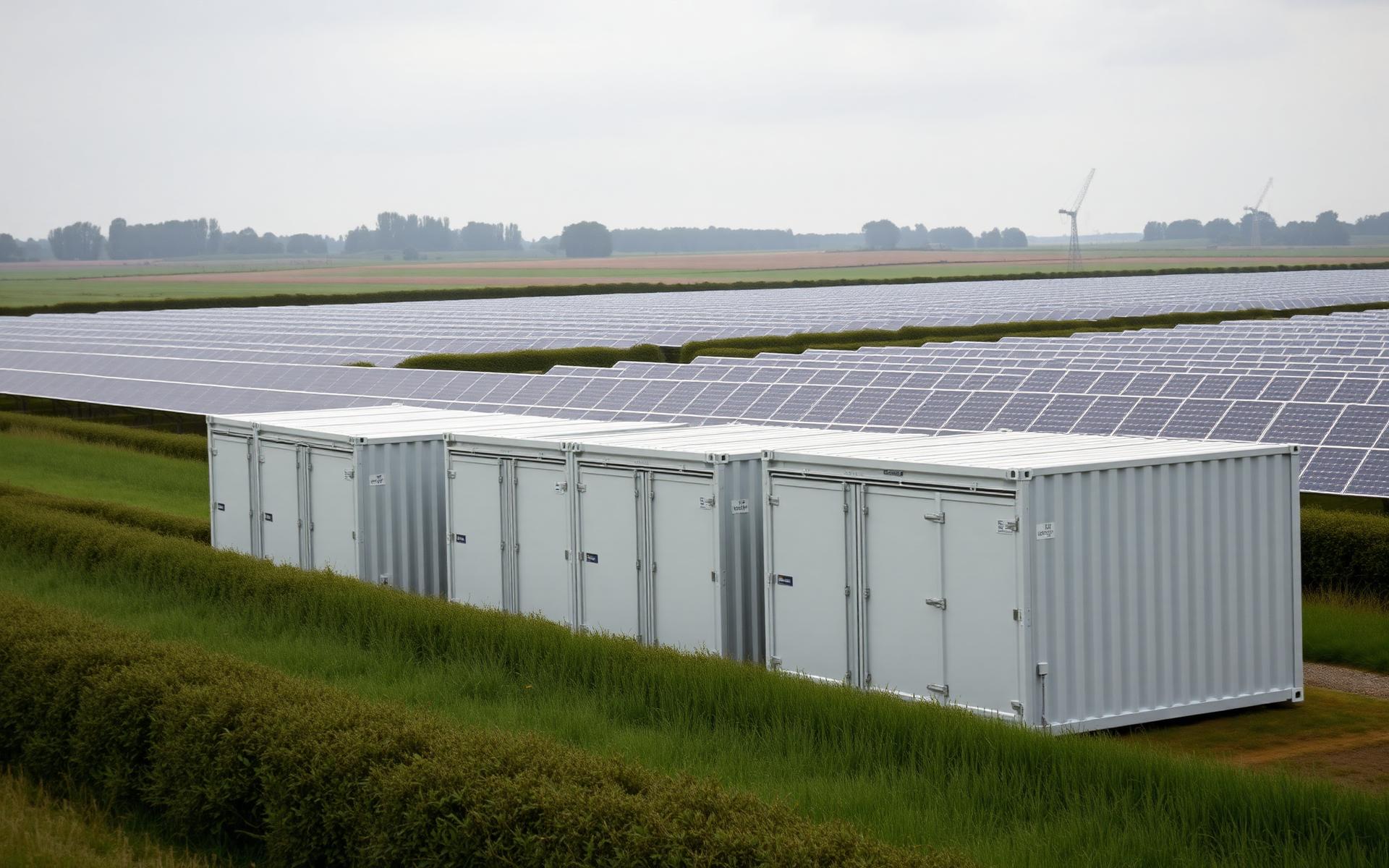
Use them where you make your own electrons
Serve the businesses next door over private wire, then let containerised compute eat whatever the grid won't take.
Why 1% of the UK is all we need
We don't have a land problem. We have a coordination problem.

Fragmented Funding
The capital is already there. It's just scattered across six different desks.
Powering the Future: Community Bonds
What if a community could keep the returns on its own infrastructure?
Why Ground Screws are the Future of UK Commercial Solar Farms
Time is capital. Earth is an asset. Concrete is a liability.
Local Net Zero: the support already on the table
Hubs, Accelerators, Great British Energy, the Community Fund, what's on offer, and how to find the door.
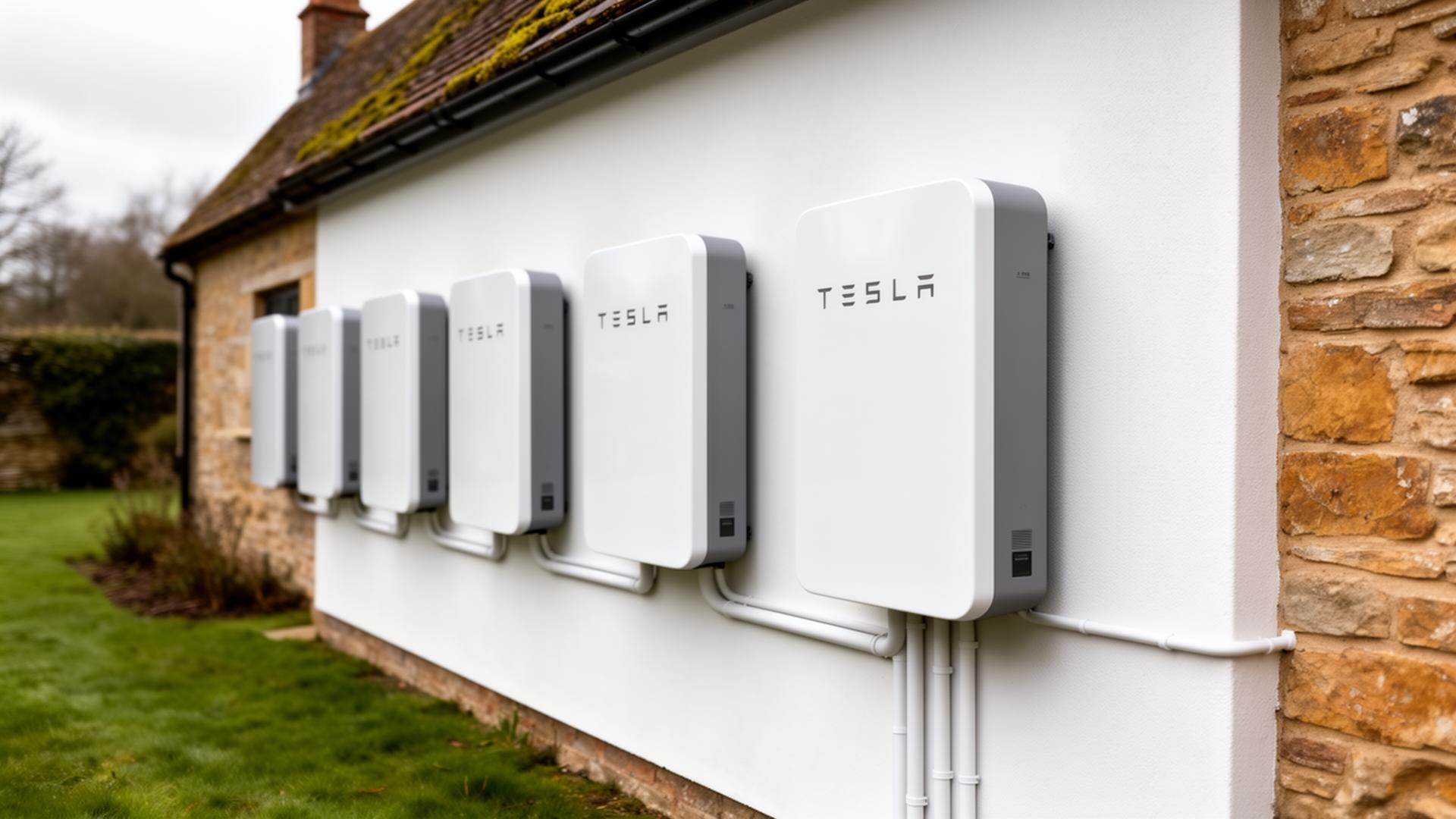
Global Quality, Local Installation
Why we install Tesla, and what a four-Powerwall replacement says about backing customers for decades.
The Evolution of Work: From Watt to Joule
Joule gave the scientific 'why' to the practical 'how' Watt had already commercialized, and that's why your bill is in kWh.
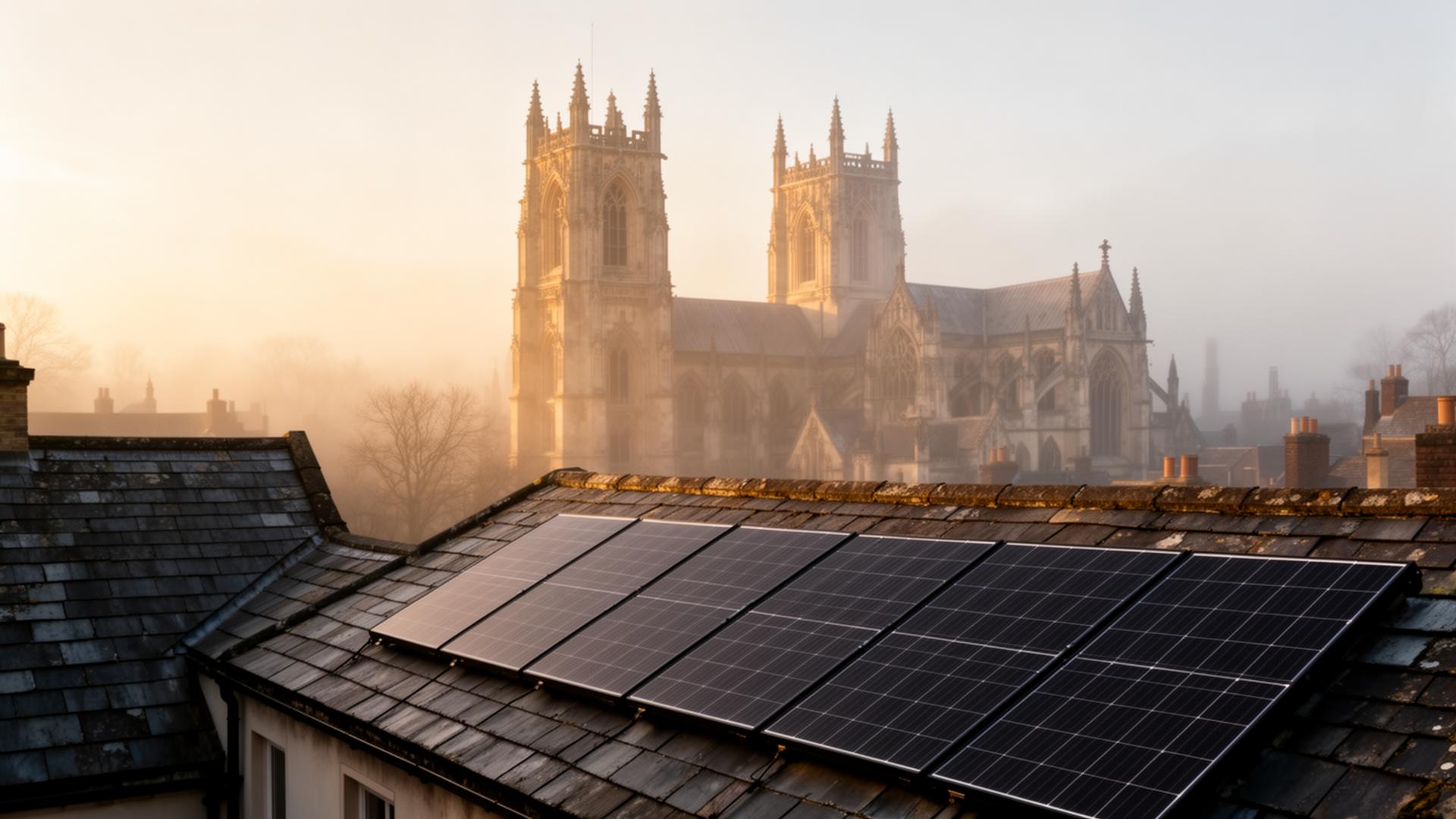
Let There Be Light: York Minster and the cathedral as civic leader
184 panels, £20,000 saved in six months, and a signal from the institution that has watched the British landscape the longest.

Shade as a Resource: agrivoltaics for British vineyards
What a 2018 Oregon study tells us, and what it doesn't, about putting solar above vines.
SEG, PPAs and the rise of symmetric pricing
Three layers for selling solar back to the grid, and a fourth idea that aligns the home with the system operator.
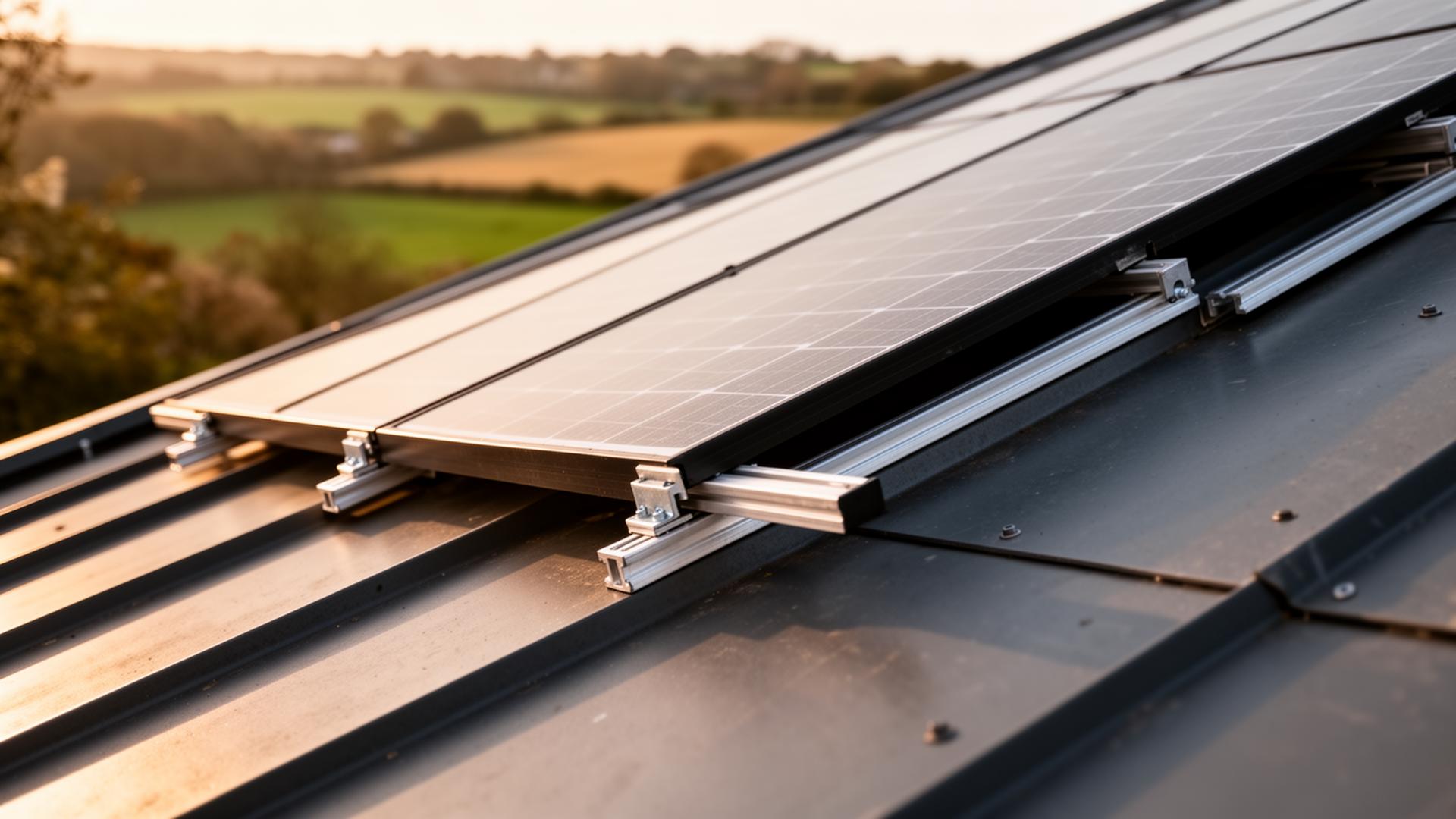
Mini Rails vs Long Rails
The mounting structure is the second-largest source of embodied carbon in a solar system. Two short profiles or one long one, it matters.
Playing the DNO: how to fast-track a slow connection
You can't choose your Distribution Network Operator. You can choose how you submit, and that is usually the whole game.
Biodiversity Net Gain: the 10% that changes the maths
Statutory BNG is now the law for almost every piece of development in England. For solar, it is an opportunity hiding inside an obligation.
Reclaiming VAT on farm solar
Solar panels are plant and machinery. For most VAT-registered farms, that means the 20% input tax comes back, and capital allowances stack on top.
East-West arrays: the economics on constrained UK sites
Lower yield per panel, higher revenue per hectare. Why midday peaks are now a liability.
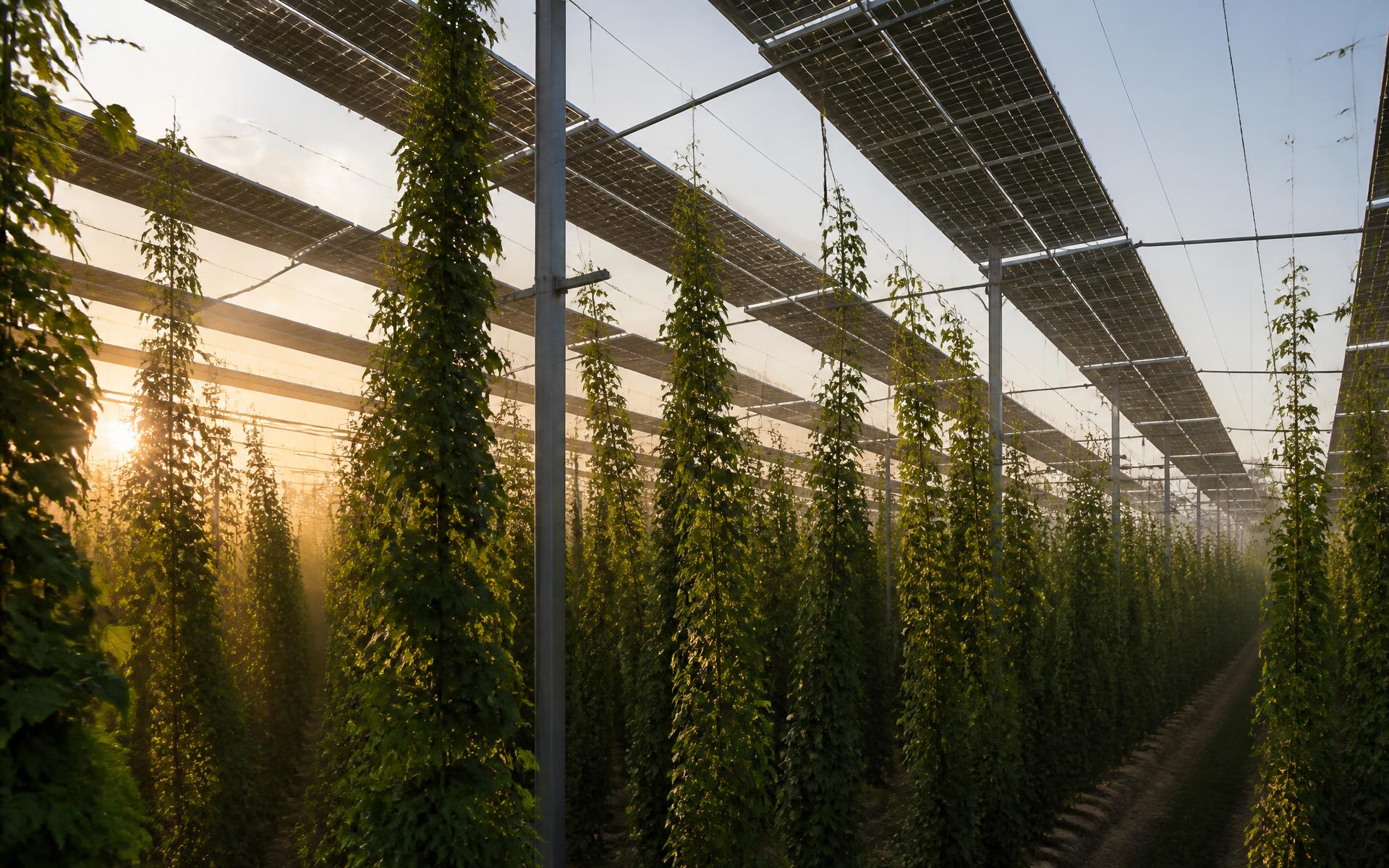
The hop garden that became a power station
977 kWp seven metres above a working hop garden. What Fraunhofer's HoPVen trial means for British growers, and what it doesn't yet prove.
Should you wait for better panels?
Cadmium telluride is real, cheap at gigawatt scale and not sold to you. The choice on a British roof is which silicon, and why we specify glass-glass.
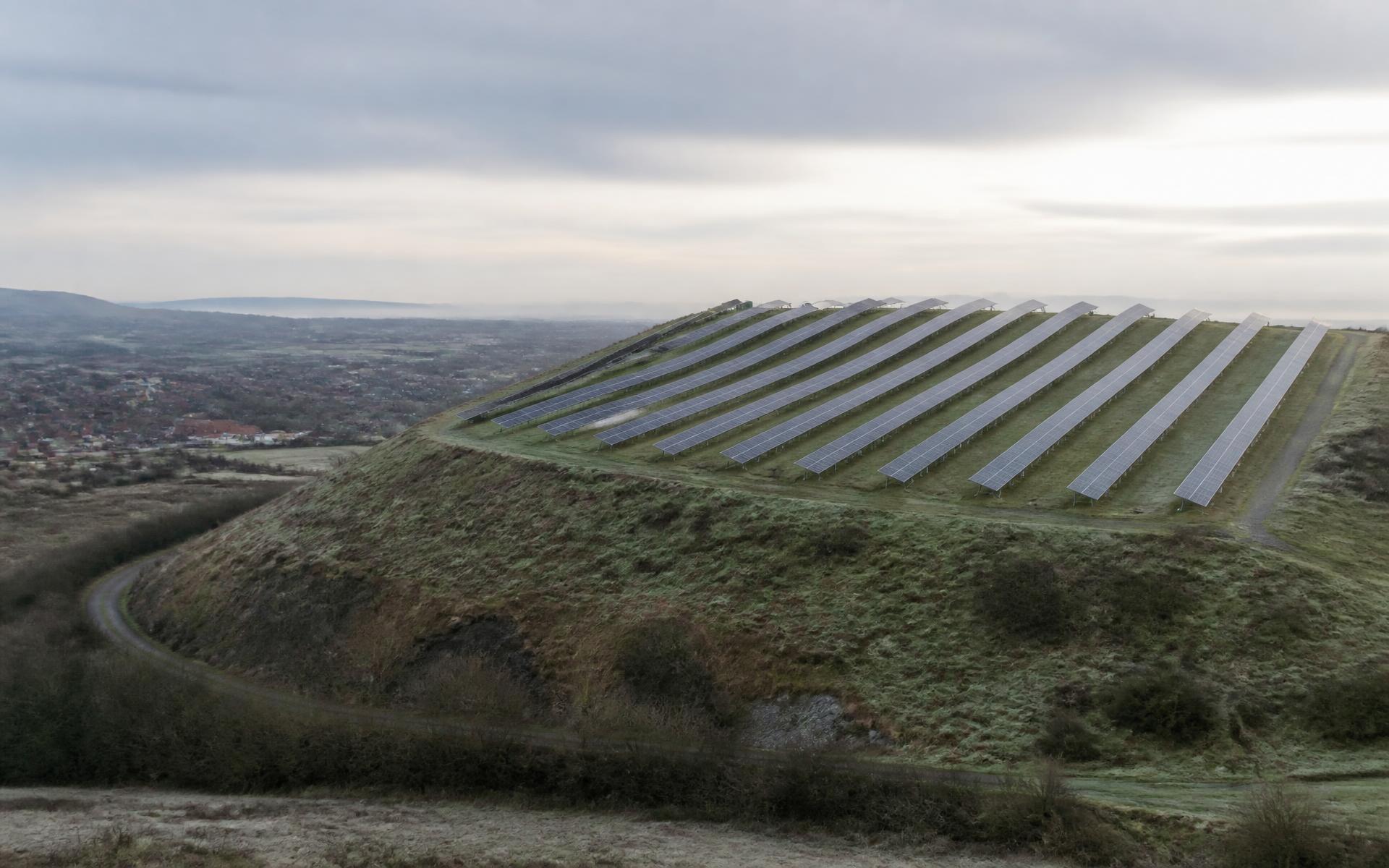
The hill made of rubbish that pays rent
New Haven put 1,900 panels on a capped landfill. Britain has twenty thousand of these hills and no policy pointing at one of them.