The Evolution of Work: From Watt to Joule.
Joule gave the scientific "why" to the practical "how" that Watt had already commercialized, and that's why your bill is in kilowatt-hours.

When we talk about work, we have to look at two giants of the industrial and scientific revolutions. James Watt was perfecting his steam engine in the late 1700s, creating the first machines that did truly useful work on a massive scale. It wasn't until the 1840s, however, that James Prescott Joule conducted his groundbreaking experiments on the mechanical equivalent of heat. In a way, Joule's work provided the scientific "why" to the practical "how" that Watt had already commercialized decades earlier.
A Joule, in the palm of your hand
Because Joule formalised our understanding of energy transfer, the unit for work is named after him: the Joule. To put it in perspective, when you lift an apple one metre, you are doing about one Joule of work.
When a force does work on an object, we are witnessing a change in energy. In this case, work is done against the weight of the apple, against gravity, and the apple is assigned a state of higher potential energy. Let go, and gravity takes over the "work"; that potential energy converts into motion.
Power is simply the rate of doing work. Multiply power by time, and you get the work done.
Why your bill is in kilowatt-hours
Our modern electrical systems give us the power to do this work efficiently. The more powerful a system, the more work it can perform in a given time. Mathematically, multiply power by time and you get the total work done.
This is why we use the Watt-hour (Wh) as a standard unit of energy. A Joule is technically a Watt-second (Ws), but it's far too small to be practical at home. Instead we scale up, to Watt-hours, Kilowatt-hours, and even Gigawatt-hours, to measure the staggering amount of work the grid performs every day.
So when you see "kWh" on your electricity bill, that's the bridge between a steam engine in 1780s Birmingham and the inverter on your wall today. Same physics. Bigger numbers.
A short call is enough to translate your bill into a system that makes sense for your roof, your land, or your community.
Two minutes, three questions. No sales calls unless you ask for one.
In short
Watt commercialised the steam engine and gave us the unit of power; Joule measured the mechanical equivalent of heat and gave us the unit of energy. A watt is a rate, a joule is a quantity, and a kilowatt hour is simply a rate held for an hour, which is why bills are measured in kWh.
Common questions
What is the difference between a watt and a kilowatt hour?
A watt is a rate of energy flow, like miles per hour. A kilowatt hour is a quantity of energy, like miles travelled: one kilowatt of power drawn for one hour. Bills charge for quantity, so they are in kWh.
What is the difference between kW and kWh on a solar quote?
kW, or kWp for panels, is the size of the system: the most it can deliver at any instant. kWh is what it actually produces over time. A 10 kWp array in Britain makes roughly 8,500 to 9,500 kWh a year, and only the kWh figure translates into money.
What is a joule?
The scientific unit of energy: one watt sustained for one second. A kilowatt hour is 3.6 million joules, which is why bills use kWh instead. Joule's contribution was proving that heat and mechanical work are the same quantity measured differently.
Continue reading
All essays →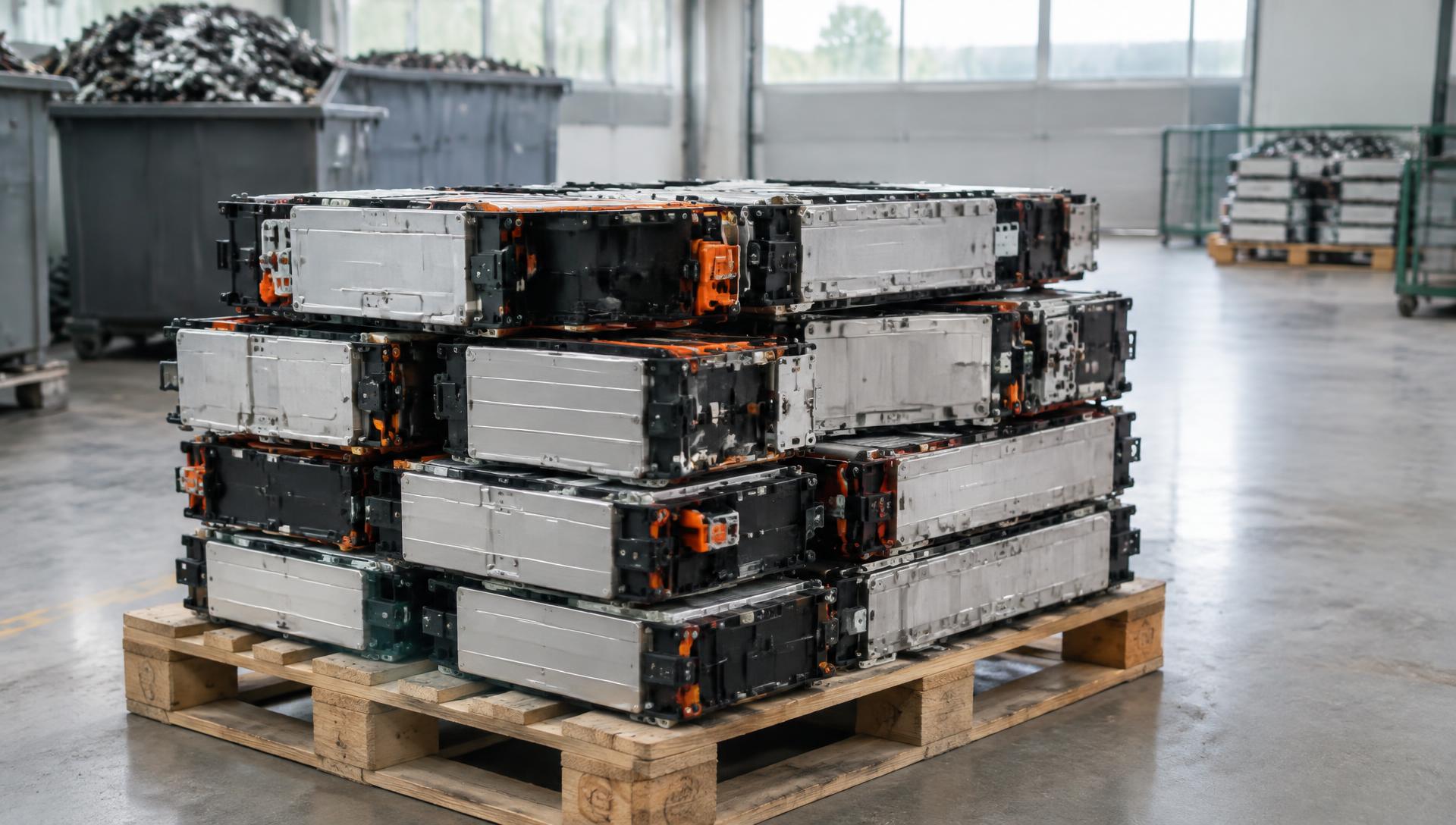
What happens to a home battery at the end of its life?
Extend first, recycle second, landfill never. Tesla's published end-of-life policy, and what to ask before you buy any battery.

Solar on an east-west facing roof
Ten to twenty per cent less per panel, twice the roof to use, and output across the whole working day. The plain answer for a building that doesn't face south.
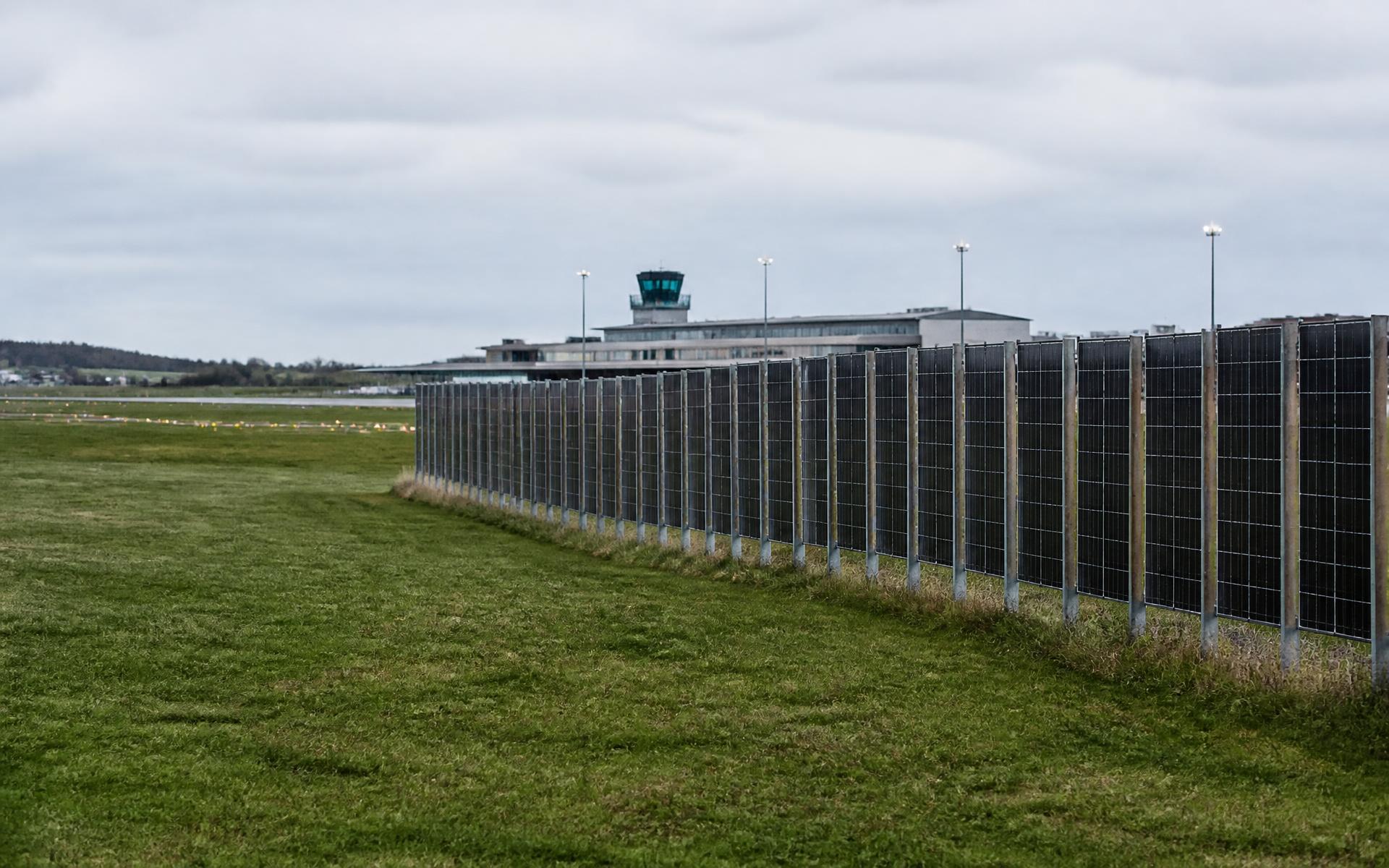
The best-defended solar site in Britain is behind an airport fence
Mown grass, kilometres of perimeter and a large continuous load next door. What an airport microgrid actually looks like.
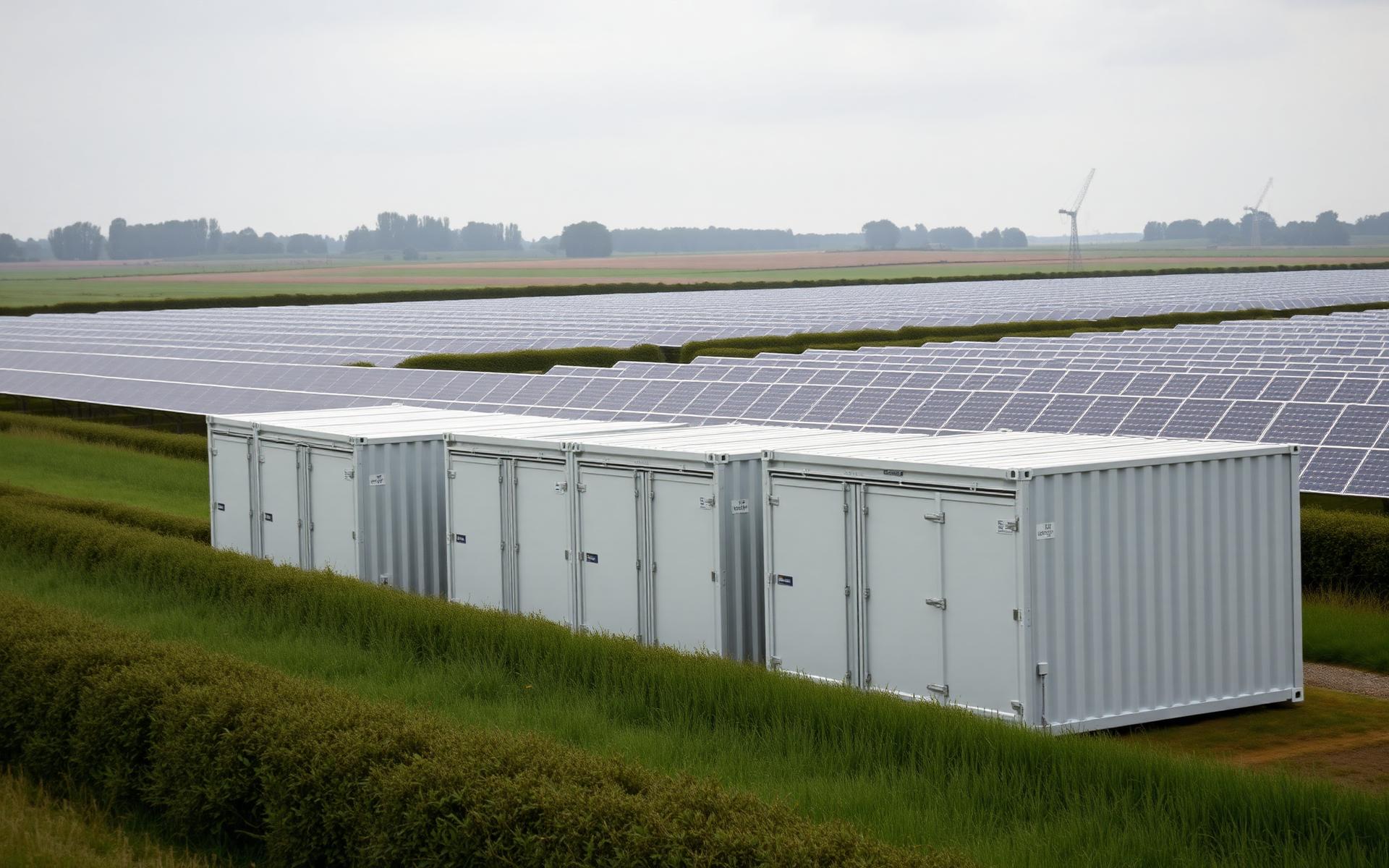
Use them where you make your own electrons
Serve the businesses next door over private wire, then let containerised compute eat whatever the grid won't take.

The eclipse and the grid
A predictable dive in national solar, a kettle surge on the other side, and a free rehearsal for every ordinary evening.
Why 1% of the UK is all we need
We don't have a land problem. We have a coordination problem.

Fragmented Funding
The capital is already there. It's just scattered across six different desks.

Powering the Future: Community Bonds
What if a community could keep the returns on its own infrastructure?
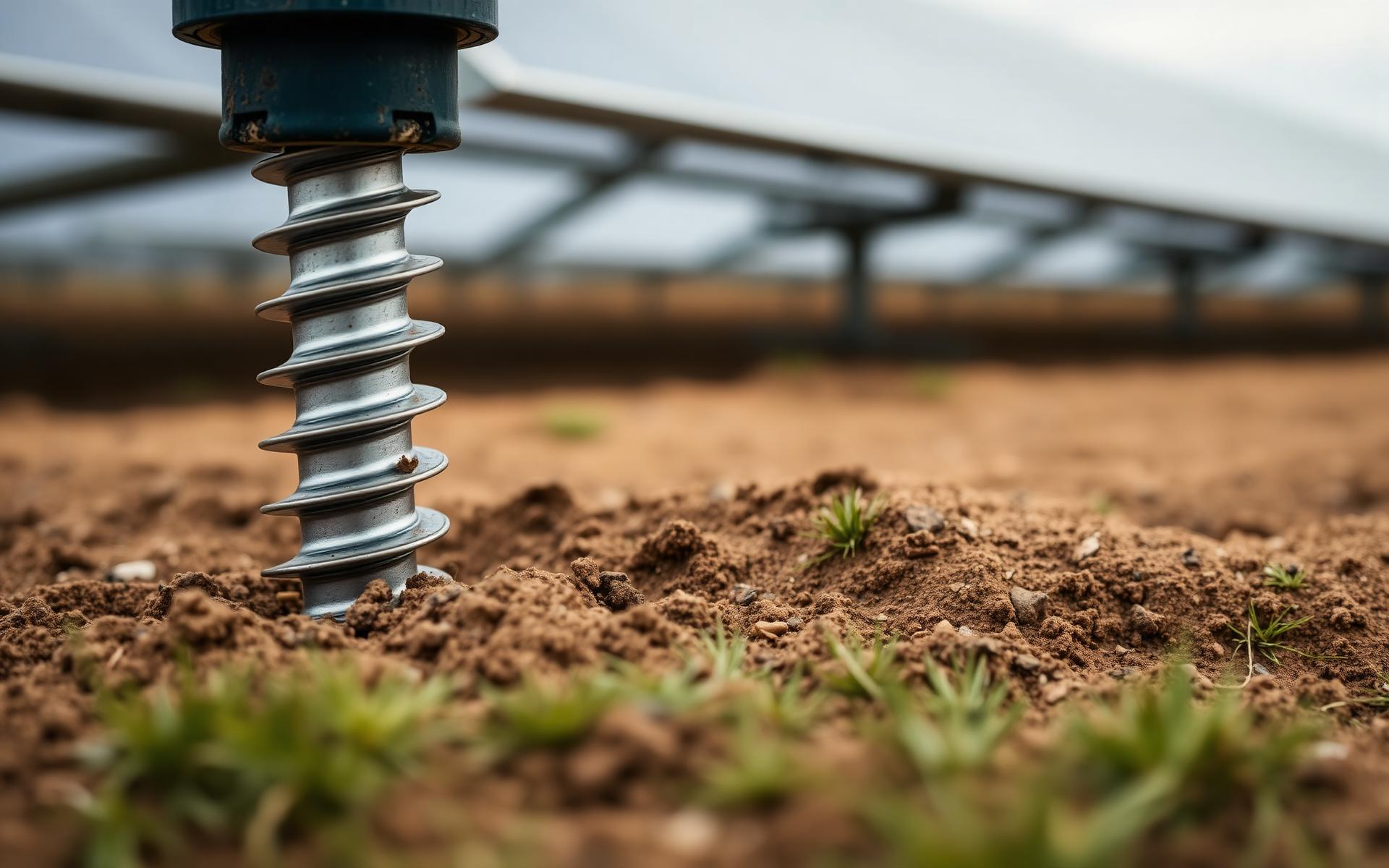
Why Ground Screws are the Future of UK Commercial Solar Farms
Time is capital. Earth is an asset. Concrete is a liability.
Local Net Zero: the support already on the table
Hubs, Accelerators, Great British Energy, the Community Fund, what's on offer, and how to find the door.
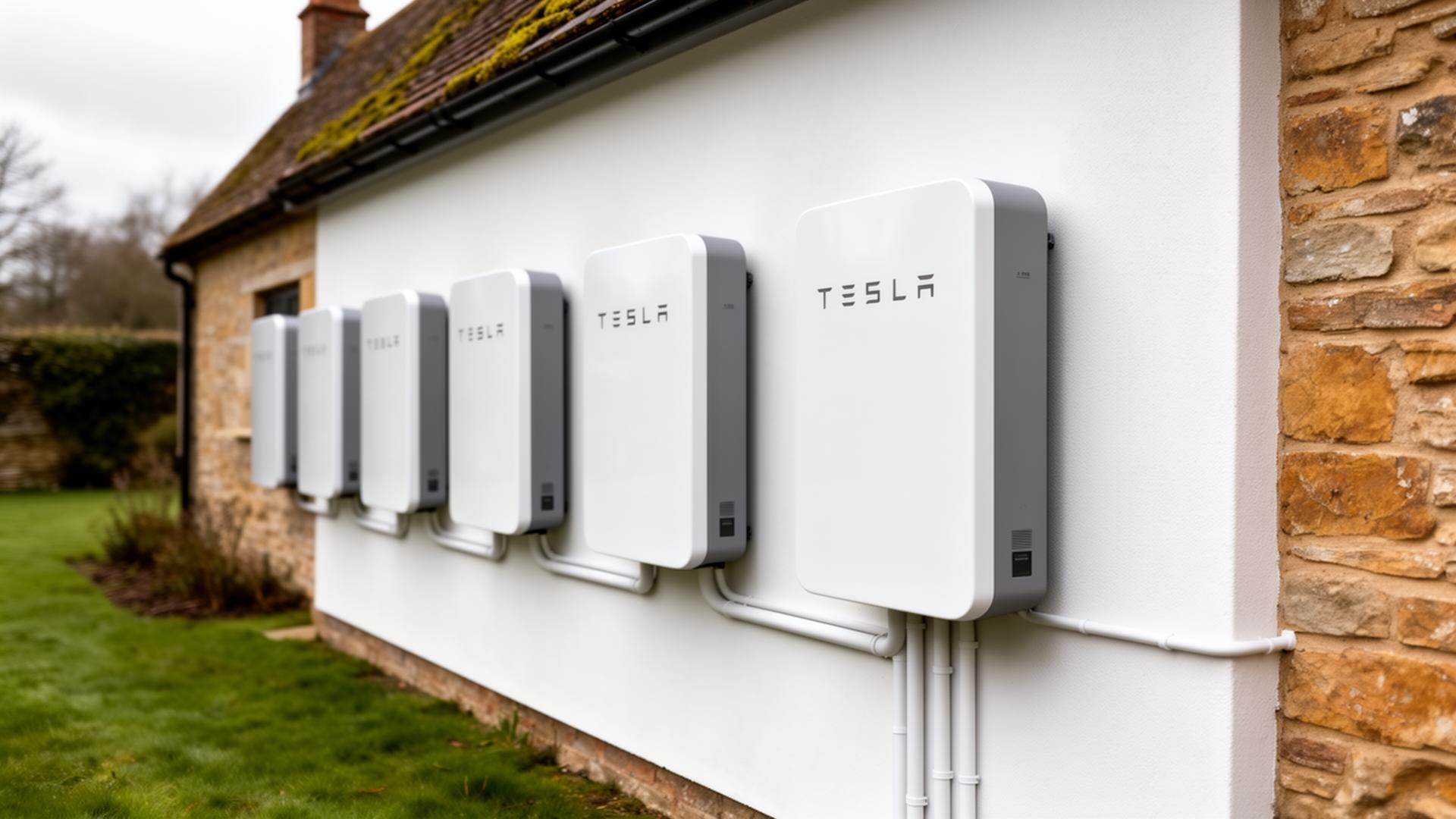
Global Quality, Local Installation
Why we install Tesla, and what a four-Powerwall replacement says about backing customers for decades.
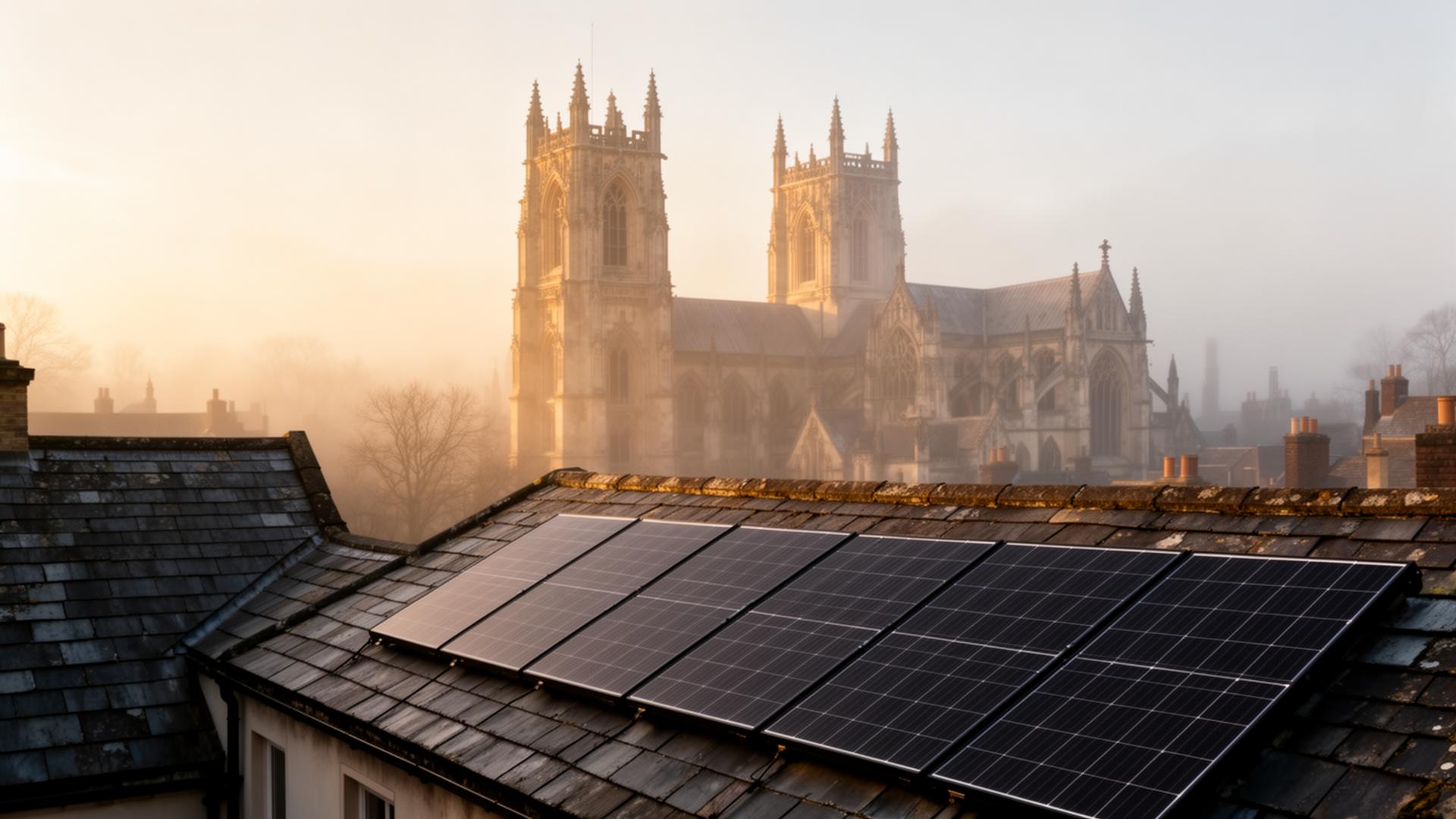
Let There Be Light: York Minster and the cathedral as civic leader
184 panels, £20,000 saved in six months, and a signal from the institution that has watched the British landscape the longest.

Shade as a Resource: agrivoltaics for British vineyards
What a 2018 Oregon study tells us, and what it doesn't, about putting solar above vines.
SEG, PPAs and the rise of symmetric pricing
Three layers for selling solar back to the grid, and a fourth idea that aligns the home with the system operator.
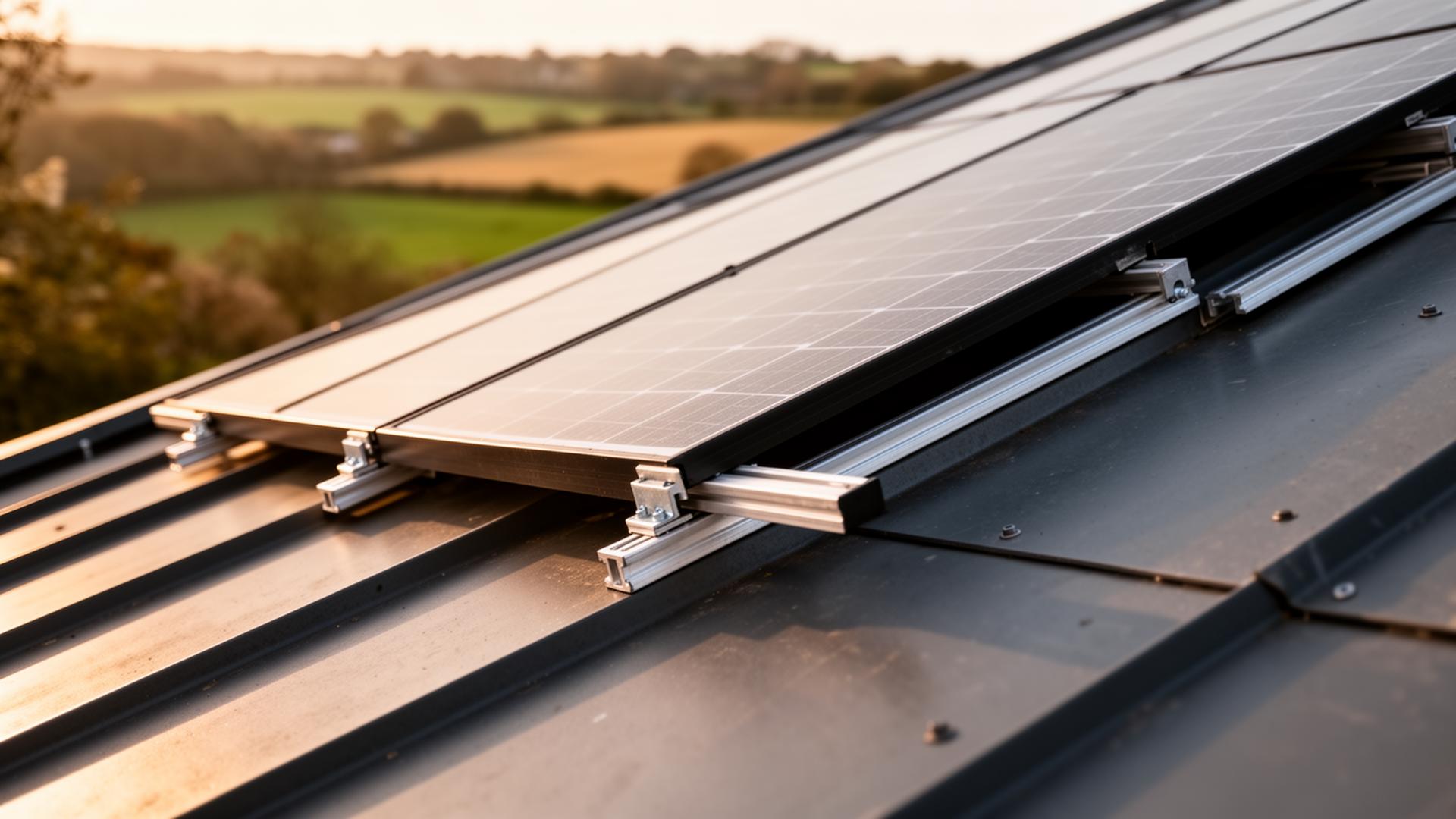
Mini Rails vs Long Rails
The mounting structure is the second-largest source of embodied carbon in a solar system. Two short profiles or one long one, it matters.
Playing the DNO: how to fast-track a slow connection
You can't choose your Distribution Network Operator. You can choose how you submit, and that is usually the whole game.
Biodiversity Net Gain: the 10% that changes the maths
Statutory BNG is now the law for almost every piece of development in England. For solar, it is an opportunity hiding inside an obligation.
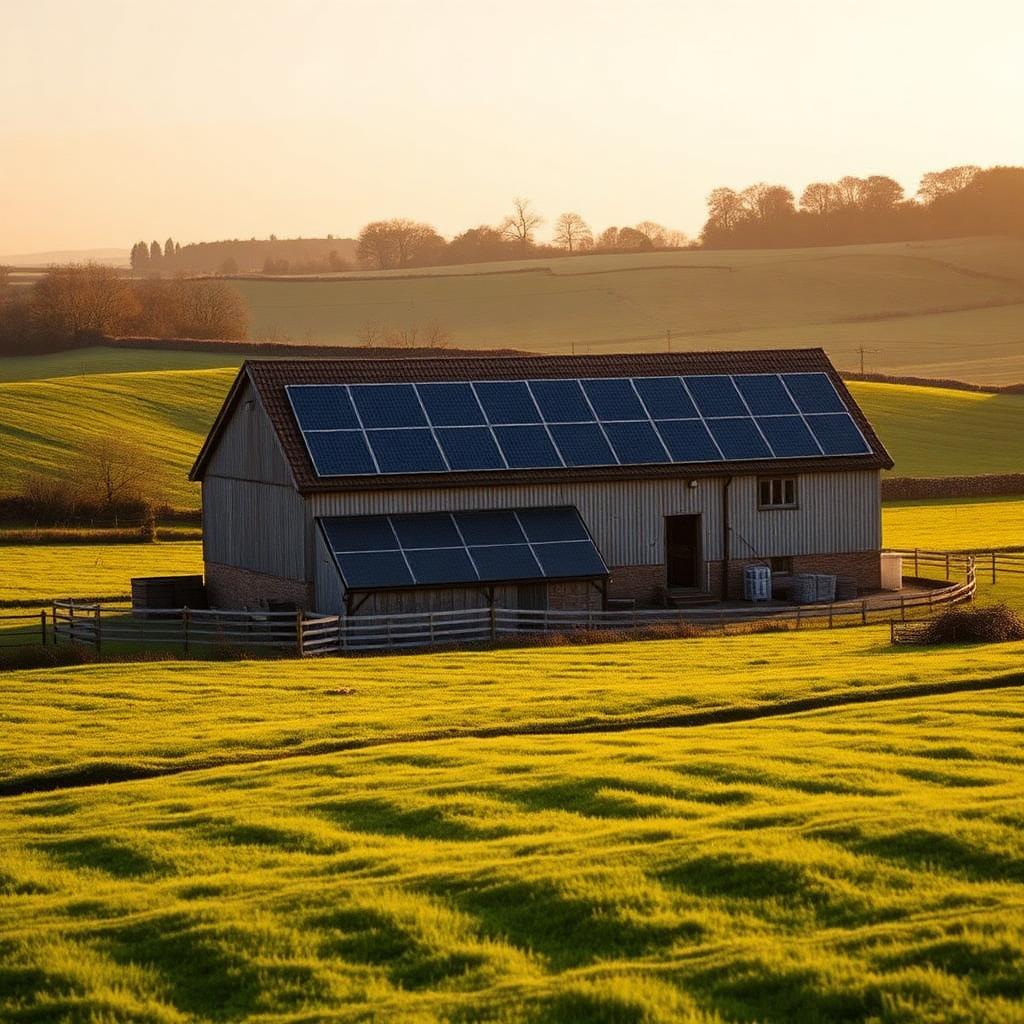
Reclaiming VAT on farm solar
Solar panels are plant and machinery. For most VAT-registered farms, that means the 20% input tax comes back, and capital allowances stack on top.
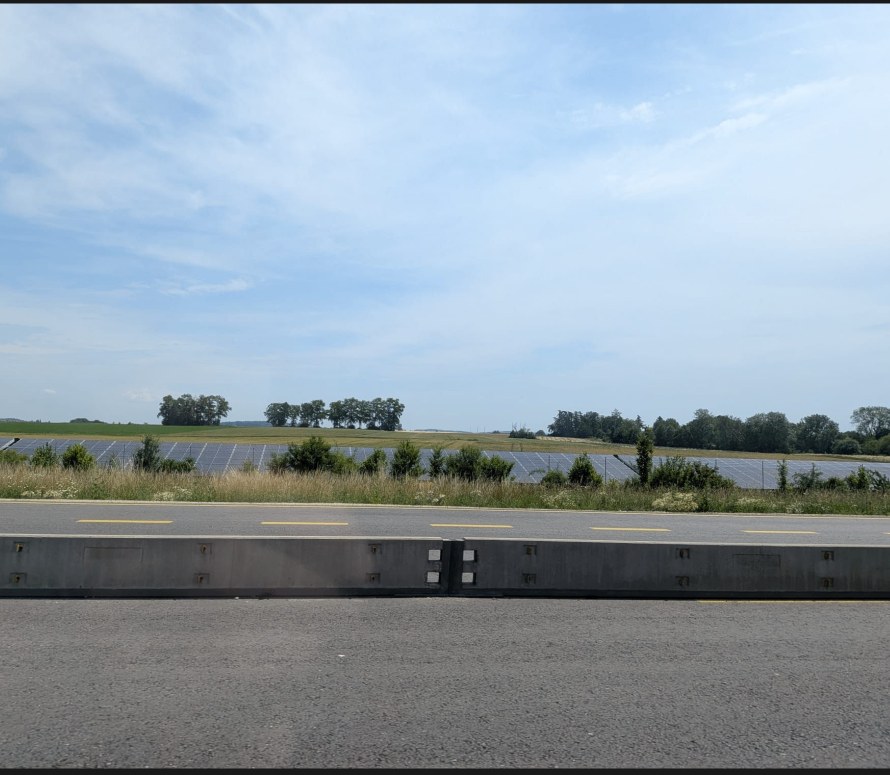
East-West arrays: the economics on constrained UK sites
Lower yield per panel, higher revenue per hectare. Why midday peaks are now a liability.

The hop garden that became a power station
977 kWp seven metres above a working hop garden. What Fraunhofer's HoPVen trial means for British growers, and what it doesn't yet prove.
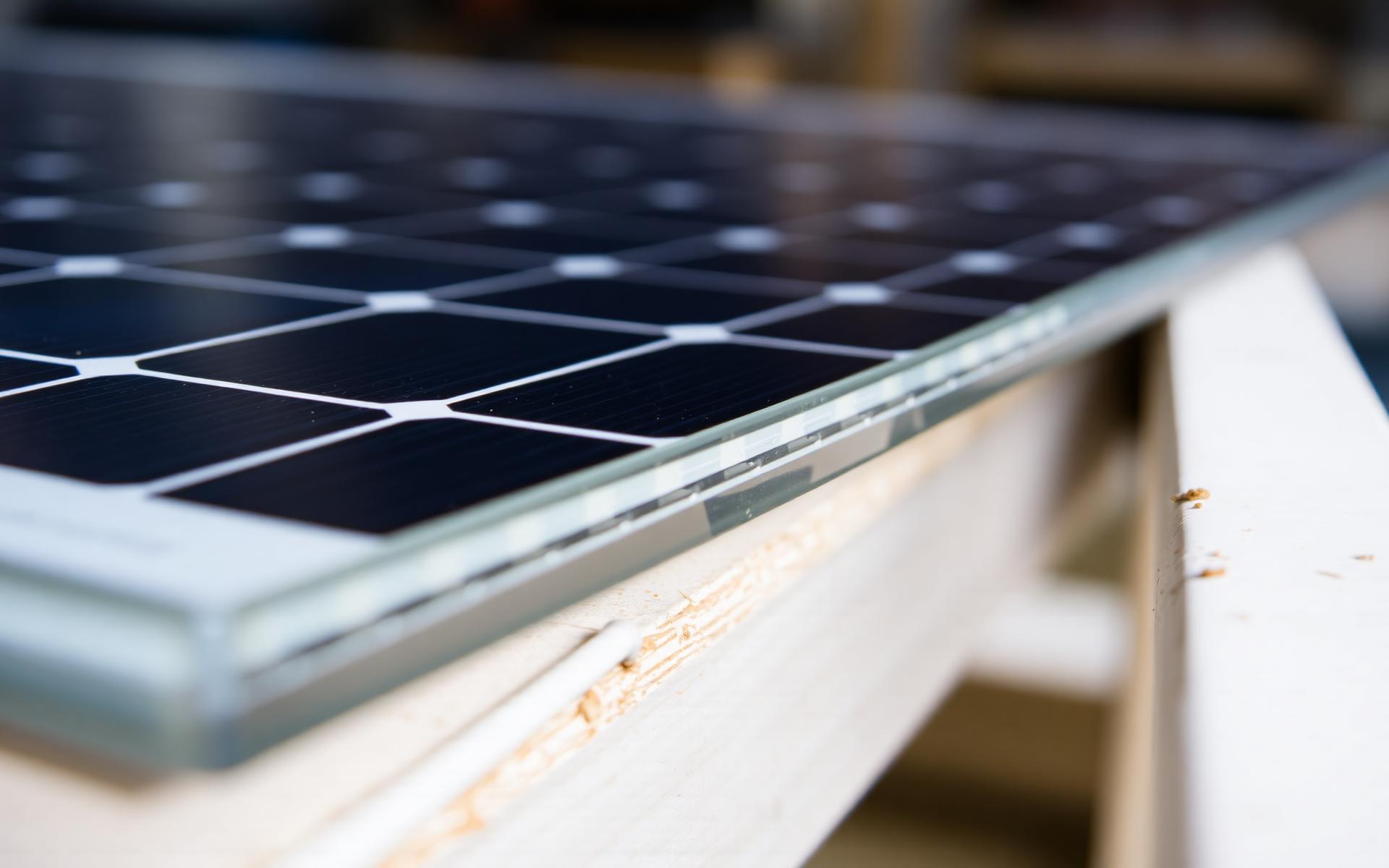
Should you wait for better panels?
Cadmium telluride is real, cheap at gigawatt scale and not sold to you. The choice on a British roof is which silicon, and why we specify glass-glass.
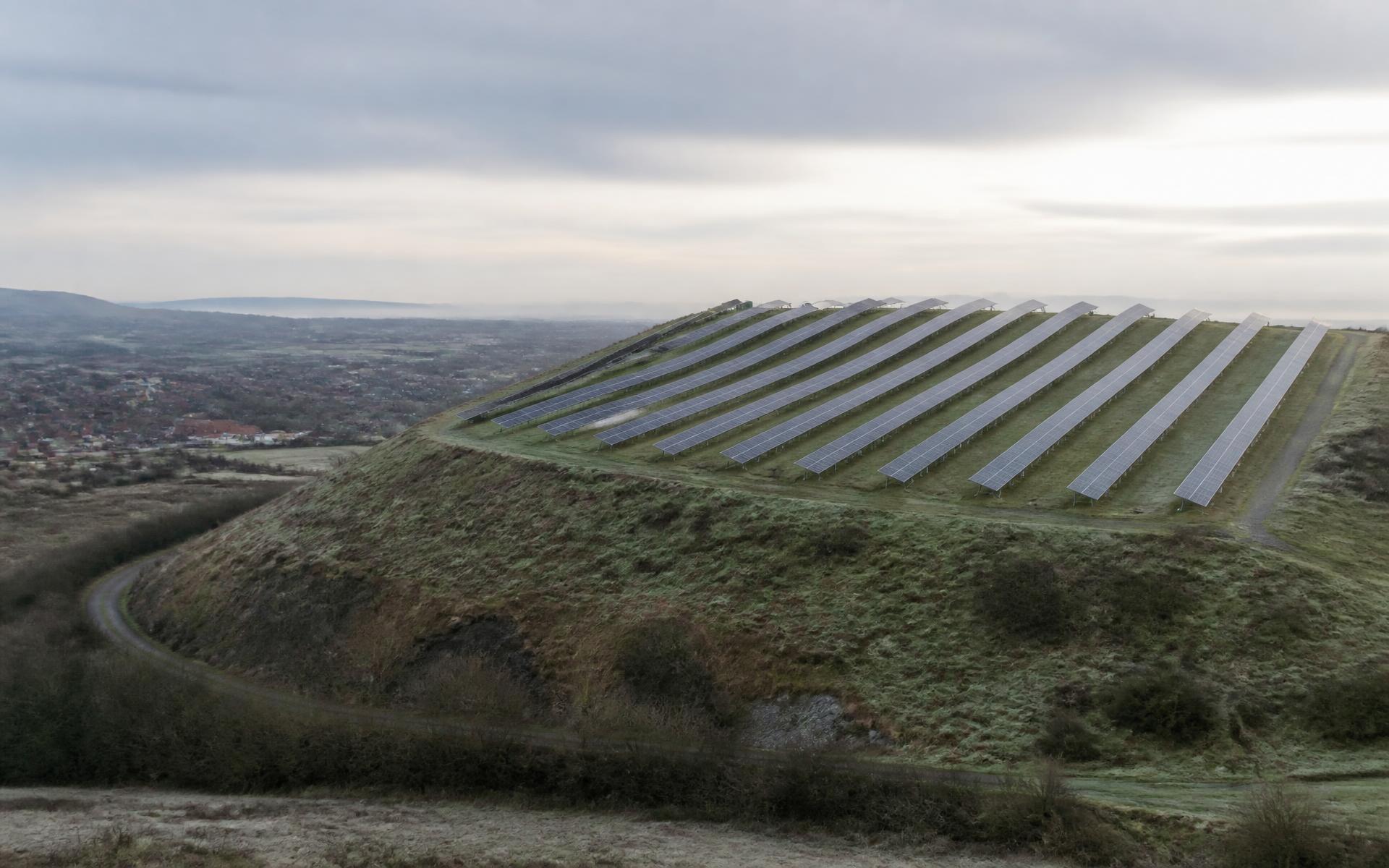
The hill made of rubbish that pays rent
New Haven put 1,900 panels on a capped landfill. Britain has twenty thousand of these hills and no policy pointing at one of them.