Shade as a Resource: what a 2018 Oregon study tells British vineyards.
Read this as a vineyard owner and a viticulture scientist at the same time, and the same paper says two different, but compatible, things.
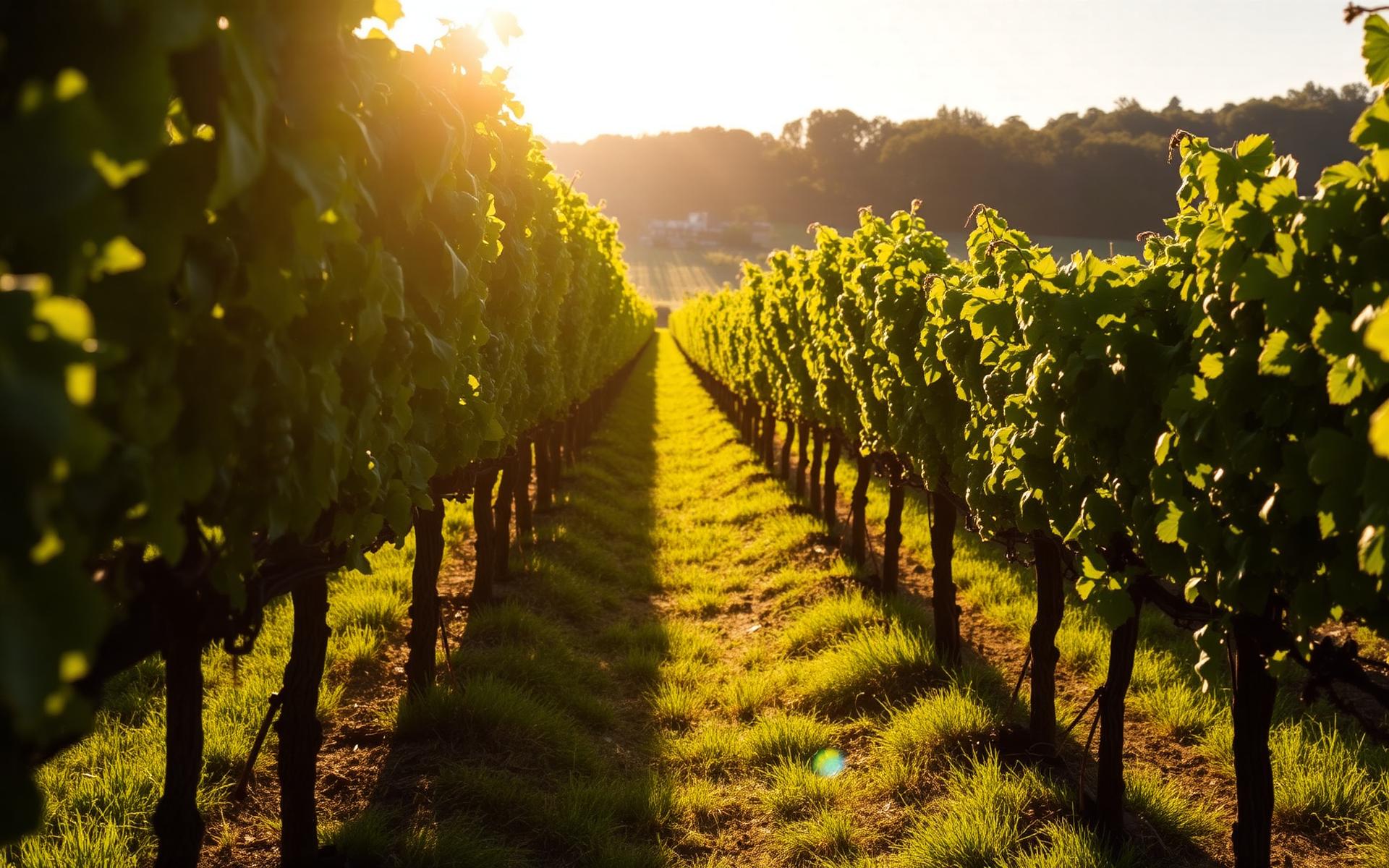
The 2018 Oregon State University agrivoltaics study is one of the most useful field datasets we have for designing overhead solar that lives above a working crop. Read it carefully and it offers several genuinely game-changing insights for vineyards, alongside one specific limitation that matters enormously if you're growing grapes rather than pasture grass.
1. The root depth vs. measurement depth issue
Soil moisture in the study was measured at 0.1m, 0.3m, and 0.5m. That's the critical detail.
The scientist's view: 0.5m captures the active zone for the pasture grasses studied. It cleanly supports the headline conclusion, shaded areas hold more moisture because evaporation from the upper soil layers is suppressed.
The vineyard owner's view: grapevines are much deeper-rooted than pasture grass, often reaching 2m to 5m as they hunt for water. So while the study's conclusion that agrivoltaics increase Water-Use Efficiency (WUE) is accurate for surface crops, it does not fully account for the deep-soil hydration high-vigour vines actually rely on.
Highly relevant for young vines (years 1–3). Less dramatic for mature vineyards. Still net-positive, just not as miraculous as the headline number.
2. Massive productivity gains in water-limited environments
The Solar Fully Covered (SFC) areas produced 90% more dry biomass than the controls.
Translated for a vineyard in the shires: Solarwatt Vision panels overhead don't only generate power. They quietly cut the irrigation demand during the heatwaves we now reliably get every summer.
3. The "Solar Excess" theory
The authors introduce a useful idea called Solar Excess.
Most plants reach a saturation point where they simply can't use any more light for photosynthesis. Light beyond that point doesn't grow the vine, it heats the leaf and pushes up its water demand.
Overhead solar harvests exactly that excess light: the photons the vine was never going to use anyway. Electricity comes off the top of the canopy; the vine stays inside its happy zone of light intensity.
4. Microclimate and wind protection
The study also recorded shifts in wind direction and lower wind speeds beneath the panels. High winds in open fields drive evapotranspiration, water lost straight off the leaf surface. The mounting structure for an overhead system acts as a low-grade windbreak and takes another bite out of the vine's water stress.
| Feature | Study finding | Viticulture scientist's note |
|---|---|---|
| Soil moisture | High retention in shaded areas. | Measured at 0.5m. Vine roots go much deeper. |
| Air temperature | Subtle differences vs. open sky. | Vertical "fence-style" panels behave differently for airflow than overhead arrays. |
| Water-Use Efficiency | Significant increase in WUE. | Ideal in dry years; may reduce useful "terroir stress" in wet ones. |
| Biomass | 90% increase in dry mass. | Indicates higher vigour, expect to prune more often. |
The takeaway
In a water-limited environment, the shade from solar panels is not a penalty, it is a supplemental resource that stabilises the crop. For a Berkshire vineyard that's now seeing one or two genuinely dry summers a decade, an overhead system is a way to protect the investment in your vines on exactly the years that used to ruin them.
The same structure that smooths out a heatwave for the vines spends the rest of the year quietly paying for itself in kilowatt-hours.
Our free Geological Foundation Suitability Tool pulls live British Geological Survey data for any UK postcode and tells you whether ground screws or helical piles are the right call beneath your rows, the first question to answer before any agrivoltaics design.
Two minutes, three questions. No sales calls unless you ask for one.
In short
A 2018 Oregon State study found partial shading can benefit some crops in hot, dry conditions by cutting water stress. British vineyards are cooler and light-limited, so the same result should not be assumed; the credible UK case for vineyard agrivoltaics is frost, hail and heat-spike protection rather than a yield uplift.
Common questions
Can you put solar panels over a vineyard?
Yes, on elevated or tracking structures above the rows, as French and Italian trials have done. In Britain the argument is not extra sunshine hours, which are already scarce, but protection: reducing frost risk, hail damage and heat spikes in the years those arrive.
Does shade help or harm grape vines?
In hot, dry regions partial shade cuts water stress and can improve fruit quality. In cool, light-limited Britain shade is more likely to cost ripeness, which is why the Oregon result should not be copied across without local trial data.
Is agrivoltaics worth it for a British vineyard?
The honest answer is that nobody has proved it here yet. The case worth testing is risk reduction plus an electricity bill that a winery, with its presses, chillers and cold stores, is well placed to consume on site.
Continue reading
All essays →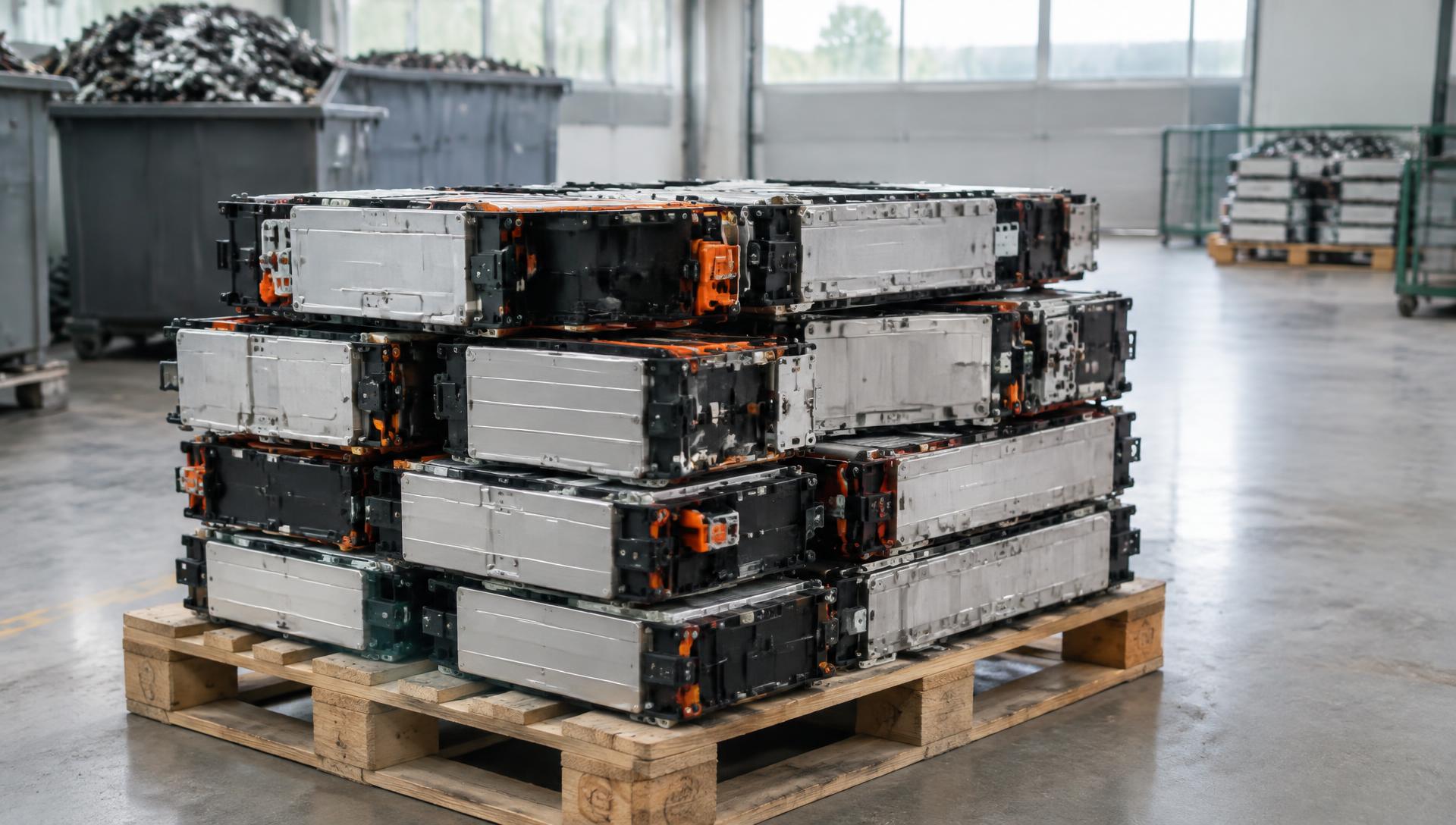
What happens to a home battery at the end of its life?
Extend first, recycle second, landfill never. Tesla's published end-of-life policy, and what to ask before you buy any battery.
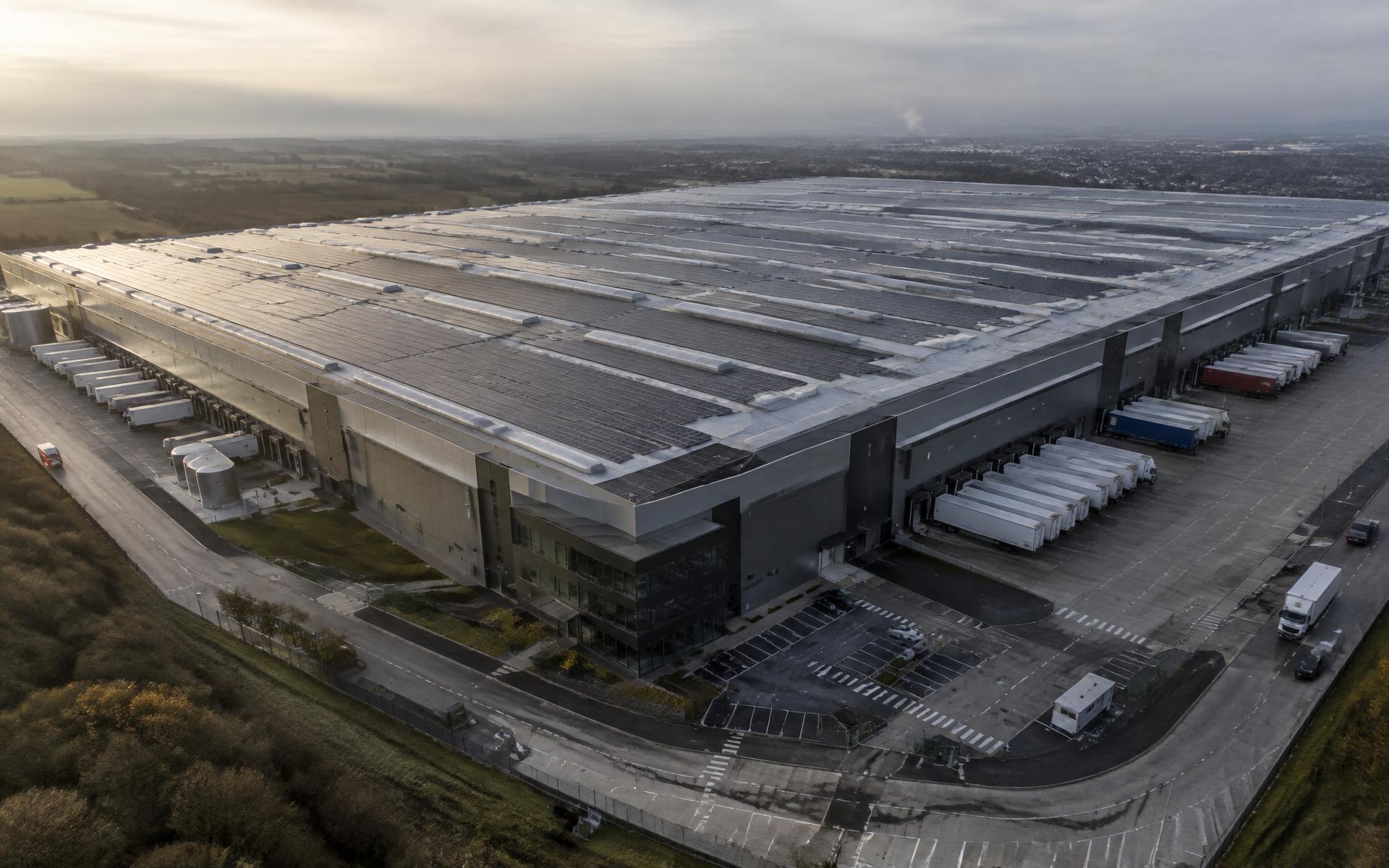
Solar on an east-west facing roof
Ten to twenty per cent less per panel, twice the roof to use, and output across the whole working day. The plain answer for a building that doesn't face south.
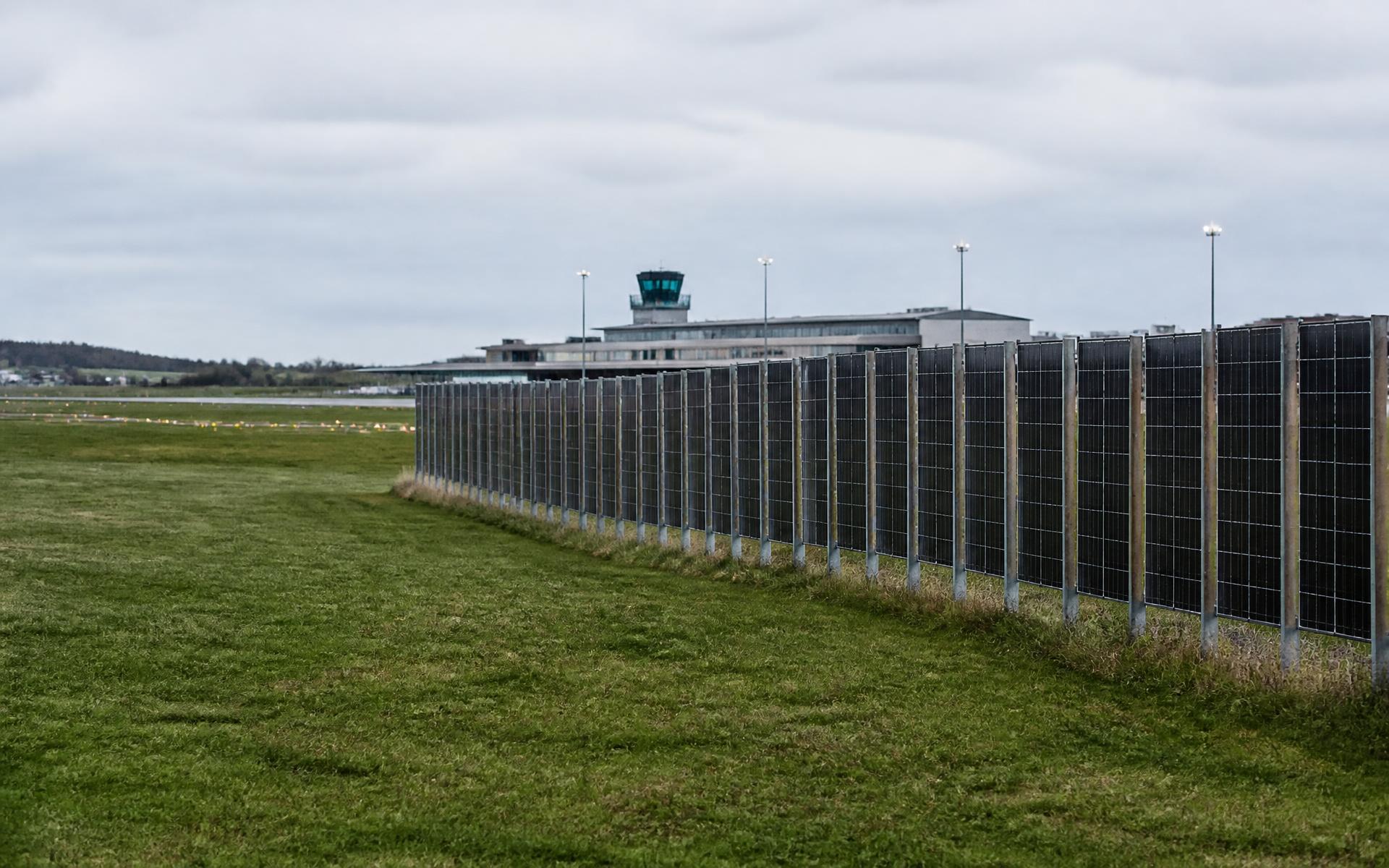
The best-defended solar site in Britain is behind an airport fence
Mown grass, kilometres of perimeter and a large continuous load next door. What an airport microgrid actually looks like.
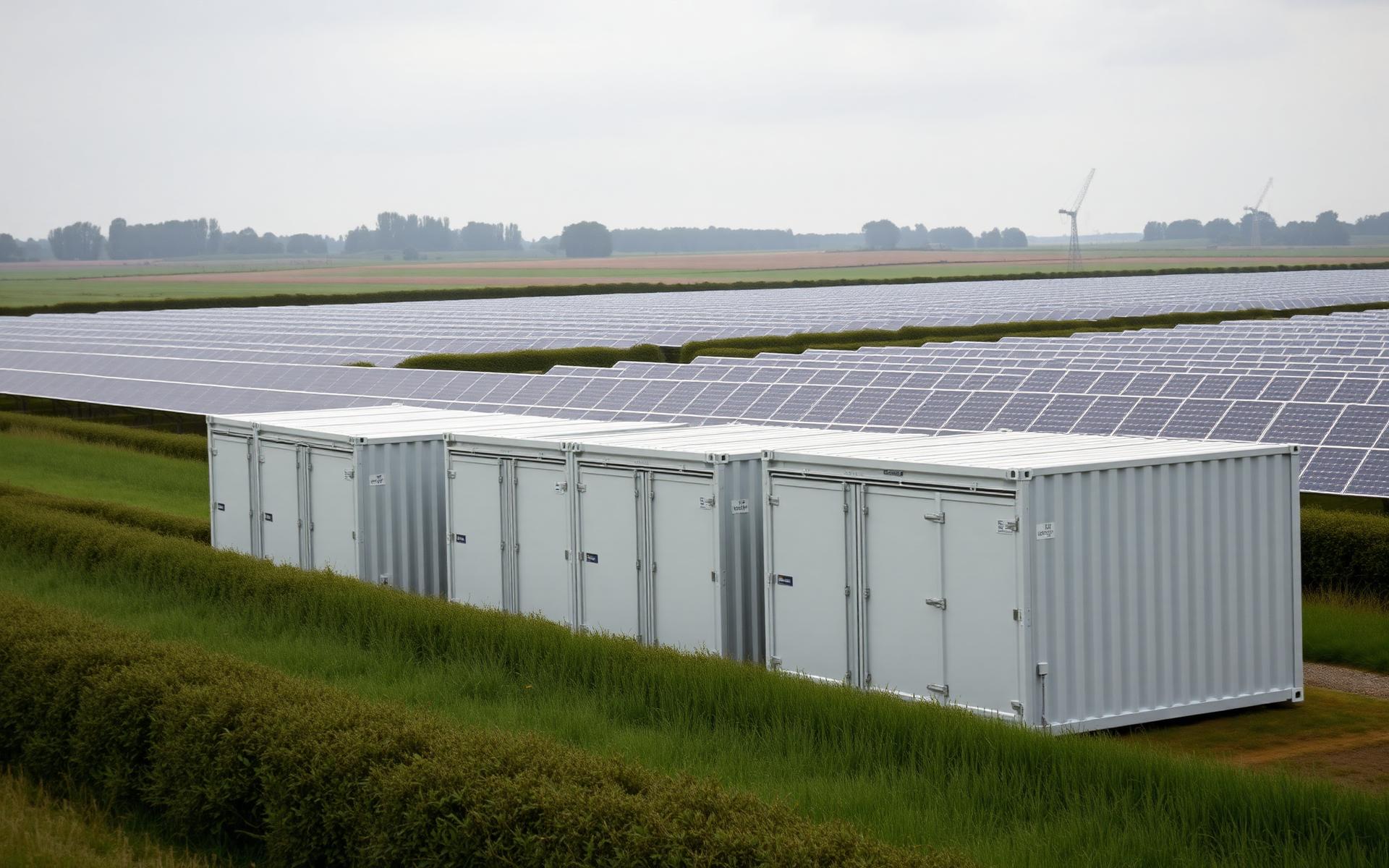
Use them where you make your own electrons
Serve the businesses next door over private wire, then let containerised compute eat whatever the grid won't take.

The eclipse and the grid
A predictable dive in national solar, a kettle surge on the other side, and a free rehearsal for every ordinary evening.
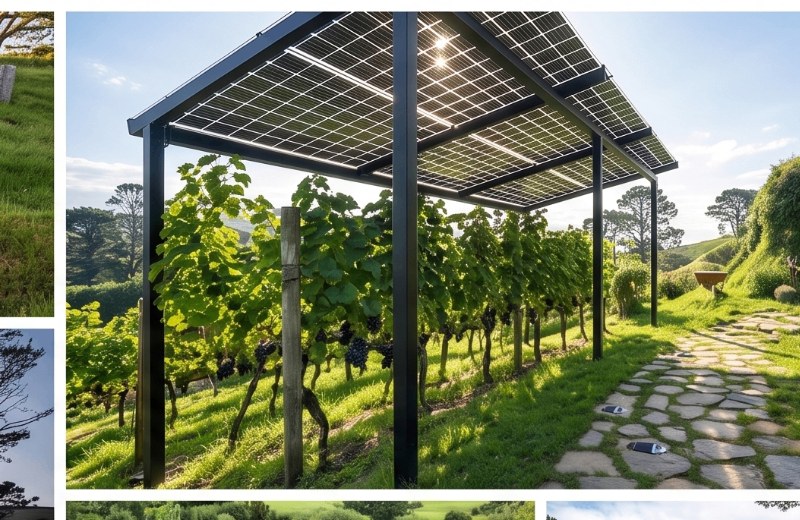
Why 1% of the UK is all we need
We don't have a land problem. We have a coordination problem.

Fragmented Funding
The capital is already there. It's just scattered across six different desks.

Powering the Future: Community Bonds
What if a community could keep the returns on its own infrastructure?
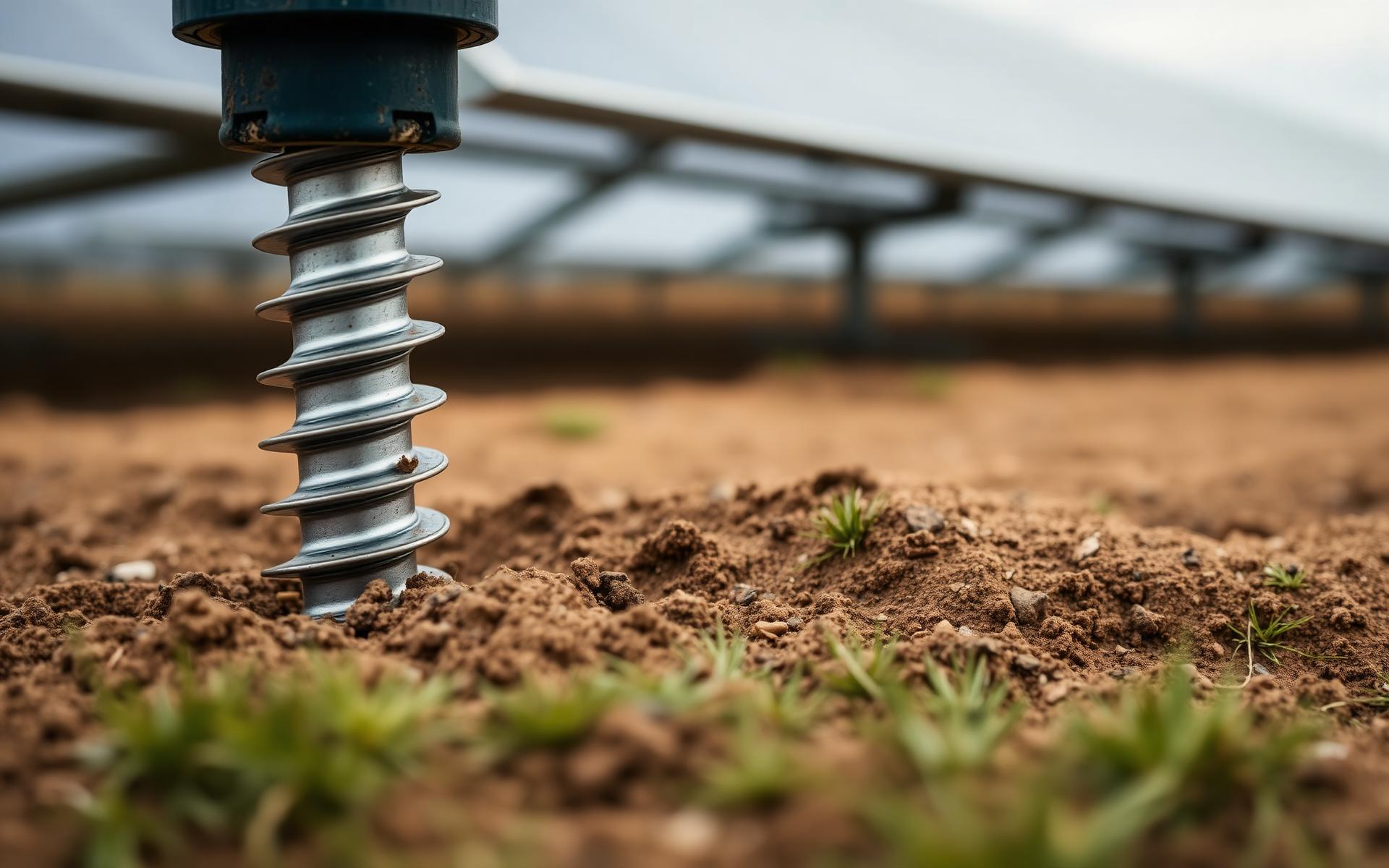
Why Ground Screws are the Future of UK Commercial Solar Farms
Time is capital. Earth is an asset. Concrete is a liability.
Local Net Zero: the support already on the table
Hubs, Accelerators, Great British Energy, the Community Fund, what's on offer, and how to find the door.
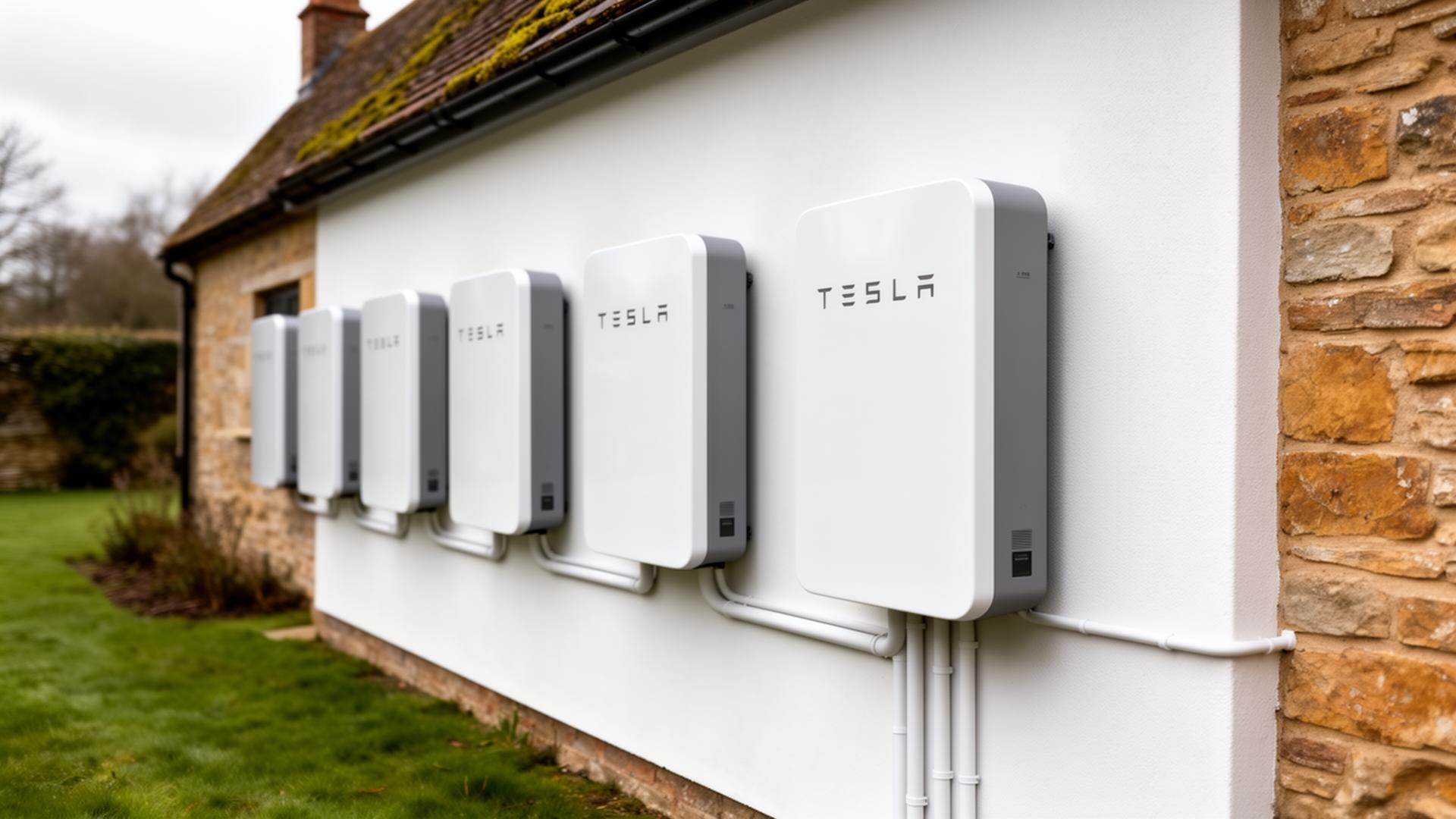
Global Quality, Local Installation
Why we install Tesla, and what a four-Powerwall replacement says about backing customers for decades.

The Evolution of Work: From Watt to Joule
Joule gave the scientific 'why' to the practical 'how' Watt had already commercialized, and that's why your bill is in kWh.
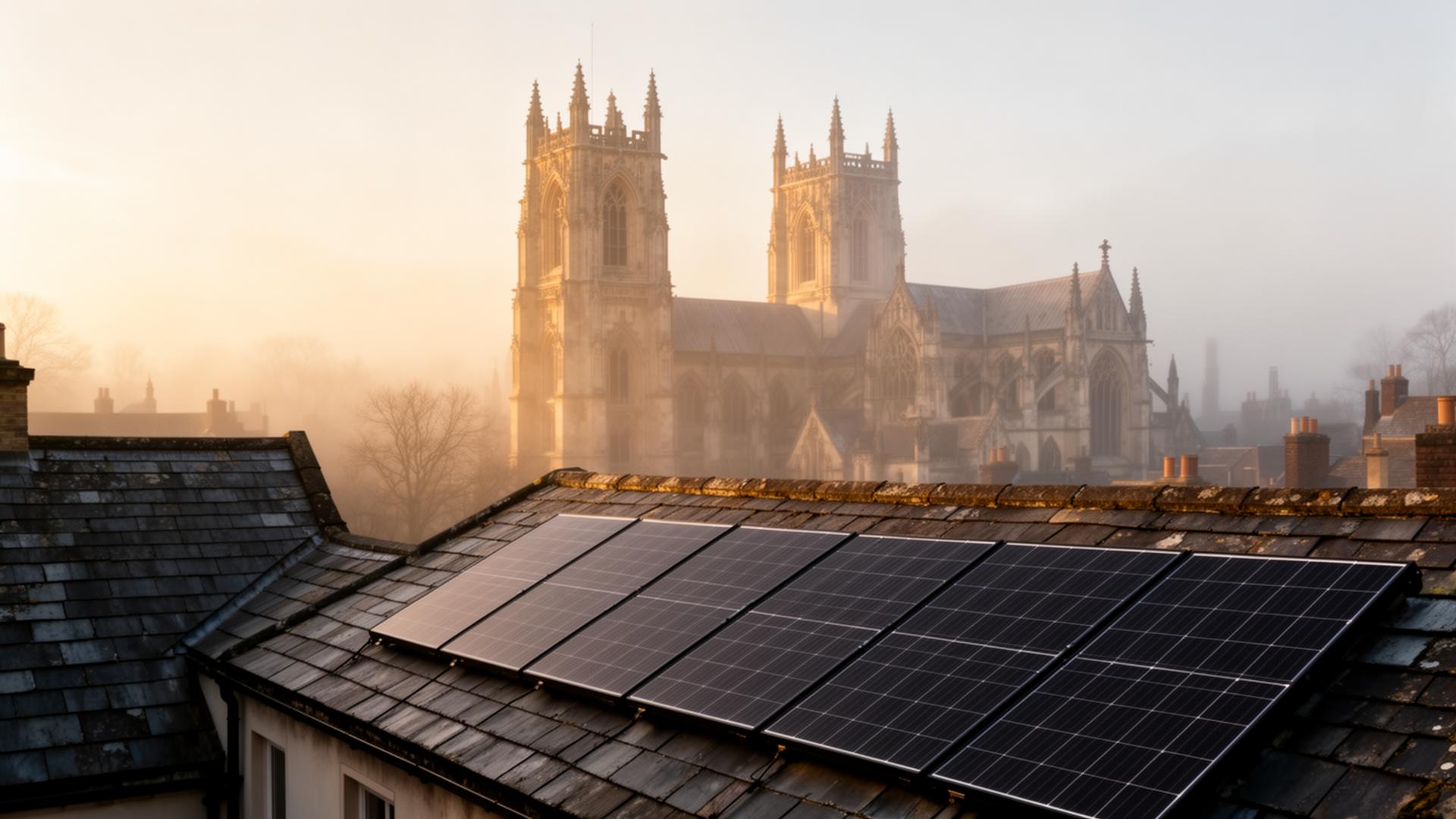
Let There Be Light: York Minster and the cathedral as civic leader
184 panels, £20,000 saved in six months, and a signal from the institution that has watched the British landscape the longest.
SEG, PPAs and the rise of symmetric pricing
Three layers for selling solar back to the grid, and a fourth idea that aligns the home with the system operator.
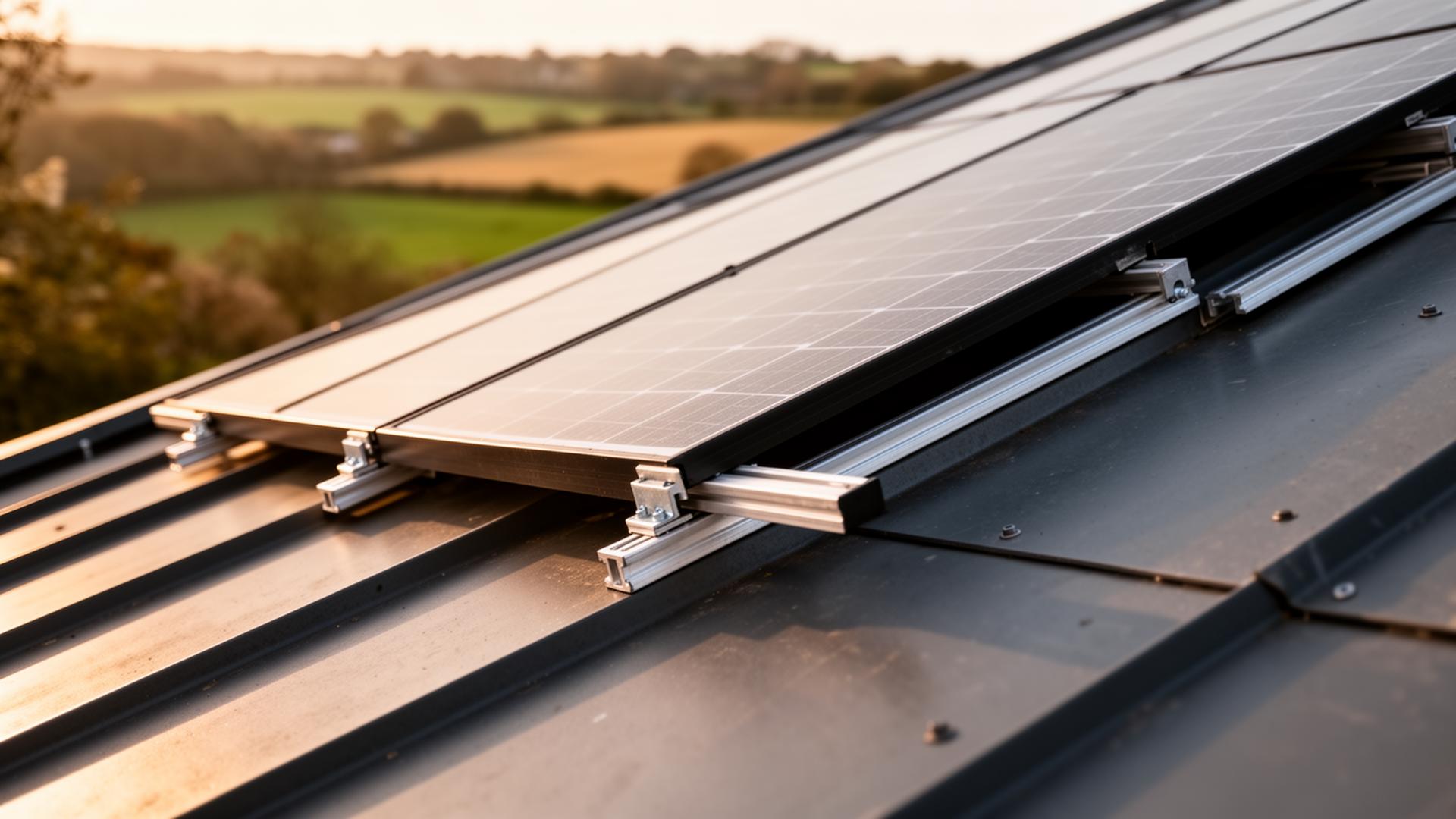
Mini Rails vs Long Rails
The mounting structure is the second-largest source of embodied carbon in a solar system. Two short profiles or one long one, it matters.
Playing the DNO: how to fast-track a slow connection
You can't choose your Distribution Network Operator. You can choose how you submit, and that is usually the whole game.
Biodiversity Net Gain: the 10% that changes the maths
Statutory BNG is now the law for almost every piece of development in England. For solar, it is an opportunity hiding inside an obligation.
Reclaiming VAT on farm solar
Solar panels are plant and machinery. For most VAT-registered farms, that means the 20% input tax comes back, and capital allowances stack on top.
East-West arrays: the economics on constrained UK sites
Lower yield per panel, higher revenue per hectare. Why midday peaks are now a liability.
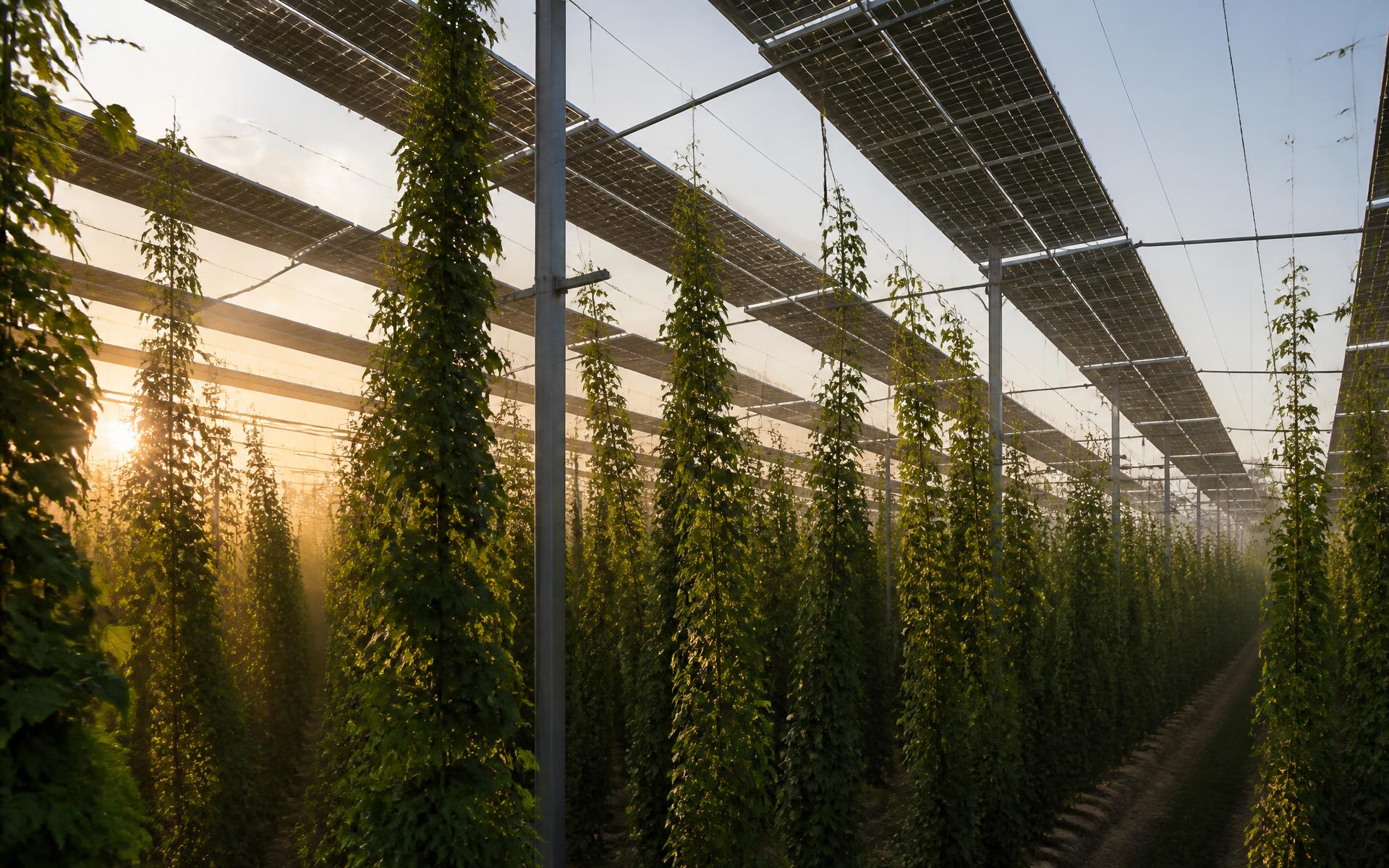
The hop garden that became a power station
977 kWp seven metres above a working hop garden. What Fraunhofer's HoPVen trial means for British growers, and what it doesn't yet prove.
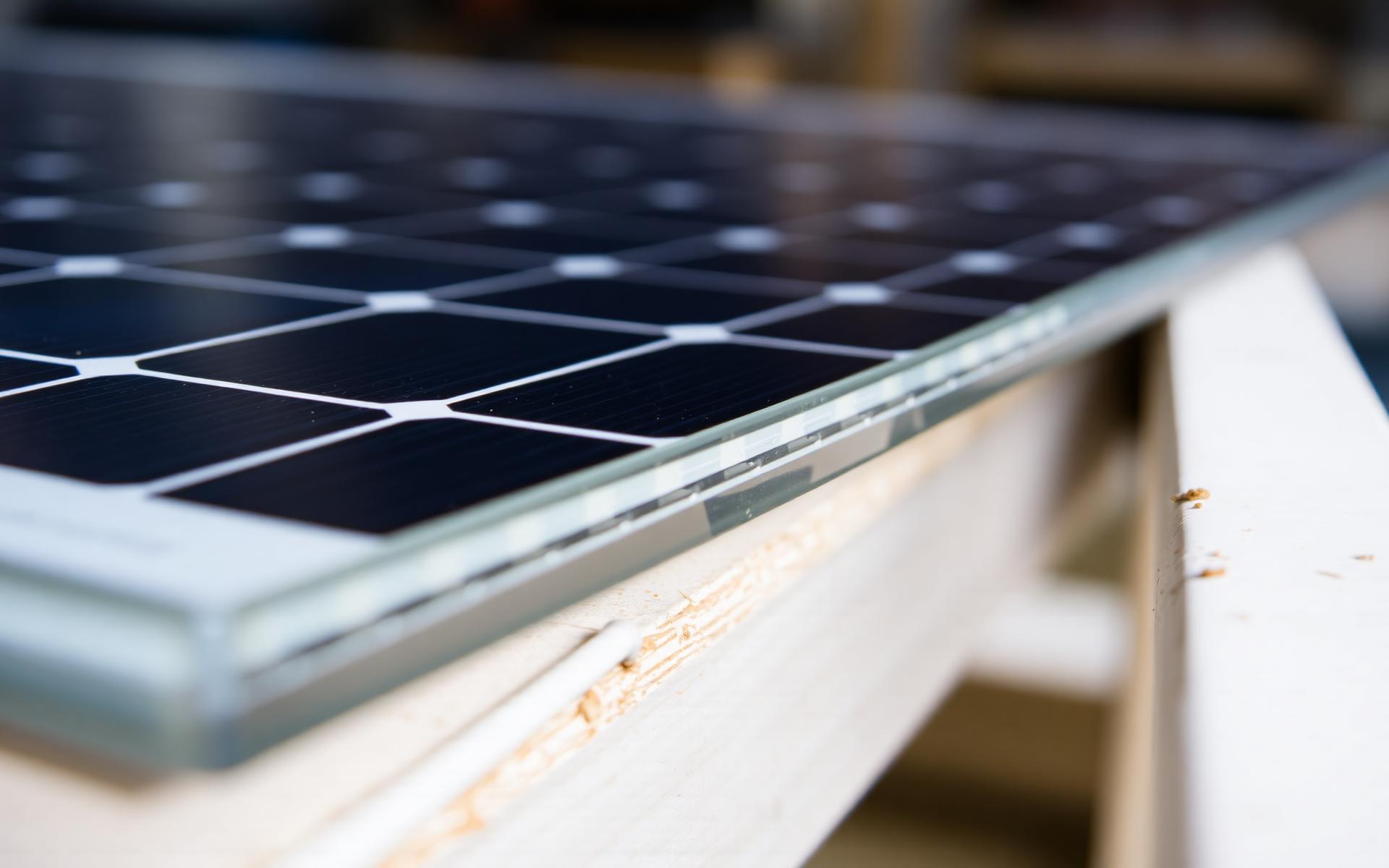
Should you wait for better panels?
Cadmium telluride is real, cheap at gigawatt scale and not sold to you. The choice on a British roof is which silicon, and why we specify glass-glass.
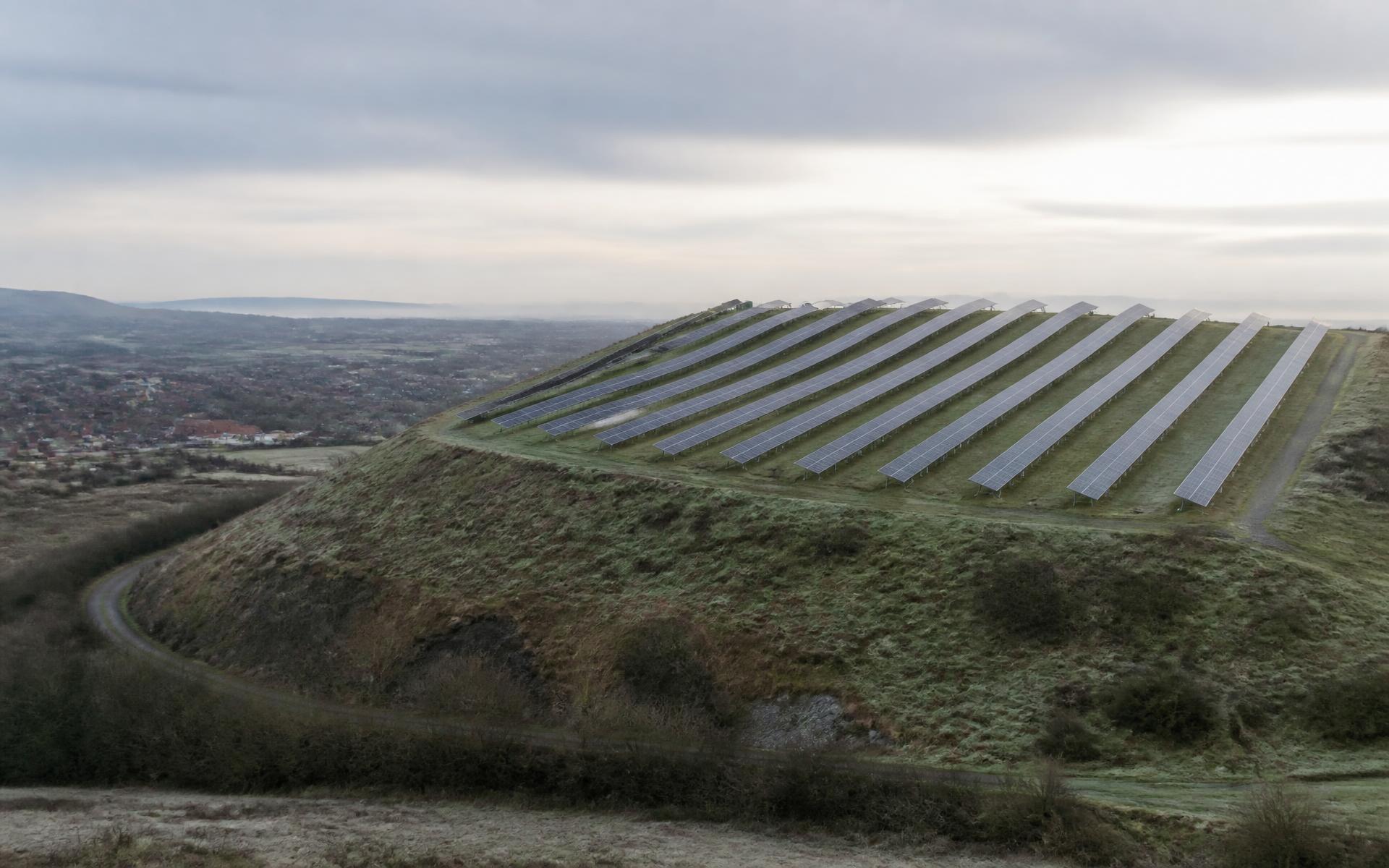
The hill made of rubbish that pays rent
New Haven put 1,900 panels on a capped landfill. Britain has twenty thousand of these hills and no policy pointing at one of them.