Local Net Zero: the support already on the table.
Hubs, Accelerators, Great British Energy, the Community Fund, what's actually on offer, and how to find the door.
If you run a parish council, sit on a community energy committee, or just want your village hall to stop bleeding money on standing charges, here's the news that hasn't reached you yet: the central government has assembled a surprisingly broad scaffolding of support for local net zero work. It's not advertised well, and it's spread across half a dozen agencies, but the money, and more importantly the expertise, is real.
This is a plain-English summary of the official DESNZ guidance published by the Department for Energy Security & Net Zero, with every link you need in one place.
The five Local Net Zero Hubs
The most useful thing the government has done in this space, quietly, is to fund five regional Hubs whose entire job is to help local authorities and community groups develop net zero projects and attract commercial investment. They are free to talk to. Find yours:
- North East and Yorkshire Local Net Zero Hub
- North West Local Net Zero Hub
- Midlands Local Net Zero Hub
- South West Local Net Zero Hub
- South East (Greater South East) Local Net Zero Hub
Great British Energy
Great British Energy is the new publicly-owned body set up to put public capital behind clean power. For local areas, two of its programmes matter most:
- Mayoral Renewables Scheme, a £10 million fund supporting Mayoral Combined Authorities and the Greater London Authority to roll out local renewable projects.
- Great British Energy Community Fund, a £5 million grant scheme for community-led clean power projects. It continues the work of the previous Community Energy Fund and is administered through the five Hubs above.
The £19m Local Net Zero Accelerator
The Local Net Zero Accelerator Programme is a £19m pilot designed to test whether local government can attract commercial investment for green growth at scale. Three strands:
- Two Accelerators in Greater Manchester and the West Midlands, bundling projects together to attract long-term private investment.
- A City Leap Replicator in York and North Yorkshire, testing whether the Bristol City Leap model can be replicated faster and more cheaply.
- A Local Net Zero Finance Support Service, giving the pilot areas access to specialist financial skills.
Net Zero Go
Net Zero Go is the online platform funded by government to give councils practical, peer-tested information on how to develop locally focused net zero projects. If you've ever sat in a council meeting where someone asked "but how do other places actually do this?", this is the answer.
Community energy
Government continues to recognise community groups as serious players. Beyond the new Community Fund, the longer-running Community Energy Fund (2023–2025) has already supported a long list of projects, see the February 2025 project list for the kind of work that has cleared the bar.
Two standing forums shape the policy conversation:
- Local Net Zero Delivery Group, for councils.
- Community Energy Contact Group, for community organisations.
Background reading
- Clean Power 2030 Action Plan
- Great British Energy: what we will do
- Great British Energy to cut bills for hospitals and schools
What this means in practice
For a council or community group considering its first solar project, the route is usually the same: start with your regional Hub (free advice, route to the Community Fund), use Net Zero Go for technical templates, and, when you have a viable project, talk to a delivery partner who can build the thing properly and stay around to prove it's working.
That last bit is where we come in. Shires Energy designs, installs and maintains commercial-grade solar for the kind of buildings that already exist in every parish: village halls, community centres, school roofs, farm sheds, light-industrial units. We're happy to sit on a Zoom with a clerk or a chair of trustees and walk through what a Hub conversation should sound like before you have it.
Book a 30-minute call. We'll help you map the funding landscape against your buildings.
Two minutes, three questions. No sales calls unless you ask for one.
In short
Central government support for local net zero work exists but is scattered: regional Net Zero Hubs give free advice, the Local Net Zero Accelerator pilots commercial investment models, Great British Energy's Community Fund offers capital, and Net Zero Go publishes peer-tested templates. The usual first step is the regional Hub.
Common questions
What funding is available for community energy projects in the UK?
Great British Energy's Community Fund offers capital for locally owned generation, regional Net Zero Hubs give free development advice, and the Local Net Zero Accelerator pilots investment models with local authorities. Most projects also blend grants with community share offers or bonds.
What is a Net Zero Hub?
A regional body, funded by central government, that gives free technical and development support to local authorities and community groups on energy projects. It is the usual first door to knock on, because it costs nothing and it knows which of the other schemes is currently open.
How does a parish or town council start a solar project?
Contact the regional Net Zero Hub, establish which buildings or land the council actually controls, get a half-hourly consumption picture for those buildings, then test grid capacity. Funding conversations go far better once those three answers exist.
Continue reading
All essays →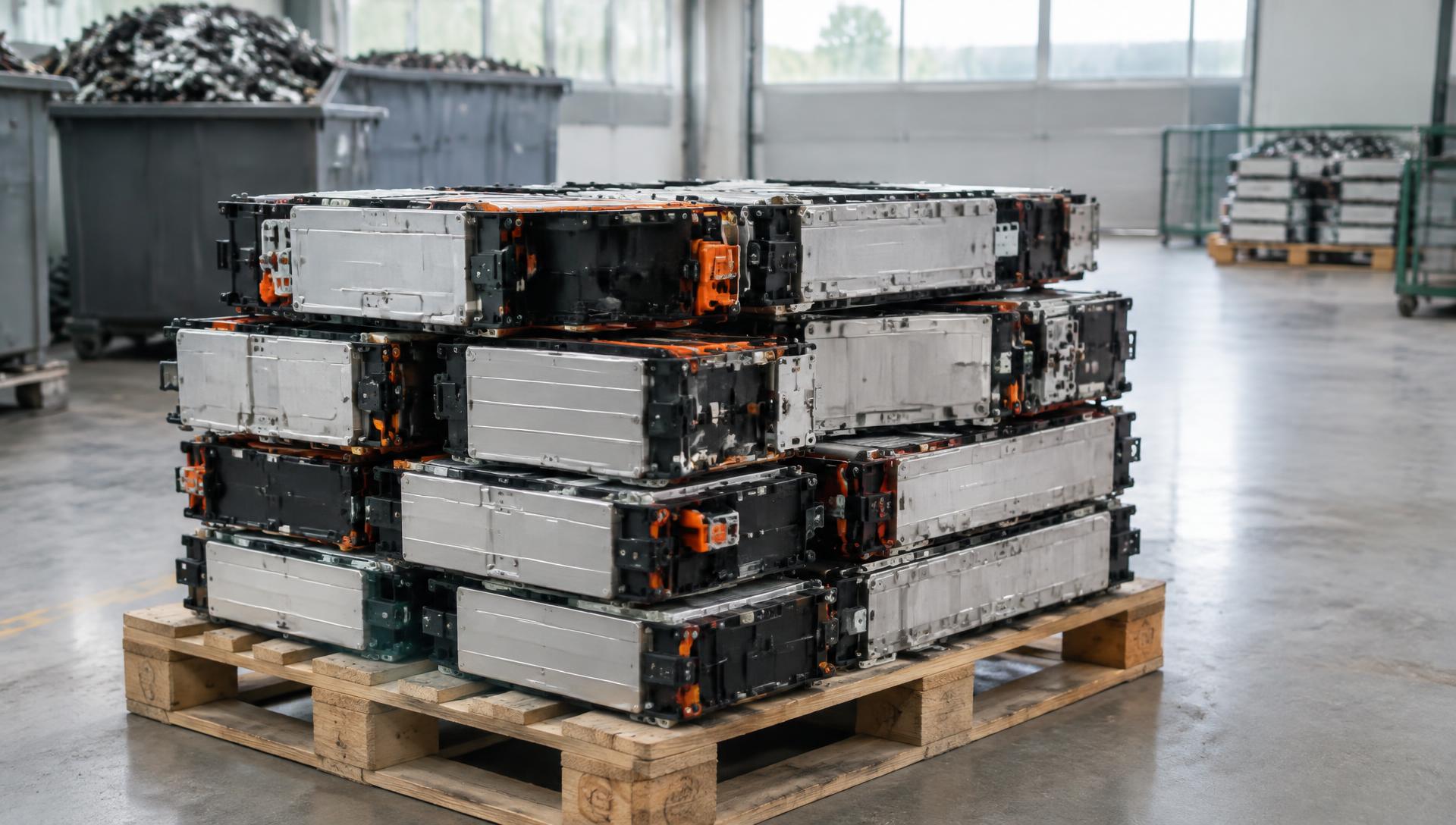
What happens to a home battery at the end of its life?
Extend first, recycle second, landfill never. Tesla's published end-of-life policy, and what to ask before you buy any battery.
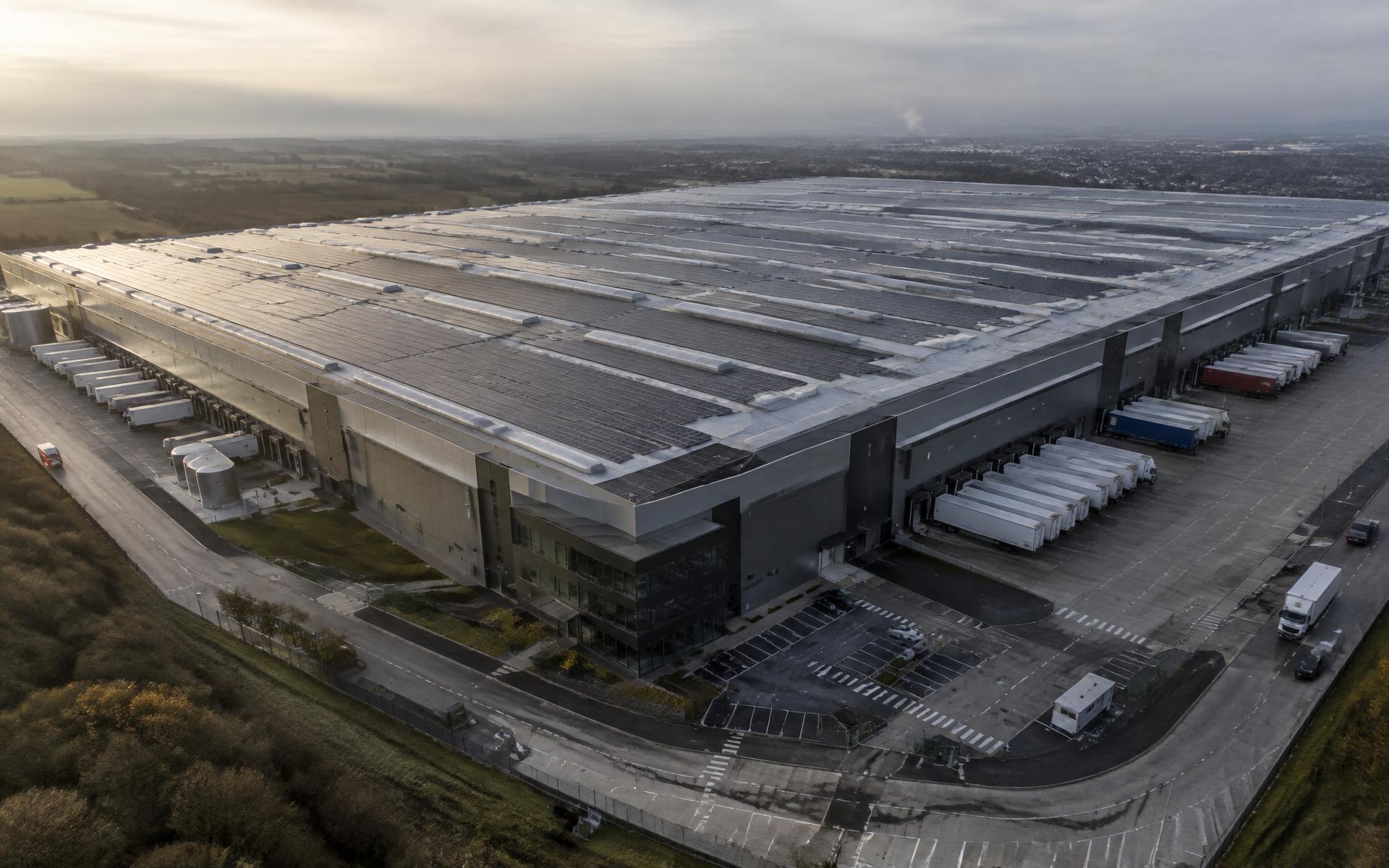
Solar on an east-west facing roof
Ten to twenty per cent less per panel, twice the roof to use, and output across the whole working day. The plain answer for a building that doesn't face south.
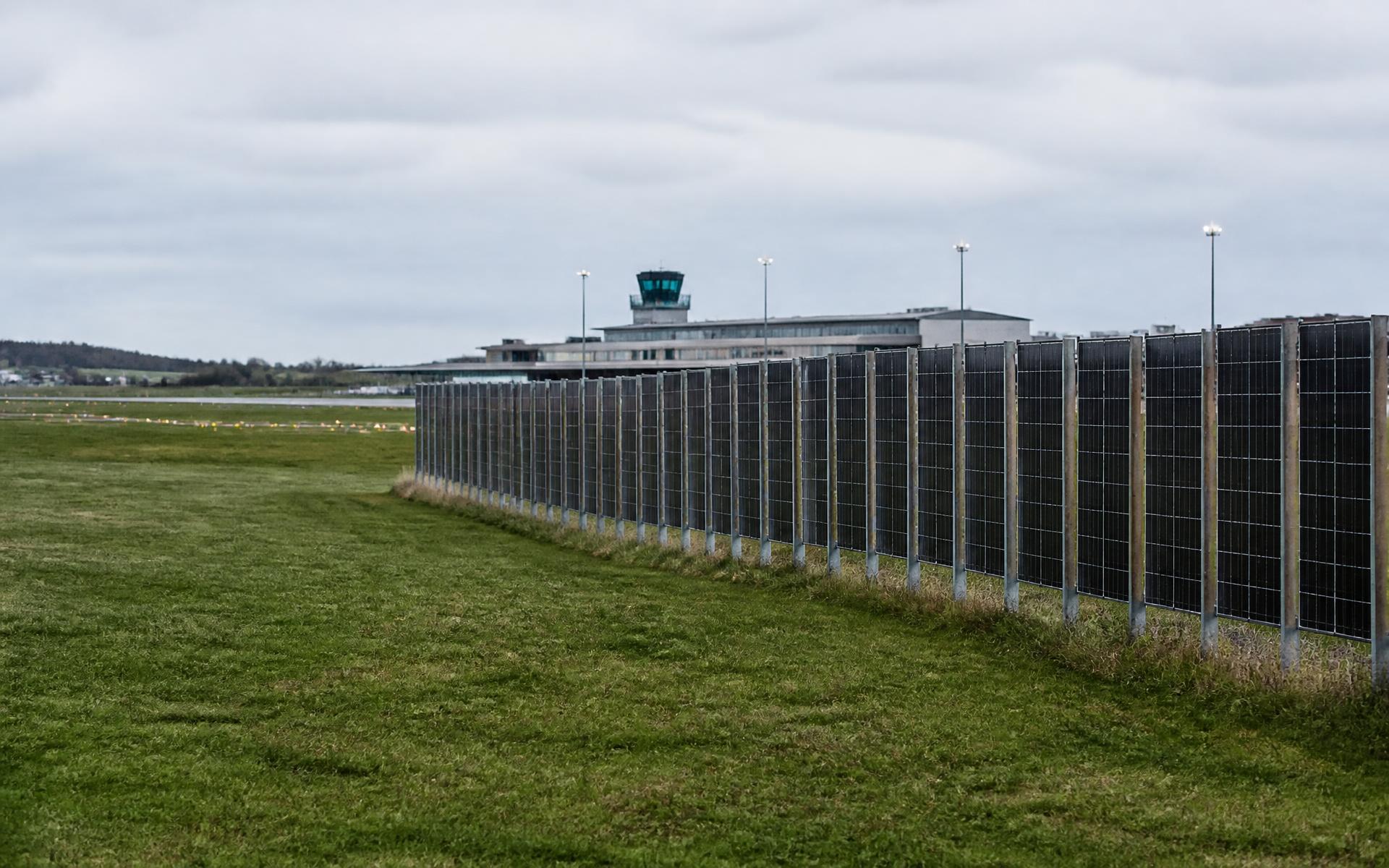
The best-defended solar site in Britain is behind an airport fence
Mown grass, kilometres of perimeter and a large continuous load next door. What an airport microgrid actually looks like.
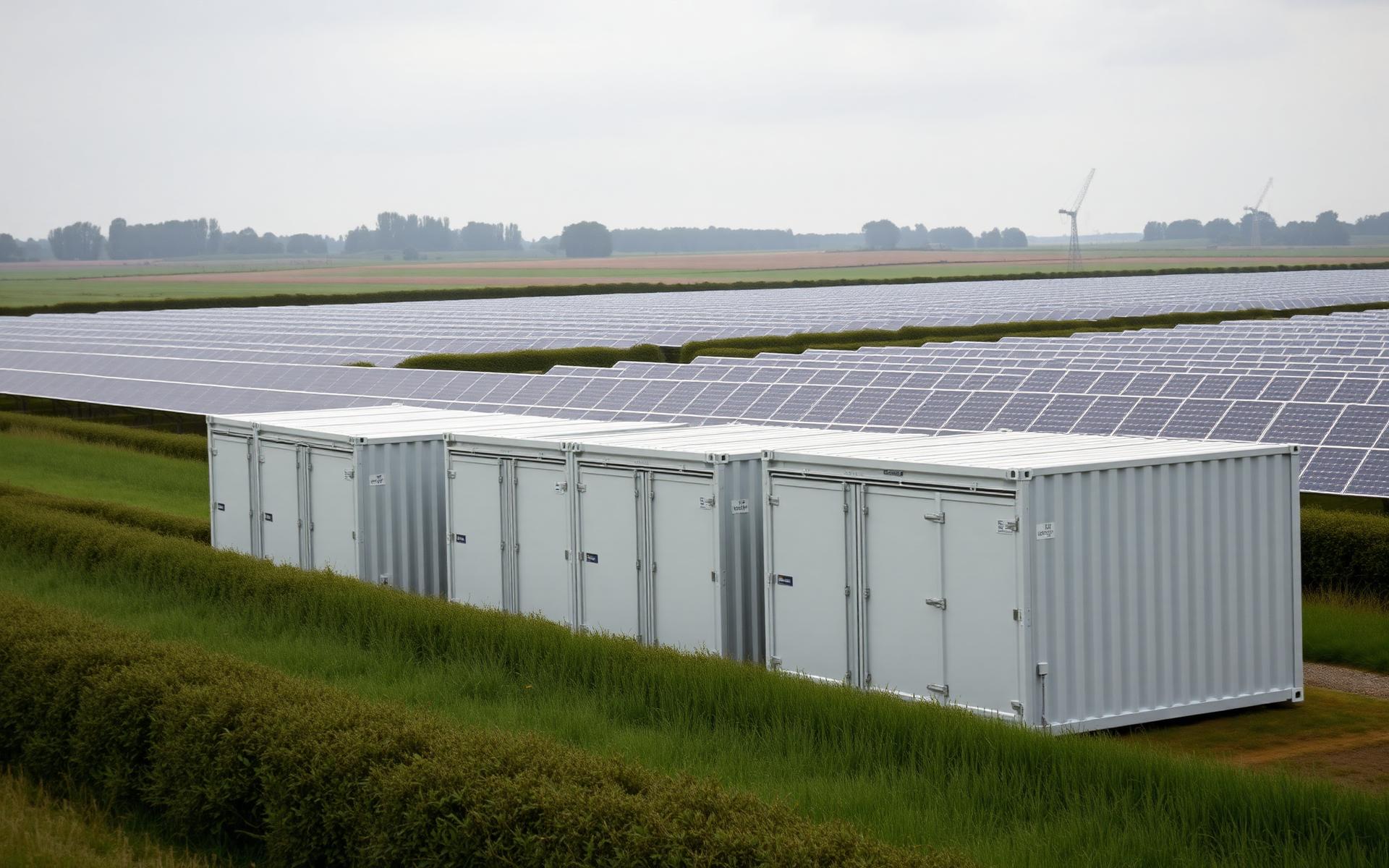
Use them where you make your own electrons
Serve the businesses next door over private wire, then let containerised compute eat whatever the grid won't take.
The eclipse and the grid
A predictable dive in national solar, a kettle surge on the other side, and a free rehearsal for every ordinary evening.
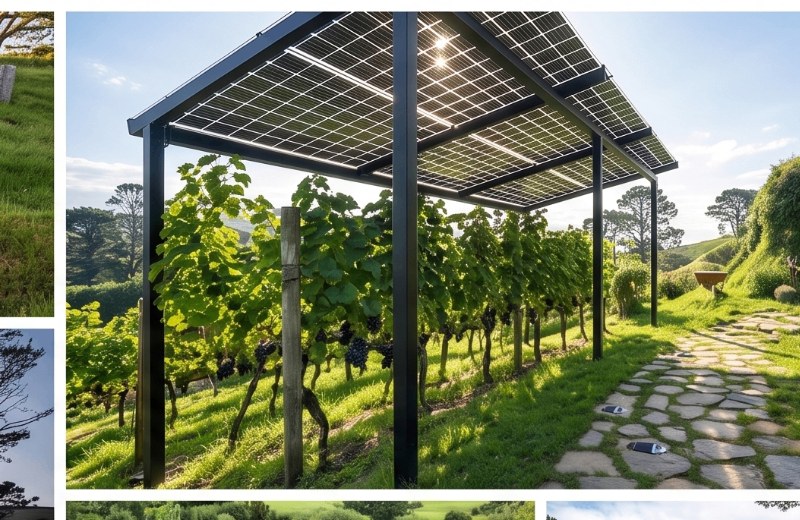
Why 1% of the UK is all we need
We don't have a land problem. We have a coordination problem.

Fragmented Funding
The capital is already there. It's just scattered across six different desks.
Powering the Future: Community Bonds
What if a community could keep the returns on its own infrastructure?
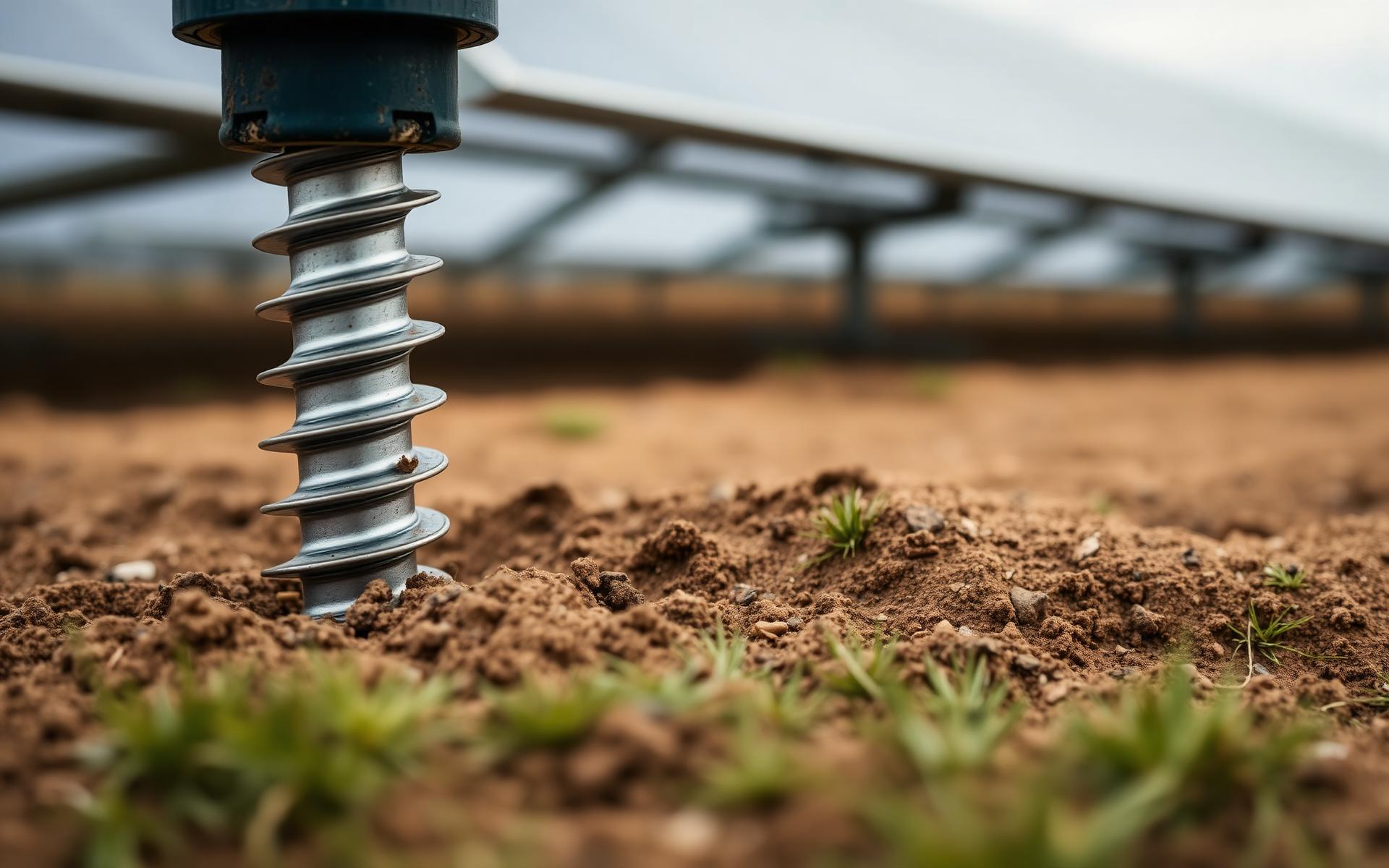
Why Ground Screws are the Future of UK Commercial Solar Farms
Time is capital. Earth is an asset. Concrete is a liability.
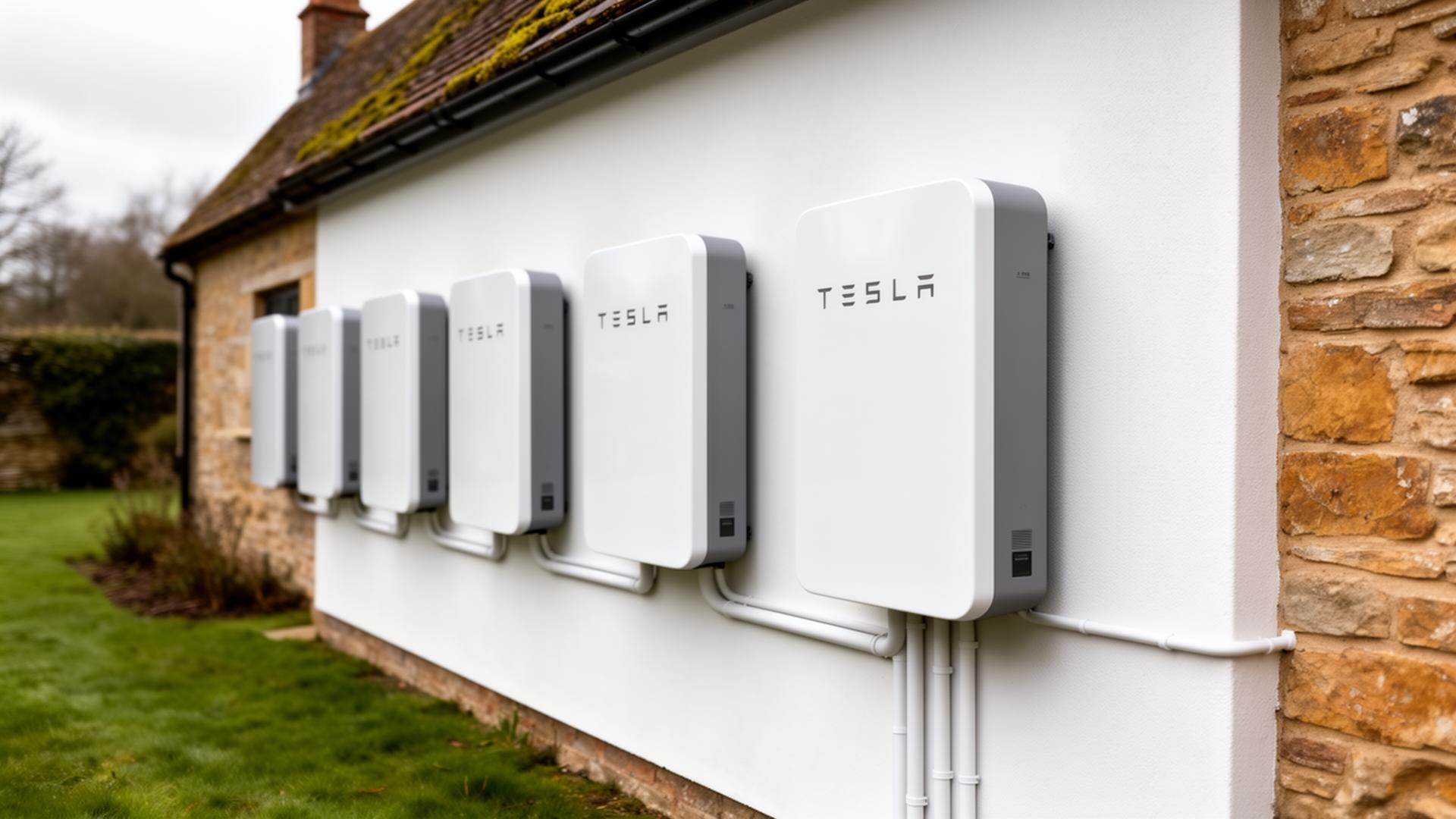
Global Quality, Local Installation
Why we install Tesla, and what a four-Powerwall replacement says about backing customers for decades.
The Evolution of Work: From Watt to Joule
Joule gave the scientific 'why' to the practical 'how' Watt had already commercialized, and that's why your bill is in kWh.
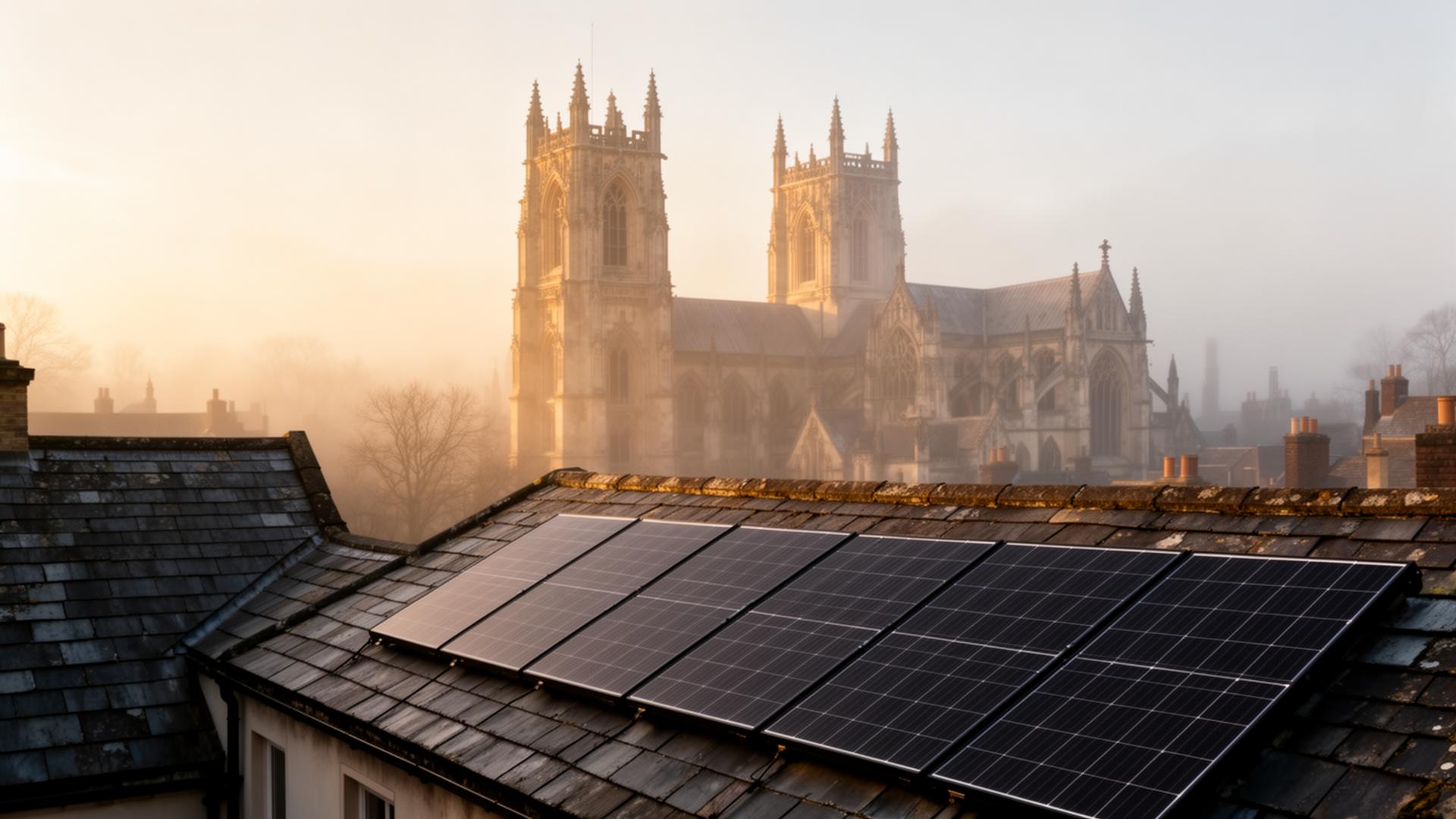
Let There Be Light: York Minster and the cathedral as civic leader
184 panels, £20,000 saved in six months, and a signal from the institution that has watched the British landscape the longest.
Shade as a Resource: agrivoltaics for British vineyards
What a 2018 Oregon study tells us, and what it doesn't, about putting solar above vines.
SEG, PPAs and the rise of symmetric pricing
Three layers for selling solar back to the grid, and a fourth idea that aligns the home with the system operator.
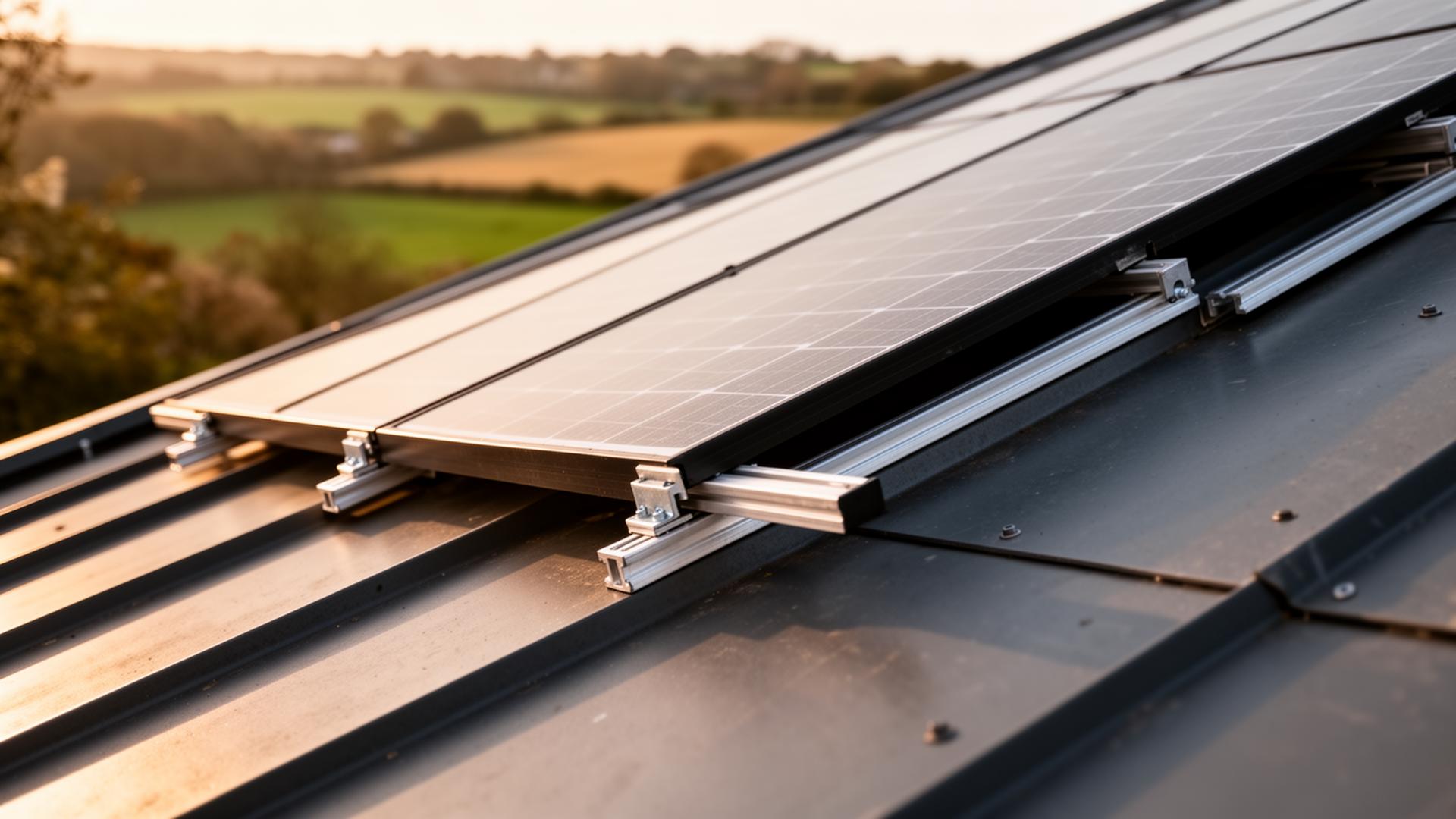
Mini Rails vs Long Rails
The mounting structure is the second-largest source of embodied carbon in a solar system. Two short profiles or one long one, it matters.
Playing the DNO: how to fast-track a slow connection
You can't choose your Distribution Network Operator. You can choose how you submit, and that is usually the whole game.
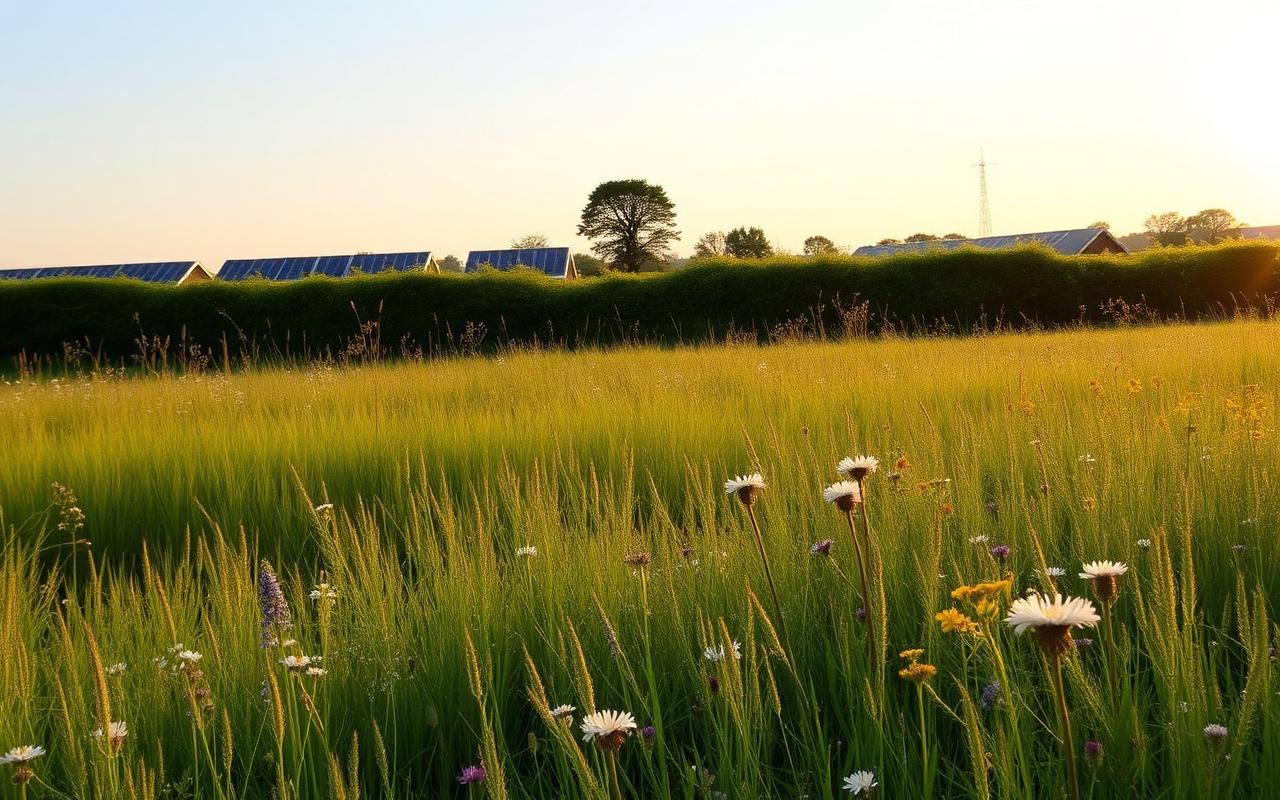
Biodiversity Net Gain: the 10% that changes the maths
Statutory BNG is now the law for almost every piece of development in England. For solar, it is an opportunity hiding inside an obligation.
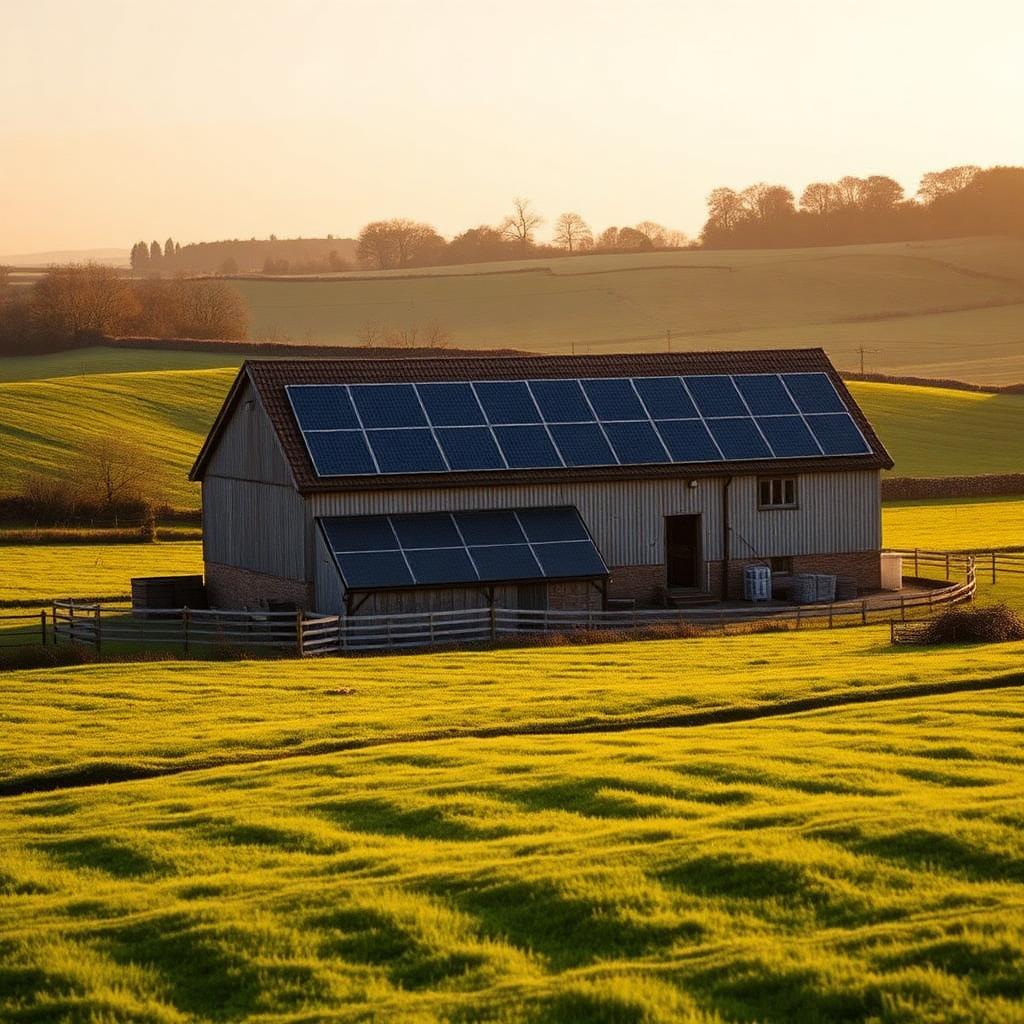
Reclaiming VAT on farm solar
Solar panels are plant and machinery. For most VAT-registered farms, that means the 20% input tax comes back, and capital allowances stack on top.
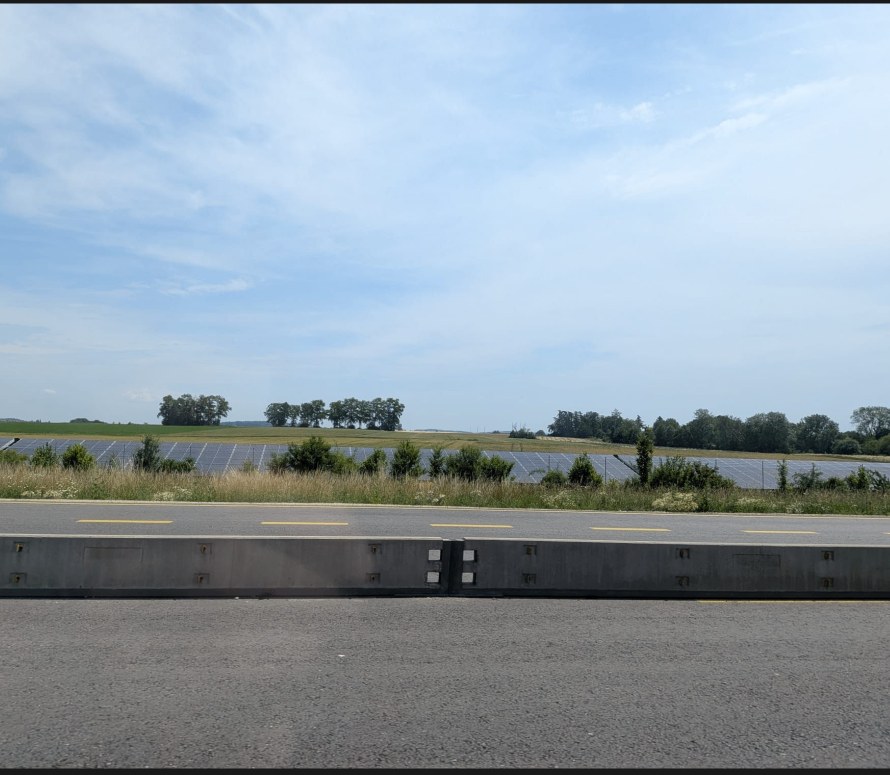
East-West arrays: the economics on constrained UK sites
Lower yield per panel, higher revenue per hectare. Why midday peaks are now a liability.
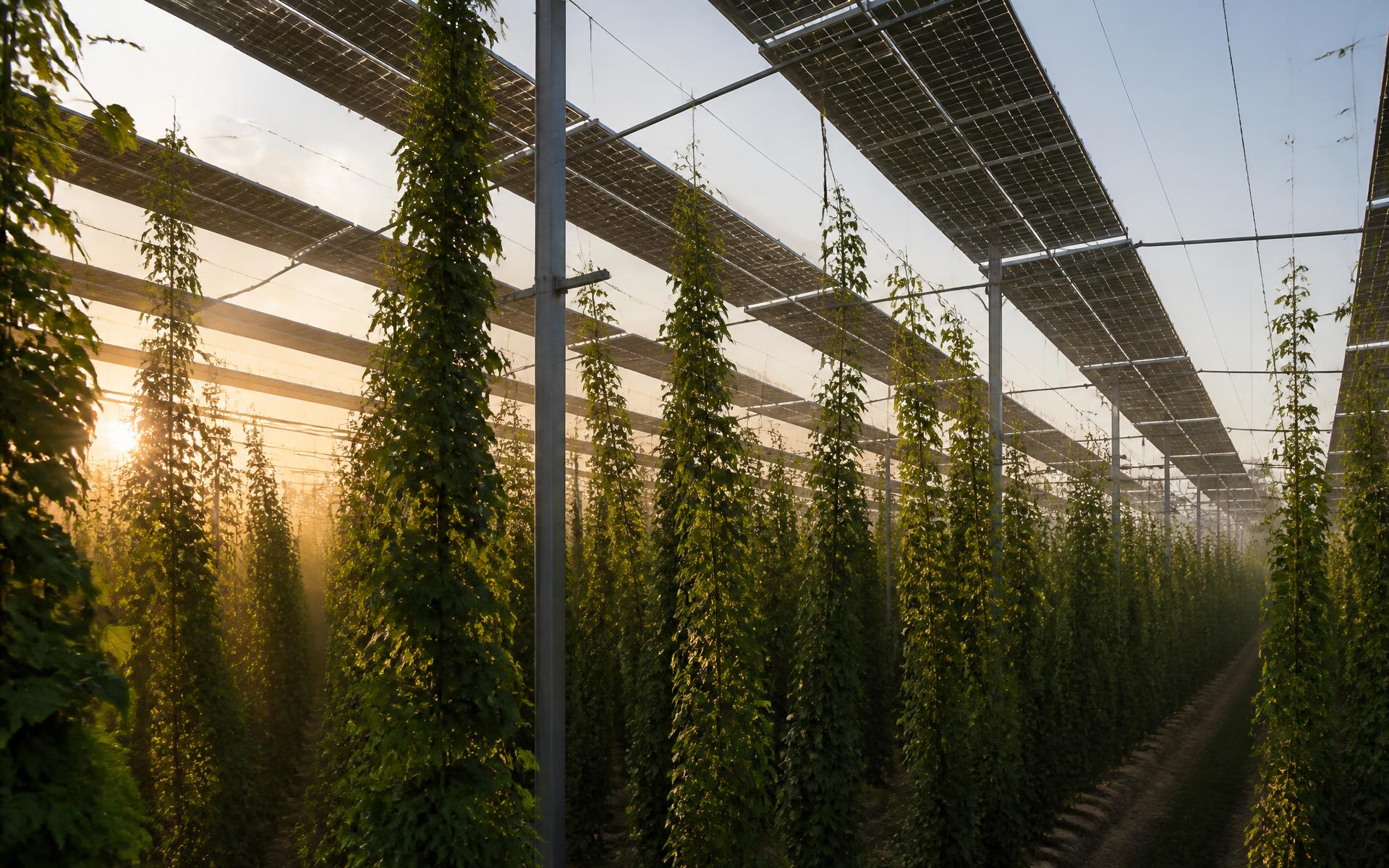
The hop garden that became a power station
977 kWp seven metres above a working hop garden. What Fraunhofer's HoPVen trial means for British growers, and what it doesn't yet prove.
Should you wait for better panels?
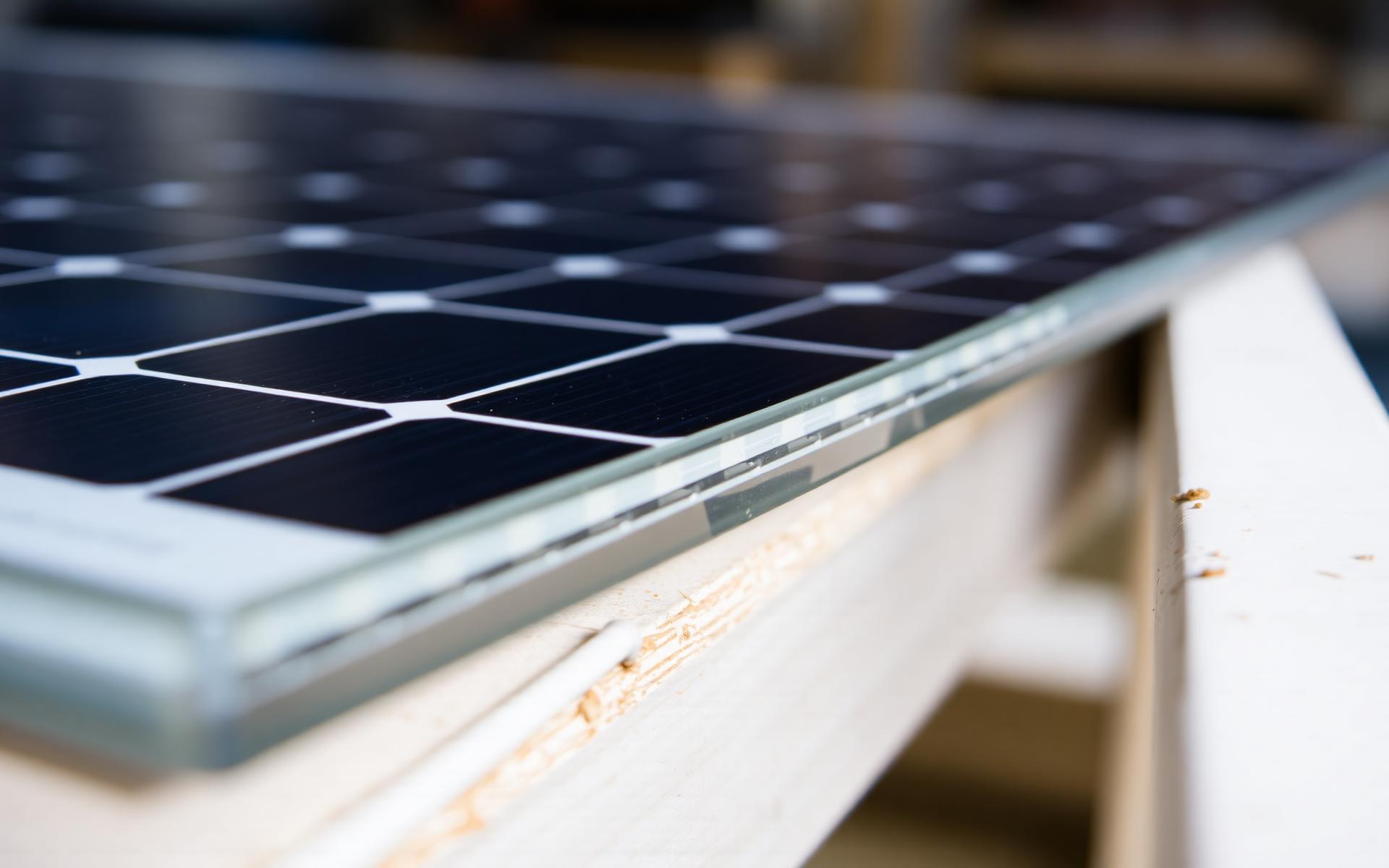
Cadmium telluride is real, cheap at gigawatt scale and not sold to you. The choice on a British roof is which silicon, and why we specify glass-glass.
The hill made of rubbish that pays rent
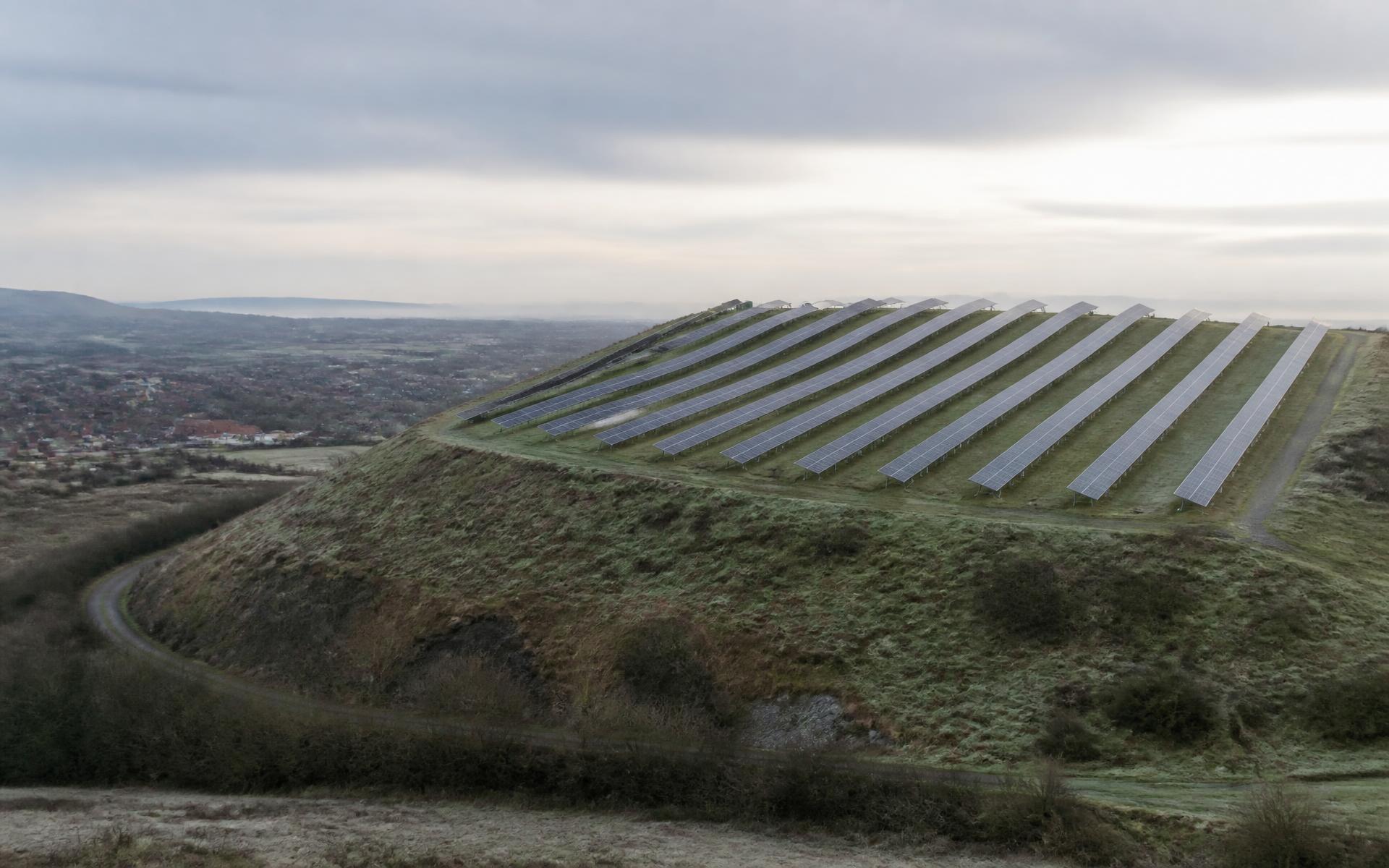
New Haven put 1,900 panels on a capped landfill. Britain has twenty thousand of these hills and no policy pointing at one of them.