Mini Rails vs Long Rails: choosing the right aluminium for the roof.
Solar panel roof mounting is the second-largest source of embodied carbon in a solar system. The choice between two short profiles and one long one is rarely a detail.
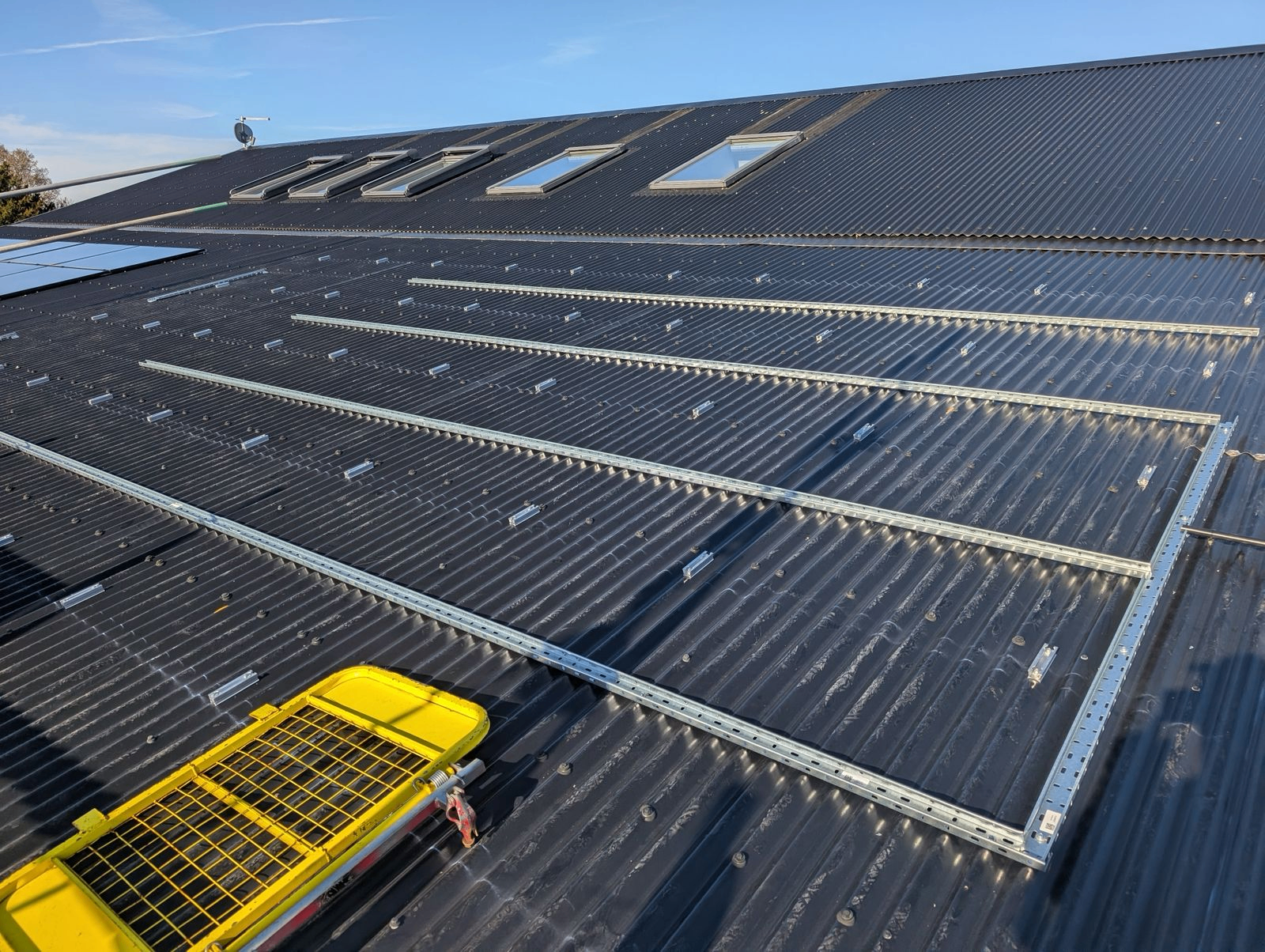
Every solar installation begins with the same quiet decision. Before the panels, the inverters, the cabling and the meter, somebody chooses how the array will sit on the roof. Two answers dominate the market: long continuous rails that run horizontally across the roof, and short segmented mini rails that sit only under the panel corners. Both work. They are not interchangeable, and the difference is not aesthetic.
The basics of mini rails
Mini rails are short aluminium profiles, typically 250 mm to 600 mm long. Instead of laying a continuous track from one end of the roof to the other, the installer fits two short rails under each panel, one along the top edge, one along the bottom, and clamps the panel down on top.
Where they belong
Mini rails are designed for trapezoidal and corrugated metal roofs. The roof crest gives them something solid to grip, and the rail is fixed straight onto the crest using self-drilling screws with EPDM rubber backing. The rubber compresses as the screw bites, forming an instant weatherproof seal. There is no underlying timber to find, no roof hook to flash in, no lifted tile to slide back into place.
Pros
- 30–50% less aluminium than an equivalent long-rail system.
- 25–40% lower project cost once material, labour and shipping are added up.
- Light enough for a competent solo installer on a small array.
- Compact pallets, a van load of mini rails covers a job that would need a flat-bed for long rails.
Cons
- Loads are concentrated at point fixings rather than spread along a beam.
- High-wind sites need more fixings per panel, which erodes some of the material saving.
- Not appropriate where the roof skin is not the structure, tile, slate, membrane, etc.
The basics of long rails
Long rails are the original solar mounting system: continuous horizontal aluminium tracks running parallel to the roof line, with panels clamped onto them in rows. The rail is structural. It distributes the panel load along its full length and transfers it down to the building through periodic anchor points.
Where they belong
Long rails are the correct answer for tile, slate, flat roofs, standing-seam metal, and any high-load environment, heavy snow zones, exposed coastal sites, hurricane-rated installations. On a tile or slate roof, the rail is fixed via roof hooks that reach down to the rafters; on standing seam, via non-penetrating clamps. The load path always ends at the structural timber, not at the roof covering.
Pros
- Superior structural integrity. The rail acts as a beam, smoothing out point loads.
- Even weight distribution across many rafters, essential when snow or wind uplift is in play.
- Forgiving of small misalignments; panels can slide along the rail before final clamping.
Cons
- Bulky to store and transport, longer trucks, more trips, more diesel.
- Higher material cost per kWp installed.
- Slower to install; usually a multi-person crew for anything but the smallest array.
Side by side
| Dimension | Mini rails | Long rails |
|---|---|---|
| Best roof types | Trapezoidal, corrugated metal | Tile, slate, flat, standing seam |
| Fixing method | Self-drilling screws + EPDM into roof crest | Roof hooks / brackets into rafters |
| Aluminium per kWp | 30–50% less | Baseline |
| Project cost | 25–40% lower | Baseline |
| High-wind / heavy snow | Needs extra fixings | Native fit |
| Crew size | Often solo | Two or more |
The sustainability angle
After the panels themselves, the aluminium mounting structure is typically the second-largest contributor to a solar system's embodied carbon. That fact does not show up on a quote and it does not show up on the meter, but it shows up unambiguously in any lifecycle assessment.
The reason is the metal itself. Primary aluminium smelting is one of the most energy-intensive industrial processes on the planet, roughly 14 to 16 megawatt-hours of electricity per tonne, depending on the smelter. Even where that electricity is hydro-powered, the carbon intensity per kilogram of finished extrusion is high; where it is coal-powered, it is severe. Recycled (secondary) aluminium is dramatically cleaner, but most solar mounting hardware sold today still contains a meaningful share of primary metal.
This is what makes mini rails the eco-friendly champion for standard metal roofs. A 30–50% cut in aluminium is not a marketing line; it is a direct, proportional cut in the upfront embodied carbon of the mount. Add the smaller pallet footprint and you also cut the Scope 3 transport emissions attached to shipping the same array from factory to site.
Long rails should not be vilified for this. They exist because they are structurally necessary on the roofs they belong on, a slate roof in the Pennines or a flat roof in a snow load zone is not a candidate for mini rails at any price. The carbon problem is not long rails per se. It is defaulting to long rails out of habit on a simple trapezoidal metal shed where mini rails would have done the job with half the metal.
Every kilogram of aluminium you do not specify is a kilogram you do not have to smelt.
The core takeaway
There is no one-size-fits-all answer here, and there shouldn't be. Mini rails are not phasing long rails out. The two are complementary solutions dictated by roof type, geography, and environmental goals:
- Metal roof, moderate climate: mini rails, almost without exception.
- Tile, slate, membrane, standing seam: long rails, every time.
- Exposed, high-wind or heavy-snow site: long rails, regardless of roof type.
- Anywhere in between: ask the engineer, not the catalogue.
The job of a good installer is to make that choice deliberately on every project, not to fit what the van happens to be loaded with. For an eco-conscious customer, the question to ask is simple: "Could this array be mounted on mini rails?" If the honest answer is yes, the lower-carbon option is also the cheaper one. That is a rare and welcome alignment.
In short
Solar panel roof mounting is the second largest source of embodied carbon in a rooftop system. Short mini rails use less aluminium and spread load across more fixings, while continuous long rails spread load along a span and tolerate irregular batten spacing. The right choice is set by roof structure, not by preference.
Common questions
What is the difference between mini rails and long rails for solar panels?
Mini rails are short sections fixed under each panel corner, so the load goes straight into individual rafters. Long rails run continuously across several rafters, spreading load along a span and letting fixings land where the structure allows rather than where the panel edge falls.
Are mini rails better than long rails?
Neither is better in general. Mini rails use roughly half the aluminium, which cuts cost and embodied carbon, and suit regular, sound rafters. Long rails suit irregular batten spacing, weaker or uneven structure, and roofs where the fixing positions cannot be chosen freely.
How much carbon is in solar mounting?
Enough to matter: after the modules themselves, the aluminium framework is usually the largest embodied carbon item in a rooftop system. Halving the aluminium by using mini rails is one of the few specification choices that reduces both cost and footprint at once.
How are solar panels fixed to a tiled roof?
Roof hooks bolt to the rafter and pass out under a lifted tile, and the rails clamp to those hooks. The hook pattern is chosen from the covering (pantile, plain tile, slate, standing seam) and the rail choice follows from rafter and batten spacing, which is why the roof survey precedes the mounting quote.
Continue reading
All essays →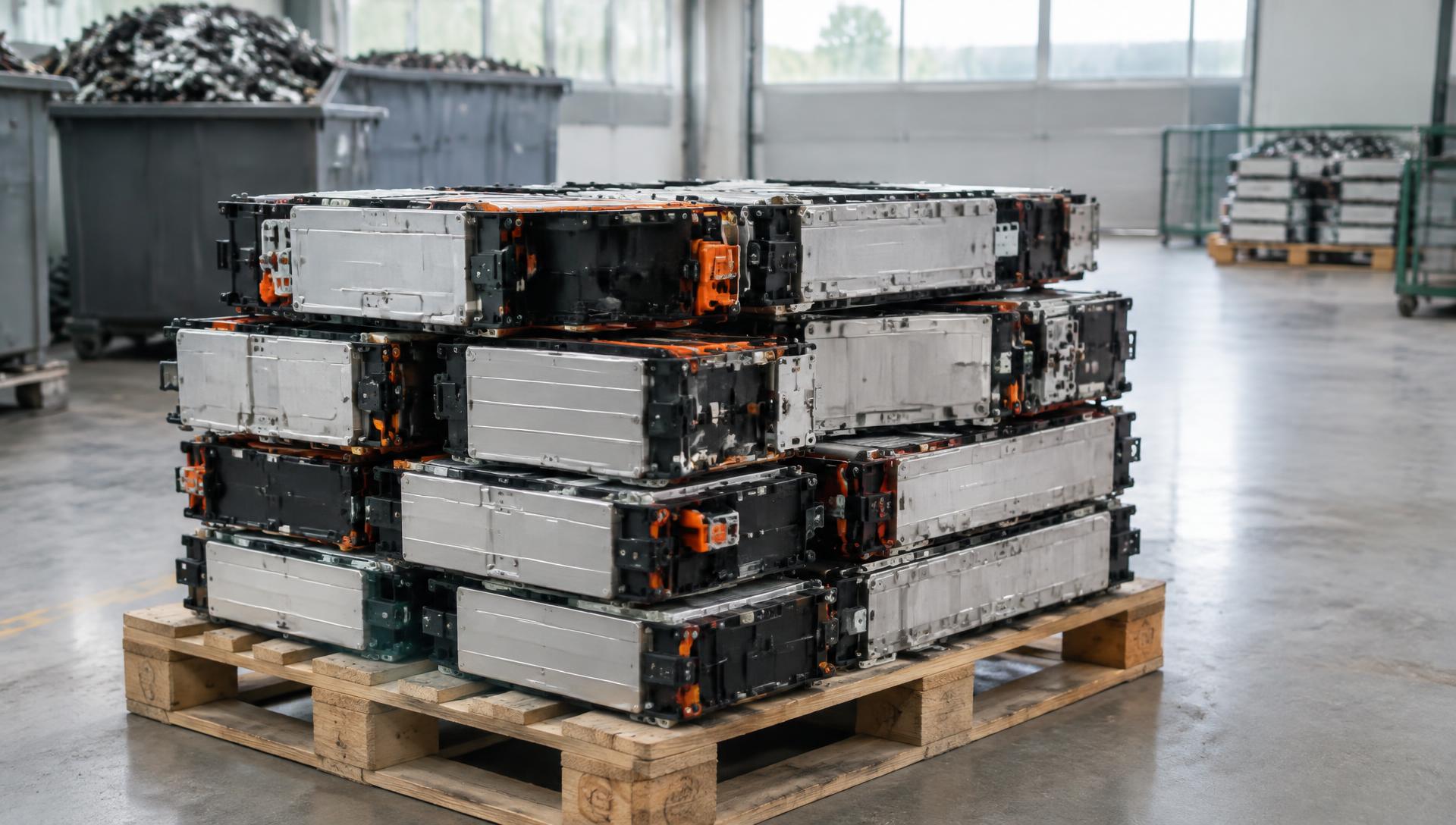
What happens to a home battery at the end of its life?
Extend first, recycle second, landfill never. Tesla's published end-of-life policy, and what to ask before you buy any battery.
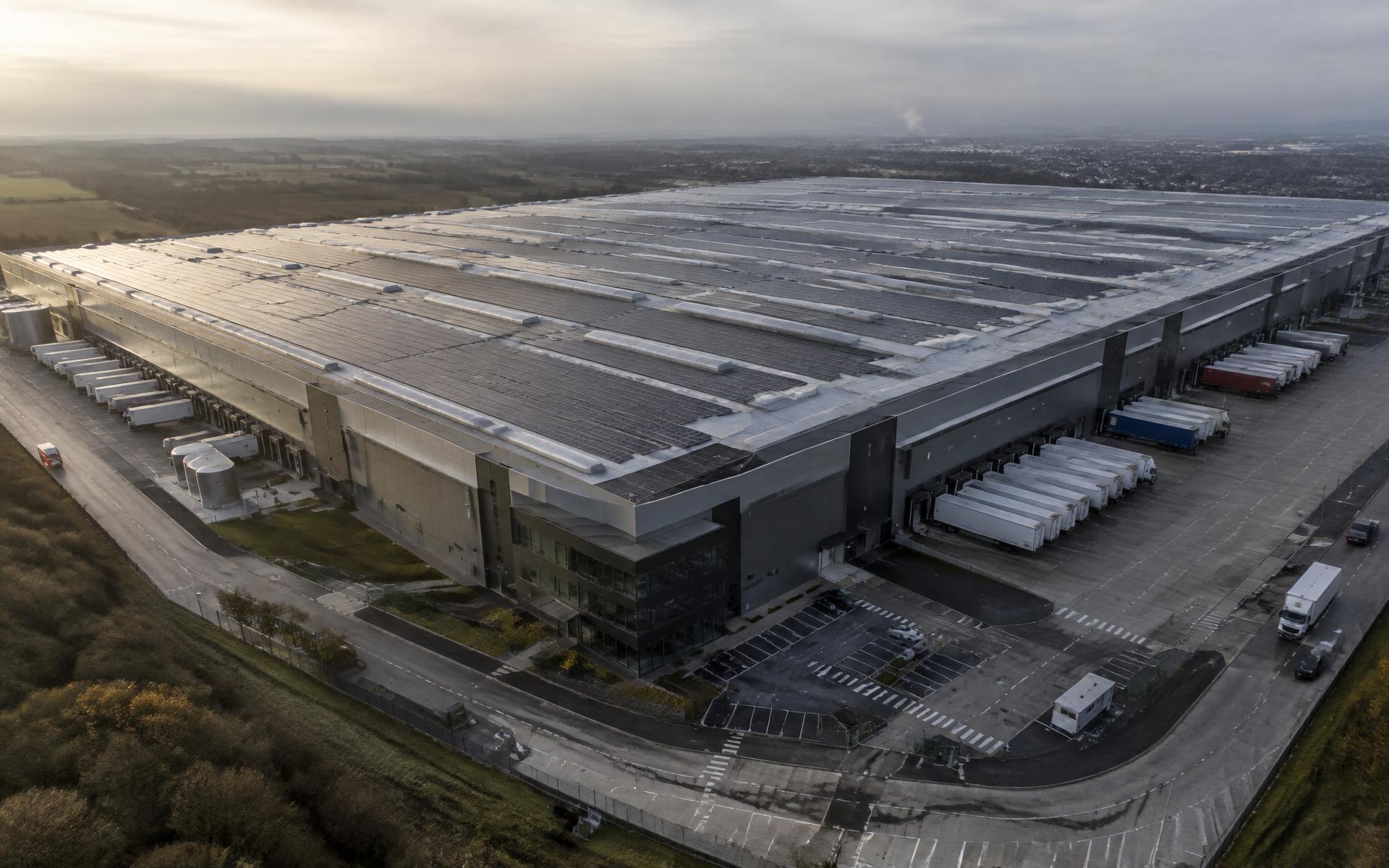
Solar on an east-west facing roof
Ten to twenty per cent less per panel, twice the roof to use, and output across the whole working day. The plain answer for a building that doesn't face south.
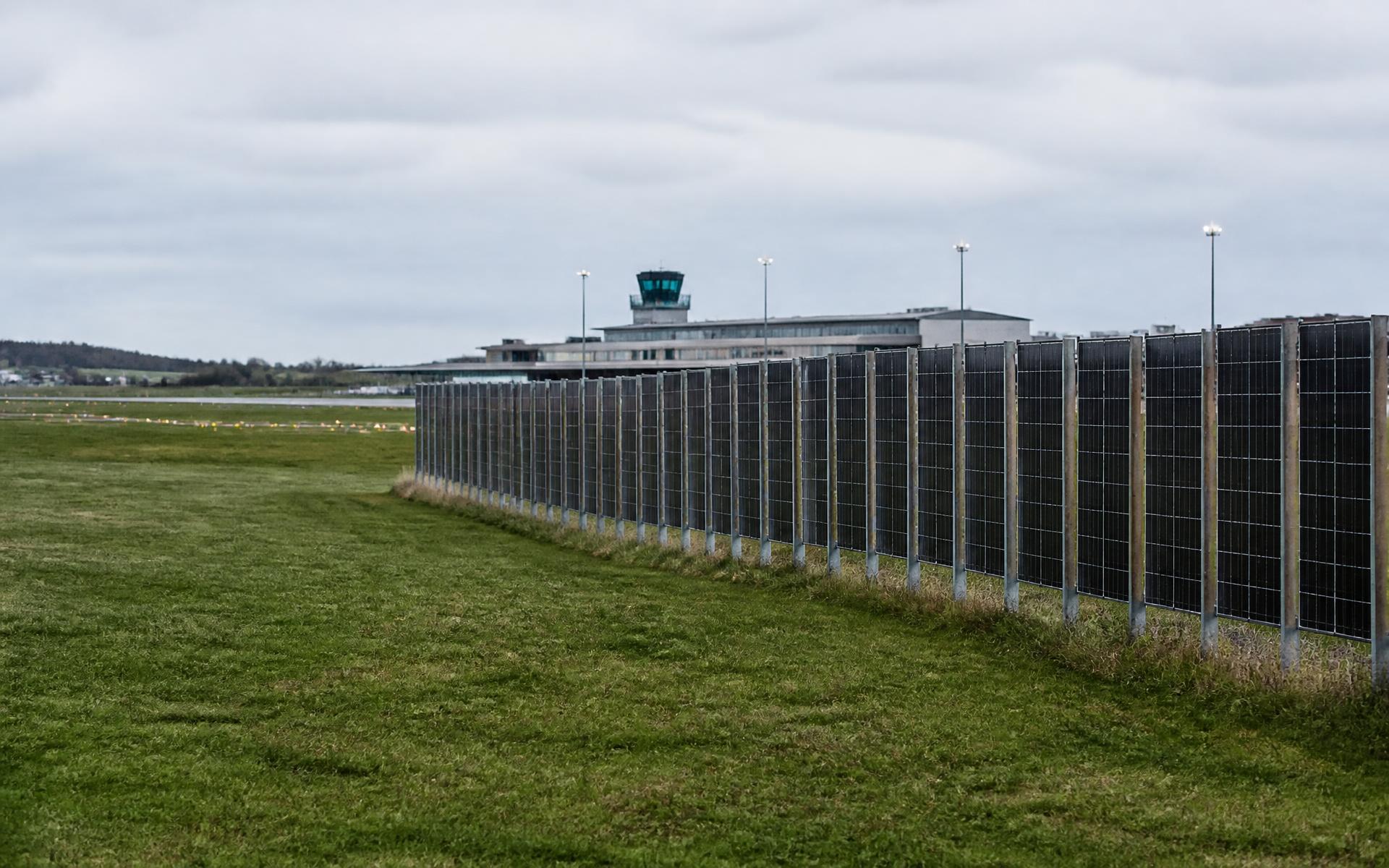
The best-defended solar site in Britain is behind an airport fence
Mown grass, kilometres of perimeter and a large continuous load next door. What an airport microgrid actually looks like.
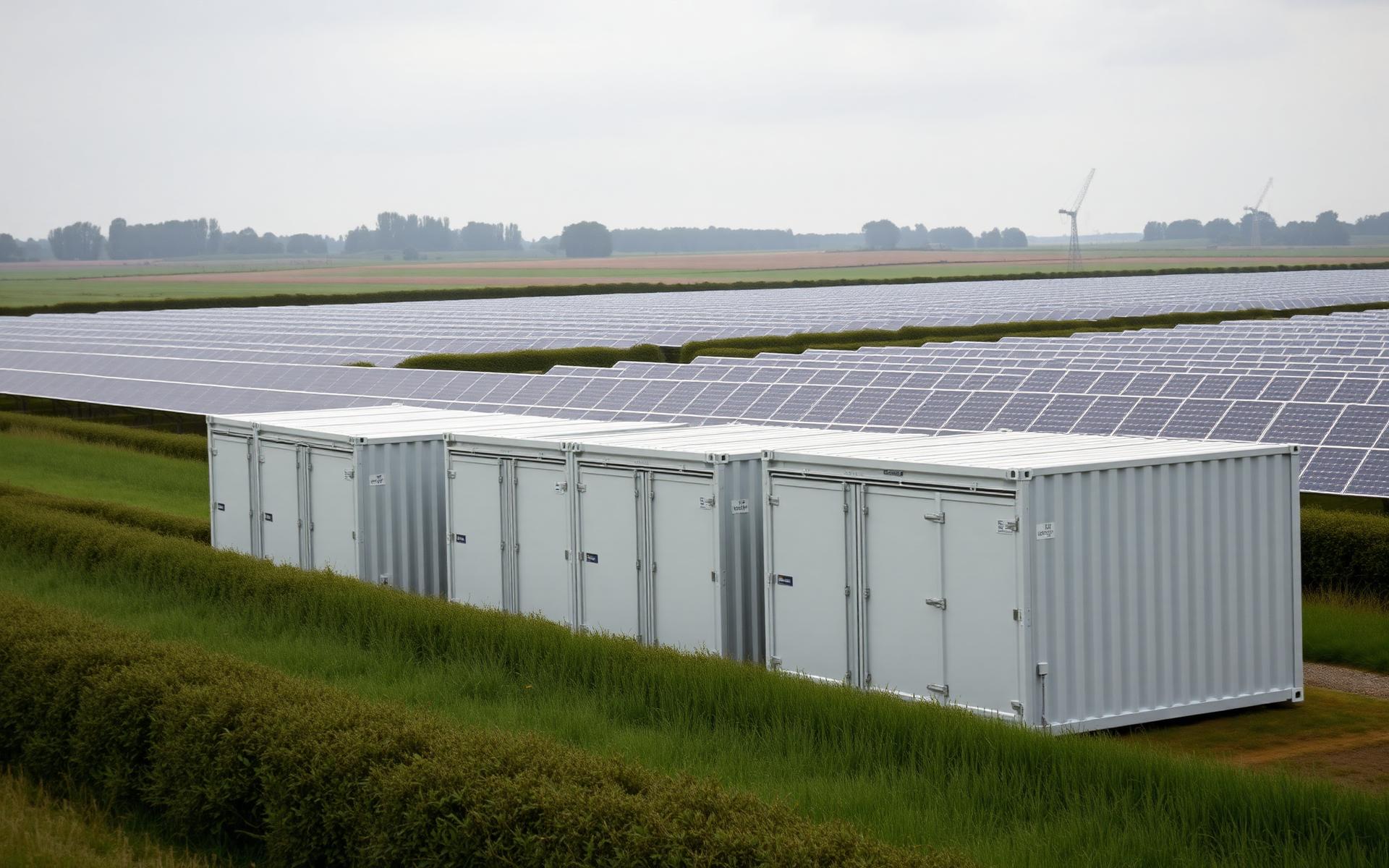
Use them where you make your own electrons
Serve the businesses next door over private wire, then let containerised compute eat whatever the grid won't take.
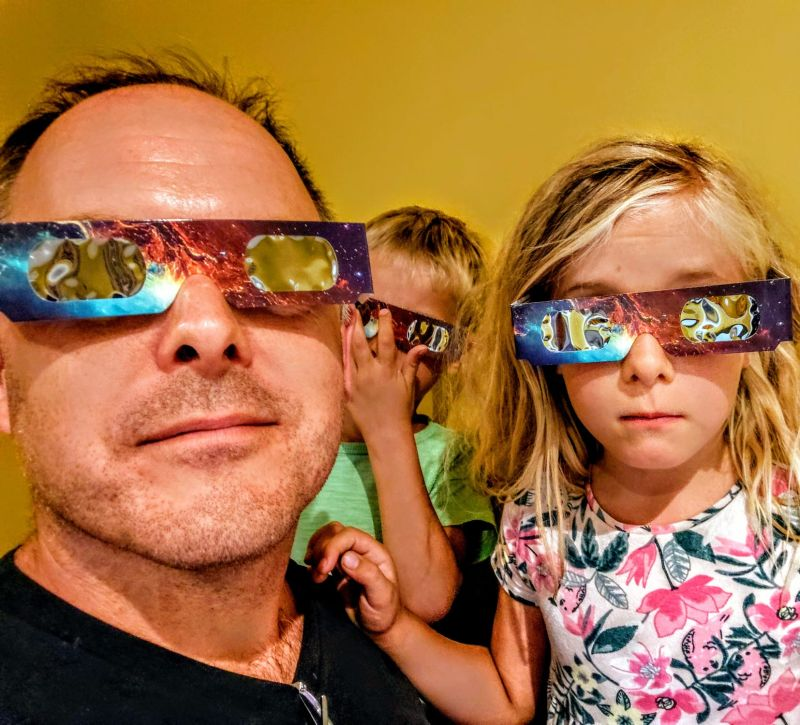
The eclipse and the grid
A predictable dive in national solar, a kettle surge on the other side, and a free rehearsal for every ordinary evening.
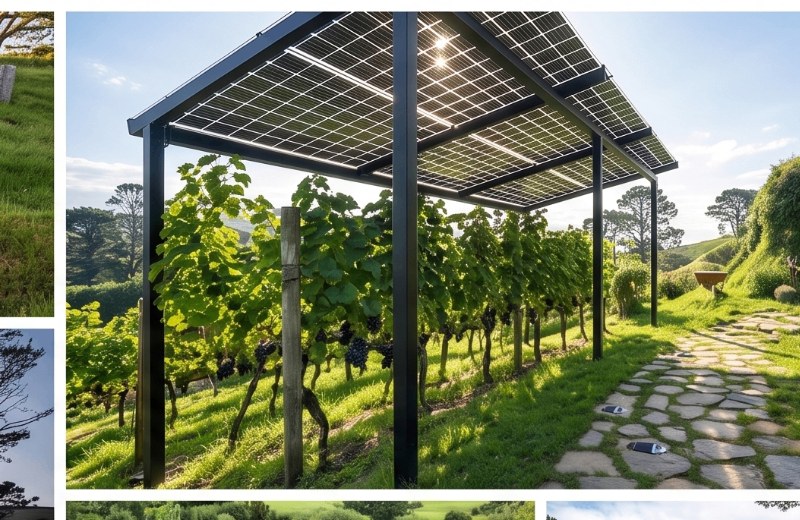
Why 1% of the UK is all we need
We don't have a land problem. We have a coordination problem.

Fragmented Funding
The capital is already there. It's just scattered across six different desks.
Powering the Future: Community Bonds
What if a community could keep the returns on its own infrastructure?
Why Ground Screws are the Future of UK Commercial Solar Farms
Time is capital. Earth is an asset. Concrete is a liability.
Local Net Zero: the support already on the table
Hubs, Accelerators, Great British Energy, the Community Fund, what's on offer, and how to find the door.
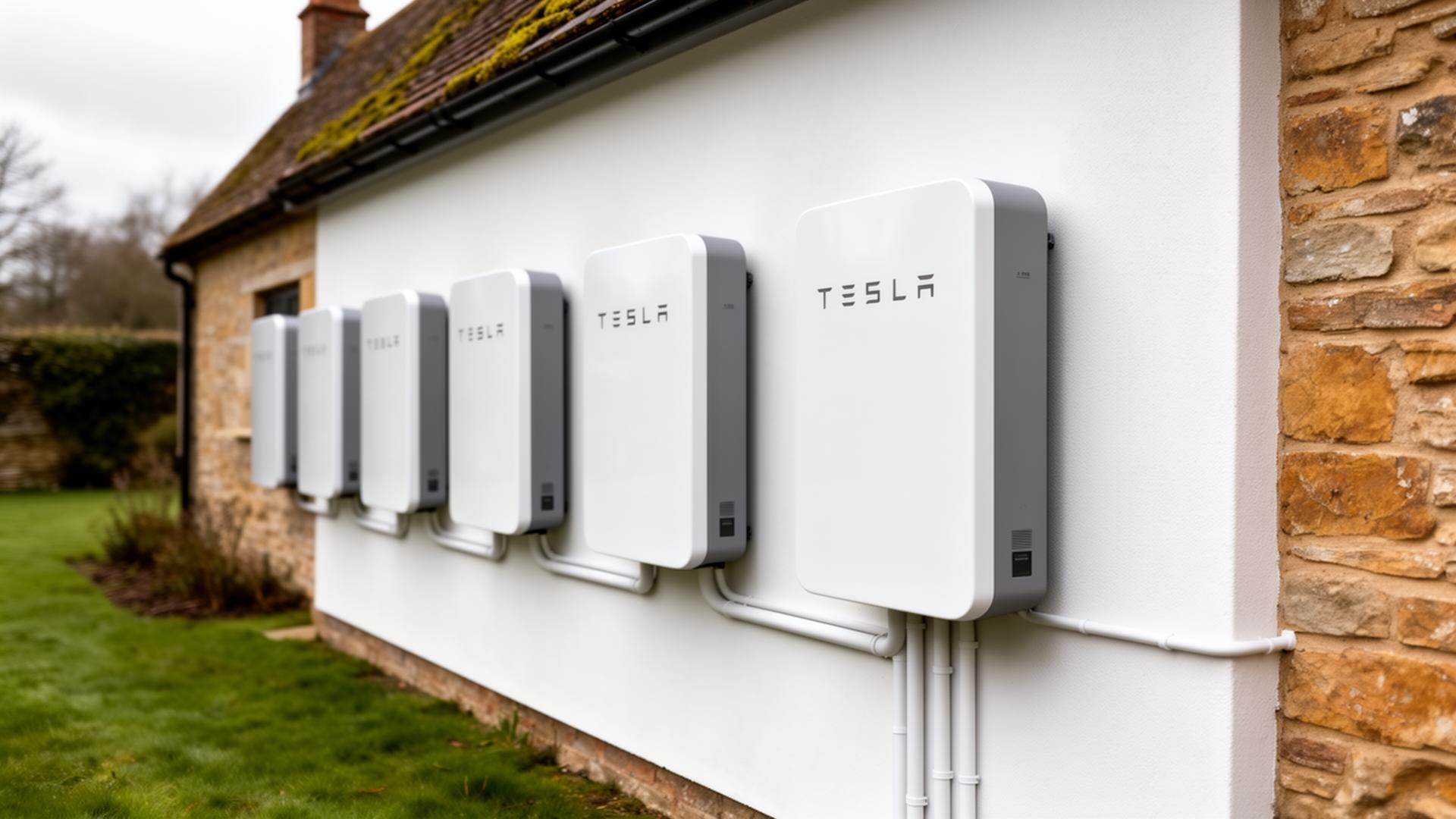
Global Quality, Local Installation
Why we install Tesla, and what a four-Powerwall replacement says about backing customers for decades.

The Evolution of Work: From Watt to Joule
Joule gave the scientific 'why' to the practical 'how' Watt had already commercialized, and that's why your bill is in kWh.
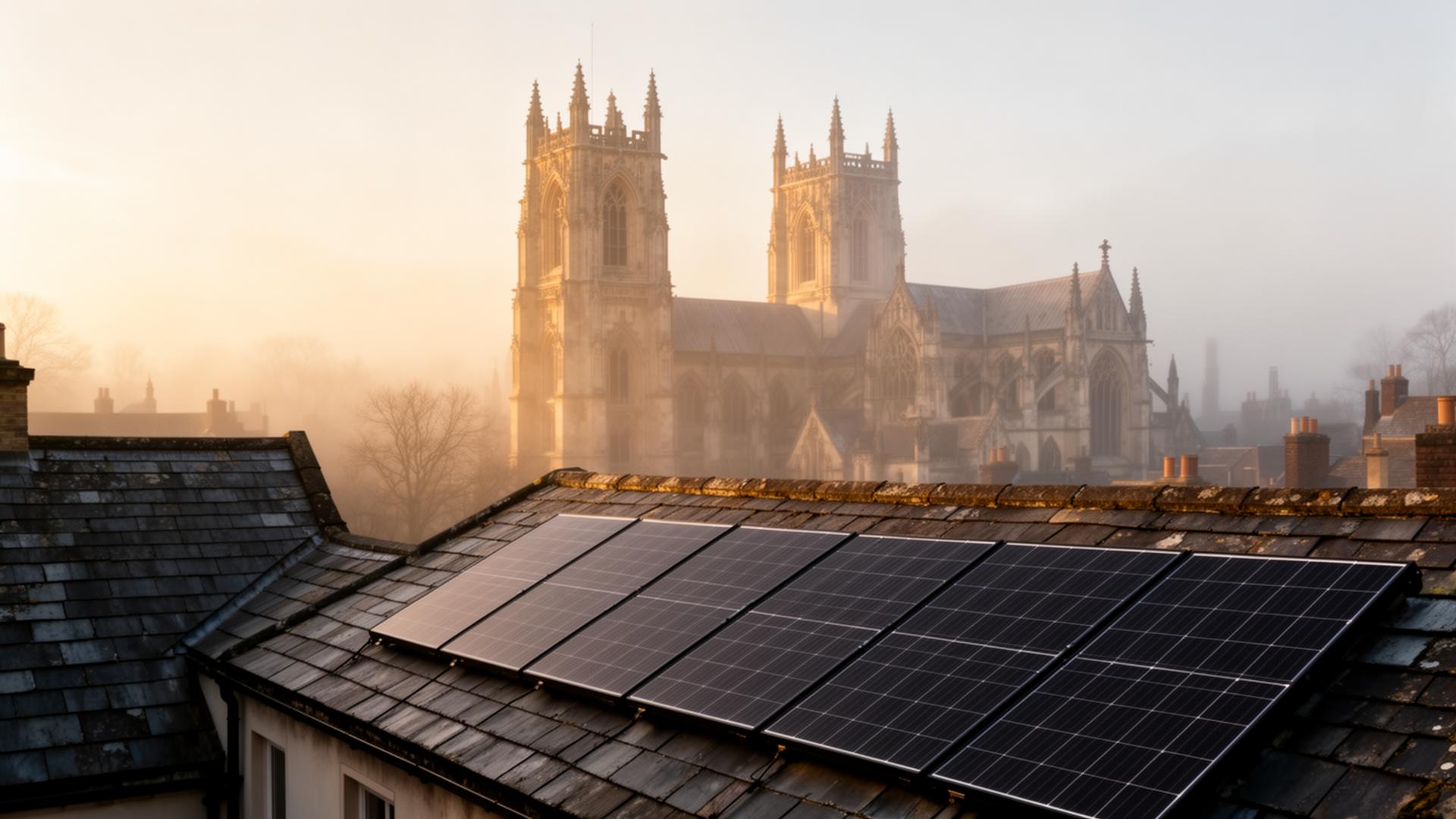
Let There Be Light: York Minster and the cathedral as civic leader
184 panels, £20,000 saved in six months, and a signal from the institution that has watched the British landscape the longest.
Shade as a Resource: agrivoltaics for British vineyards
What a 2018 Oregon study tells us, and what it doesn't, about putting solar above vines.
SEG, PPAs and the rise of symmetric pricing
Three layers for selling solar back to the grid, and a fourth idea that aligns the home with the system operator.
Playing the DNO: how to fast-track a slow connection
You can't choose your Distribution Network Operator. You can choose how you submit, and that is usually the whole game.
Biodiversity Net Gain: the 10% that changes the maths
Statutory BNG is now the law for almost every piece of development in England. For solar, it is an opportunity hiding inside an obligation.
Reclaiming VAT on farm solar
Solar panels are plant and machinery. For most VAT-registered farms, that means the 20% input tax comes back, and capital allowances stack on top.
East-West arrays: the economics on constrained UK sites
Lower yield per panel, higher revenue per hectare. Why midday peaks are now a liability.
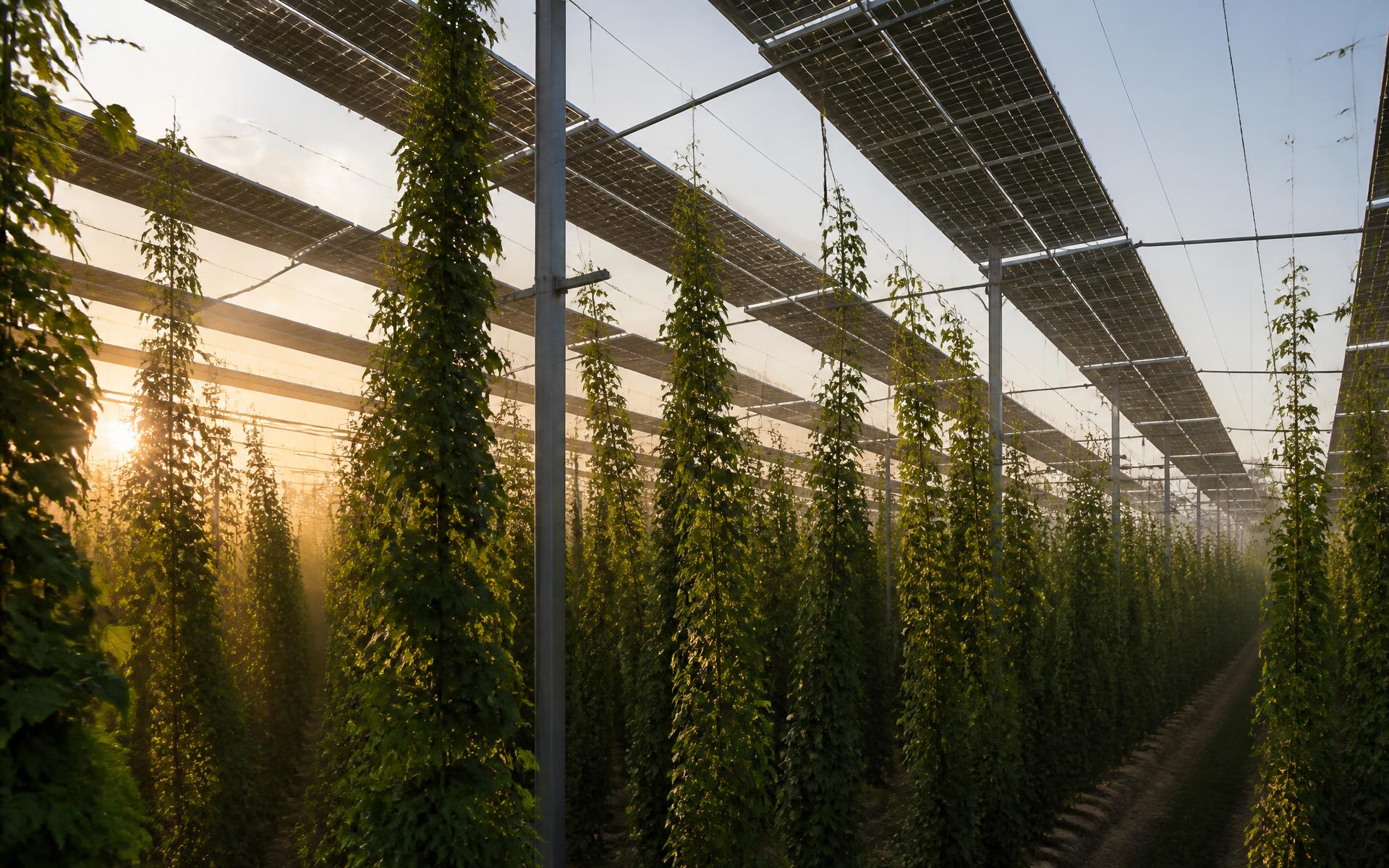
The hop garden that became a power station
977 kWp seven metres above a working hop garden. What Fraunhofer's HoPVen trial means for British growers, and what it doesn't yet prove.
Should you wait for better panels?
Cadmium telluride is real, cheap at gigawatt scale and not sold to you. The choice on a British roof is which silicon, and why we specify glass-glass.
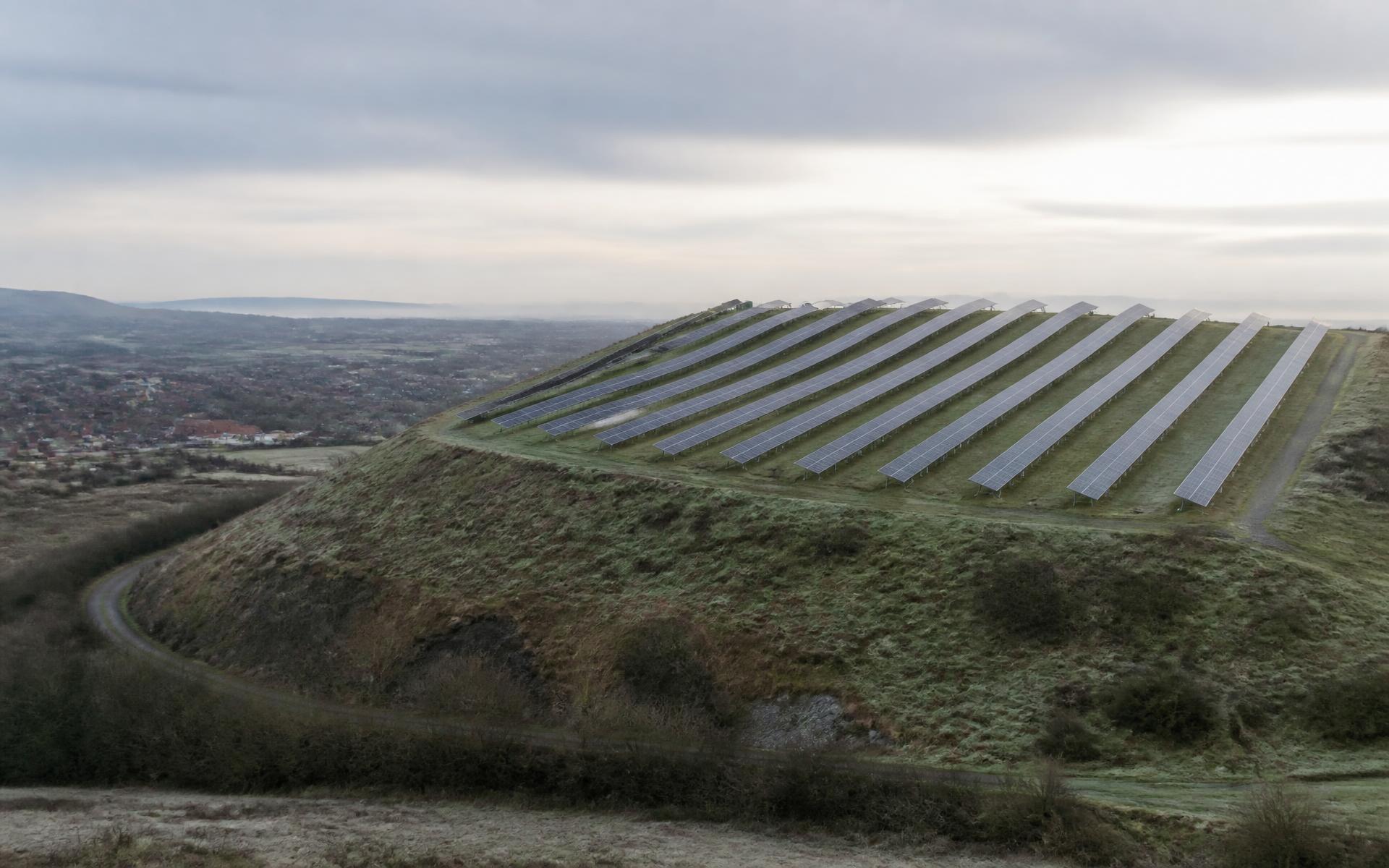
The hill made of rubbish that pays rent
New Haven put 1,900 panels on a capped landfill. Britain has twenty thousand of these hills and no policy pointing at one of them.