Playing the DNO: how to fast-track a slow connection.
You can't choose your Distribution Network Operator. You can choose how you submit, and that is usually the whole game.
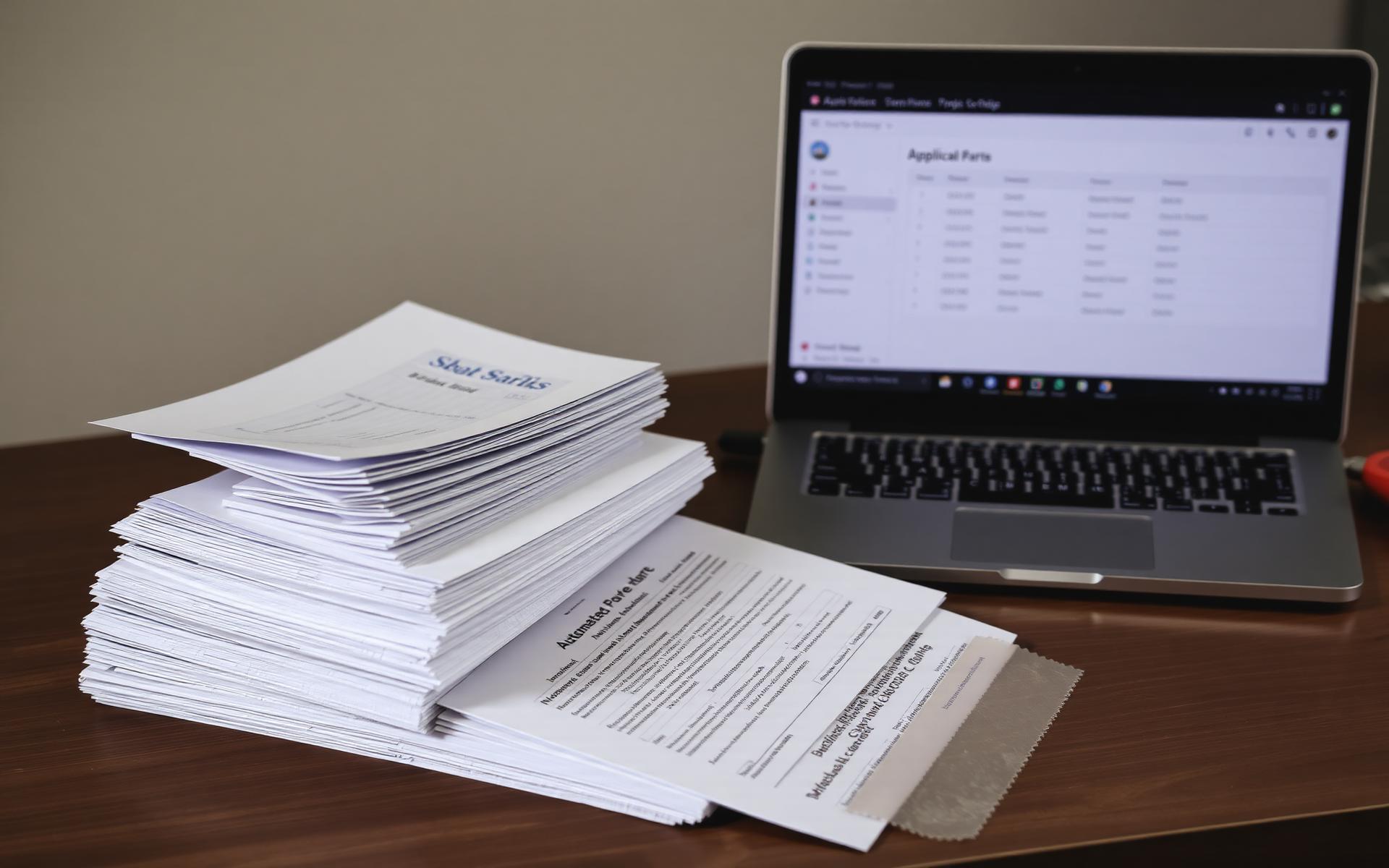
It is incredibly frustrating when you switch from a slick, automated system like UK Power Networks (UKPN) to a different Distribution Network Operator that feels like it's being run out of a fragmented, paper-shuffling back office.
When a DNO relies on manual handling, your application becomes highly vulnerable to the "human factor", getting buried under a stack, set aside due to a minor ambiguity, or delayed simply because a specific engineer is having a slow week.
Because you cannot choose your DNO, you have to play their system. To bypass the randomness and force a faster response from the more archaic operators, use the following approach.
Incomplete information is the number one cause of manual processing delays.
1. Leverage the new centralised portal: ENA Connect Direct
Before fighting an individual DNO's clunky portal, check if you can bypass it entirely. The Energy Networks Association (ENA) has rolled out Connect Direct, a centralised, automated platform designed precisely to handle G98, G99 and G100 low-carbon technology applications, solar, EV chargers, heat pumps, across all UK DNOs.
- Why it helps: it standardises data entry, minimises human handling, and relies on machine-to-machine automation to force instant or fast-track approvals out of the regional networks.
2. Eliminate "human hesitation", bulletproof your submission
In a manual system, the moment an engineer encounters an ambiguity, they don't solve it. They put the file at the bottom of the pile and send a clarification email, resetting your waiting clock.
- Provide every data point upfront. Do not leave blank fields. If you are applying for a G99 fast-track, explicitly include the exact manufacturer device reference numbers from the Type Test register.
- Include the Single Line Diagram (SLD) and site map. Even if it feels redundant for a standard residential job, attaching a clean, professional SLD and a clear property map gives the engineer everything they need to sign off immediately without having to think.
- Make export limits explicit. If using a G100 export limitation scheme (e.g. limiting an inverter to 16A/phase), make it glaringly obvious. Human engineers love a clear guarantee that you won't stress their local substation.
3. Human-to-human tactics for clunky DNOs
If your application is already stuck in the gears of a slow DNO. National Grid Electricity Distribution, SSEN, Northern Powergrid, you need to politely but firmly manage the person on the other end.
- The "Day 3" polite verification. Don't wait weeks. Three days after submitting, call their connections helpline. Frame the call around making their life easier: "I wanted to call and quickly check that you have all the technical data sheets required for reference [XYZ], so it doesn't get delayed on your desk." This often forces them to open the file right then and there.
- Find a direct email or name. General inboxes (connections@…) are where applications go to die. Once you get a response or an acknowledgment, look for a direct case manager's name or a localised team email (e.g. West Midlands team, Southern team) and pivot all communication there.
- Leverage the ICE standards. Remind them implicitly of their regulatory obligations under the Incentive on Connections Engagement. Ofgem heavily regulates DNOs on their time-to-connect metrics. If you are a commercial installer or developer, mentioning that delays are impacting your project timelines subtly signals that you know your rights under Ofgem's guaranteed standards.
4. Design around the "fast track" thresholds
If you haven't submitted yet, sometimes changing the hardware specifications slightly to fall into strict, automated fast-track categories is faster than waiting for a human to approve a larger system.
For example, keeping integrated solar and battery storage under the SG1-2 or SG1-3 Standard Generation fast-track rules, where total simultaneous export is strictly hardware-limited to 16A or 32A per phase, usually triggers an automated or rapid-turnaround response timeline from most DNOs, rather than a full, bespoke engineering assessment.
The core takeaway
You cannot pick your DNO, but you can refuse to give them a reason to slow you down. A submission with zero ambiguity, filed through the most automated channel available, with a polite follow-up on day three, is the difference between a connection in weeks and a connection in months. The work is in the paperwork.
In short
You cannot choose your Distribution Network Operator, but you can choose how you apply. Getting a G98, G99 or G100 application through quickly is mostly about submitting a complete, unambiguous package first time, sizing the export limit to what the network can accept, and using export limitation where it avoids reinforcement.
Common questions
How long does a DNO connection application take?
A G98 notification for small systems is effectively an after-the-fact registration. A G99 application has a statutory response window measured in weeks, but incomplete submissions restart the clock, which is why most delay is self-inflicted rather than imposed.
What is export limitation and why does it help?
An export limitation scheme (G100) caps how much power the site can push into the network, regardless of array size. Capping export often avoids network reinforcement entirely, so a larger array can be approved faster and more cheaply than an unlimited smaller one.
What is the difference between G98 and G99?
G98 covers small installations connecting under a standard threshold, notified to the network operator after commissioning. G99 covers everything above it and must be applied for and approved before the system is energised, with a formal offer and acceptance.
Why was my grid connection application rejected or delayed?
Almost always because the network at that point is already constrained, or because the submission was incomplete. The first is answered by accepting an export limit or paying for reinforcement; the second by resubmitting a complete package with correct single line diagrams, device certificates and protection settings.
Can I install solar without a grid connection agreement?
Only off-grid. Anything connected to the network needs either a G98 notification or a G99 agreement, and installing first and asking later risks disconnection and invalidated insurance. The application costs little; the retrofit of a rejected scheme costs a great deal.
Continue reading
All essays →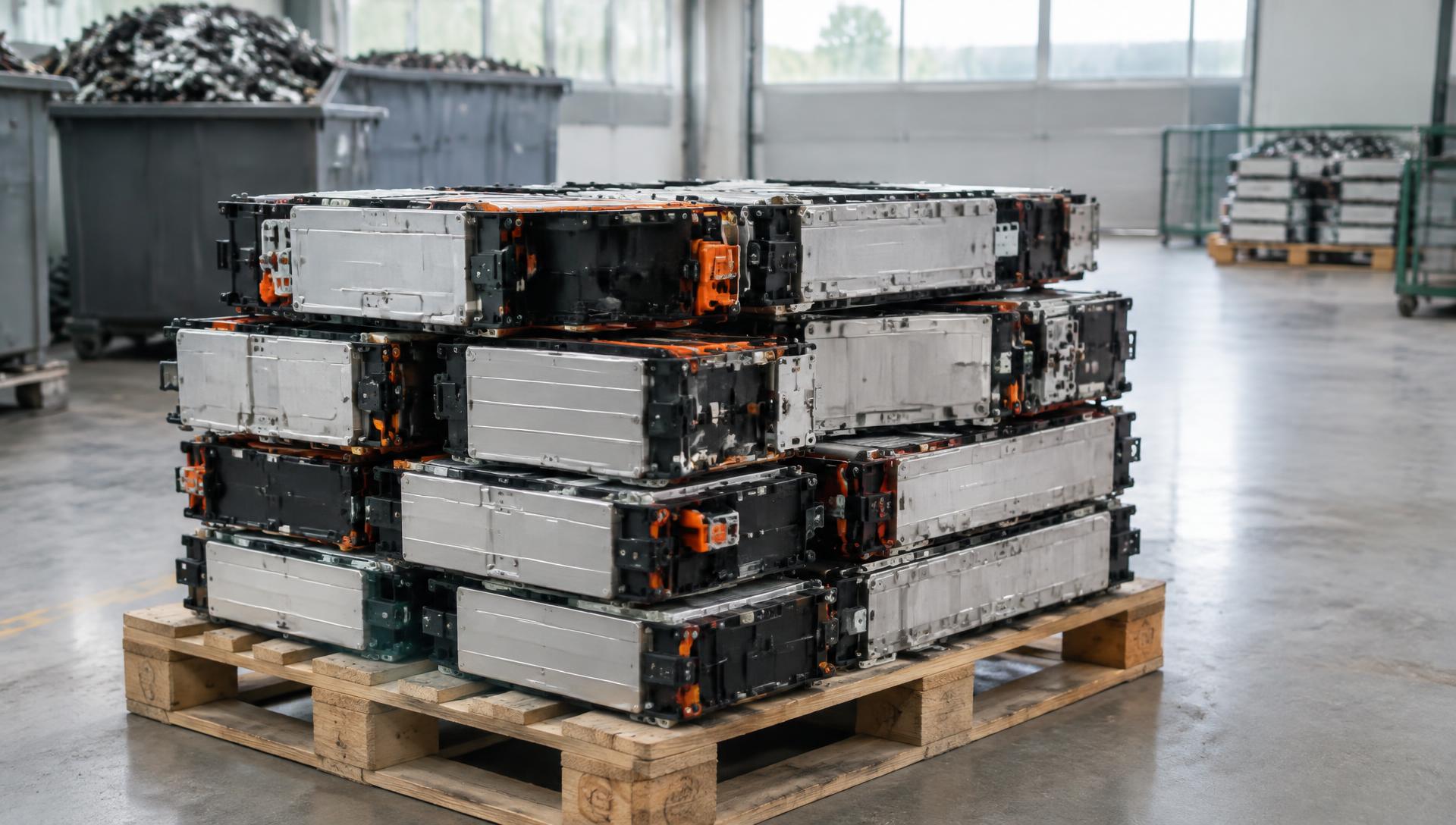
What happens to a home battery at the end of its life?
Extend first, recycle second, landfill never. Tesla's published end-of-life policy, and what to ask before you buy any battery.
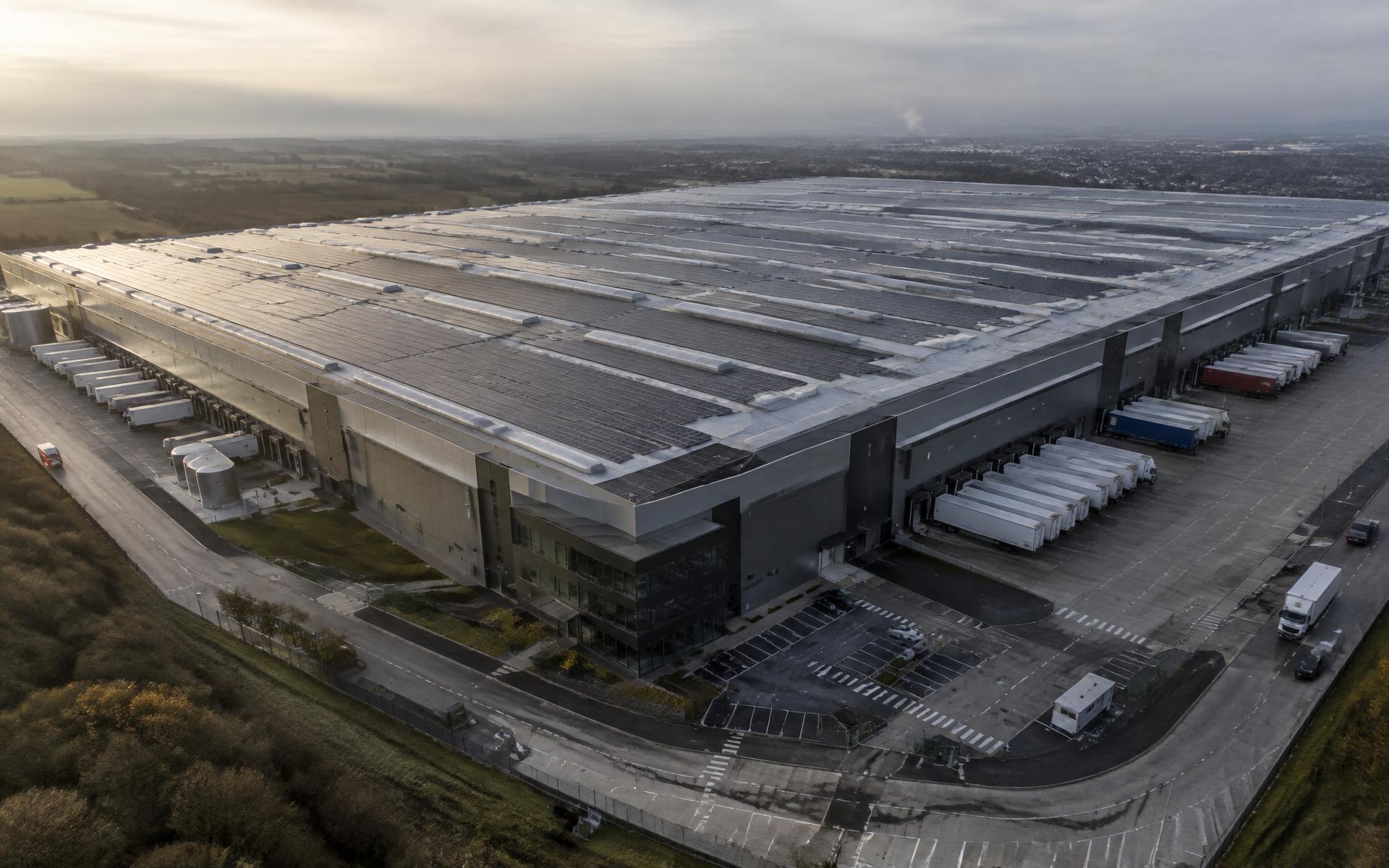
Solar on an east-west facing roof
Ten to twenty per cent less per panel, twice the roof to use, and output across the whole working day. The plain answer for a building that doesn't face south.
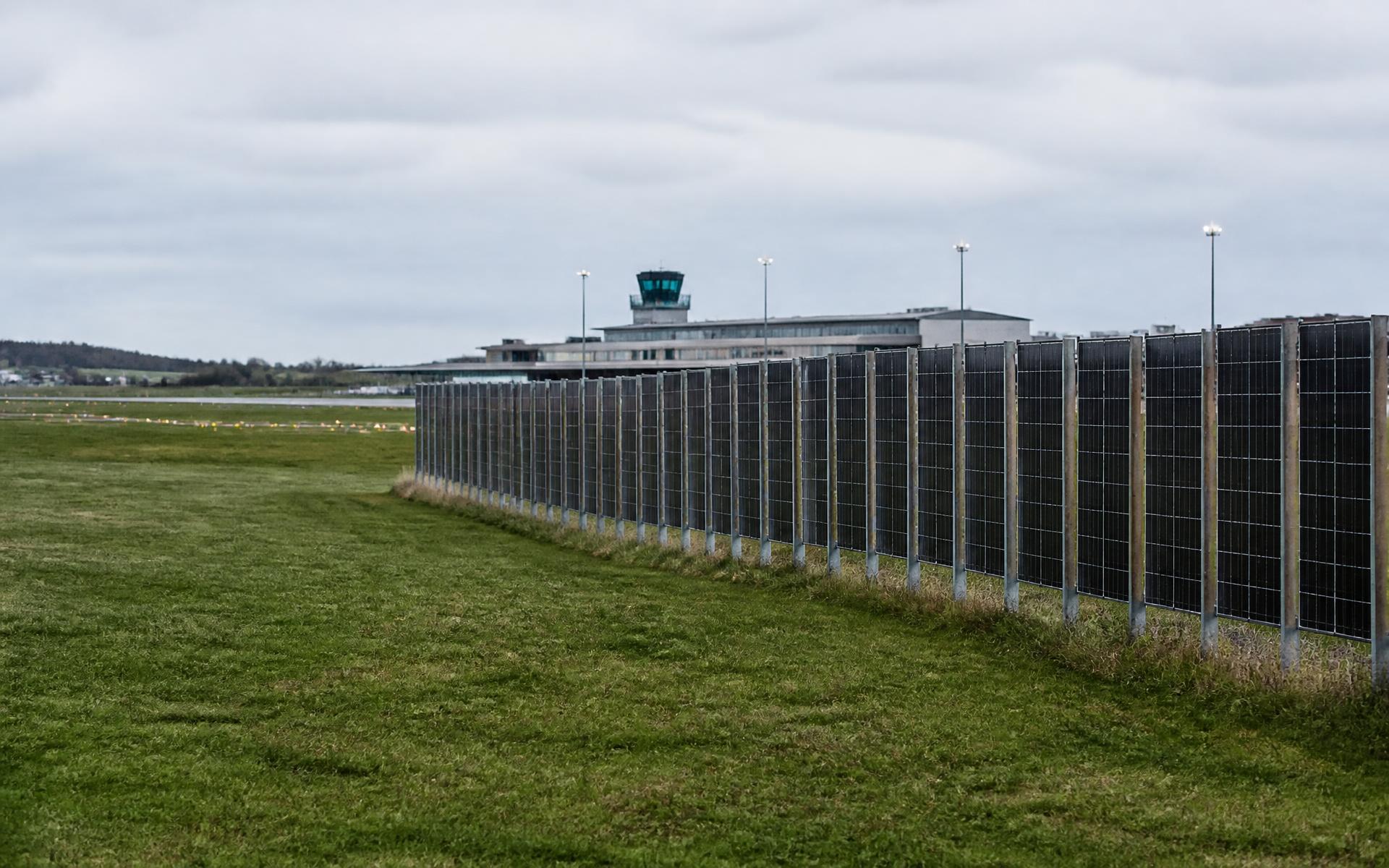
The best-defended solar site in Britain is behind an airport fence
Mown grass, kilometres of perimeter and a large continuous load next door. What an airport microgrid actually looks like.
Use them where you make your own electrons
Serve the businesses next door over private wire, then let containerised compute eat whatever the grid won't take.

The eclipse and the grid
A predictable dive in national solar, a kettle surge on the other side, and a free rehearsal for every ordinary evening.
Why 1% of the UK is all we need
We don't have a land problem. We have a coordination problem.

Fragmented Funding
The capital is already there. It's just scattered across six different desks.

Powering the Future: Community Bonds
What if a community could keep the returns on its own infrastructure?
Why Ground Screws are the Future of UK Commercial Solar Farms
Time is capital. Earth is an asset. Concrete is a liability.
Local Net Zero: the support already on the table
Hubs, Accelerators, Great British Energy, the Community Fund, what's on offer, and how to find the door.
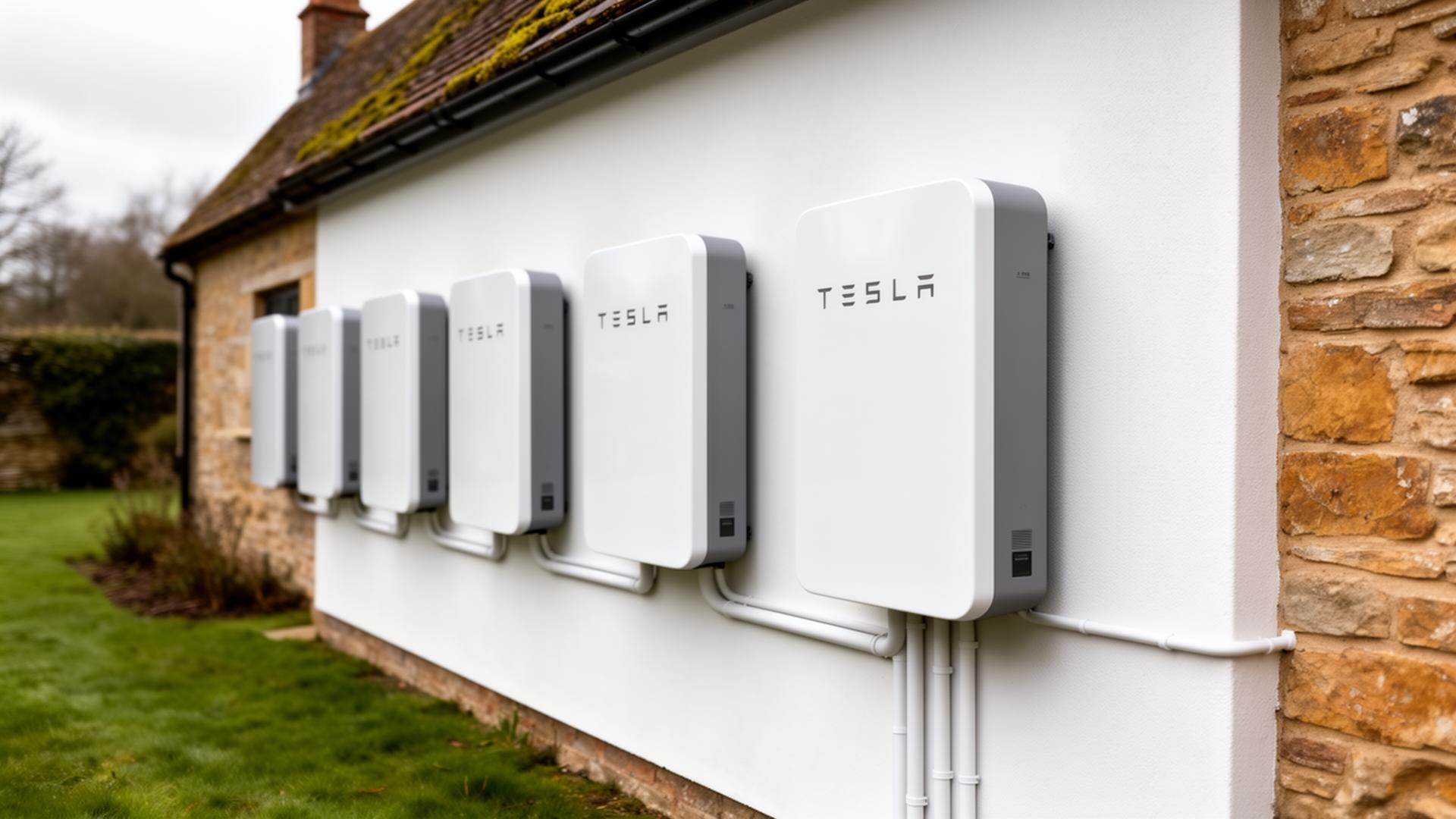
Global Quality, Local Installation
Why we install Tesla, and what a four-Powerwall replacement says about backing customers for decades.
The Evolution of Work: From Watt to Joule
Joule gave the scientific 'why' to the practical 'how' Watt had already commercialized, and that's why your bill is in kWh.
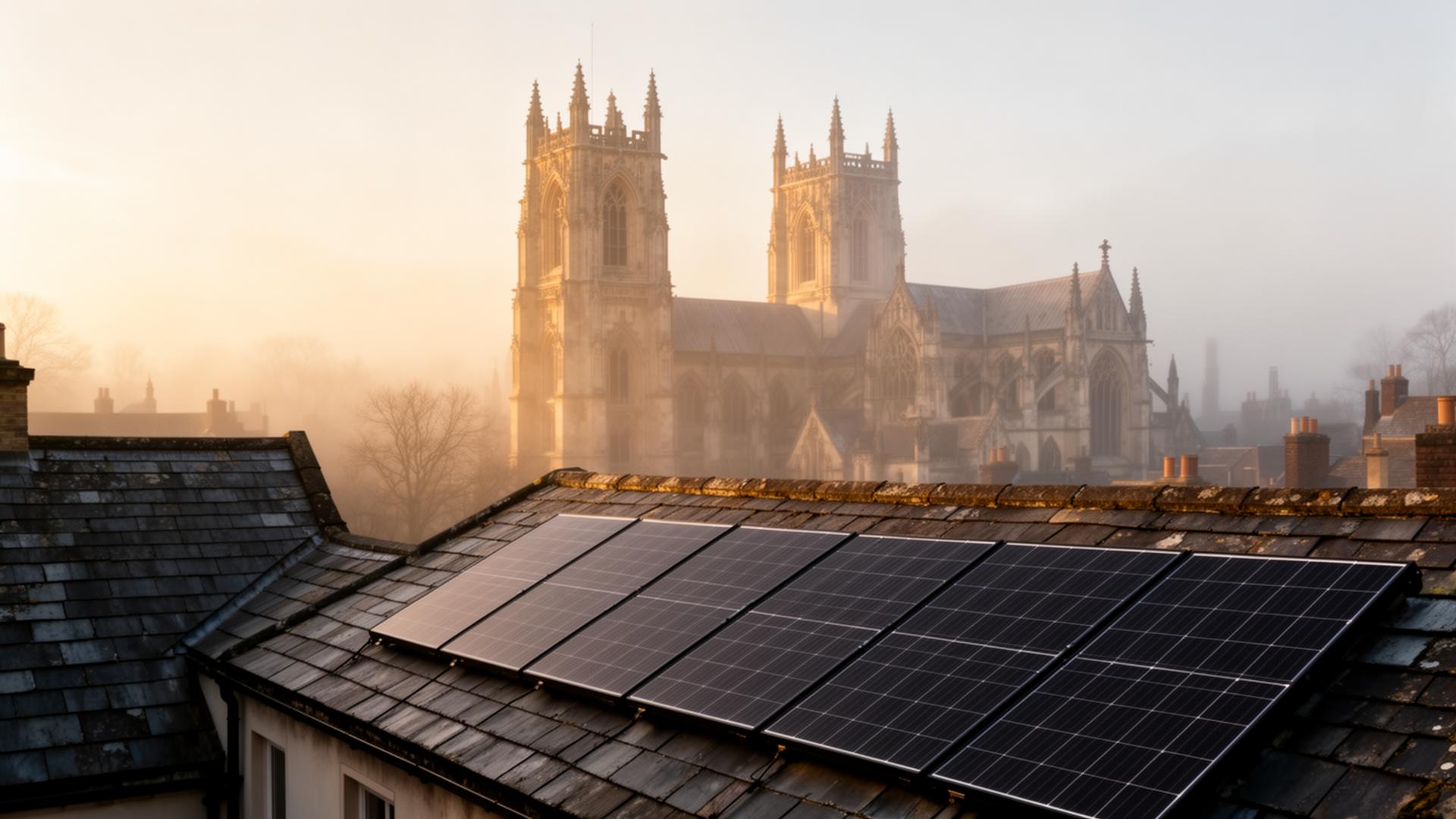
Let There Be Light: York Minster and the cathedral as civic leader
184 panels, £20,000 saved in six months, and a signal from the institution that has watched the British landscape the longest.

Shade as a Resource: agrivoltaics for British vineyards
What a 2018 Oregon study tells us, and what it doesn't, about putting solar above vines.
SEG, PPAs and the rise of symmetric pricing
Three layers for selling solar back to the grid, and a fourth idea that aligns the home with the system operator.
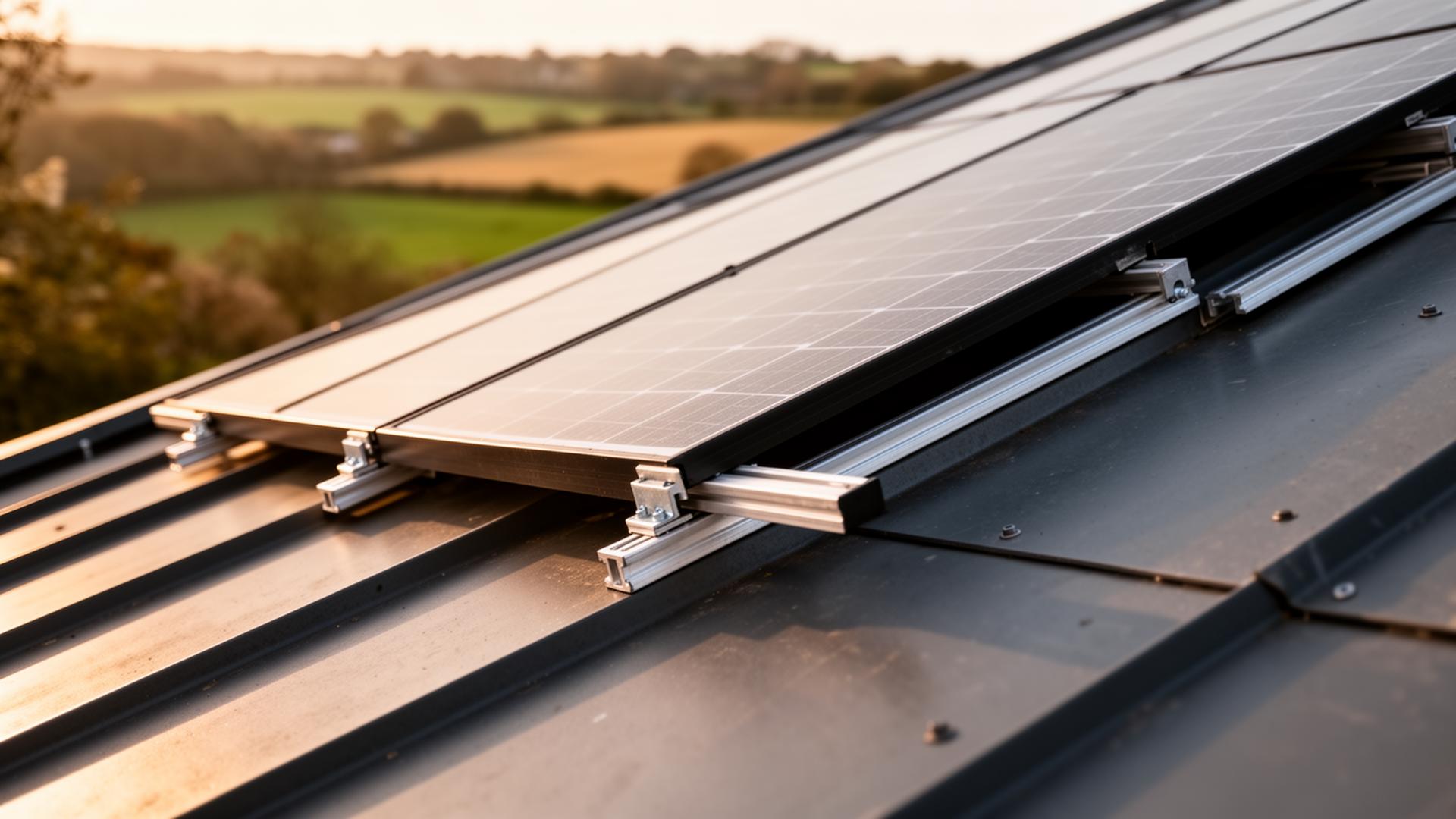
Mini Rails vs Long Rails
The mounting structure is the second-largest source of embodied carbon in a solar system. Two short profiles or one long one, it matters.
Biodiversity Net Gain: the 10% that changes the maths
Statutory BNG is now the law for almost every piece of development in England. For solar, it is an opportunity hiding inside an obligation.
Reclaiming VAT on farm solar
Solar panels are plant and machinery. For most VAT-registered farms, that means the 20% input tax comes back, and capital allowances stack on top.
East-West arrays: the economics on constrained UK sites
Lower yield per panel, higher revenue per hectare. Why midday peaks are now a liability.
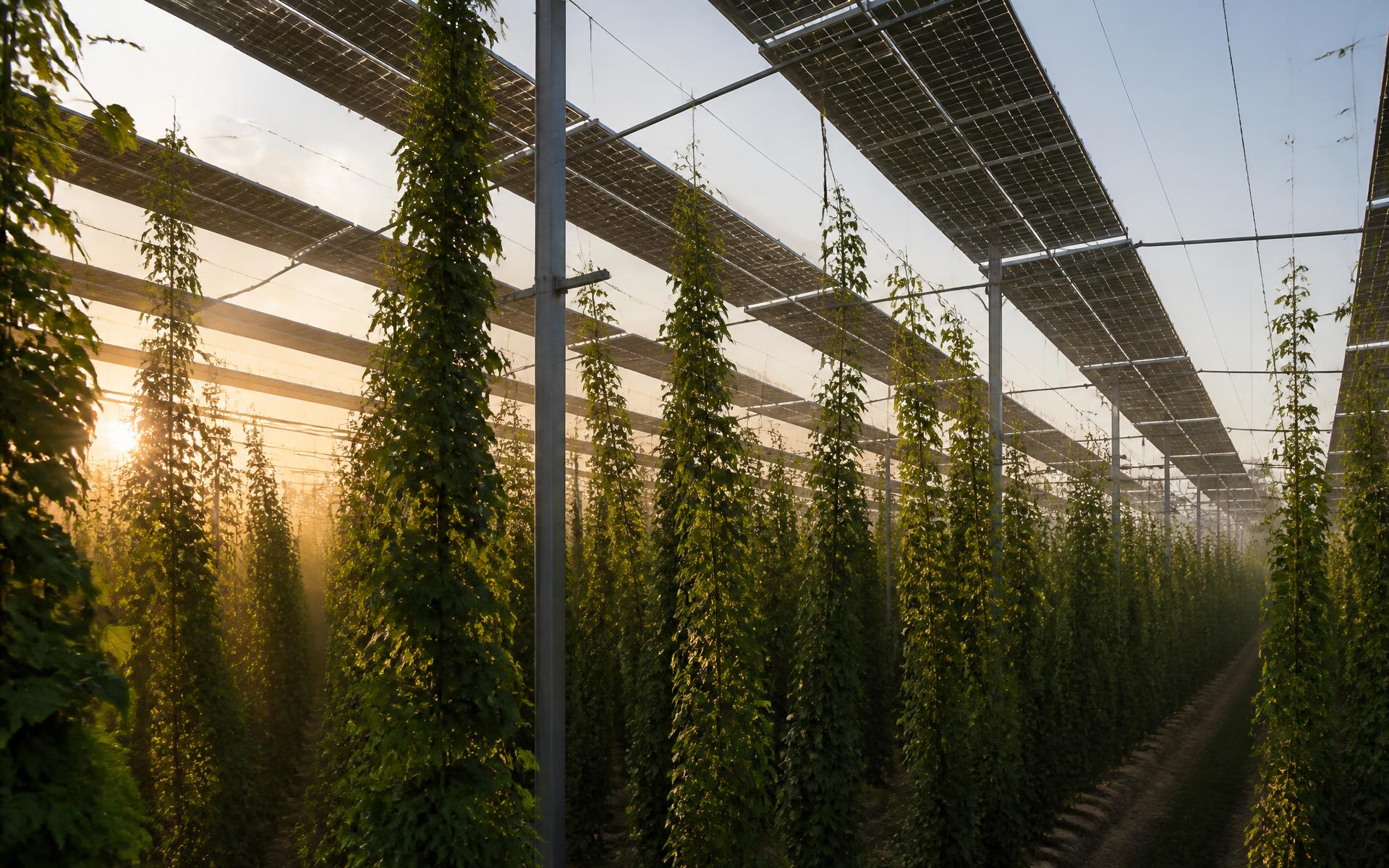
The hop garden that became a power station
977 kWp seven metres above a working hop garden. What Fraunhofer's HoPVen trial means for British growers, and what it doesn't yet prove.
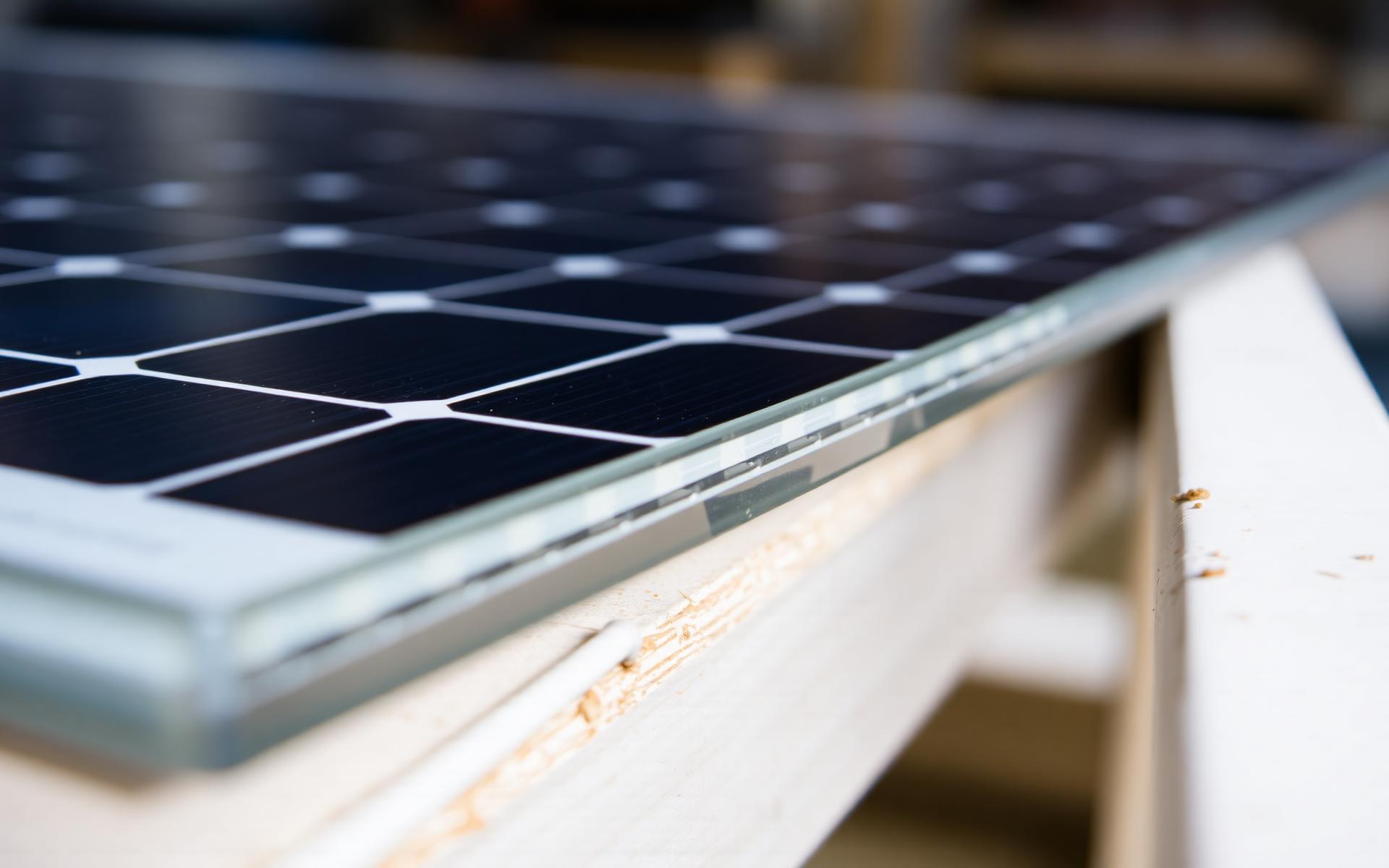
Should you wait for better panels?
Cadmium telluride is real, cheap at gigawatt scale and not sold to you. The choice on a British roof is which silicon, and why we specify glass-glass.
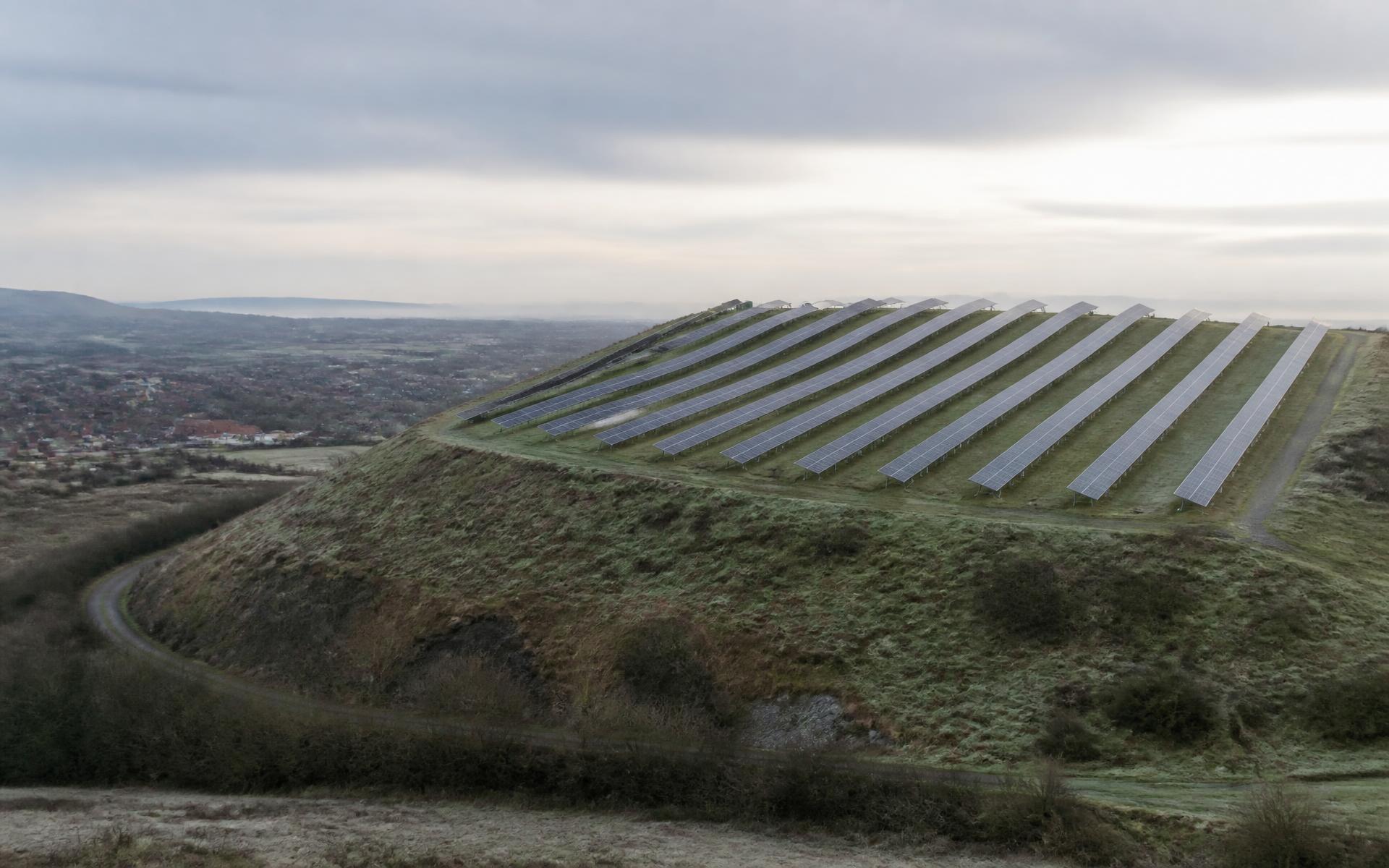
The hill made of rubbish that pays rent
New Haven put 1,900 panels on a capped landfill. Britain has twenty thousand of these hills and no policy pointing at one of them.