SEG, PPAs and the rise of symmetric pricing.
The UK has three layers for selling solar back to the grid. A fourth idea, symmetric, time-coupled pricing, may turn out to be the most important of all.
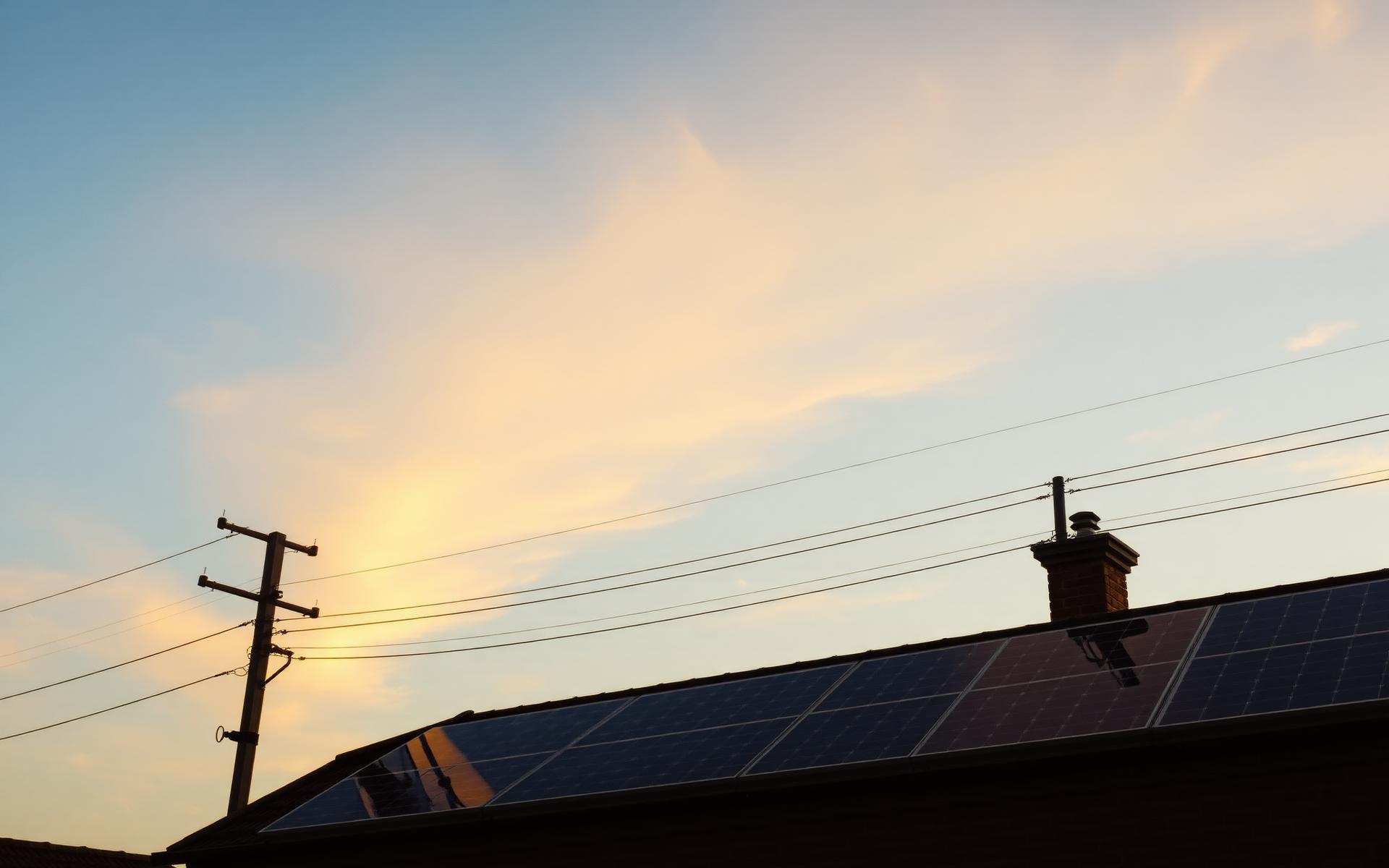
Layer 1. The Smart Export Guarantee
The Smart Export Guarantee launched in January 2020 to replace the closed Feed-in Tariff. Administered by Ofgem, it requires every licensed electricity supplier with more than 150,000 domestic customers to offer at least one export tariff to small-scale low-carbon generators, solar PV, wind, hydro, anaerobic digestion and micro-CHP up to 5 MW (50 kW for micro-CHP).
SEG is a regulatory floor, not a price. Suppliers must offer something, the rate must be greater than zero at all times, and the generator needs an export-capable smart meter. Beyond that, the rate, the structure (fixed or variable) and the contract length are entirely up to the supplier. That is why headline rates range from around 3p/kWh at the bottom of the market to 15–16.5p/kWh at the top.
Layer 2. Supplier SEG products
Each supplier's actual export tariff is a product wrapped around the SEG obligation. Octopus Outgoing, E.ON Next Export Exclusive and Good Energy Solar Savings are all SEG tariffs, different brand names for the same regulated mechanism. The variations matter:
- Fixed vs variable. Octopus Outgoing Fixed pays a flat rate per exported kWh. Octopus Agile Outgoing pays a half-hourly variable rate tracking day-ahead wholesale prices. Both are SEG; the second exposes you to the time-of-export value of your electrons.
- Bundled vs standalone. Several of the highest published rates require you to also buy your import electricity from the same supplier. Good Energy's Solar Savings is one of the few historically open to standalone export customers.
- Smart meter and DNO sign-off. Every SEG tariff requires a SMETS2 (or compliant SMETS1) meter and G98/G99 approval from your Distribution Network Operator. Without both, no supplier can pay you.
Layer 3. Commercial Power Purchase Agreements
Above 5 MW, and often well below, for any installation that wants to negotiate seriously, you leave SEG behind and enter the world of bilateral Power Purchase Agreements. A PPA is a private contract between a generator and an off-taker: a supplier, a utility, or sometimes a corporate buyer directly. The legal framework is entirely different.
- Term. Typically 1–15 years, against SEG's effectively month-to-month posture.
- Price structure. Fixed, indexed to wholesale, floor-plus-share, or CfD-style. PPAs are the natural home for hedging.
- REGO certificates. The Renewable Energy Guarantee of Origin is the green-attribute certificate. PPAs almost always specify whether REGOs transfer with the power or are retained by the generator, often 5–15% of the total value.
A clean mental model: SEG is the consumer-protection floor for small generators. PPAs are the open market for serious volume. The boundary at 5 MW is regulatory rather than technical.
The fourth idea, symmetric pricing
Every SEG tariff and most PPAs share one assumption: import and export are priced separately. You pay one number when you buy from the grid; you receive a smaller, unrelated number when you sell back. The gap between those numbers is the supplier's spread, and for a typical UK household it sits somewhere between 15p and 25p per kWh.
Octopus Flux, launched in February 2023, was the first widely available UK domestic tariff to attack that spread directly. The structure is unusual: the day is split into three time bands, and in each band, the import rate and the export rate are set together, cheap to buy and cheap to sell overnight, expensive to buy and expensive to sell at peak.
| Window | Import (p/kWh) | Export (p/kWh) | Spread |
|---|---|---|---|
| 02:00 – 05:00 (off-peak) | ~17p | ~10p | 7p |
| Day (standard) | ~27p | ~20p | 7p |
| 16:00 – 19:00 (peak) | ~37p | ~30p | 7p |
Indicative figures based on Octopus's published Flux structure. Current rates differ by region and are updated periodically.
The spread is not zero, but it is symmetric in shape: roughly 7p across the whole day in either direction. That changes the household's incentive completely. Instead of being paid one price and charged another regardless of timing, you are now arbitraging the grid alongside Octopus. Charge a battery at 17p, sell back at peak for 30p, and the home behaves like a micro-utility.
A second product, Intelligent Octopus Flux, goes further: you cede direct control of the battery to Octopus, and in return the platform optimises charge and discharge against wholesale signals on your behalf. Symmetry plus delegation.
Is Octopus really the first?
Honest answer: first at meaningful scale, yes; first ever, with caveats. Several supplier-side experiments offered time-of-use export pricing before Flux launched in February 2023, the Powervault and Open Energi DSR pilots, various Agile Outgoing combinations, but none packaged import and export onto a single coordinated schedule and offered it as a standard retail tariff to any solar-plus-battery customer in the country.
Flux was also genuinely first in the design pattern that matters: pricing the two directions on the same clock, with the same shape, so that a household optimising for one signal automatically optimises for the other. That is the structural innovation. Competitors have since moved in the same direction. E.ON Next, Good Energy and others have added time-of-use export variants, but Flux set the template.
Footnote for readers checking dates in 2026: Octopus paused new sign-ups to standard Flux in March 2026 while it consolidates the product line behind Intelligent Flux. Existing customers remain on the tariff. The structural argument below does not depend on the specific product staying open.
Why symmetric pricing matters
A decentralised grid only works if the prosumers at the edge, households with solar and batteries, EV fleets, small commercial sites, respond to the same price signals the system operator is responding to. Asymmetric pricing breaks that loop. When you are paid 5p for export and charged 30p for import, the rational behaviour is to self-consume aggressively and ignore what the wider grid needs at any given moment. Multiply that across millions of homes and you get exactly the wrong outcome: batteries full when the grid is screaming for discharge, batteries empty when the grid has surplus wind.
Symmetric, time-coupled pricing fixes the incentive. If peak export pays 30p because peak demand is real, then every battery on the network has a financial reason to discharge into that moment. The household and the system operator are now solving the same optimisation problem with the same numbers. That is what a functioning decentralised market looks like.
The point of a symmetric tariff is not the rate. It is the alignment.
What it requires of the grid
- Half-hourly settlement everywhere. Ofgem's Market-wide Half-Hourly Settlement programme is the precondition. Without it, suppliers cannot price half-hours differently because they are not billed for half-hours differently themselves.
- Distribution-level visibility. A DNO needs to know, in close to real time, what is flowing on each feeder. Otherwise a symmetric tariff that successfully signals "discharge at 5pm" can overload a local substation that was never designed for two-way power.
- Flexible connection agreements. The traditional firm-export connection is the wrong product for a battery that wants to participate in peak windows. Curtailable, dynamic and flexible connection types need to become routine, and priced.
- A working balancing market for small assets. Aggregators like Octopus's Kraken platform are how millions of small batteries get to bid into ancillary services. That stack needs to keep being opened up by NESO.
The boundary between layers, restated
- SEG is the regulatory obligation. Floor only, ≤5 MW, domestic and small-commercial.
- Supplier SEG products are the actual tariffs you sign up to. Octopus Outgoing, E.ON Next Export Exclusive and Good Energy Solar Savings sit here.
- Commercial PPAs are bilateral contracts above 5 MW, or below it when negotiated bespoke. Different legal framework, longer terms, REGO handling explicit.
- Symmetric time-of-use tariffs (Flux and its successors) are a new structural pattern that sits on top of layers 1–2. The same supplier, but pricing import and export on the same clock so the household optimises for the grid's actual need.
For anyone modelling solar export economics today, all four layers matter. SEG and PPAs set the baseline value of a kWh sold. Symmetric tariffs change the question from "what is my export rate?" to "what is my arbitrage spread, and how much storage do I need to capture it?" The second question is much more interesting, and increasingly, much more lucrative.
There is a fifth option that sidesteps the sell-side entirely, which is not to sell at all: see use them where you make your own electrons on private wire supply to local businesses and on-site loads.
In short
There are three ways to sell UK solar back to the grid: the Smart Export Guarantee, a commercial power purchase agreement, and time-of-use export tariffs. A fourth idea, symmetric pricing, pays the same price for exporting a kilowatt hour as it charges for importing one at that moment, which aligns household behaviour with system need.
Common questions
What is the Smart Export Guarantee?
The SEG obliges larger British electricity suppliers to offer a tariff paying for exported renewable electricity. Rates are set by each supplier rather than by government, so they vary widely and are worth comparing rather than accepting by default.
How much do you get paid for exporting solar electricity?
Flat SEG rates are typically a few pence per kilowatt hour, time-of-use export tariffs pay more in the evening peak and less at midday, and a commercial power purchase agreement prices against wholesale over a long term. In every case export is worth a fraction of the retail price you avoid by using the unit yourself.
Is a power purchase agreement better than the SEG?
For a large generator, usually. A PPA prices volume over years and can include shape and balancing terms, which suits a site exporting serious quantities. For a household the administrative overhead outweighs the gain, so the choice is between SEG tariffs.
What is symmetric pricing?
Paying the same price for a unit exported as is charged for a unit imported at that moment. It makes the household's incentive identical to the system's need: store or shift when power is scarce and expensive, release when it is valuable, with no arbitrage against the tariff design.
Continue reading
All essays →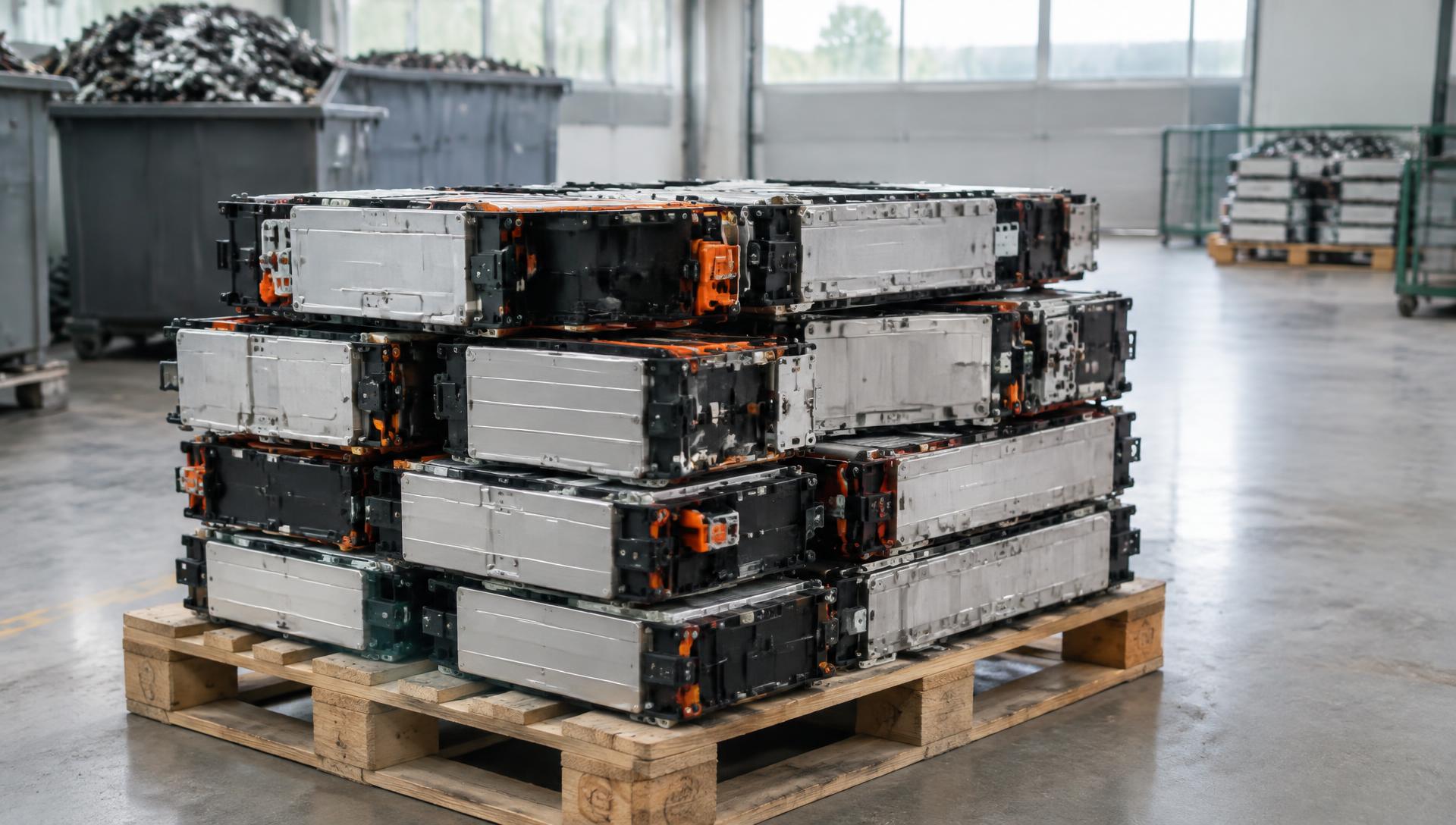
What happens to a home battery at the end of its life?
Extend first, recycle second, landfill never. Tesla's published end-of-life policy, and what to ask before you buy any battery.

Solar on an east-west facing roof
Ten to twenty per cent less per panel, twice the roof to use, and output across the whole working day. The plain answer for a building that doesn't face south.
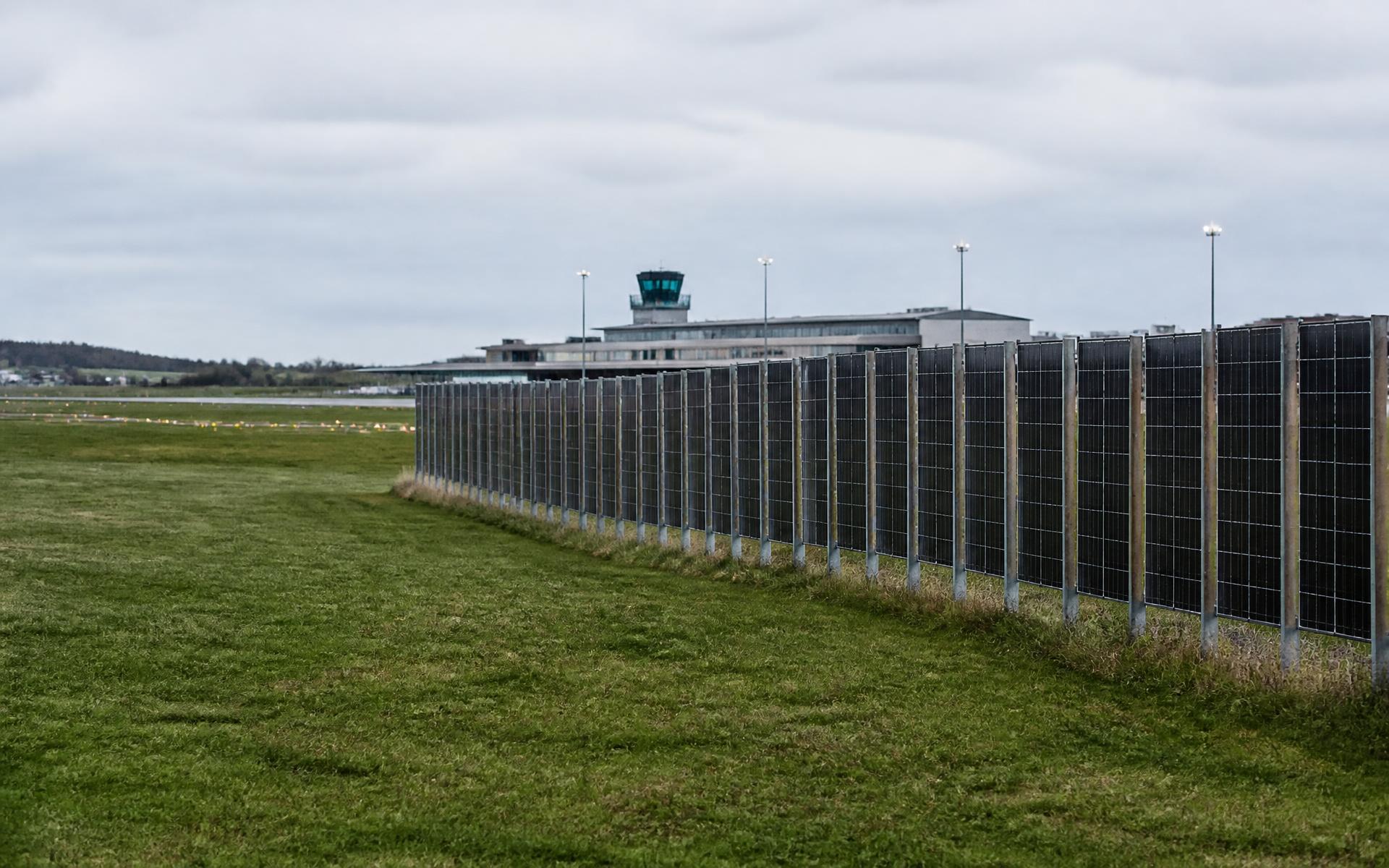
The best-defended solar site in Britain is behind an airport fence
Mown grass, kilometres of perimeter and a large continuous load next door. What an airport microgrid actually looks like.
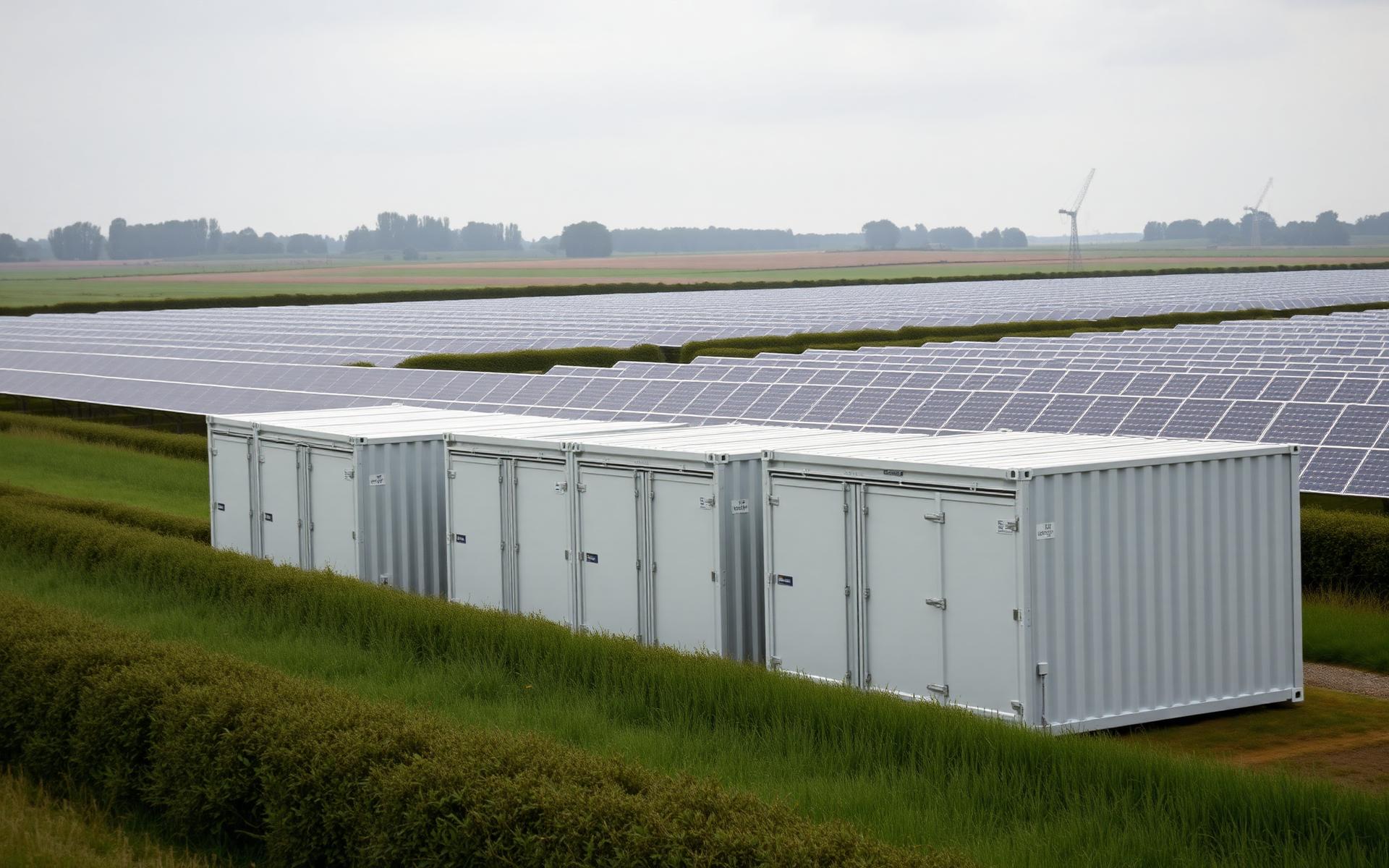
Use them where you make your own electrons
Serve the businesses next door over private wire, then let containerised compute eat whatever the grid won't take.

The eclipse and the grid
A predictable dive in national solar, a kettle surge on the other side, and a free rehearsal for every ordinary evening.
Why 1% of the UK is all we need
We don't have a land problem. We have a coordination problem.

Fragmented Funding
The capital is already there. It's just scattered across six different desks.

Powering the Future: Community Bonds
What if a community could keep the returns on its own infrastructure?

Why Ground Screws are the Future of UK Commercial Solar Farms
Time is capital. Earth is an asset. Concrete is a liability.

Local Net Zero: the support already on the table
Hubs, Accelerators, Great British Energy, the Community Fund, what's on offer, and how to find the door.
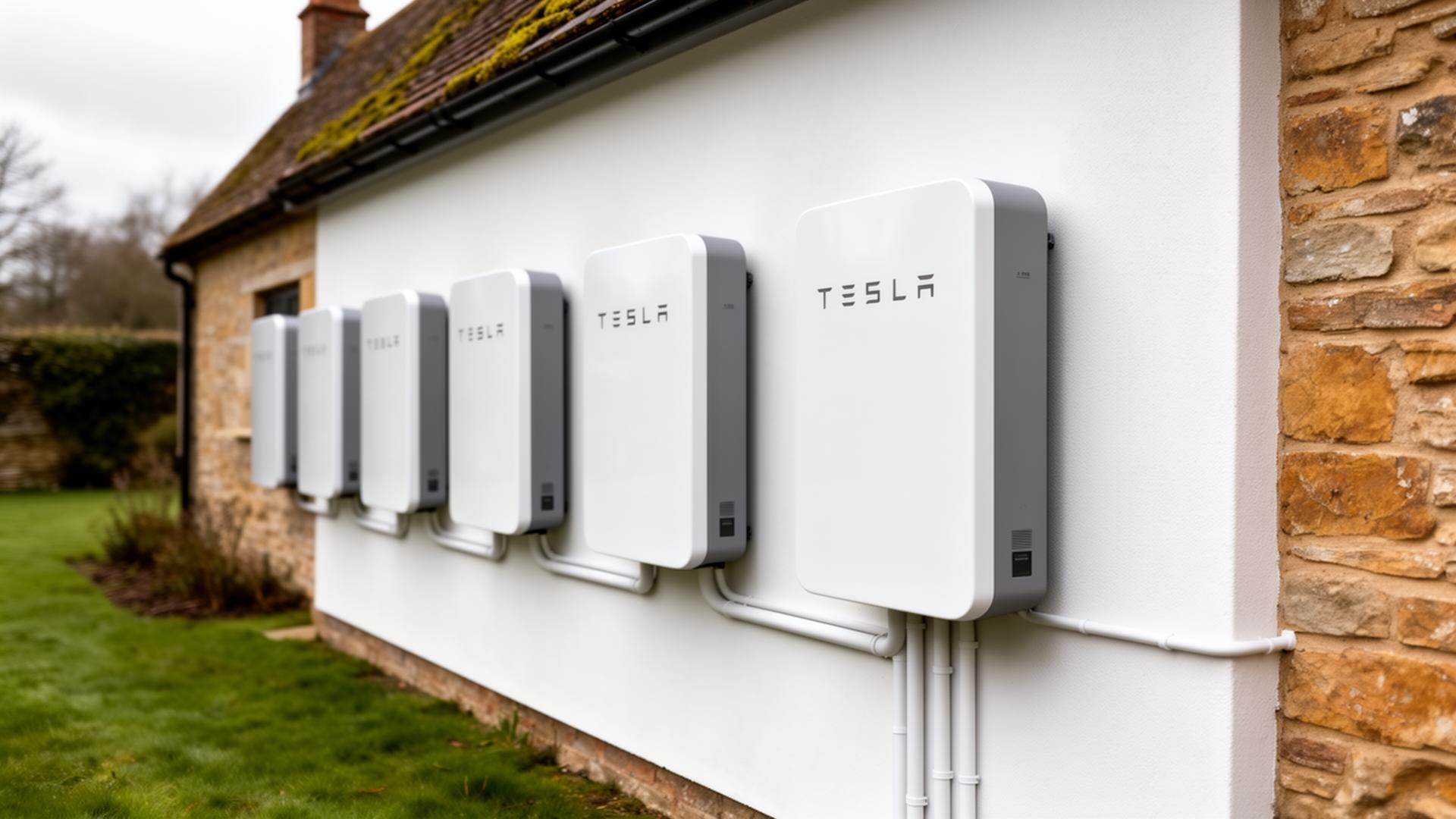
Global Quality, Local Installation
Why we install Tesla, and what a four-Powerwall replacement says about backing customers for decades.

The Evolution of Work: From Watt to Joule
Joule gave the scientific 'why' to the practical 'how' Watt had already commercialized, and that's why your bill is in kWh.

Let There Be Light: York Minster and the cathedral as civic leader
184 panels, £20,000 saved in six months, and a signal from the institution that has watched the British landscape the longest.

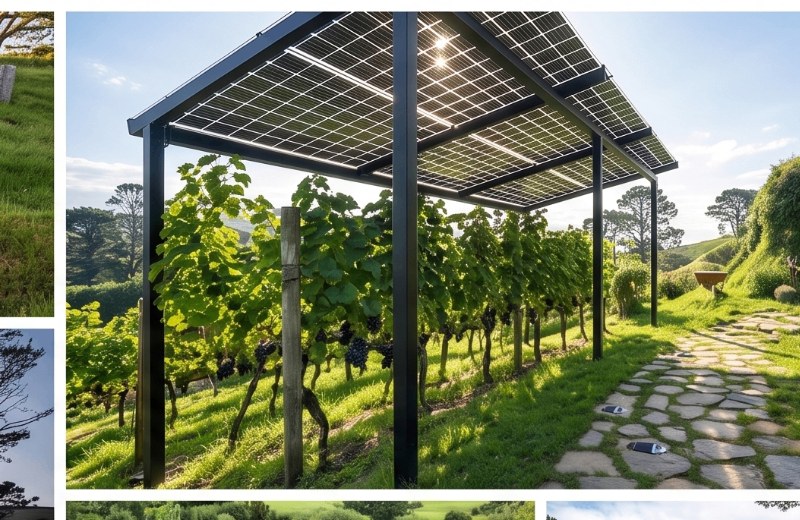
Shade as a Resource: agrivoltaics for British vineyards
What a 2018 Oregon study tells us, and what it doesn't, about putting solar above vines.

Mini Rails vs Long Rails
The mounting structure is the second-largest source of embodied carbon in a solar system. Two short profiles or one long one, it matters.
Playing the DNO: how to fast-track a slow connection
You can't choose your Distribution Network Operator. You can choose how you submit, and that is usually the whole game.

Biodiversity Net Gain: the 10% that changes the maths
Statutory BNG is now the law for almost every piece of development in England. For solar, it is an opportunity hiding inside an obligation.
Reclaiming VAT on farm solar
Solar panels are plant and machinery. For most VAT-registered farms, that means the 20% input tax comes back, and capital allowances stack on top.
East-West arrays: the economics on constrained UK sites
Lower yield per panel, higher revenue per hectare. Why midday peaks are now a liability.

The hop garden that became a power station
977 kWp seven metres above a working hop garden. What Fraunhofer's HoPVen trial means for British growers, and what it doesn't yet prove.
Should you wait for better panels?
Cadmium telluride is real, cheap at gigawatt scale and not sold to you. The choice on a British roof is which silicon, and why we specify glass-glass.
The hill made of rubbish that pays rent
New Haven put 1,900 panels on a capped landfill. Britain has twenty thousand of these hills and no policy pointing at one of them.