Why Ground Screws are the Future of UK Commercial Solar Farms.
Time is capital. Earth is an asset. Concrete is a liability. Screw piles wind into the ground in minutes, and wind back out at the end.
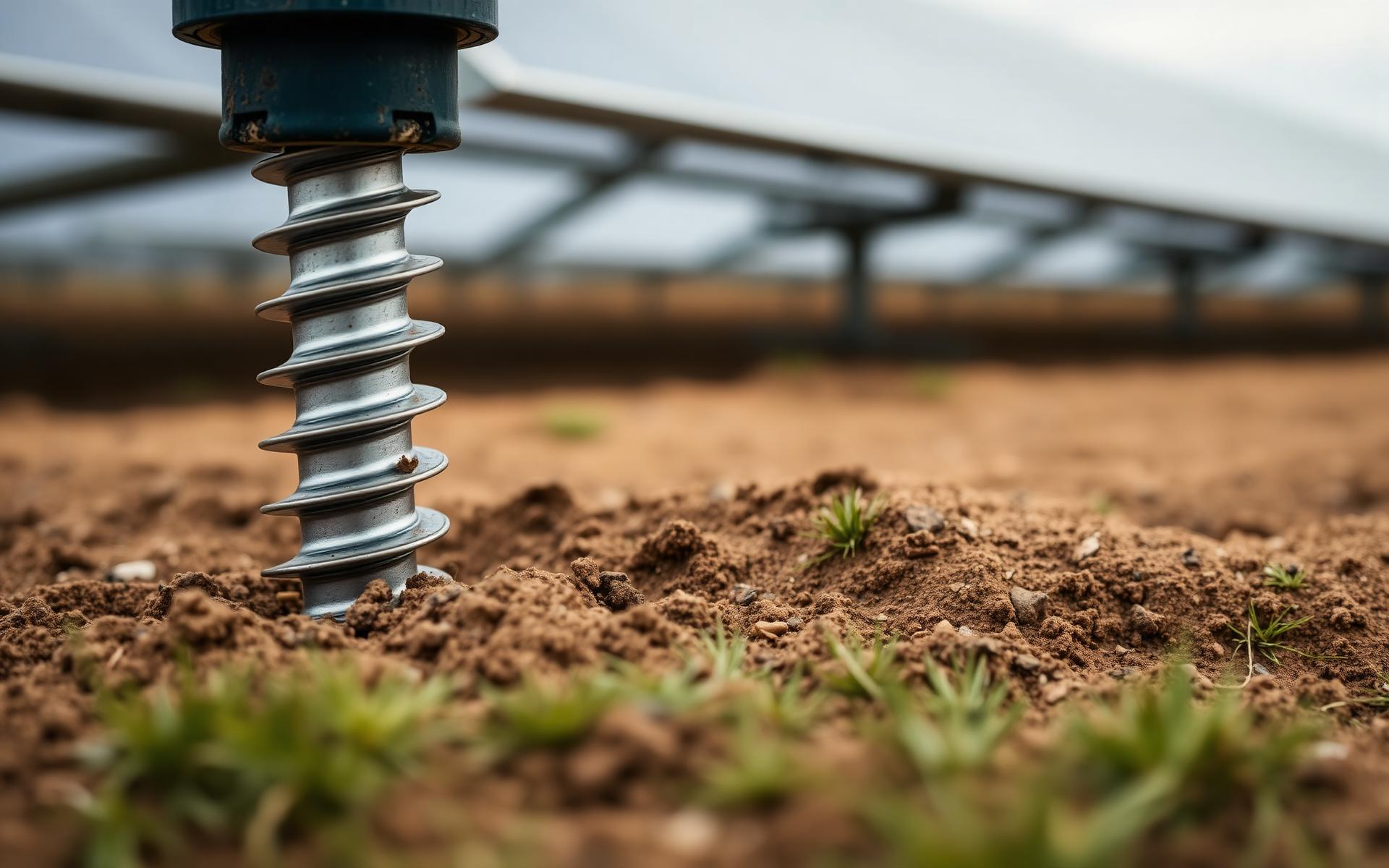
In the UK commercial solar sector, deployment speed dictates your ultimate return on investment. But to understand the financial model, we must strip away the industry trends and look strictly at the physical reality of the asset. A solar farm is an industrial mechanism designed to capture photons. To do that efficiently, hundreds of tons of steel and silicon must sit precisely angled above the mud, resisting decades of wind shear, frost heave, and gravity.
Historically, we dug trenches. We displaced topsoil. We poured concrete and buried capital in the ground.
That model is no longer economically or ecologically viable.
First Principles: The Physics of the Anchor
A solar array is a structural sail. Wind creates uplift. Gravity creates subsidence. The foundation's only job is load transfer.
Concrete relies on dead mass. It fights wind with weight. Ground screws rely on geometry. They fight wind with tensile friction.
When a winter gale sweeps across a twenty-megawatt photovoltaic array, the resulting aerodynamic pressure creates violent, upward-pulling forces that must be channeled cleanly through the racking architecture and dissipated deep into the stabilizing friction of the earth's lower strata. The helical threads of a ground screw bite actively into the undisturbed subsoil, locking the steel shaft into the earth without destroying the soil's natural, load-bearing compaction.
The Economics of Speed and Risk
Excavation is slow. Weather delays cost money. Concrete requires 28 days of curing time.
By deploying ground screws, we eliminate wet trades entirely from the critical path. The installation becomes a rapid, mechanized process of torque and driving force.
| Structural Approach | Deployment Velocity | Curing Delay | Financial & Operational Impact |
|---|---|---|---|
| Concrete Footings | ~20–30 units per day | 28 days | High weather dependency; halts entirely during UK winter freezes. |
| Deep Ground Screws | ~200–300 units per day | 0 days | Immediate load-bearing capacity; reduces labour CapEx by up to 65%. |
| Excavation Needs | Heavy machinery required | Zero | Eliminates soil removal costs, landfill fees, and heavy tracking damage. |
You are not just buying steel; you are buying schedule certainty. Ground screws allow deployment to continue through the wet and freezing conditions of the British winter, preventing the stranded capital of a paused construction site.
Legacy: The Land as an Asset
The land itself is your ultimate, underlying asset. A commercial solar lease lasts 25 to 40 years.
Concrete permanently scars the site. Ground screws leave no trace.
If you poison the topsoil with alkaline runoff and bury thousands of tons of immovable aggregate beneath the surface, you are functionally destroying the long-term agricultural viability of the acreage and guaranteeing an exorbitant, cash-draining decommissioning process when the life of the energy asset concludes.
When a ground-screw array reaches the end of its lifecycle, the machines simply reverse. The steel is backed cleanly out of the earth, leaving the soil structure intact, the water table uncontaminated, and the land immediately ready for the plough.
Risk is reduced. Deployment is accelerated. The land is preserved. In the venture architecture of renewable infrastructure, the ground screw is not an alternative, it is the baseline requirement.
We've built a free Geological Foundation Suitability Tool that pulls live British Geological Survey data for any UK postcode and tells you whether ground screws, helical piles, or a site-specific pull-out test is the right call for your bedrock.
Two minutes, three questions. No sales calls unless you ask for one.
The tool gives you a recommendation, a risk gauge, and a direct route to book the right next step, site survey, pull-out test, or design call.
In short
Ground screws, also called screw piles, are steel piles wound into the soil to carry a solar mounting frame. They install in minutes without concrete, cure time or water, they can be load-tested on the day, and they can be unwound at end of life leaving the ground as it was, which is why they suit reversible development and tenanted land.
Common questions
Are ground screws better than concrete for solar?
On most soils, yes. Ground screws need no curing, no water and no spoil, carry load immediately, can be pull-tested on installation day, and are removable at end of life, which avoids both the embodied carbon and the restoration cost of concrete.
How long do ground screws last?
Hot dip galvanised screws are specified for design lives comparable to the array itself, typically 25 years and beyond, with the corrosion allowance chosen from soil resistivity and chemistry measured on site.
What are ground screws, and how are they installed?
They are helical steel piles wound into the ground by a hydraulic driver on an excavator, typically in a few minutes each. Installation torque is recorded as it goes in, which gives a direct reading of the load the pile will carry, so the foundation is verified as it is built.
Do ground screws work in all soil types?
In most. Clays, loams, sands and gravels are straightforward. Shallow rock, made ground with obstructions and very soft peat need either a longer screw, a different helix, or a different foundation altogether. A trial installation and pull test on site answers it before the order is placed.
Can ground screws be removed at the end of a solar farm's life?
Yes, they are unwound with the same machine that installed them and the land returns to its previous state with no concrete left underground. That reversibility is what makes them acceptable to tenant farmers, landlords and planners who want a genuine restoration condition.
Continue reading
All essays →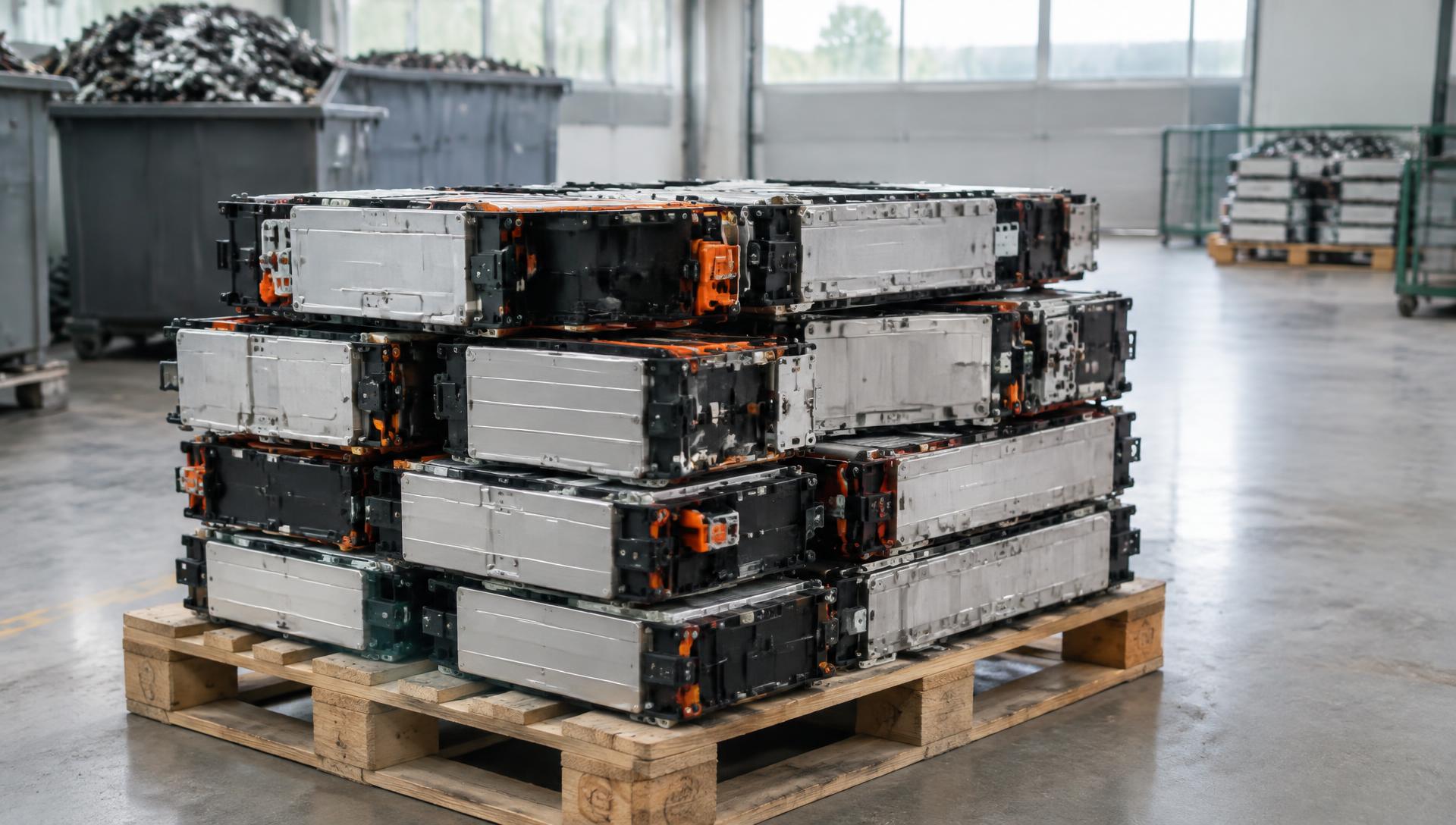
What happens to a home battery at the end of its life?
Extend first, recycle second, landfill never. Tesla's published end-of-life policy, and what to ask before you buy any battery.
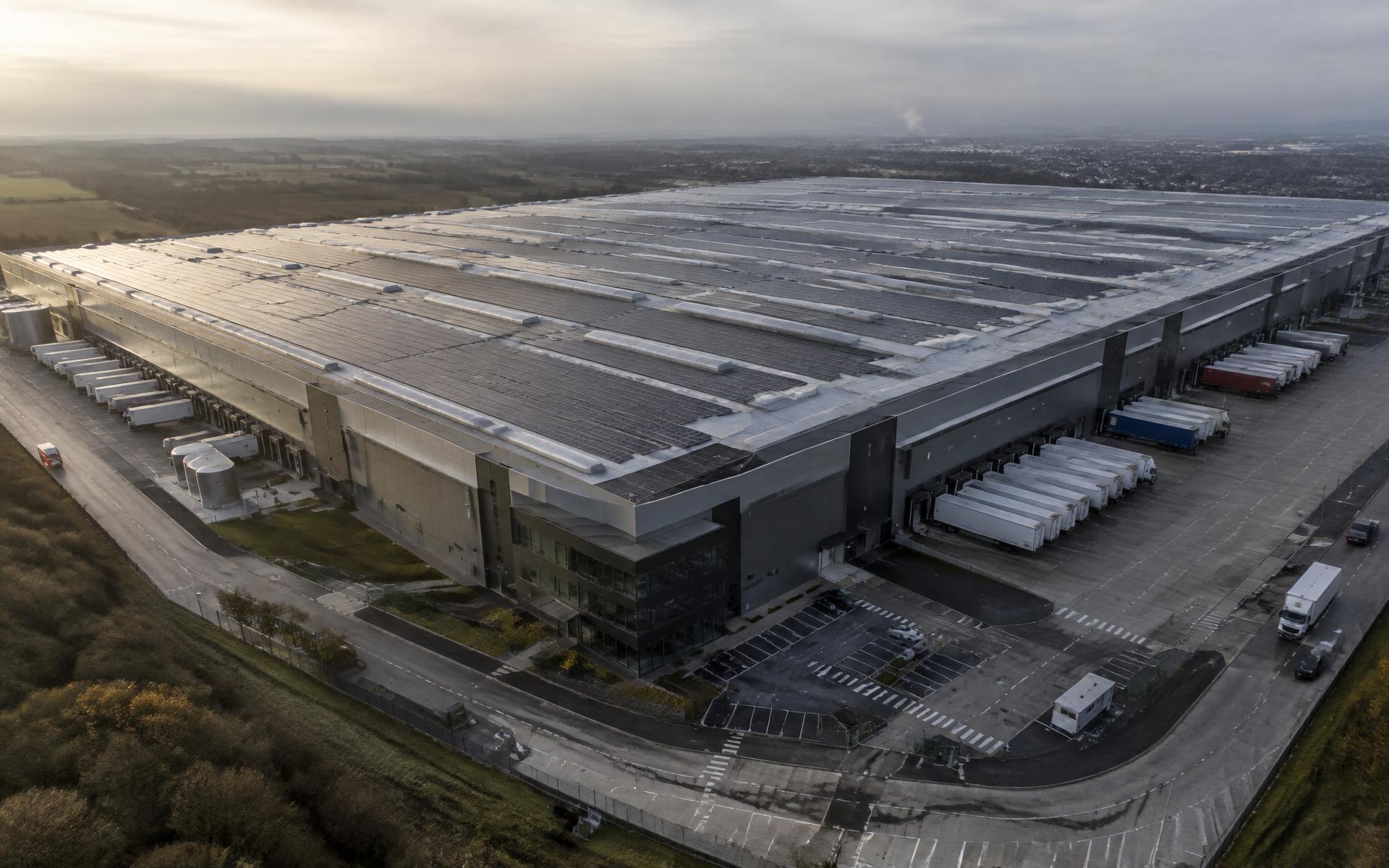
Solar on an east-west facing roof
Ten to twenty per cent less per panel, twice the roof to use, and output across the whole working day. The plain answer for a building that doesn't face south.
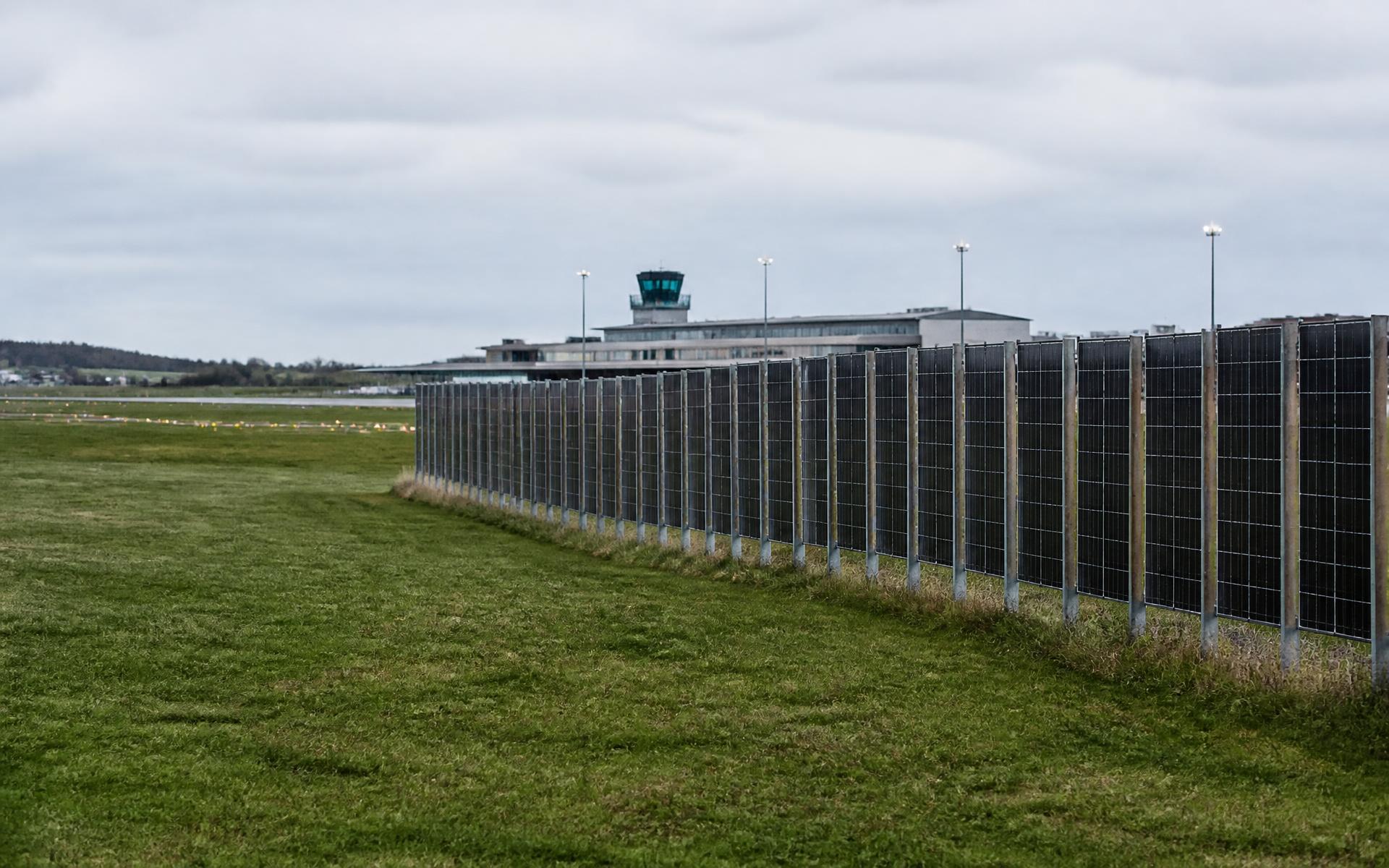
The best-defended solar site in Britain is behind an airport fence
Mown grass, kilometres of perimeter and a large continuous load next door. What an airport microgrid actually looks like.
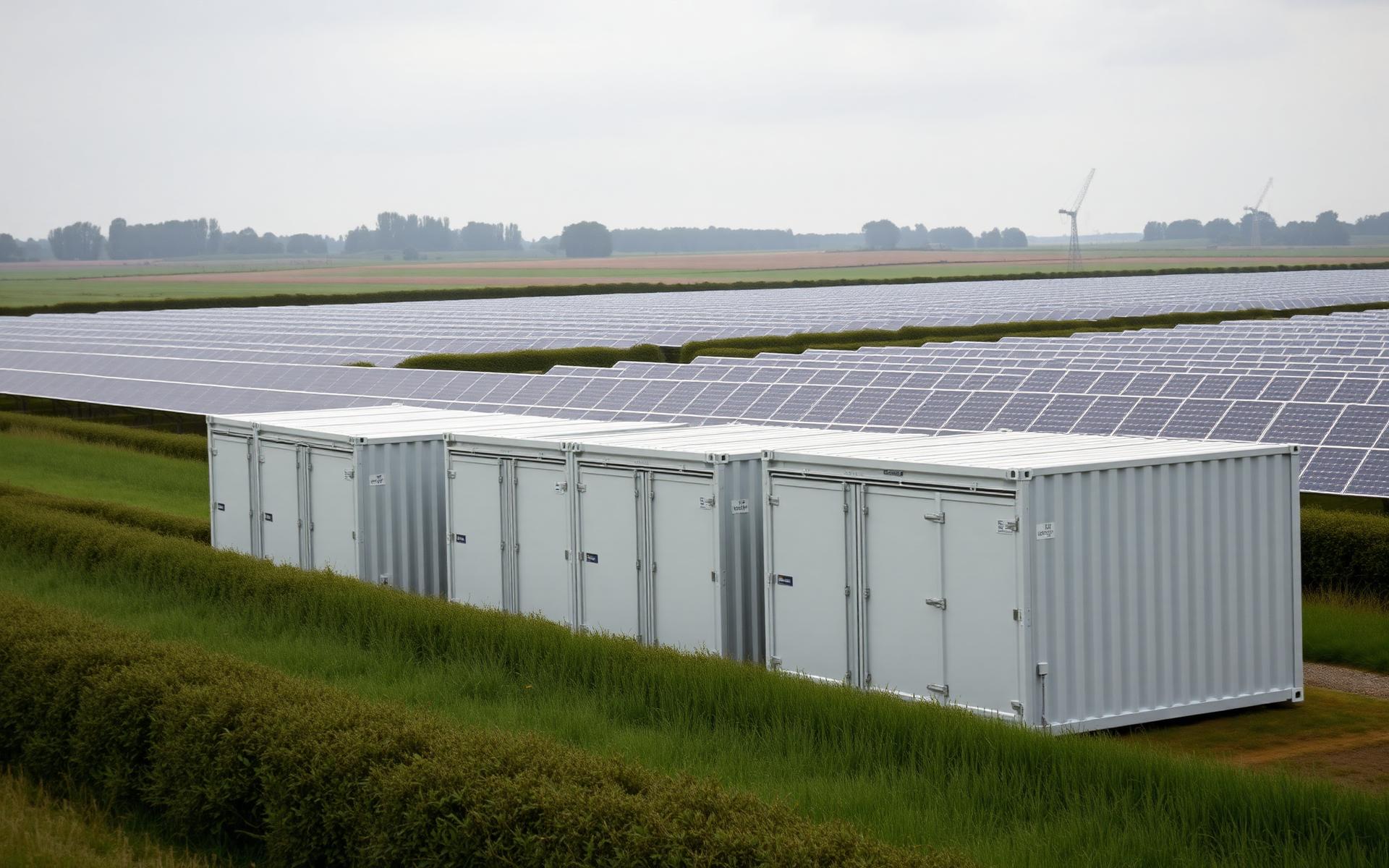
Use them where you make your own electrons
Serve the businesses next door over private wire, then let containerised compute eat whatever the grid won't take.

The eclipse and the grid
A predictable dive in national solar, a kettle surge on the other side, and a free rehearsal for every ordinary evening.
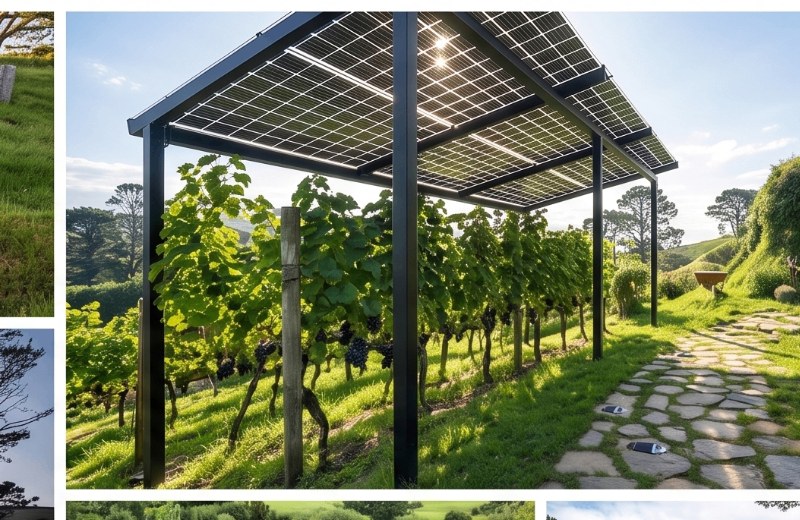
Why 1% of the UK is all we need
We don't have a land problem. We have a coordination problem.

Fragmented Funding
The capital is already there. It's just scattered across six different desks.

Powering the Future: Community Bonds
What if a community could keep the returns on its own infrastructure?
Local Net Zero: the support already on the table
Hubs, Accelerators, Great British Energy, the Community Fund, what's on offer, and how to find the door.
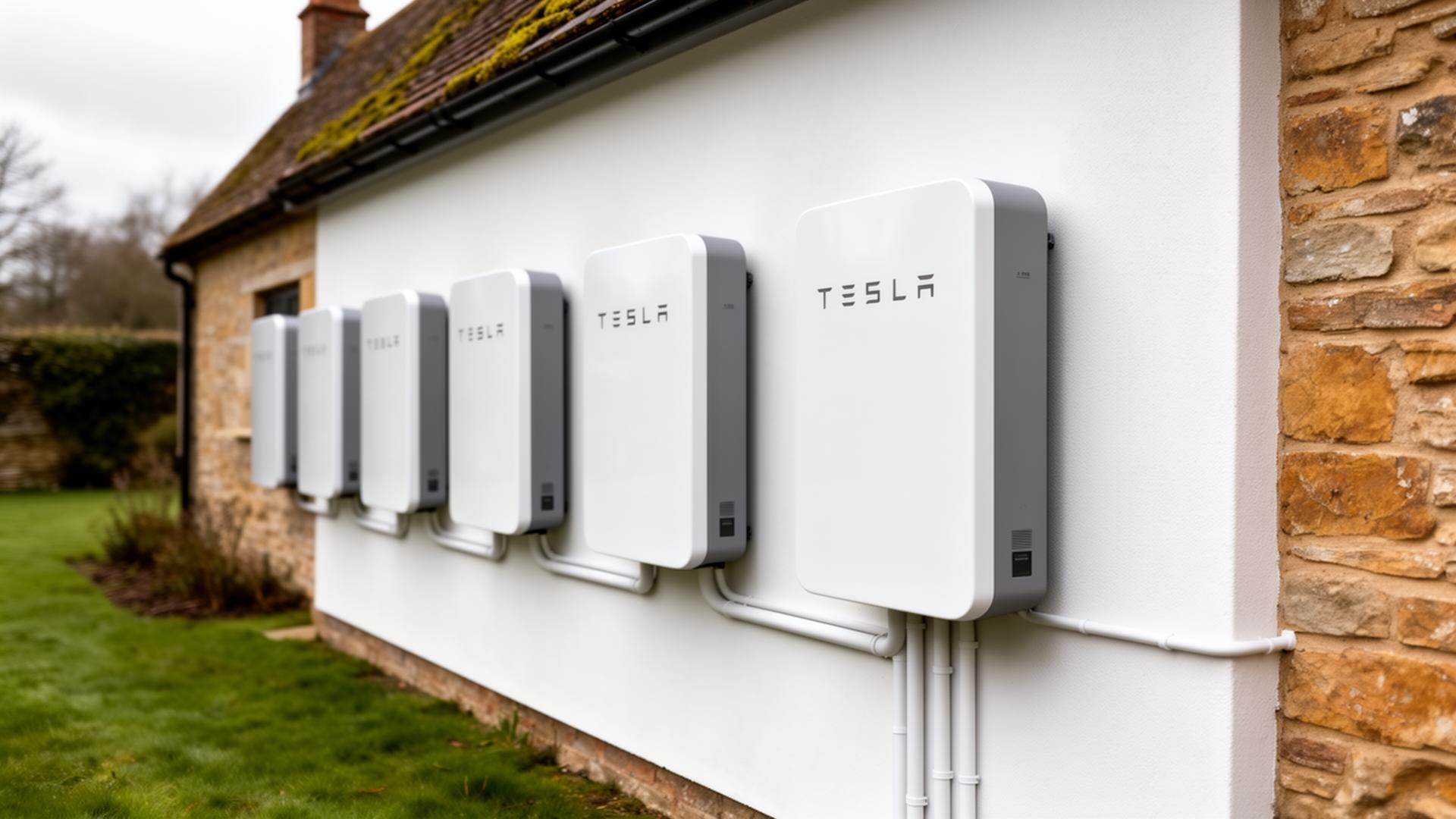
Global Quality, Local Installation
Why we install Tesla, and what a four-Powerwall replacement says about backing customers for decades.

The Evolution of Work: From Watt to Joule
Joule gave the scientific 'why' to the practical 'how' Watt had already commercialized, and that's why your bill is in kWh.
Let There Be Light: York Minster and the cathedral as civic leader
184 panels, £20,000 saved in six months, and a signal from the institution that has watched the British landscape the longest.

Shade as a Resource: agrivoltaics for British vineyards
What a 2018 Oregon study tells us, and what it doesn't, about putting solar above vines.
SEG, PPAs and the rise of symmetric pricing
Three layers for selling solar back to the grid, and a fourth idea that aligns the home with the system operator.
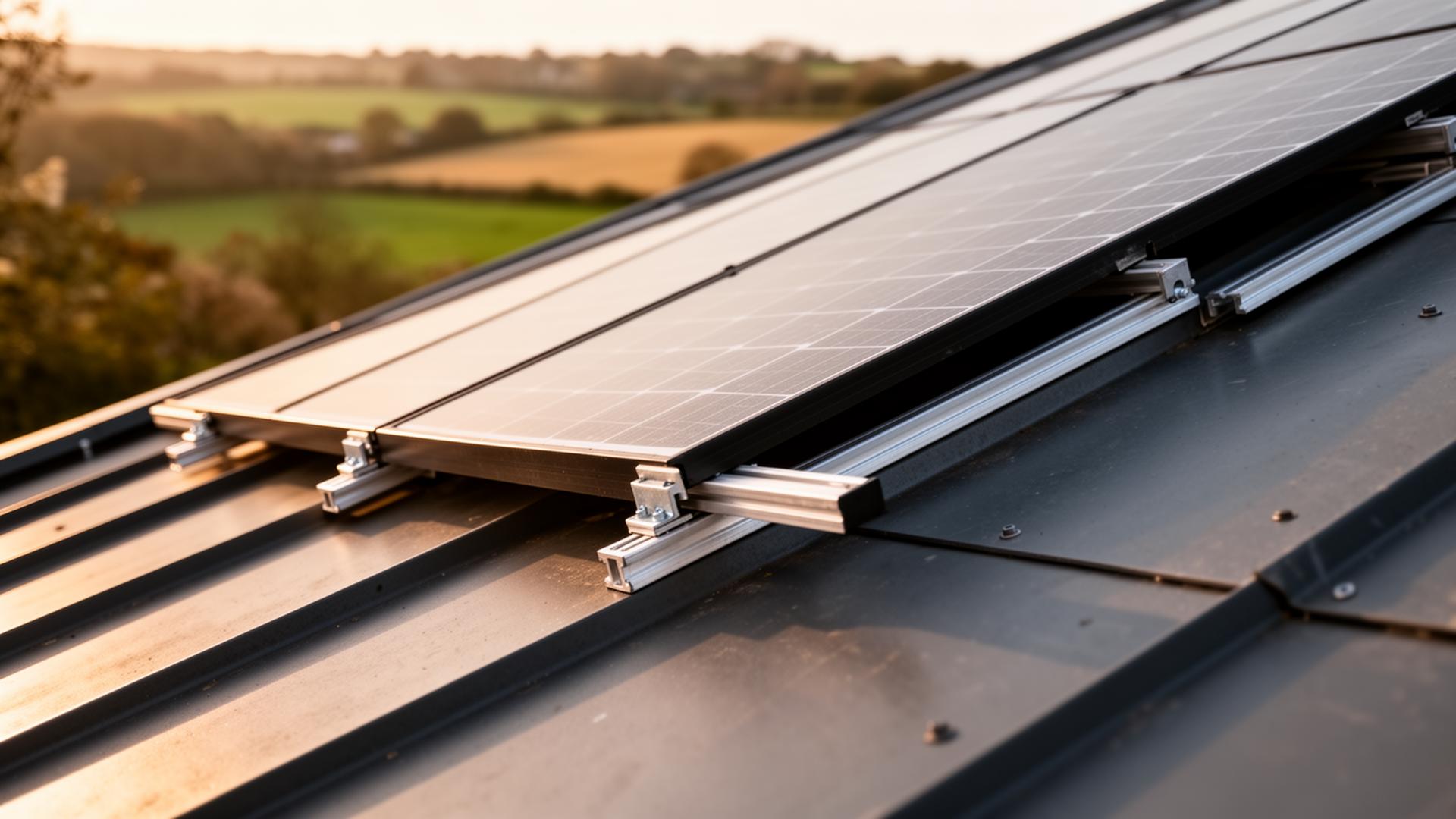
Mini Rails vs Long Rails
The mounting structure is the second-largest source of embodied carbon in a solar system. Two short profiles or one long one, it matters.
Playing the DNO: how to fast-track a slow connection
You can't choose your Distribution Network Operator. You can choose how you submit, and that is usually the whole game.
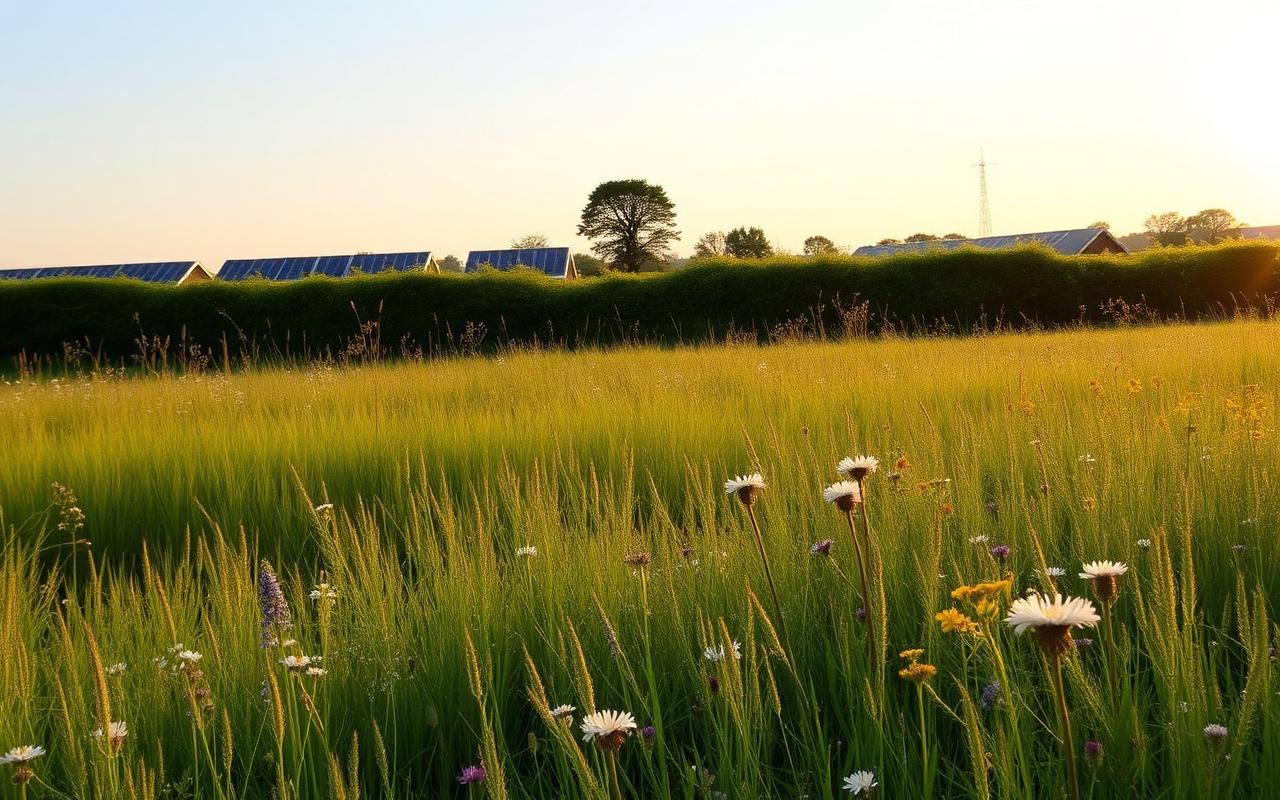
Biodiversity Net Gain: the 10% that changes the maths
Statutory BNG is now the law for almost every piece of development in England. For solar, it is an opportunity hiding inside an obligation.
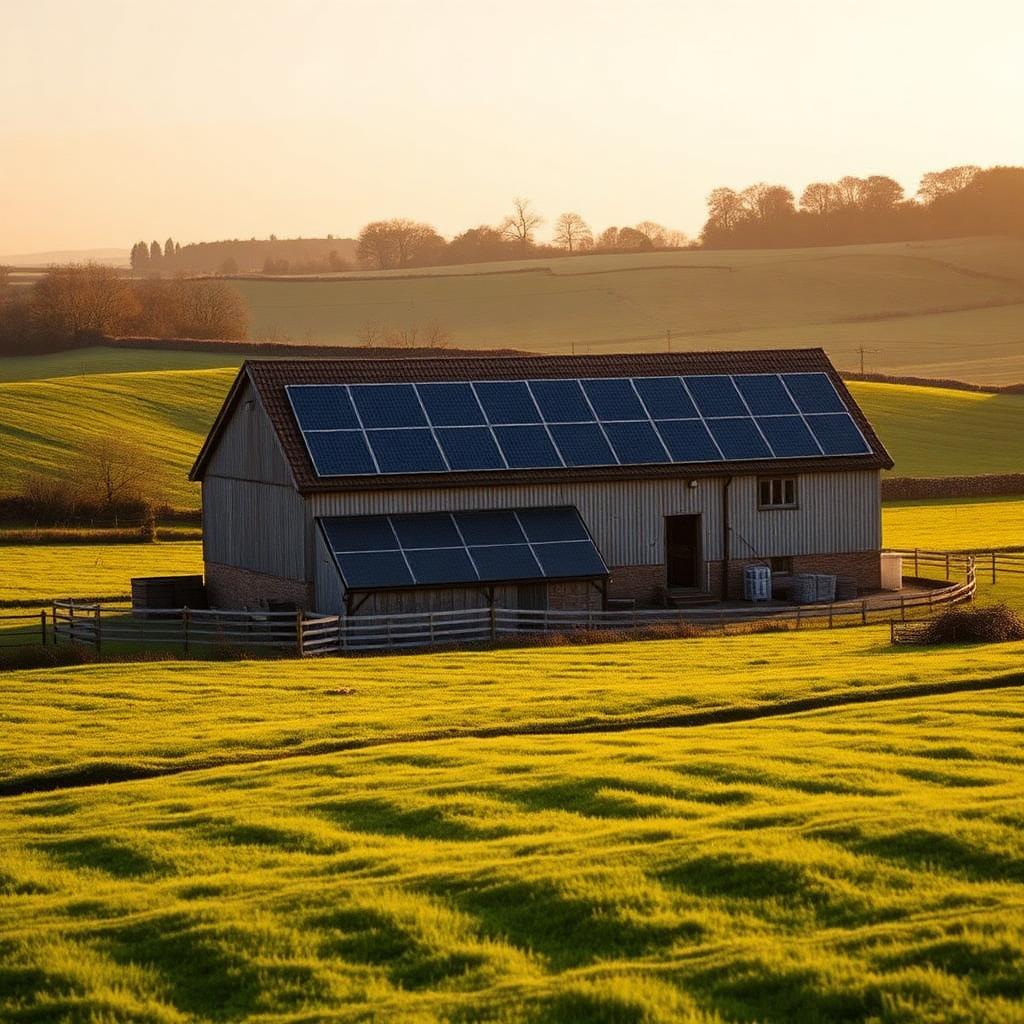
Reclaiming VAT on farm solar
Solar panels are plant and machinery. For most VAT-registered farms, that means the 20% input tax comes back, and capital allowances stack on top.
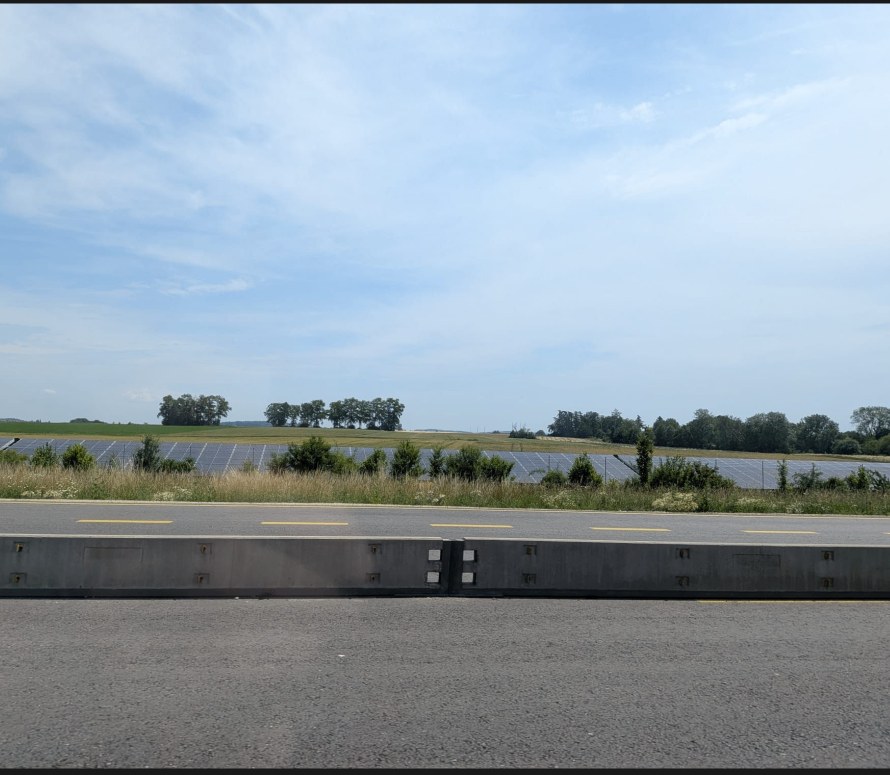
East-West arrays: the economics on constrained UK sites
Lower yield per panel, higher revenue per hectare. Why midday peaks are now a liability.
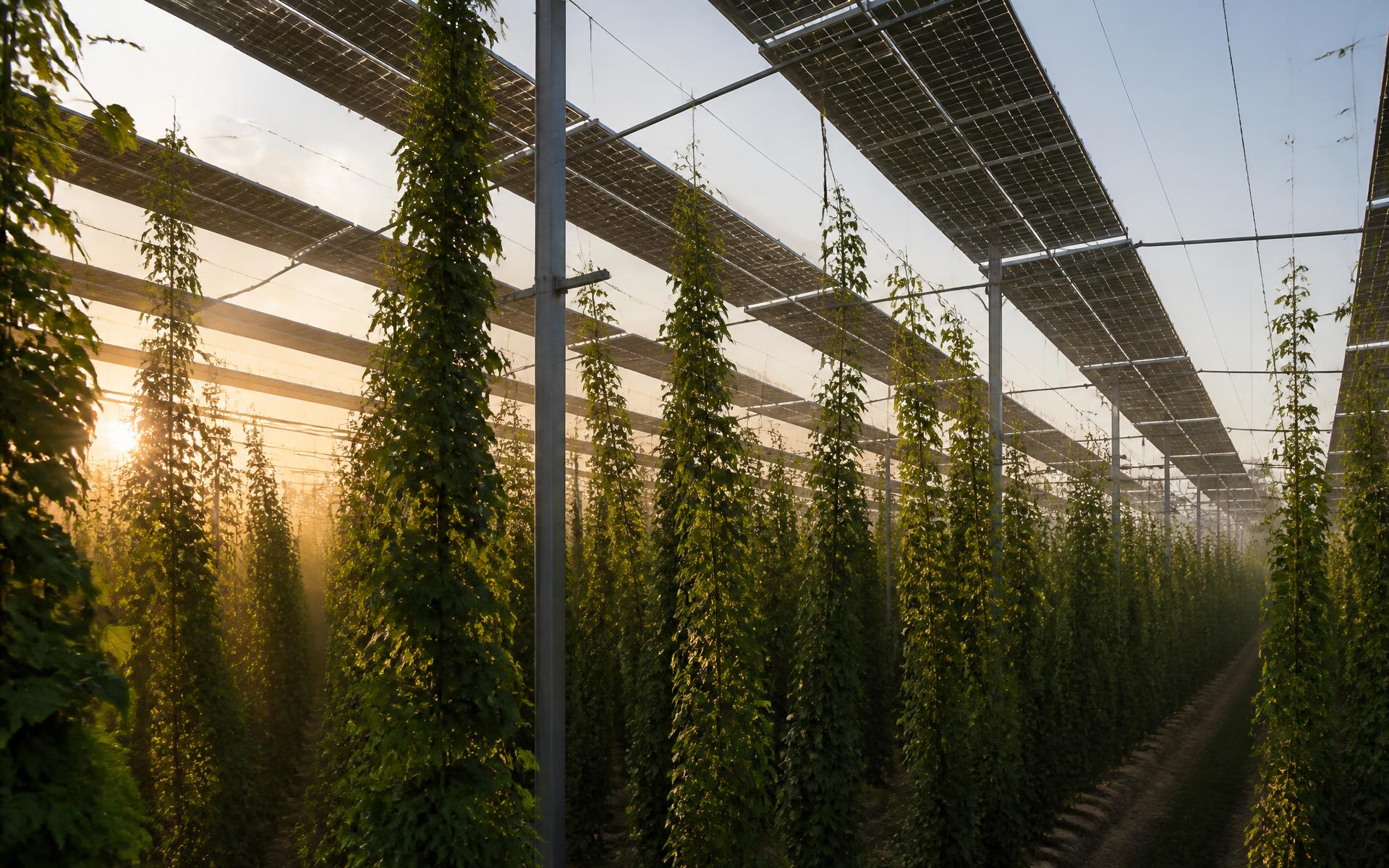
The hop garden that became a power station
977 kWp seven metres above a working hop garden. What Fraunhofer's HoPVen trial means for British growers, and what it doesn't yet prove.
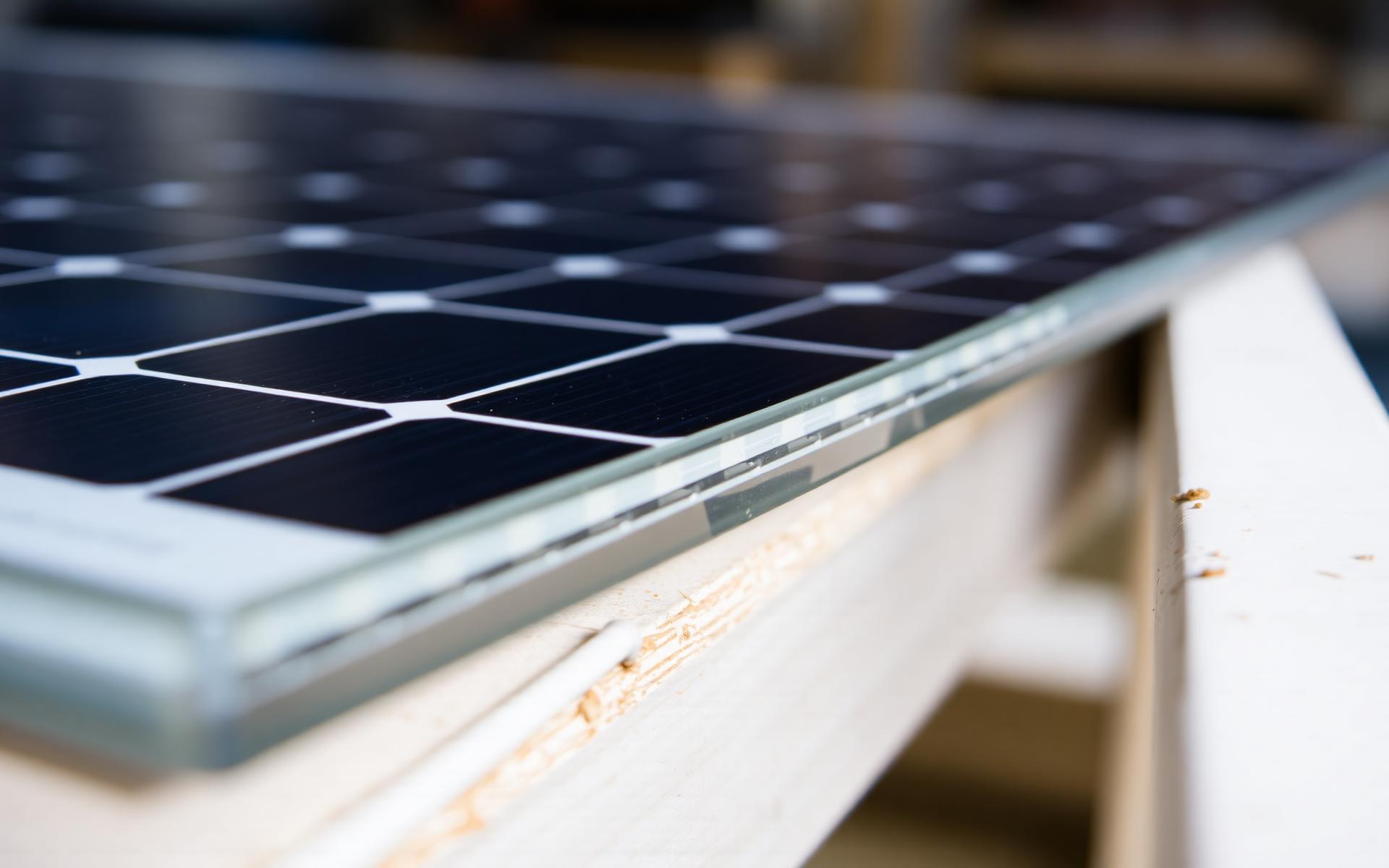
Should you wait for better panels?
Cadmium telluride is real, cheap at gigawatt scale and not sold to you. The choice on a British roof is which silicon, and why we specify glass-glass.
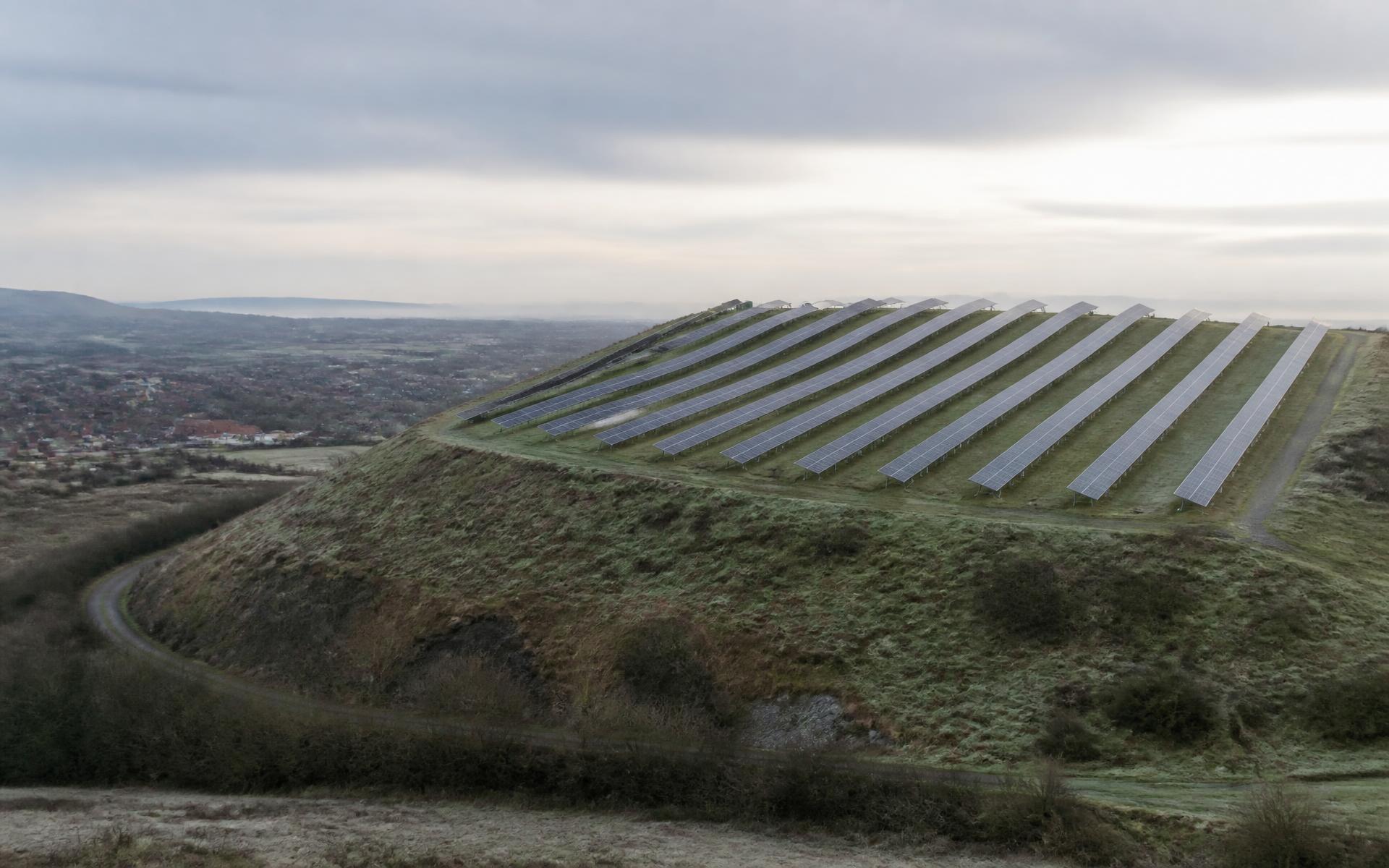
The hill made of rubbish that pays rent
New Haven put 1,900 panels on a capped landfill. Britain has twenty thousand of these hills and no policy pointing at one of them.