Fragmented Funding.
Grants, tax relief, export income, financing, stitched together, your roof costs less than your last car.
The most repeated reason people don't go solar isn't doubt about the technology. It's the invoice. A landowner sees a £40,000 number, hears "seven-year payback," and quietly puts the brochure in the drawer where good intentions go to retire.
The number isn't wrong. The way it's being read is. Almost no one in Britain pays for a solar system out of a single pocket anymore, and the people who try to are paying twice what they need to.
The capital is already there. It's just scattered across six different desks.
The six pockets
Capital grants. Local Enterprise Partnerships, rural prosperity funds, sector-specific schemes for agriculture, hospitality and listed buildings. Most are small, £5,000 to £25,000, but they stack. A typical farm install we quote attracts two or three.
Tax relief. Full Expensing lets a trading business write off 100% of qualifying solar capex against profits in year one. For a profitable limited company, that single line turns a £40,000 system into a £30,000 one before anything else has happened.
Export income. The Smart Export Guarantee pays you for every unit you don't use. Negotiated PPAs do better. Either way, the meter spins both ways now, and the income is contractual, not theoretical.
Asset finance. Banks will lend against the panels themselves on seven-year terms, because the panels are a depreciating asset that produces measurable cash. The monthly repayment is typically lower than the monthly bill saving from day one.
Energy bill offset. The part most people do count, but usually too conservatively. They model today's tariff. They forget the last decade.
Carbon-linked instruments. Emerging, not yet mainstream, but real. Some buyers will now pay a premium for verified on-site generation tied to their Scope 2 reporting. A paragraph today; a chapter in five years.

Why it feels expensive
Because no single advisor sees all six. The bank quotes against finance. The accountant scores the tax relief at year-end, when it's already too late to size the system around it. The grants officer at the council knows about three of the schemes and not the other four. The installer quotes the gross number because that's the only number they're sure of.
The homeowner, or the farmer, or the vineyard manager, sits at the table with six partial answers and one whole invoice, and reasonably concludes the maths doesn't work.
It does work. It just doesn't get added up in any one room.
What we do about it
Every quote we send maps all six pockets against your specific situation: your tax position, your roof, your tariff, the grants currently open in your postcode, the financing terms we've already pre-negotiated. Not as a sales technique. As the only honest way to put a real number on the page.
Sometimes the conclusion is that you should wait six months for a grant window to open. We'll tell you that too.
A site survey takes a morning. The funding map we send afterwards is yours to keep, whether you go ahead or not.
Two minutes, three questions. No sales calls unless you ask for one.
In short
The capital for British solar already exists, spread across grants, tax relief, capital allowances, asset finance, export revenue and avoided cost. No single adviser sees all six, so most projects are priced against the gross number rather than the net one, and stall for want of arithmetic rather than money.
Common questions
How do businesses pay for solar panels in the UK?
Rarely from one source. The usual stack is cash or asset finance for the capital, capital allowances and VAT recovery against tax, any grant the sector qualifies for, and then the avoided electricity cost and export revenue that service the borrowing.
Why do solar projects stall even when funding exists?
Because the six sources sit with six different advisers and no one adds them up. The scheme gets judged on the gross quote rather than the net cost after tax, allowances and avoided bills, and is refused on arithmetic that was never done.
Can solar be funded from the savings it makes?
Frequently, yes. Where the avoided electricity cost exceeds the finance payment, the project is cash positive from the first month and the capital question becomes a credit question instead. That comparison is the first number worth calculating.
Continue reading
All essays →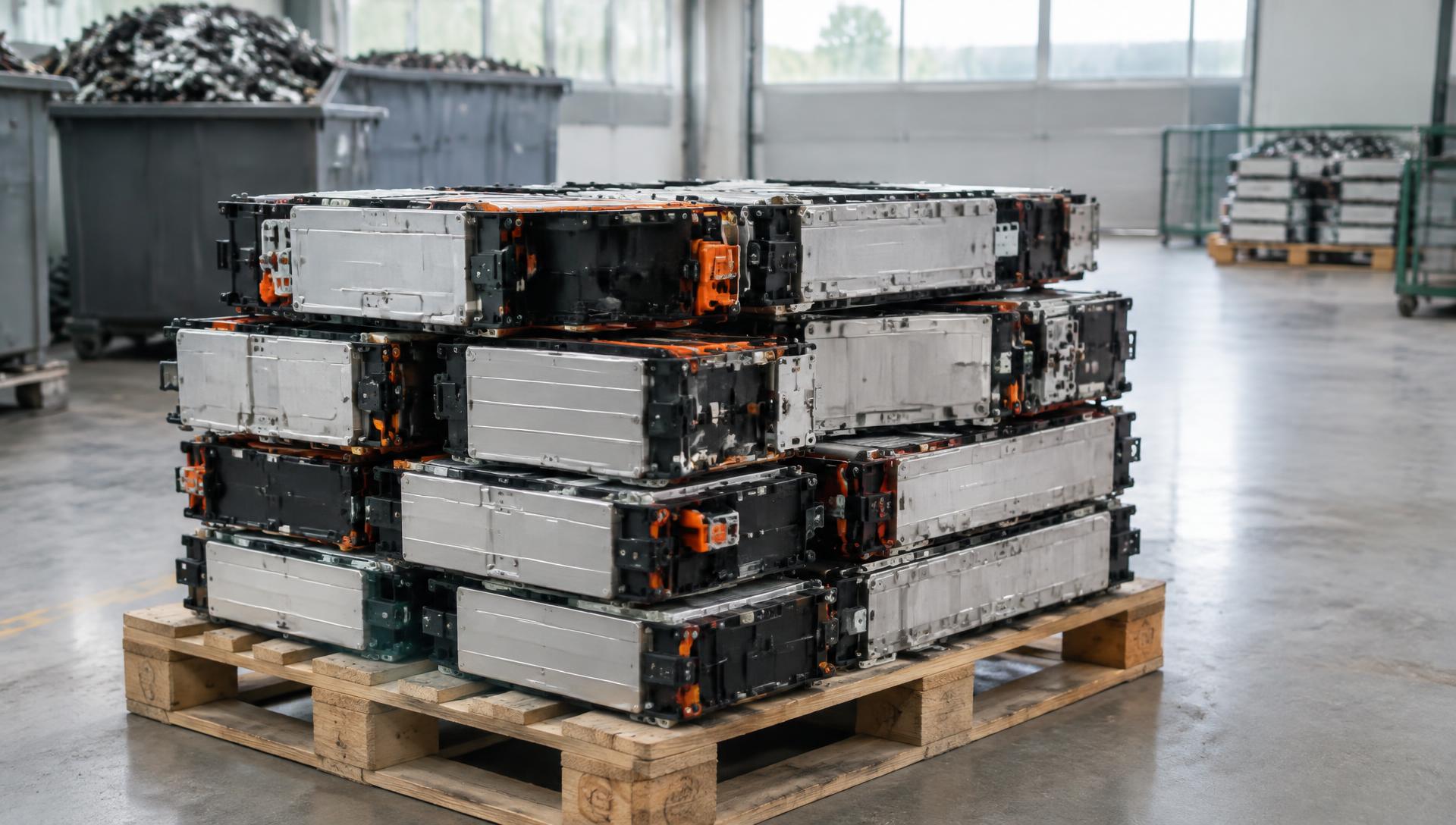
What happens to a home battery at the end of its life?
Extend first, recycle second, landfill never. Tesla's published end-of-life policy, and what to ask before you buy any battery.
Solar on an east-west facing roof
Ten to twenty per cent less per panel, twice the roof to use, and output across the whole working day. The plain answer for a building that doesn't face south.
The best-defended solar site in Britain is behind an airport fence
Mown grass, kilometres of perimeter and a large continuous load next door. What an airport microgrid actually looks like.
Use them where you make your own electrons
Serve the businesses next door over private wire, then let containerised compute eat whatever the grid won't take.

The eclipse and the grid
A predictable dive in national solar, a kettle surge on the other side, and a free rehearsal for every ordinary evening.
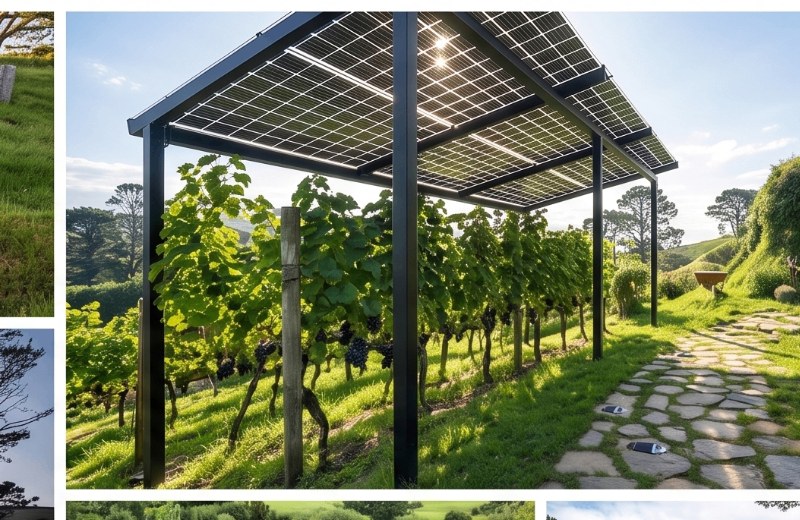
Why 1% of the UK is all we need
We don't have a land problem. We have a coordination problem.
Powering the Future: Community Bonds
What if a community could keep the returns on its own infrastructure?
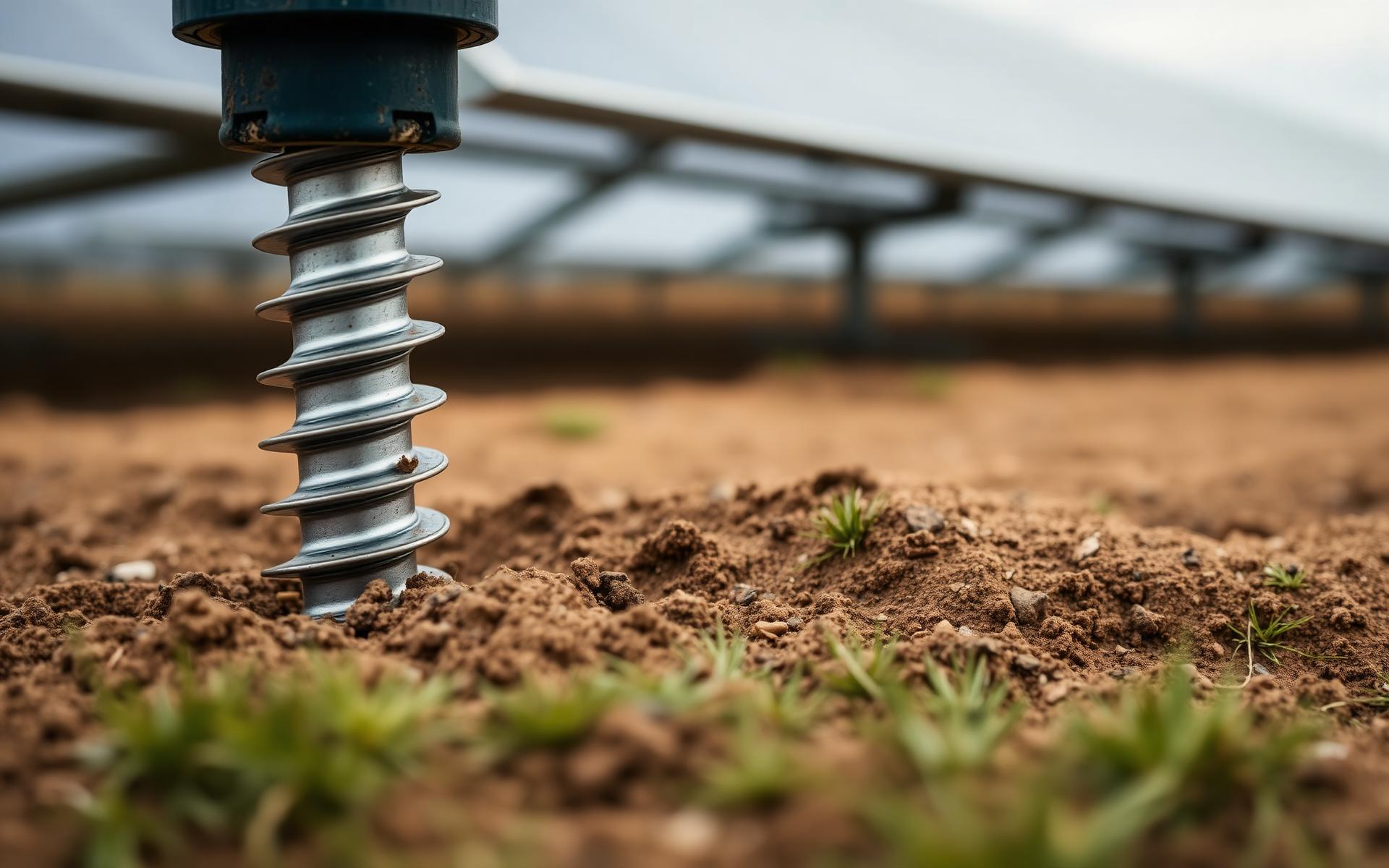
Why Ground Screws are the Future of UK Commercial Solar Farms
Time is capital. Earth is an asset. Concrete is a liability.
Local Net Zero: the support already on the table
Hubs, Accelerators, Great British Energy, the Community Fund, what's on offer, and how to find the door.
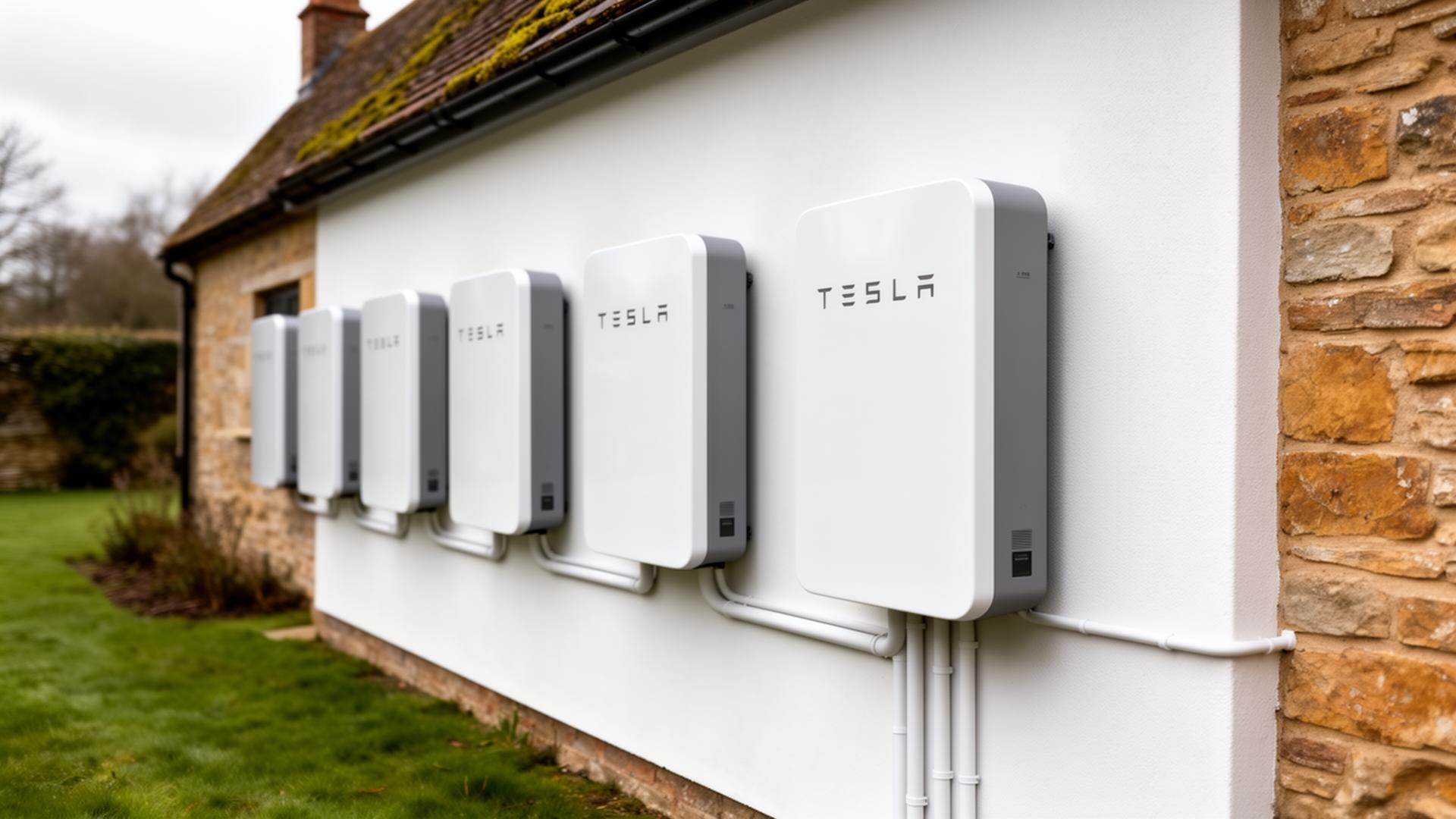
Global Quality, Local Installation
Why we install Tesla, and what a four-Powerwall replacement says about backing customers for decades.
The Evolution of Work: From Watt to Joule
Joule gave the scientific 'why' to the practical 'how' Watt had already commercialized, and that's why your bill is in kWh.
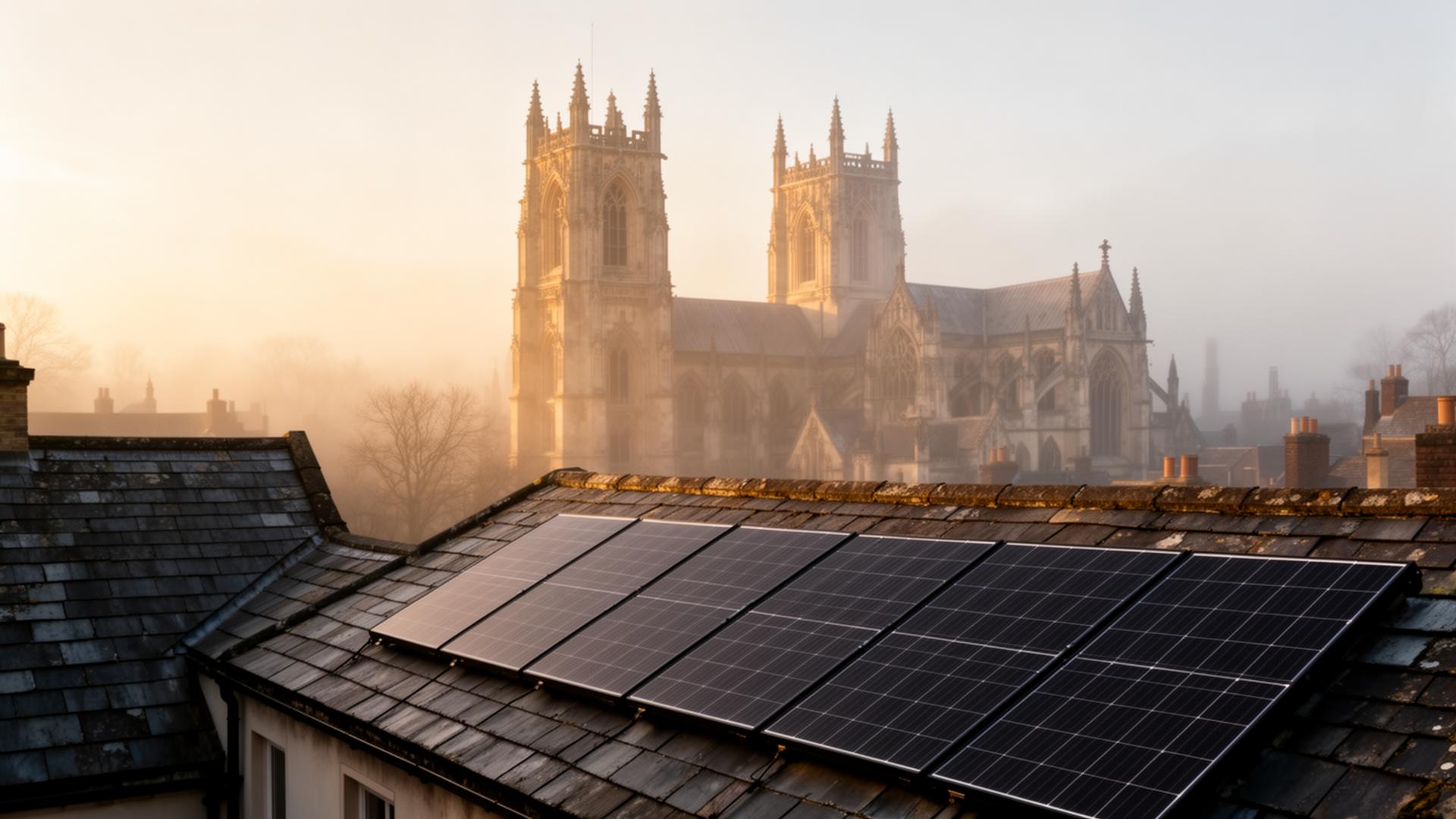
Let There Be Light: York Minster and the cathedral as civic leader
184 panels, £20,000 saved in six months, and a signal from the institution that has watched the British landscape the longest.
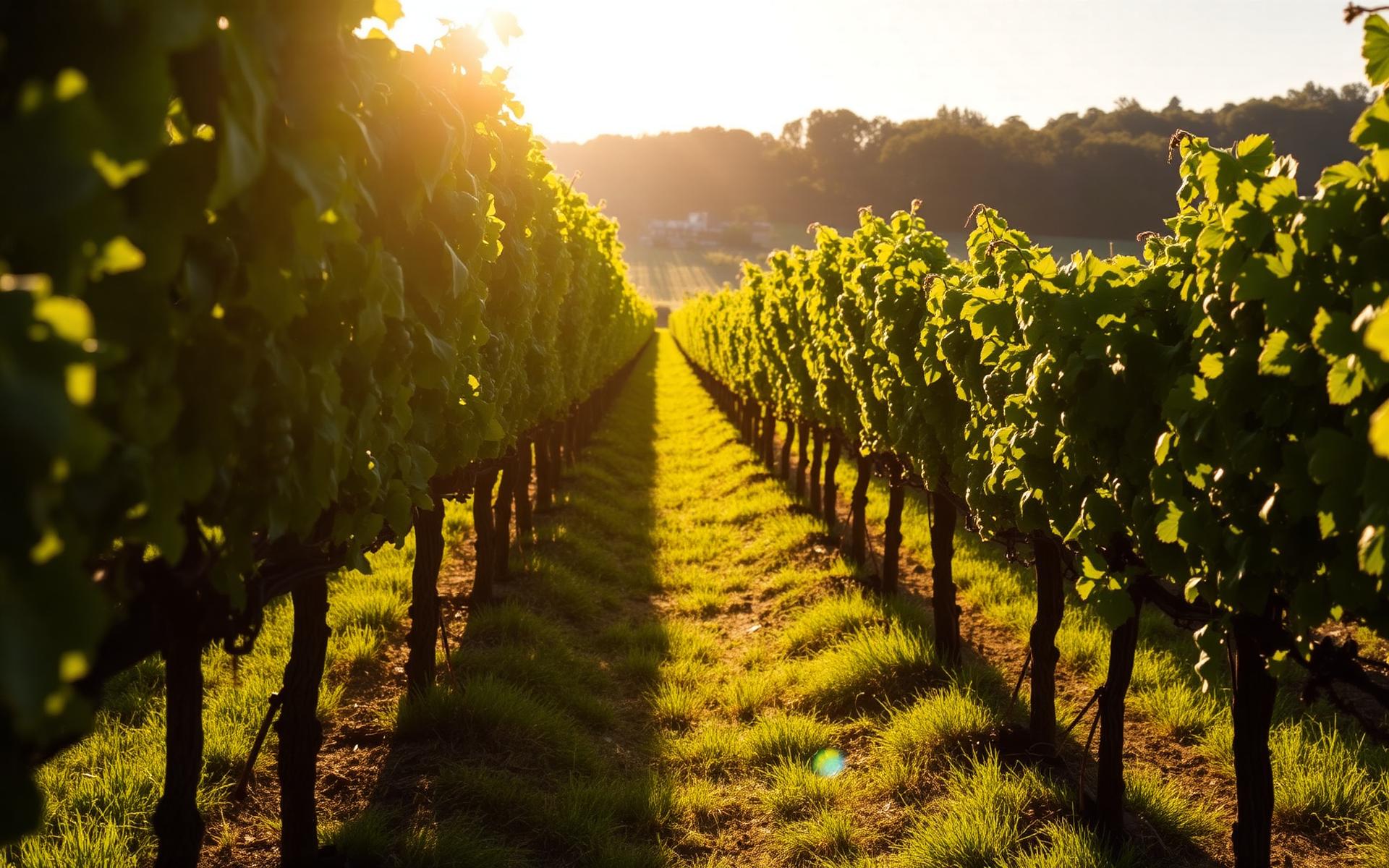
Shade as a Resource: agrivoltaics for British vineyards
What a 2018 Oregon study tells us, and what it doesn't, about putting solar above vines.
SEG, PPAs and the rise of symmetric pricing
Three layers for selling solar back to the grid, and a fourth idea that aligns the home with the system operator.
Mini Rails vs Long Rails
The mounting structure is the second-largest source of embodied carbon in a solar system. Two short profiles or one long one, it matters.
Playing the DNO: how to fast-track a slow connection
You can't choose your Distribution Network Operator. You can choose how you submit, and that is usually the whole game.
Biodiversity Net Gain: the 10% that changes the maths
Statutory BNG is now the law for almost every piece of development in England. For solar, it is an opportunity hiding inside an obligation.
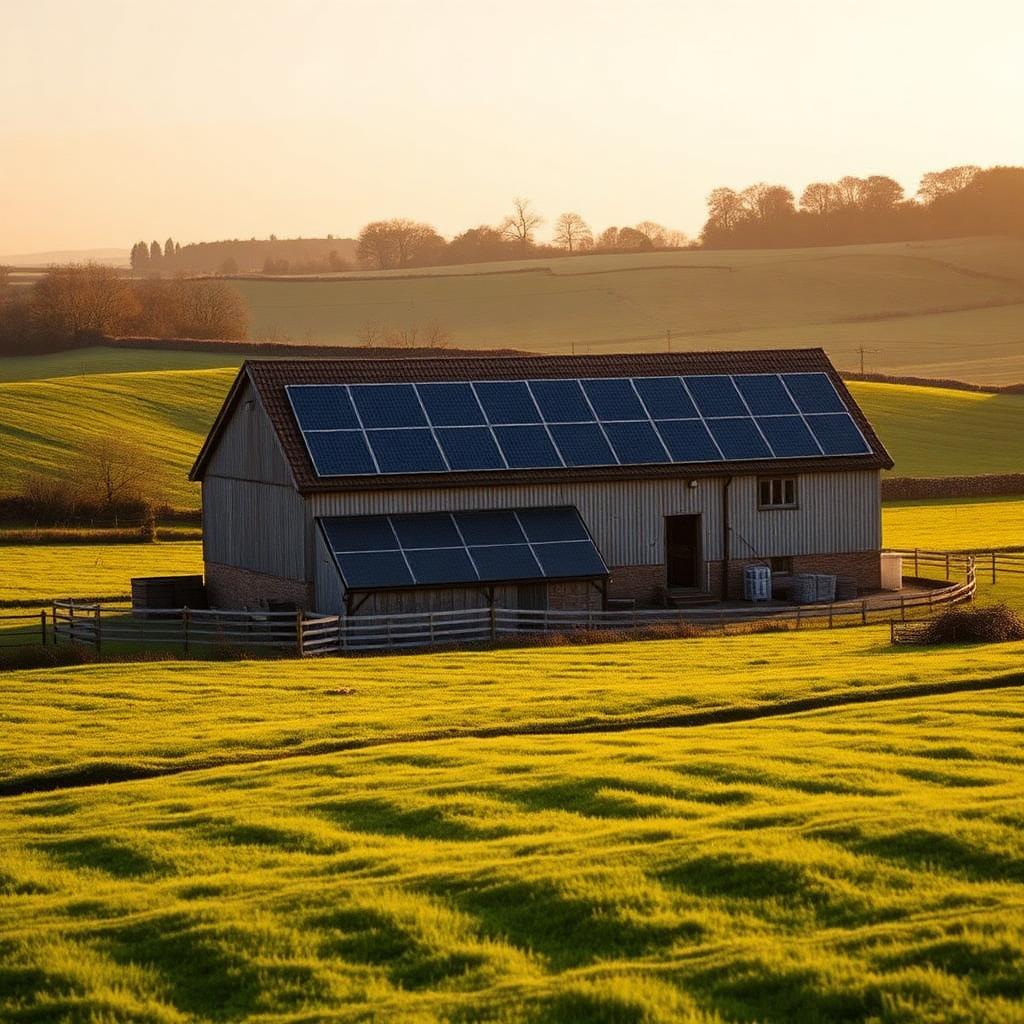
Reclaiming VAT on farm solar
Solar panels are plant and machinery. For most VAT-registered farms, that means the 20% input tax comes back, and capital allowances stack on top.
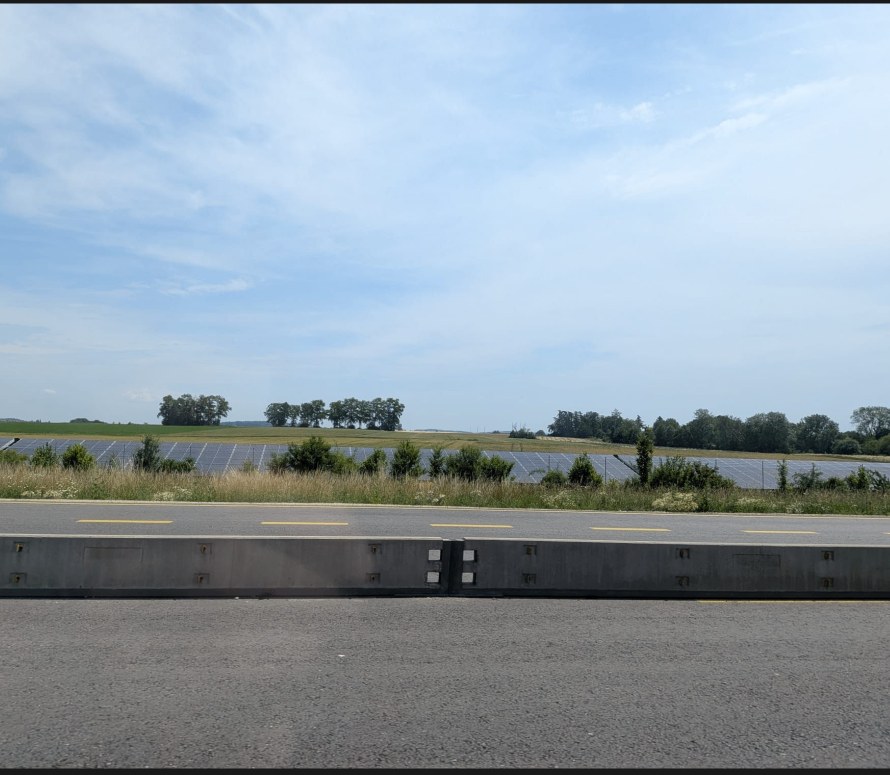
East-West arrays: the economics on constrained UK sites
Lower yield per panel, higher revenue per hectare. Why midday peaks are now a liability.
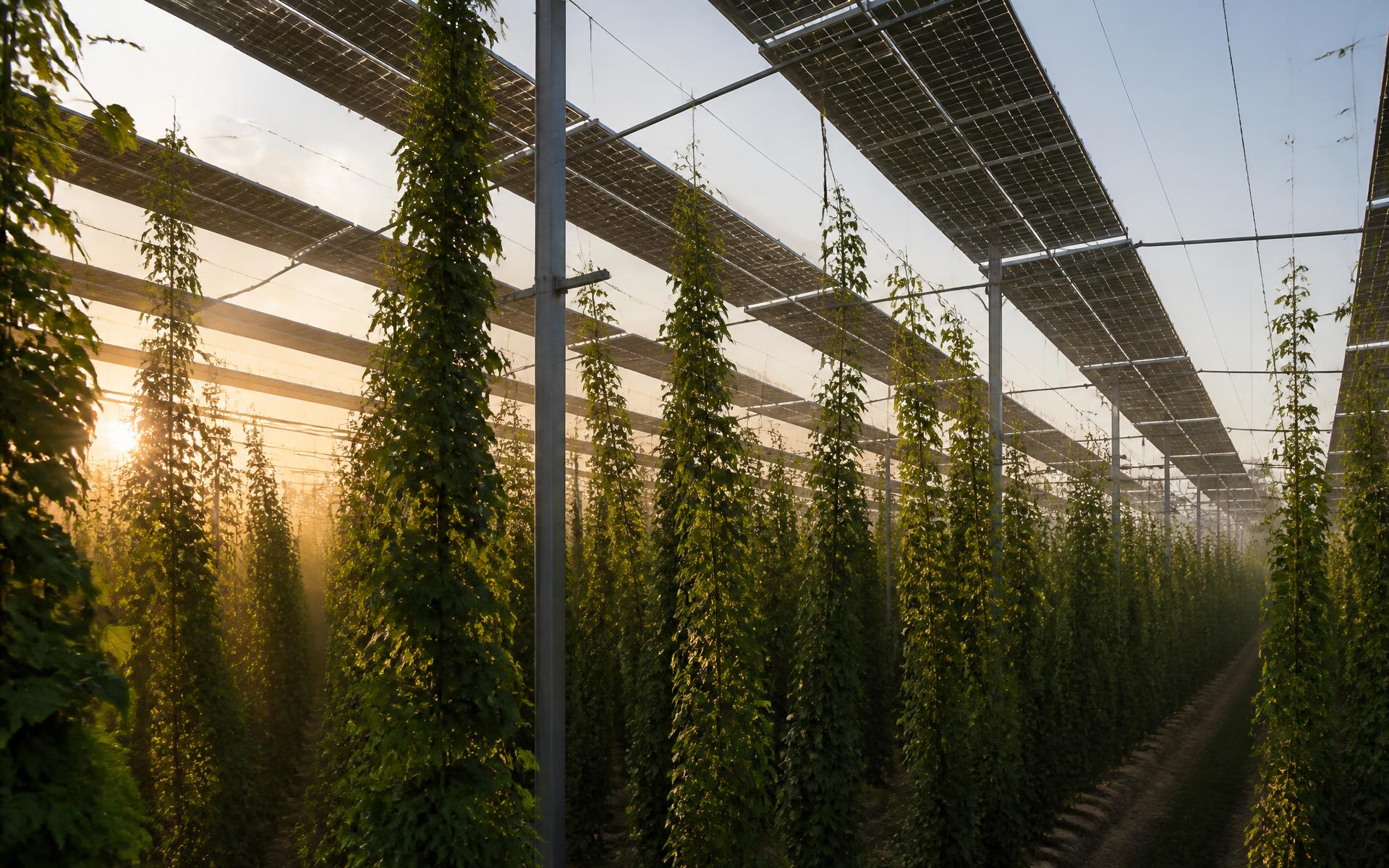
The hop garden that became a power station
977 kWp seven metres above a working hop garden. What Fraunhofer's HoPVen trial means for British growers, and what it doesn't yet prove.
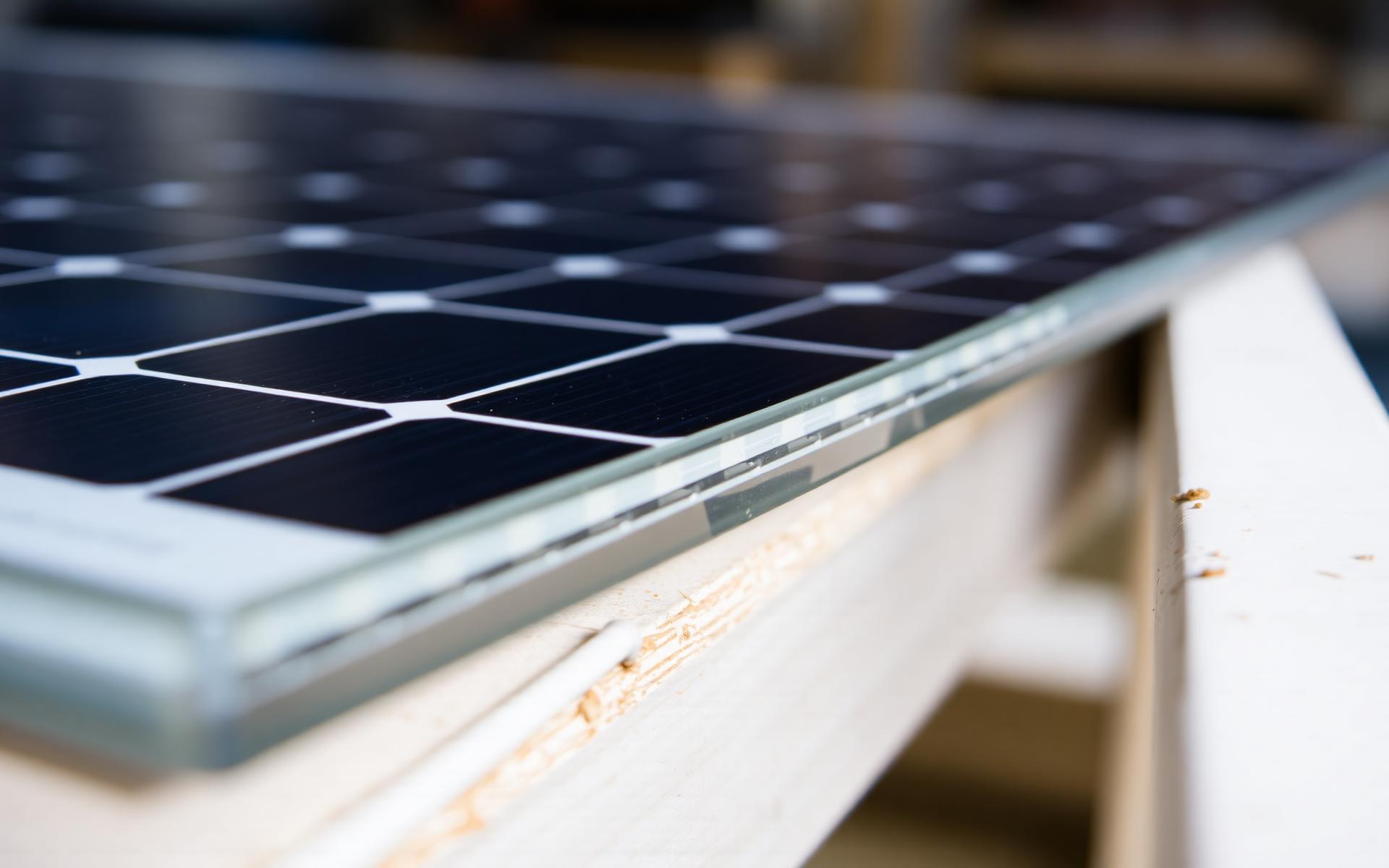
Should you wait for better panels?
Cadmium telluride is real, cheap at gigawatt scale and not sold to you. The choice on a British roof is which silicon, and why we specify glass-glass.
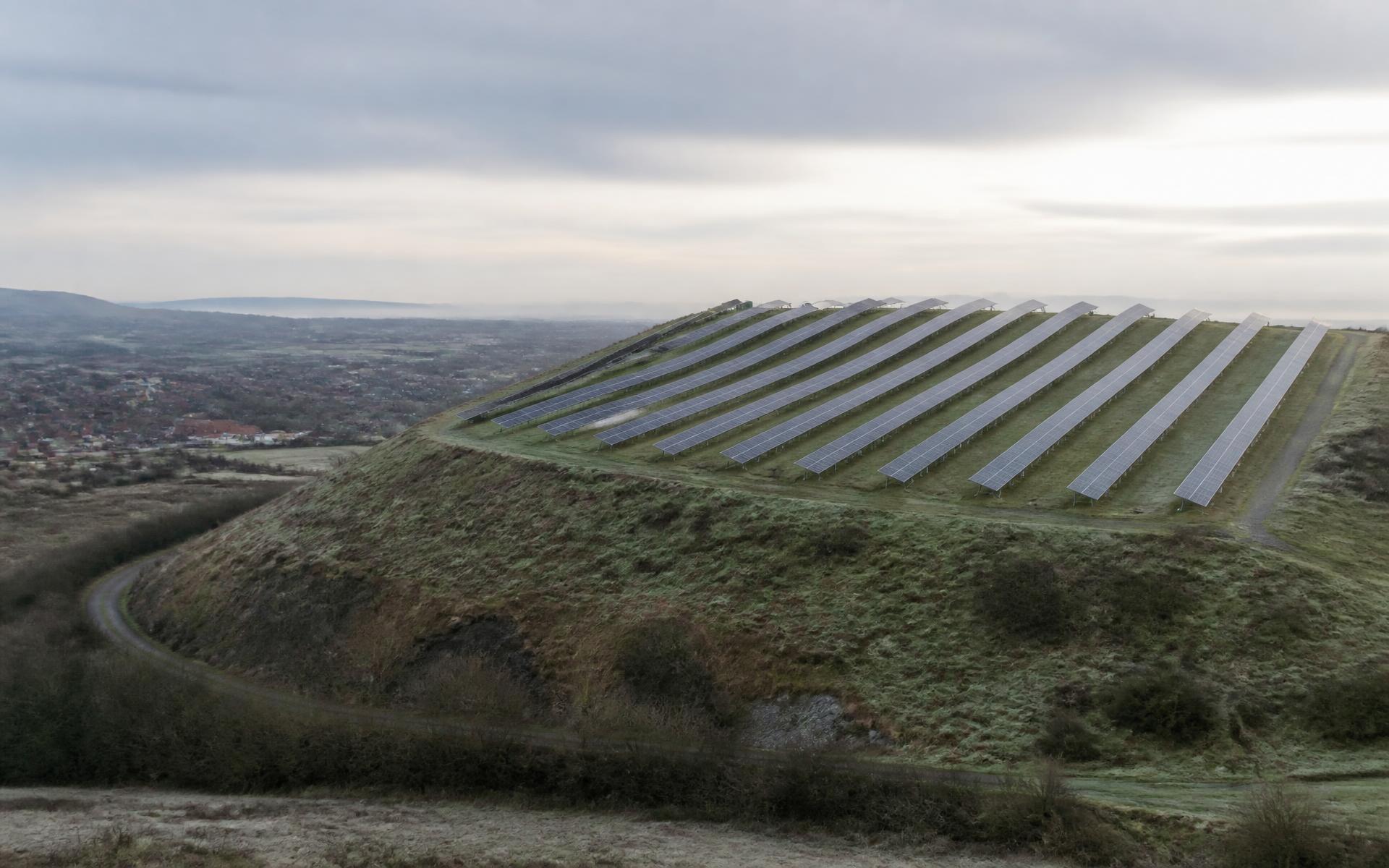
The hill made of rubbish that pays rent
New Haven put 1,900 panels on a capped landfill. Britain has twenty thousand of these hills and no policy pointing at one of them.