Use them where you make your own electrons.
Every customer we have ever built for makes their best money on the units they never sell. The next step is to widen that circle: serve the businesses next door over private wire, and when even they have had enough, give the surplus to a load that can eat it on the spot.
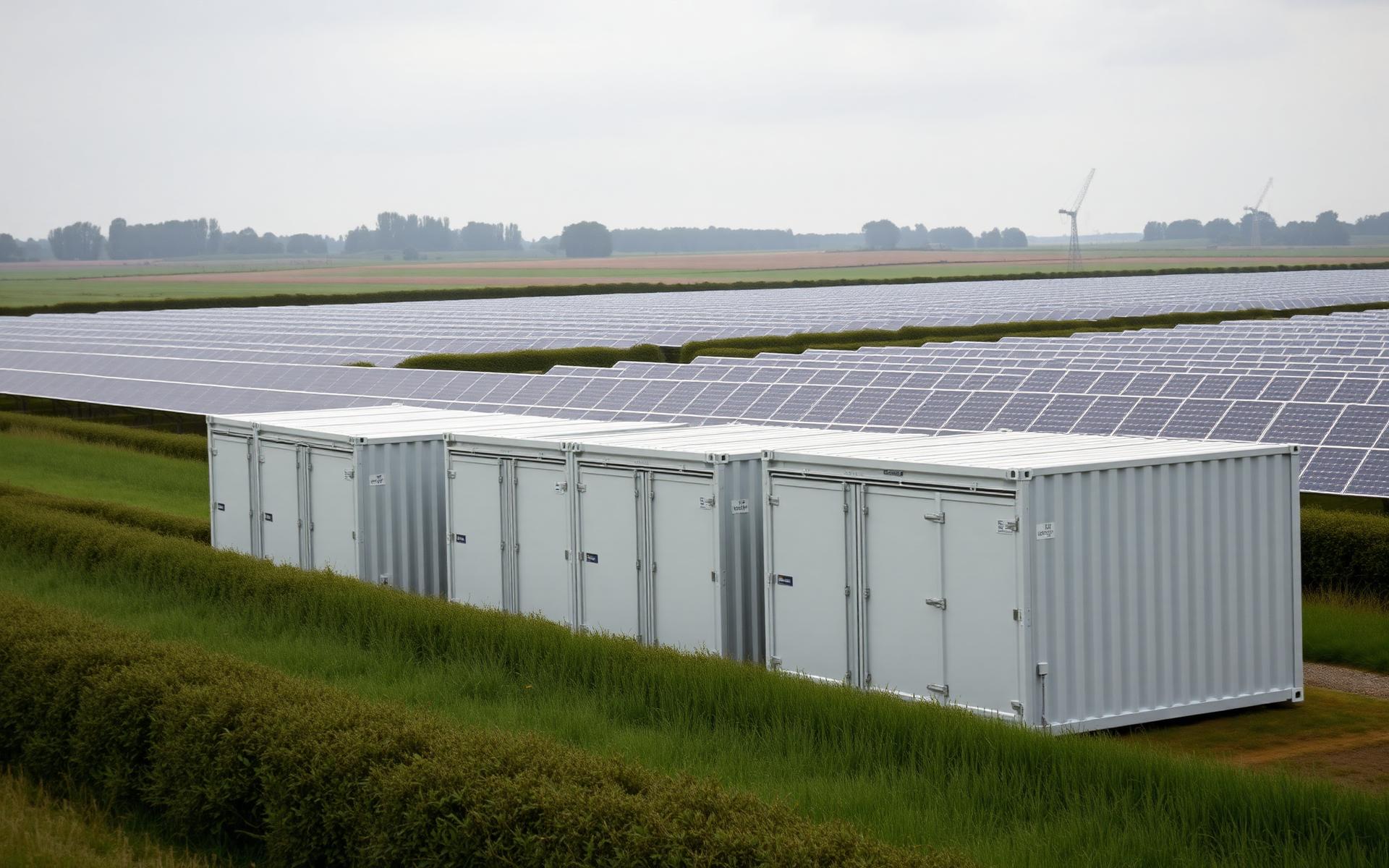
There is one number that decides almost every solar business case we model, and it is not the price of a panel. It is the fraction of generation that is consumed where it is made.
A unit used on site avoids the full delivered price of electricity: wholesale, network charges, policy costs and supplier margin. For a business that is somewhere in the region of 25 to 40p, depending on tariff, site and half-hour. The same unit pushed out to the network earns a wholesale-linked export rate, often between 5 and 15p depending on the contract and the hour. Three or four to one, for the same photon, decided entirely by which side of the meter it lands on. (VAT sits on top of all of it, but a VAT-registered business recovers it, so it is not part of the saving.)
We have written the mechanics of the sell-side out in full before, in SEG, PPAs and the rise of symmetric pricing. The conclusion there was that export markets are getting cleverer, and that the interesting question has shifted from "what is my export rate?" to "what is my spread, and what can I do with it?" This piece is the other half of that answer. The best spread available to almost anyone in Britain is still the one between retail and wholesale, and you capture it by using the electricity rather than selling it.
The waste is now structural
The grid problem in Britain is no longer a shortage of generation. It is a shortage of wire in the right places at the right times. When the network cannot move what has been generated, the system operator pays the generator to stop, and the bill for that has run past a billion pounds a year, with NESO expecting it to stay heavy until the transmission build-out lands later this decade. That money buys nothing. It buys the absence of electricity.
At the site level the same problem wears a different hat. It shows up as an export cap on your connection offer, and it is why we argued in East-West arrays that on a constrained site the right question is revenue per hectare rather than yield per panel, and that a tall midday peak has become a liability rather than a prize. It shows up again in playing the DNO: you cannot choose your network operator, and you often cannot buy your way to a bigger connection inside a development timeline that anyone will fund.
So there are three ways to deal with a constrained connection. Shrink the array, which throws away the cheapest thing you own, the land you have already secured. Wait for reinforcement, which is somebody else's programme. Or put the load next to the generation.
Local first: the parish-scale private wire
Start with the boring version, because it is the version that pays. A farm, an estate or a council site with a decent array, a battery, and within a kilometre or two a set of buildings that already buy electricity at retail: a poultry unit, a cold store, a packhouse, a joinery, a leisure centre, a small industrial terrace, a village hall, an EV charging hub.
A private wire between generator and consumer, not using the public distribution network, sits under the class exemptions in the 2001 Order rather than under a supply licence. That is a real route, not a loophole, but it has edges: capacity limits, much tighter treatment where domestic customers are involved, and the fact that your offtaker will still want a grid backup supply behind the private wire. Within those edges the arithmetic is simple. The generator sells at a price above what export would have paid; the consumer buys at a price below what their supplier charged. Both sides are better off, and the difference they are splitting is the cost of moving electricity that never needed moving. The hard parts are wayleaves, metering, and writing a contract that survives a change of tenant. None of them are exotic.
This is the same logic that runs through the community bond and through local net zero: if the value is created in a place, there is no good reason for all of it to leave that place. It is also the reason we keep saying, in why 1% of the UK is all we need, that Britain has a coordination problem rather than a land problem. The generation and the demand are frequently within sight of each other and contractually strangers.
Then, and only then, the compute shed
Now the awkward part. Even with good local offtake, a well-sized rural array will spend hundreds of hours a year producing power that nobody nearby wants and the connection will not take. Summer middays, weekends, holidays. Those hours currently produce nothing at all.
Compute is the one significant load that can be moved to the electrons rather than the other way round. A containerised data hall arrives on a lorry and can be commissioned in months rather than years, and certain classes of work, batch rendering, scientific jobs, some proof-of-work, can be throttled to zero within seconds and picked up later. That is a very unusual property for a load, and it is exactly the property a constrained solar site needs.
But interruptible is a property of the business model, not of the silicon. A machine can only live on surplus if its payback survives running part-time, and that is a question about what the hardware cost and who is buying its output. Cheap, fungible hardware selling into a perfectly elastic market, of which bitcoin mining is the honest example, can be depreciated over something like a third of the hours in the year and still break even; nobody notices when it stops. Accelerators bought to serve a named enterprise customer cannot. That contract is sold on availability, somewhere north of ninety-nine per cent of the time, and a box that runs when the sun shines cannot be sold that way at any price.
Which compute, and who is paying?
Three questions before a container arrives on the farm: what hardware, what workload, and who the customer is. The answers put the scheme into one of two shapes, and they are not variants of each other.
The first is surplus-following. The load is sized to the curtailed hours, nothing is firmed, and the revenue is a bonus on hours that were previously worth exactly zero. The power price is interruptible and low, because low is still infinitely better than nothing. This is the version that belongs in a microgrid business case.
The second is firm-service. The load is sized to a contracted uptime, which means batteries, a grid connection able to import through a dull February fortnight, and in most cases standby generation behind it. That is a different capital project with a different lender, and in it the solar has stopped being the reason for the site and become a fuel saver. Worth doing on the right site. Just do not put it in the same paragraph as curtailment.
None of it is free of paperwork either. Containers in a farmyard are still development, cooling fans are still a noise condition, and a rural site with no fibre is a compute site in name only.
The order matters, and we would put it strongly: compute is the buyer of last resort, not the anchor tenant. Serve the homes and businesses around you first, because their electricity is worth more, because it builds the local case for the array, and because a neighbour who buys your power does not object to your planning application. Then let the machines have what is left, at a price that beats zero and beats curtailment.
Done in that order, an emergent grid is not a slogan. It is a stack of contracts: retail-ish prices to local offtakers, an interruptible price to on-site compute, export as the residual, and a battery arbitraging between all three.
What it does to the investment case
For the investor, three things change at once, and they compound.
The third one is underrated. A merchant solar farm has a single revenue line exposed to a market that is deliberately trying to make midday power worthless. A microgrid with local offtake plus an interruptible load has a portfolio, and the value of a portfolio is that its worst hour is no longer zero. That is what a lender is actually pricing.
It also changes what you should build. If your surplus has a buyer on site, the case for packing more capacity onto the same acreage improves again, which loops straight back to the East-West argument, and to keeping the ground live underneath in the way we describe in vineyard agrivoltaics and the hop garden that became a power station. And if the site is ruined ground rather than farmland, a capped landfill on the edge of a town is very close to an ideal microgrid host: no agricultural argument, and demand within a couple of miles. The purest version of the same host, though, is an airport: one owner, kilometres of mown boundary that can never be built on, and a large continuous load already inside the fence.
The honest objections
A private wire is a civil engineering job and a legal one. Crossing a road, a railway or someone else's field turns a cheap cable into an expensive one, and a wayleave that takes a year. Route first, spreadsheet second.
Offtaker credit is real. You are replacing a licensed supplier with a local business, and if that business closes, your revenue closes with it. Two or three offtakers beats one, and the contract needs to say what happens when a building changes hands.
Compute is a business, not an appliance. Somebody has to buy the hardware, keep it busy, and accept that its value falls quickly. Hardware that has to run ninety-nine per cent of the time cannot be paid for by sunshine, and a landowner who signs an availability commitment has taken on a liability rather than acquired a tenant. The version we would back is the one where the landowner hosts, sells interruptible power and takes rent, rather than the one where a farm becomes an accidental technology company underwriting somebody else's service level.
And islanding, running when the grid is down, costs real money in protection and control. Most sites do not need it. Say so before someone designs it in.
The cheapest electron in Britain is the one that never enters the public network.
Our customers already know this, because it is the line in their model that made the project work. Everything above is the same idea taken one field further: build the generation, wire in the neighbours who will actually use it, and put something on site that is delighted to take whatever is left over rather than paying someone to switch it off.
If you own land with a constrained connection and businesses within a mile or two, that is the shape of the conversation. We will start with what the network looks like at your boundary, which you can check at a postcode before spending anything.
Prompted by Gridless's "Building the emergent grid", which makes the case in an African off-grid context. The British version is different in one important way: we have a network everywhere, and the constraint is its capacity rather than its absence.
Common questions
What is a microgrid, in British terms?
A microgrid is a private wire network behind a single grid connection: generation, storage and load wired to each other on your side of the meter, able to run with the grid and, if designed for it, without. In Britain the practical version is a solar array, a battery and one or more nearby consumers served over private wire, with the public network as backup rather than as the main route to market.
Why is self-consumption worth more than export?
Because you are paid retail rather than wholesale. A unit consumed on site avoids the full delivered price, typically 25 to 40p for a business, while the same unit exported earns a wholesale-linked export rate, often 5 to 15p. That gap, not the panel price, is what decides most solar business cases we build.
Can a landowner sell power directly to local businesses?
Usually yes, over a private wire under the class exemptions in the Electricity (Class Exemptions from the Requirement for a Licence) Order 2001, where the cable runs from the generator to the consumer without using the public distribution network. The exemption comes with capacity limits, and supplying domestic customers is treated far more strictly than supplying businesses, so the scheme has to be sized and structured with that in mind. It is a contractual and wayleave exercise as much as an engineering one, and the economics work because both parties split the difference between the wholesale price the generator would have received and the retail price the consumer would have paid.
Does putting data centres next to solar farms actually make sense?
It makes sense where the alternative is curtailment, and only for workloads whose economics survive part-time running. Compute is one of the few loads that can be moved to where the electrons are, sited in containers in months rather than years, and throttled or paused when the power is worth more elsewhere. But cheap, fungible hardware selling into a perfectly elastic market can break even at roughly a third utilisation, while hardware bought to serve a named enterprise customer cannot. It is a buyer of last resort for surplus generation, not a substitute for serving local demand first.
Can you run AI workloads on a solar microgrid?
Only if you firm the power. Enterprise AI capacity is sold on availability, so the site needs batteries, a grid connection and usually standby generation to hold uptime through nights and winter weeks. At that point you are building a small data centre that happens to have cheap fuel, not an interruptible sink for surplus generation, and it should be capitalised and contracted as one.
What is curtailment costing Britain?
Britain routinely pays generators to stop generating when the network cannot move their output. Constraint costs have run past a billion pounds a year and NESO expects them to stay high until the transmission build-out lands later this decade. Every curtailed megawatt-hour is a unit that was free to make and then thrown away.
Two minutes, three questions. No sales calls unless you ask for one.
In short
A unit of solar consumed on site avoids the full delivered price of electricity, typically 25 to 40p for a business, while the same unit exported earns a wholesale-linked 5 to 15p. British microgrids extend that logic beyond the fence: sell to nearby businesses over private wire under a licence exemption, and give the remaining surplus to an interruptible on-site load such as containerised compute, so hours that would have been curtailed earn something instead of nothing.
Common questions
Why is solar self-consumption worth more than export?
Because self-consumption is paid at retail and export at wholesale. Using a unit on site avoids network charges, policy costs, supplier margin and VAT, typically 25 to 40p for a business, while exporting the same unit earns roughly 5 to 15p.
Can a landowner sell electricity directly to nearby businesses?
Yes, over a private wire under a licence exemption, where the cable runs from generator to consumer without using the public distribution network. Both parties split the gap between the wholesale price the generator would have received and the retail price the consumer would have paid.
Should data centres be built next to solar farms?
Where the alternative is curtailment, yes, but only for workloads whose economics survive part-time running. Cheap, fungible hardware selling into a perfectly elastic market can pay for itself at roughly a third utilisation and can genuinely follow the surplus. Hardware bought to serve a named enterprise customer cannot, because the contract assumes near-continuous availability. Compute is the buyer of last resort behind local demand, not the anchor tenant.
Can you run AI workloads on a solar microgrid?
Only if you firm the power. Enterprise AI capacity is sold on availability, so the site needs batteries, a grid connection and usually standby generation to hold uptime through nights and winter weeks. At that point it is a small data centre with cheap fuel, not an interruptible sink for surplus generation, and it should be capitalised as one.
Continue reading
All essays →
What happens to a home battery at the end of its life?
Extend first, recycle second, landfill never. Tesla's published end-of-life policy, and what to ask before you buy any battery.
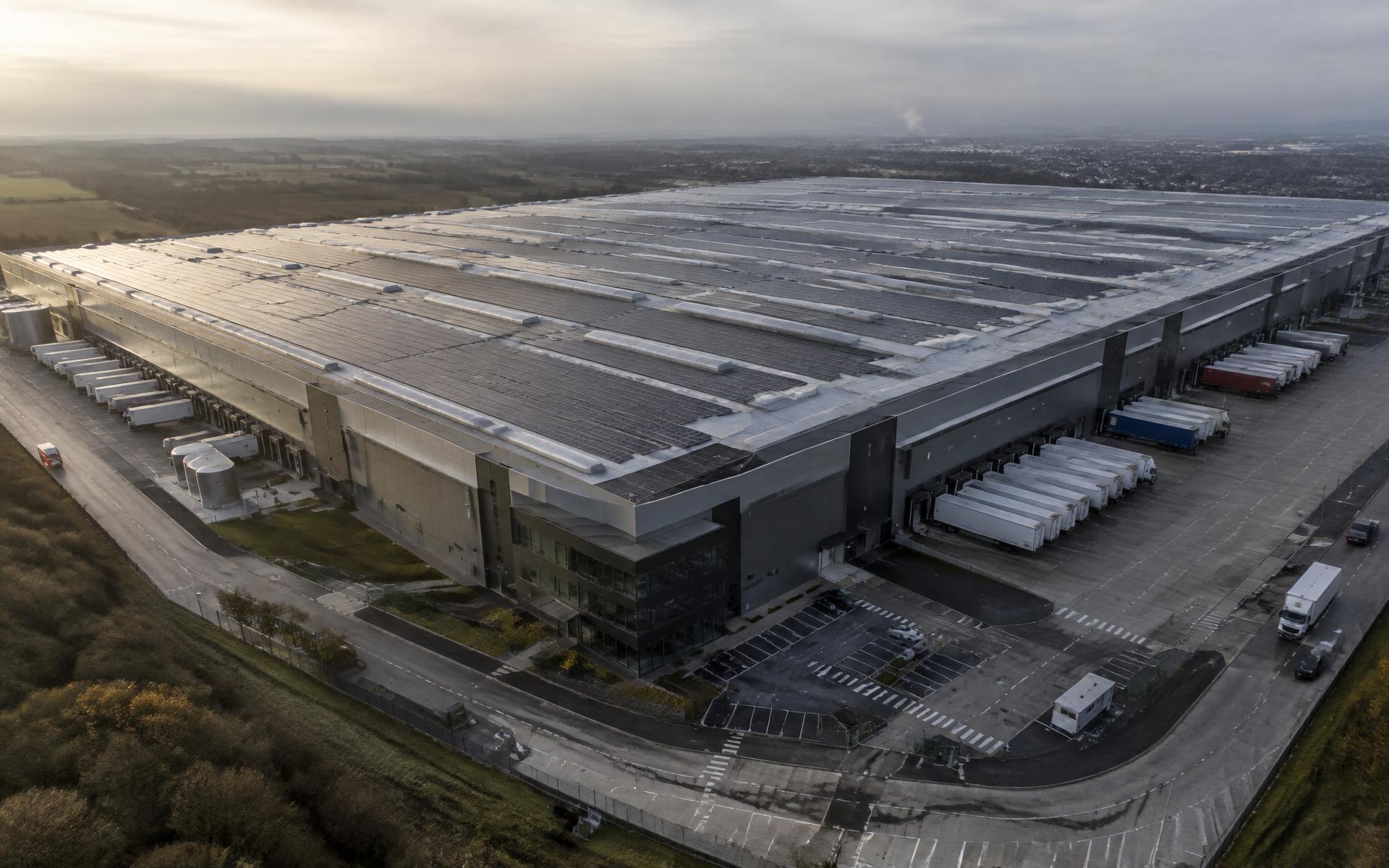
Solar on an east-west facing roof
Ten to twenty per cent less per panel, twice the roof to use, and output across the whole working day. The plain answer for a building that doesn't face south.
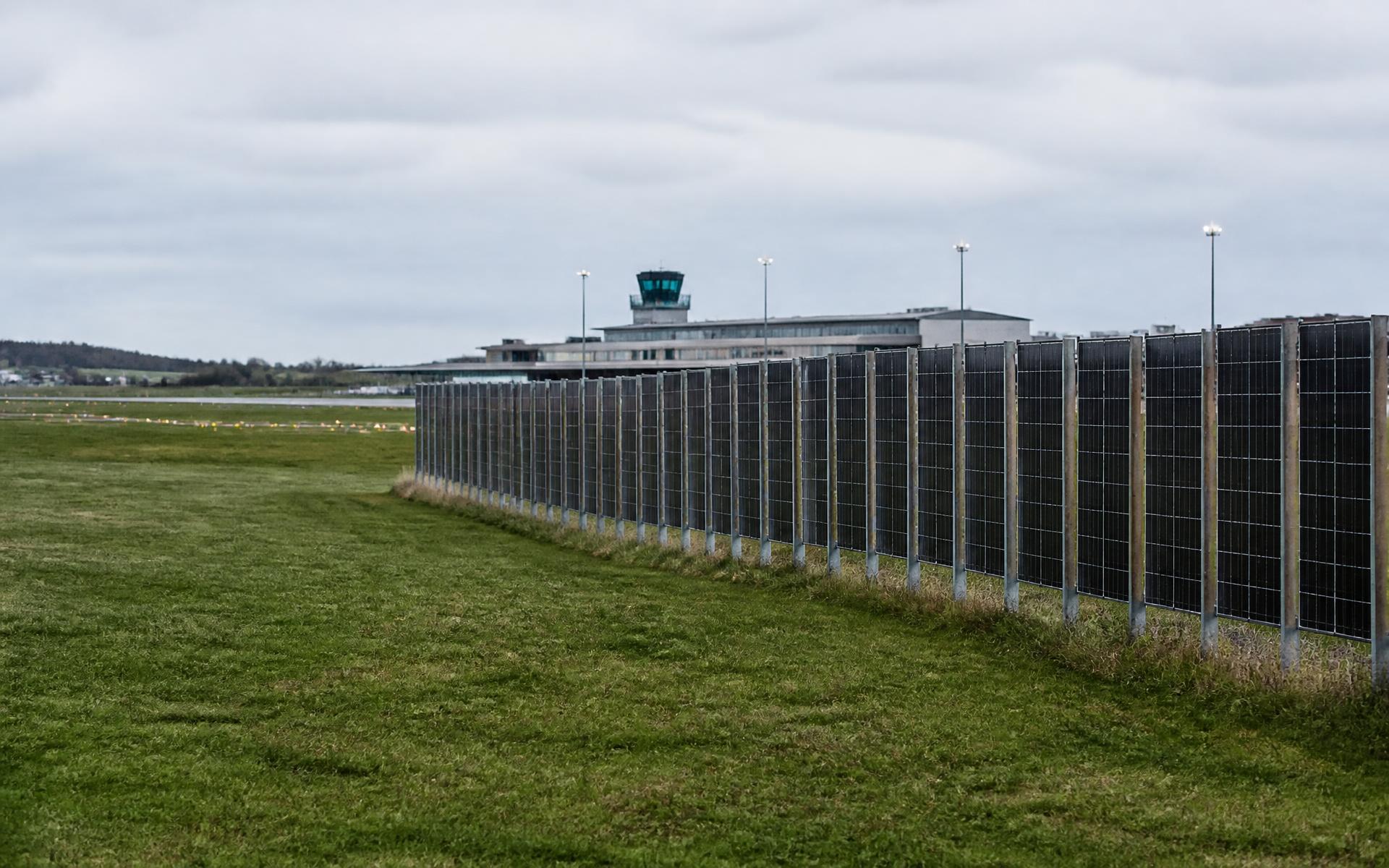
The best-defended solar site in Britain is behind an airport fence
Mown grass, kilometres of perimeter and a large continuous load next door. What an airport microgrid actually looks like.

The eclipse and the grid
A predictable dive in national solar, a kettle surge on the other side, and a free rehearsal for every ordinary evening.
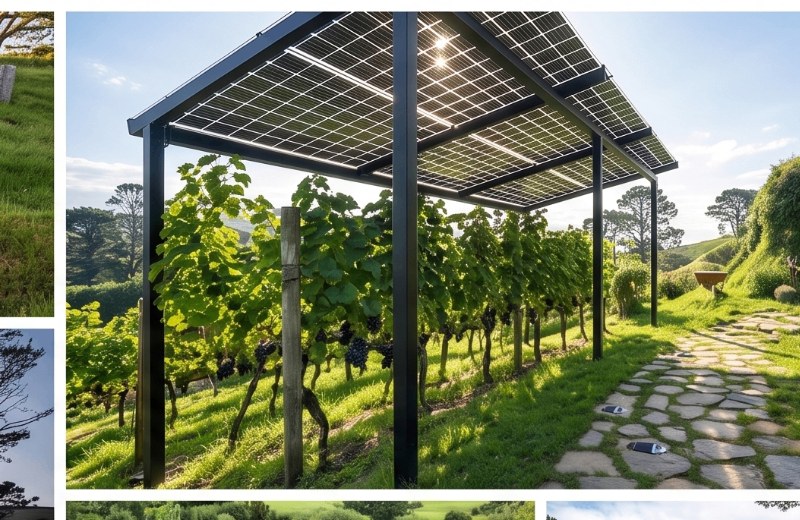
Why 1% of the UK is all we need
We don't have a land problem. We have a coordination problem.

Fragmented Funding
The capital is already there. It's just scattered across six different desks.

Powering the Future: Community Bonds
What if a community could keep the returns on its own infrastructure?

Why Ground Screws are the Future of UK Commercial Solar Farms
Time is capital. Earth is an asset. Concrete is a liability.

Local Net Zero: the support already on the table
Hubs, Accelerators, Great British Energy, the Community Fund, what's on offer, and how to find the door.
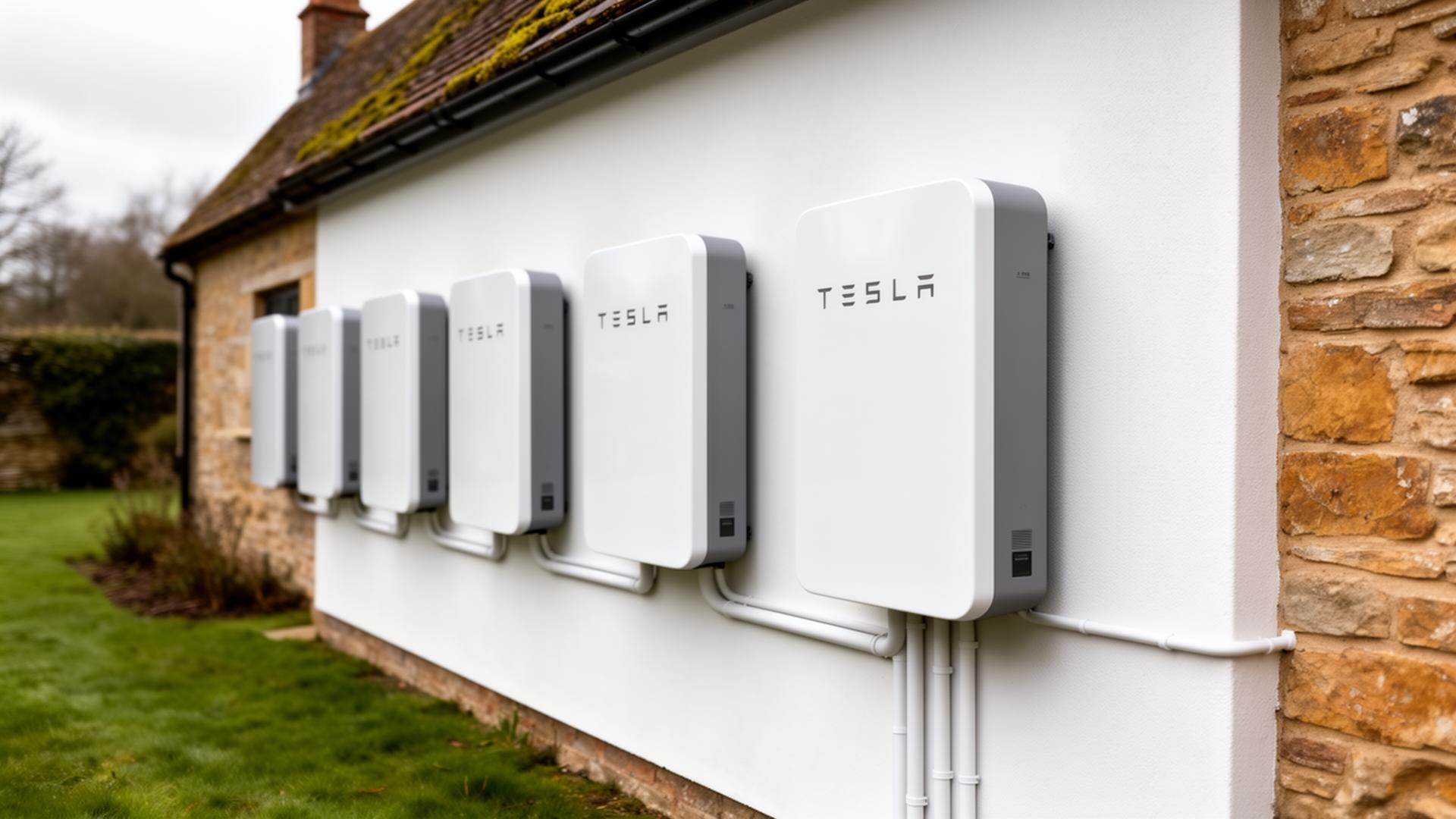
Global Quality, Local Installation
Why we install Tesla, and what a four-Powerwall replacement says about backing customers for decades.

The Evolution of Work: From Watt to Joule
Joule gave the scientific 'why' to the practical 'how' Watt had already commercialized, and that's why your bill is in kWh.

Let There Be Light: York Minster and the cathedral as civic leader
184 panels, £20,000 saved in six months, and a signal from the institution that has watched the British landscape the longest.

Shade as a Resource: agrivoltaics for British vineyards
What a 2018 Oregon study tells us, and what it doesn't, about putting solar above vines.
SEG, PPAs and the rise of symmetric pricing
Three layers for selling solar back to the grid, and a fourth idea that aligns the home with the system operator.
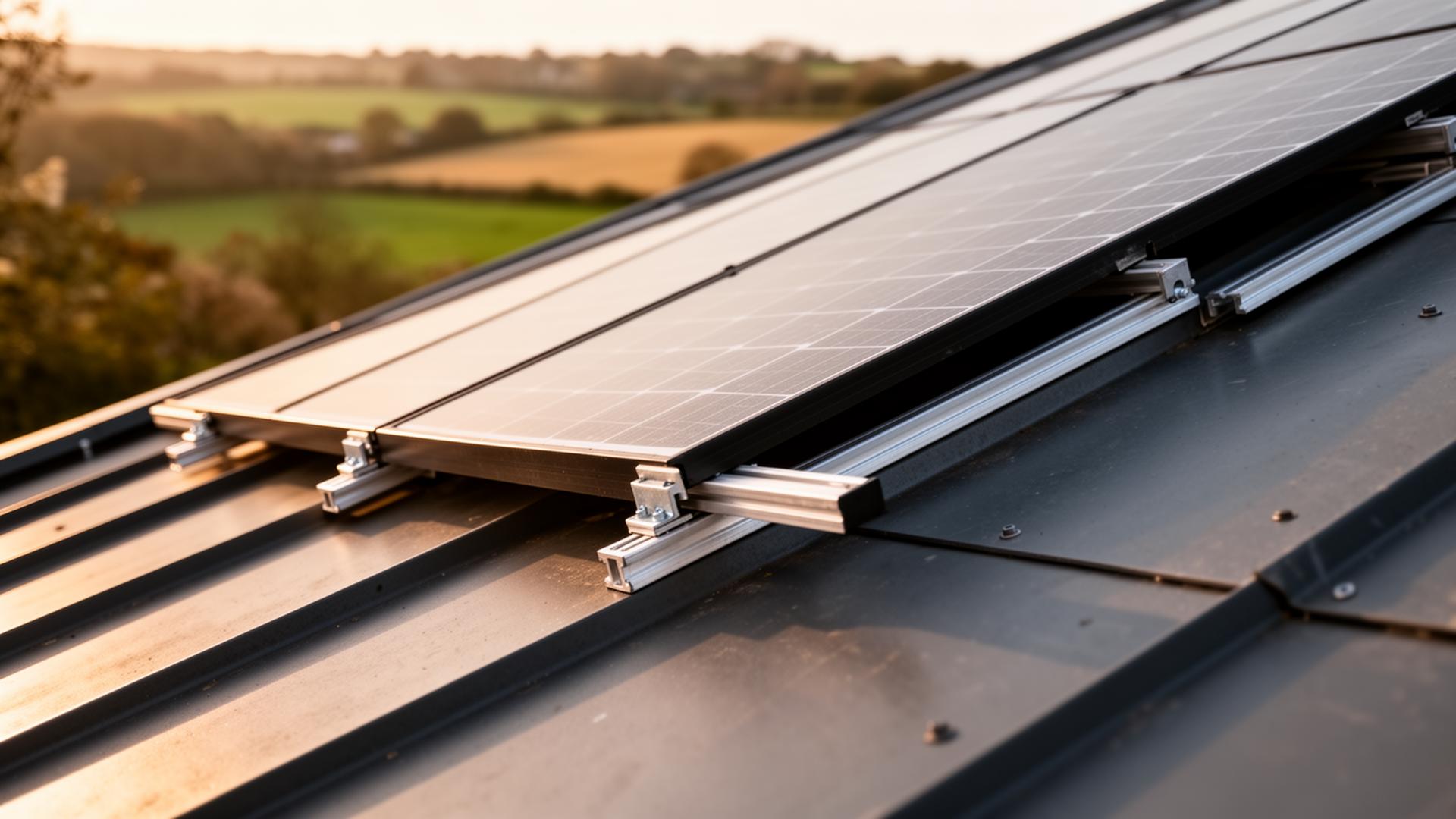
Mini Rails vs Long Rails
The mounting structure is the second-largest source of embodied carbon in a solar system. Two short profiles or one long one, it matters.
Playing the DNO: how to fast-track a slow connection
You can't choose your Distribution Network Operator. You can choose how you submit, and that is usually the whole game.

Biodiversity Net Gain: the 10% that changes the maths
Statutory BNG is now the law for almost every piece of development in England. For solar, it is an opportunity hiding inside an obligation.
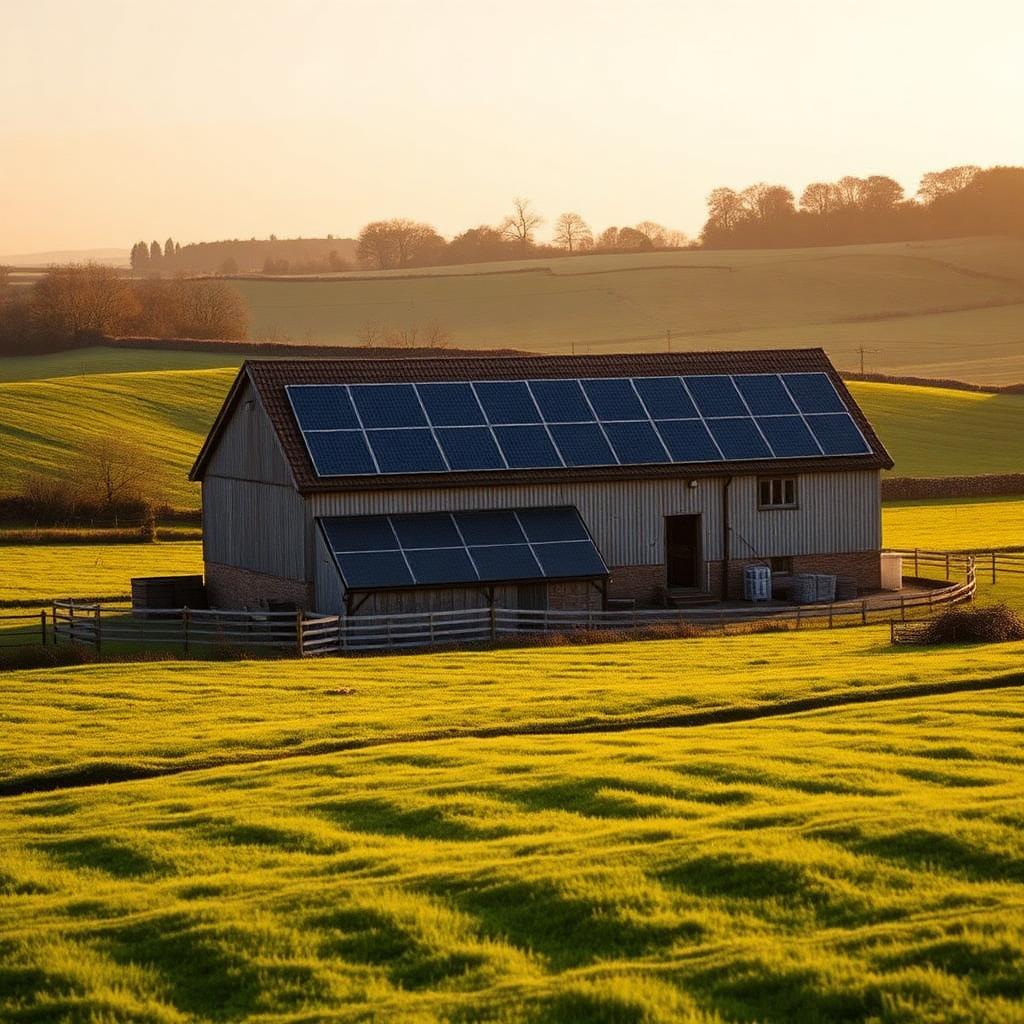
Reclaiming VAT on farm solar
Solar panels are plant and machinery. For most VAT-registered farms, that means the 20% input tax comes back, and capital allowances stack on top.
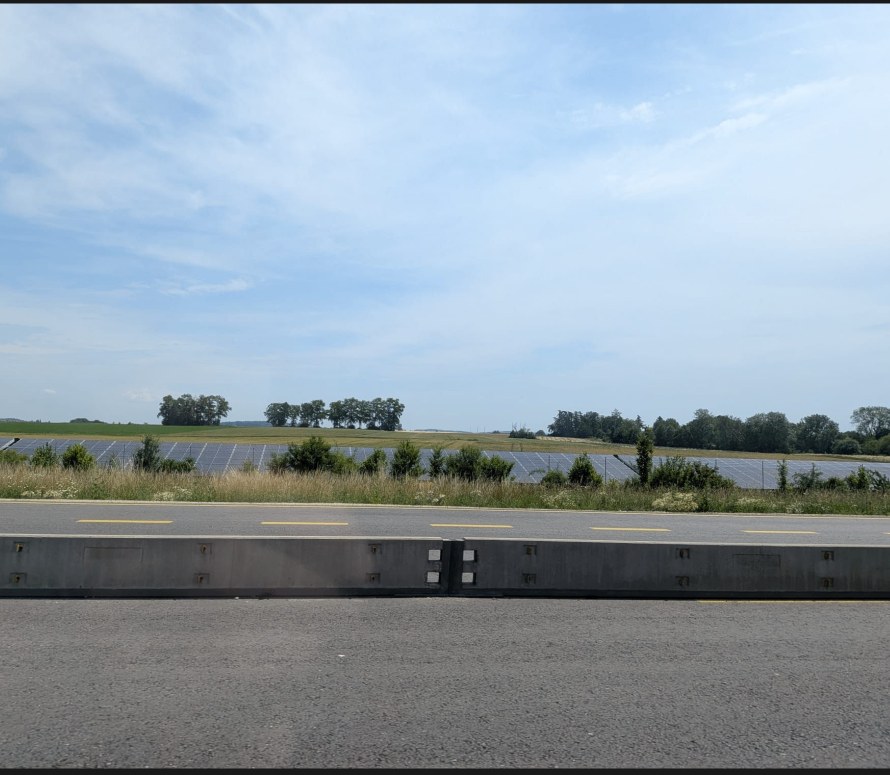
East-West arrays: the economics on constrained UK sites
Lower yield per panel, higher revenue per hectare. Why midday peaks are now a liability.

The hop garden that became a power station
977 kWp seven metres above a working hop garden. What Fraunhofer's HoPVen trial means for British growers, and what it doesn't yet prove.
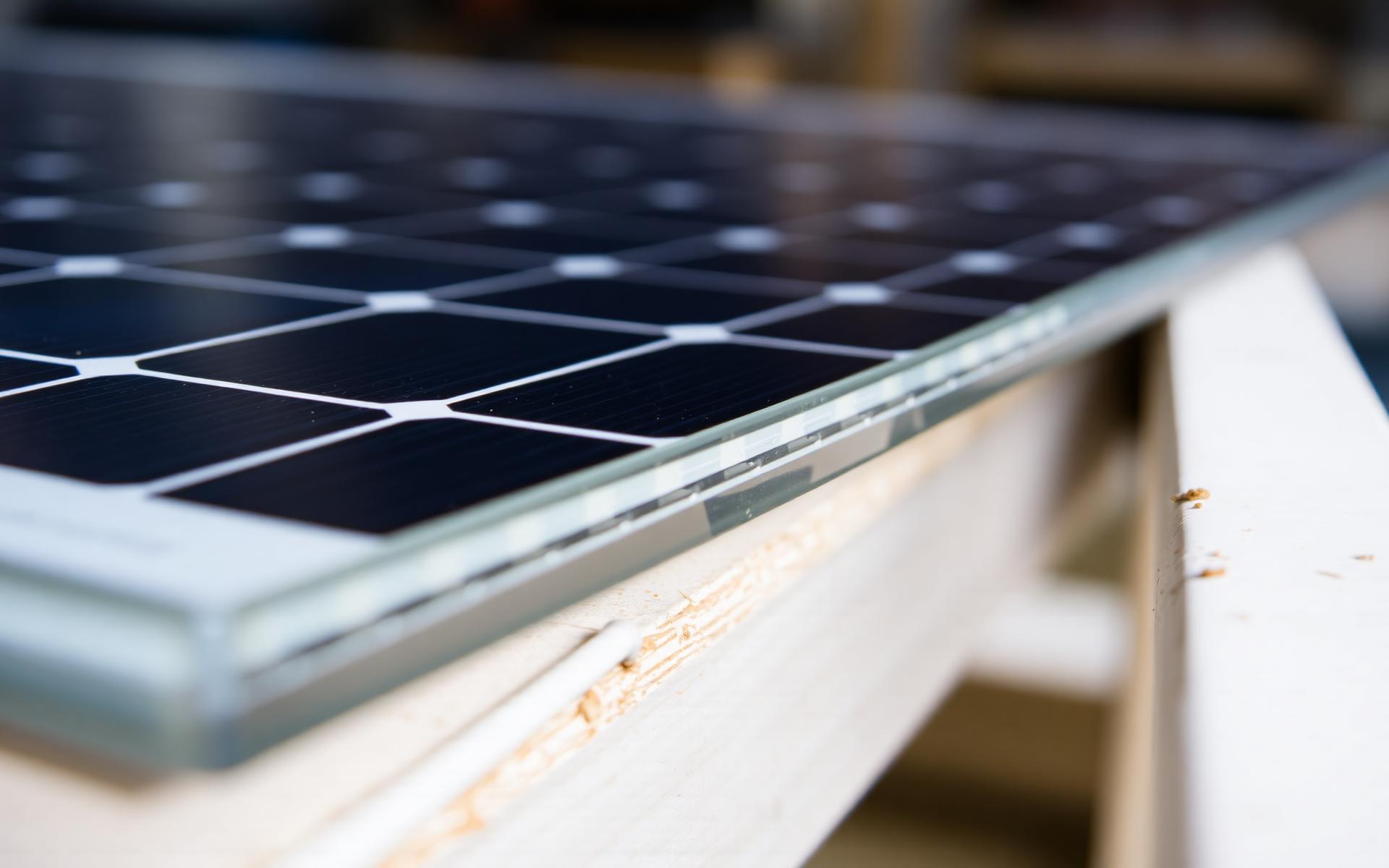
Should you wait for better panels?
Cadmium telluride is real, cheap at gigawatt scale and not sold to you. The choice on a British roof is which silicon, and why we specify glass-glass.
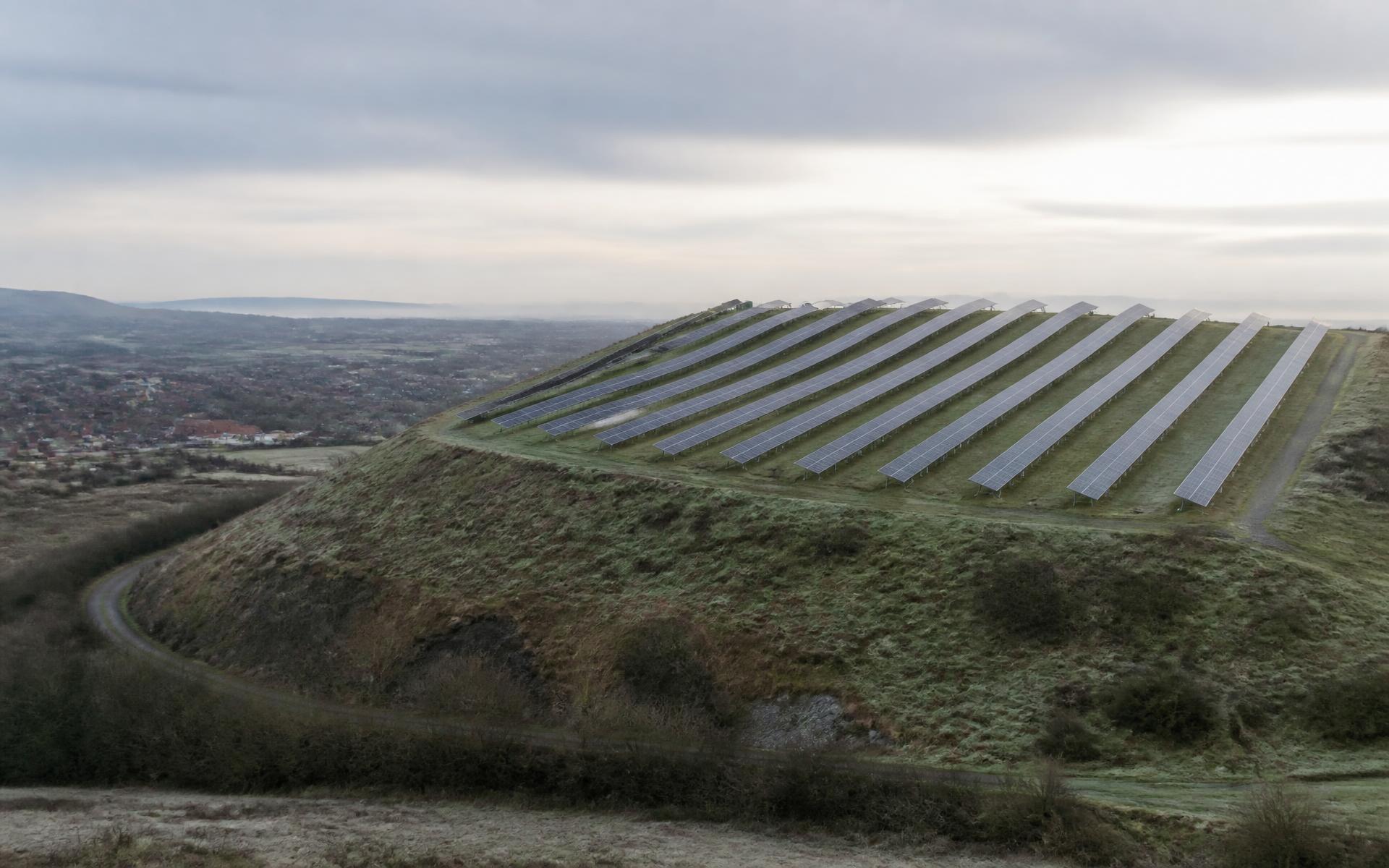
The hill made of rubbish that pays rent
New Haven put 1,900 panels on a capped landfill. Britain has twenty thousand of these hills and no policy pointing at one of them.