Should you wait for better panels?
Every few months someone sends us an article about cadmium telluride, or perovskites, and asks whether they should hold off a year. Here is the honest answer, and what the real choice on a British roof actually is.
Cadmium telluride is real, and it is not for you
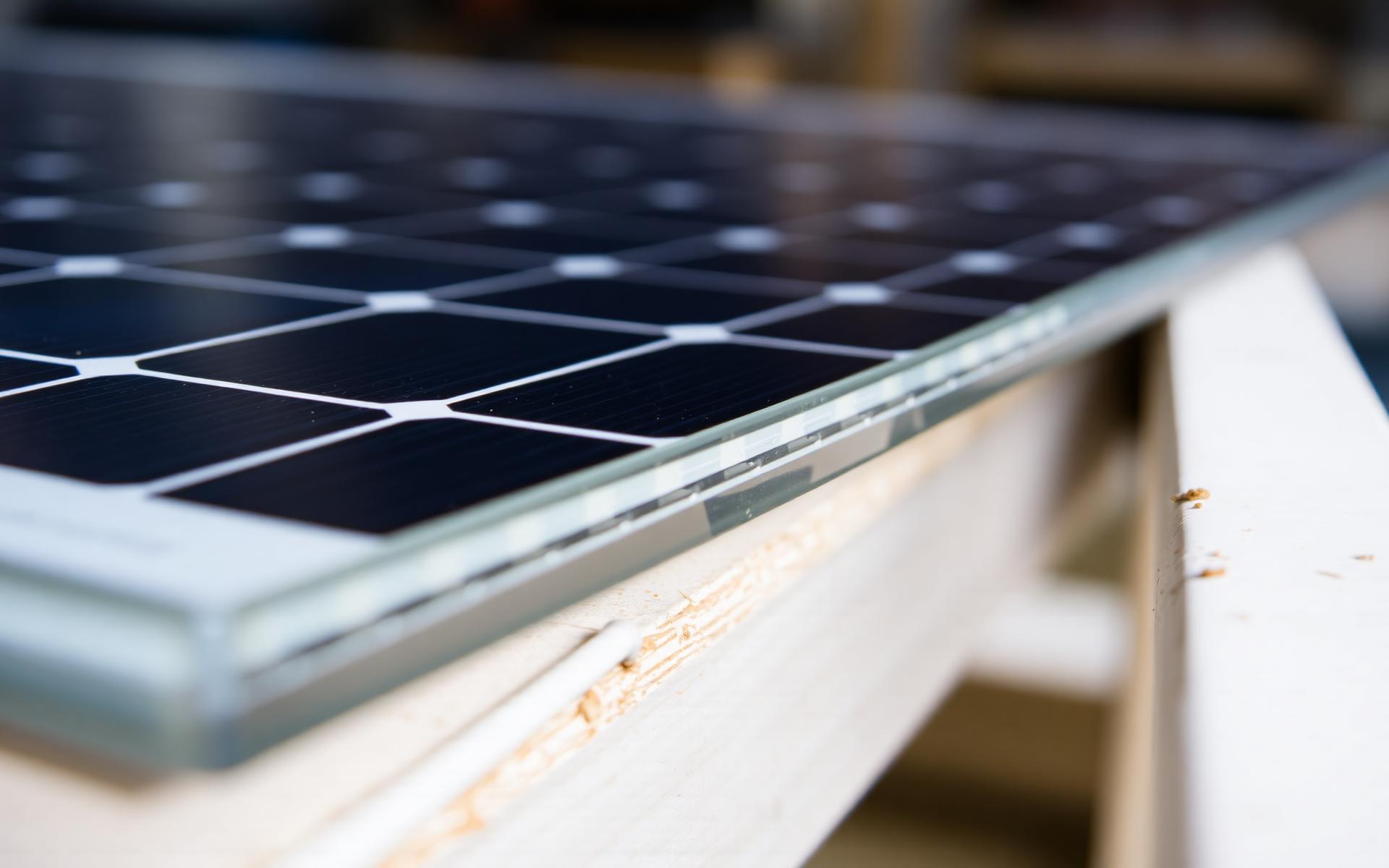
Thin film is not vapourware. Cadmium telluride, CdTe, is a genuinely different way of making a solar module: instead of slicing silicon into wafers, a microns-thin layer of semiconductor is laid straight onto a sheet of glass. First Solar in the United States has shipped it by the gigawatt for two decades. It holds up better than silicon when it gets hot, it does slightly better in the flat grey light we get a lot of, and it carries a low embodied-carbon figure because there is very little material in it.
What it is not is something you can buy for a barn roof in Warwickshire. CdTe is sold in container loads into utility-scale solar farms, on long contracts, years ahead. There is no domestic channel, no MCS-listed residential product line, and no installer network set up around it. A homeowner or a business asking for CdTe is asking for a thing that is not on any price list they can reach. That may change. It has not changed yet.
The choice in front of you is not silicon versus thin film. It is which silicon.
The real fork: backsheet or glass-glass
Almost every module you can actually buy in Britain is crystalline silicon. The meaningful difference between them is what is behind the cells. The cheap construction is a polymer backsheet: a laminated plastic film, light, easy to handle, and the reason most panels come in at the price they do. The other construction is glass on both faces, with the cells sealed between two sheets. That is what we specify, and usually that means SolarWatt.
The argument for it is not efficiency. On a clear day in July, two modules of the same wattage will make the same electricity whichever way round they are built. The argument is what happens in year fifteen. Backsheets are the part of a panel that ages first. They chalk, they craze, in bad cases they delaminate and let moisture into the cell layer, and then you have a fault that cannot be repaired, only replaced, on a roof you paid to have scaffolded once already. Glass does not do any of that. It is inert. It gets rained on and it stays glass.
There is a second reason, which matters on farms and anywhere with spray drift or livestock or salt air. Fungicides, slurry aerosol and coastal air are hard on polymers and indifferent to glass. If a module is going to sit above something agricultural for thirty years, sealing both faces is not a luxury.
The honest cost of that choice
Glass-glass is heavier, by roughly a fifth, and it costs more per watt. On an older purlin roof that weight is a real constraint and it has to go to the structural engineer at the start of the design, not at the end. We have walked away from roofs where the answer was that the structure would not take it. That is the trade: a dearer, heavier panel, backed by a thirty-year product warranty rather than a ten or twelve year one, on a system whose financial case runs for twenty-five.
If the roof will not take glass-glass, we say so and quote a good backsheet module instead. What we will not do is quote the cheap one and stay quiet about which part of it will fail first.
So, wait or not?
Waiting has a price and it is easy to work out. A domestic system generating around 3,700 kWh a year, most of it displacing electricity you would otherwise buy, is worth several hundred pounds a year to a household and considerably more to a business on a commercial tariff. A year of waiting is a year of paying that in full, in exchange for access to a technology that is not sold at your scale and, when it eventually is, will be competing against silicon that has also got cheaper and better in the meantime.
The one thing worth waiting for, occasionally, is a grid connection. If your network operator has no headroom at your point of connection, that is a real reason to phase a project. Panel chemistry is not.
Perovskites, and the silicon-perovskite tandem cells that keep setting laboratory records, are the interesting long game. They will arrive as a better version of the module you already own the roof space for. When they do, the mounting system, the cabling and the inverter you put in this year are the things that carry over.
Give us a location and a rough idea of what you use, and we will come back with grid headroom, a system size, what it would cost and what it would save. Specified with the modules we would actually fit, and priced with the ones you can actually buy.
Two minutes, three questions. No sales calls unless you ask for one.
In short
Cadmium telluride thin film is real, cheap at gigawatt scale and effectively unavailable to British rooftop buyers. The practical choice on a UK roof is which silicon module, and glass-glass construction is specified because sealing the cells between two panes of glass rather than glass and polymer backsheet slows moisture ingress and degradation.
Common questions
Should I wait for better solar panels?
No, in almost every case. Panels are already the cheap part of the system and improve a fraction of a per cent a year, while the scaffold, labour and electrical work do not get cheaper. Waiting a year buys a marginally better module and loses a year of generation.
What are glass-glass solar panels, and are they worth it?
Glass-glass modules seal the cells between two panes of glass instead of glass and a polymer backsheet. The polymer is what lets moisture in over decades, so the glass-glass build degrades more slowly, carries longer warranties, and is why we specify it despite the extra weight.
Is cadmium telluride thin film better than silicon?
It is cheaper at gigawatt scale and performs well in heat and diffuse light, which is why it appears in large American utility projects. It is not sold into the British rooftop market in any meaningful volume, so for a UK roof the real decision is which silicon module, not silicon versus thin film.
How long do solar panels last?
Longer than the warranty implies. A typical module is warranted to hold around 85 to 90 per cent of its output at 25 years and keeps generating after that. Glass-glass construction shifts that curve upwards, which matters most on a roof that is expensive to access twice.
Continue reading
All essays →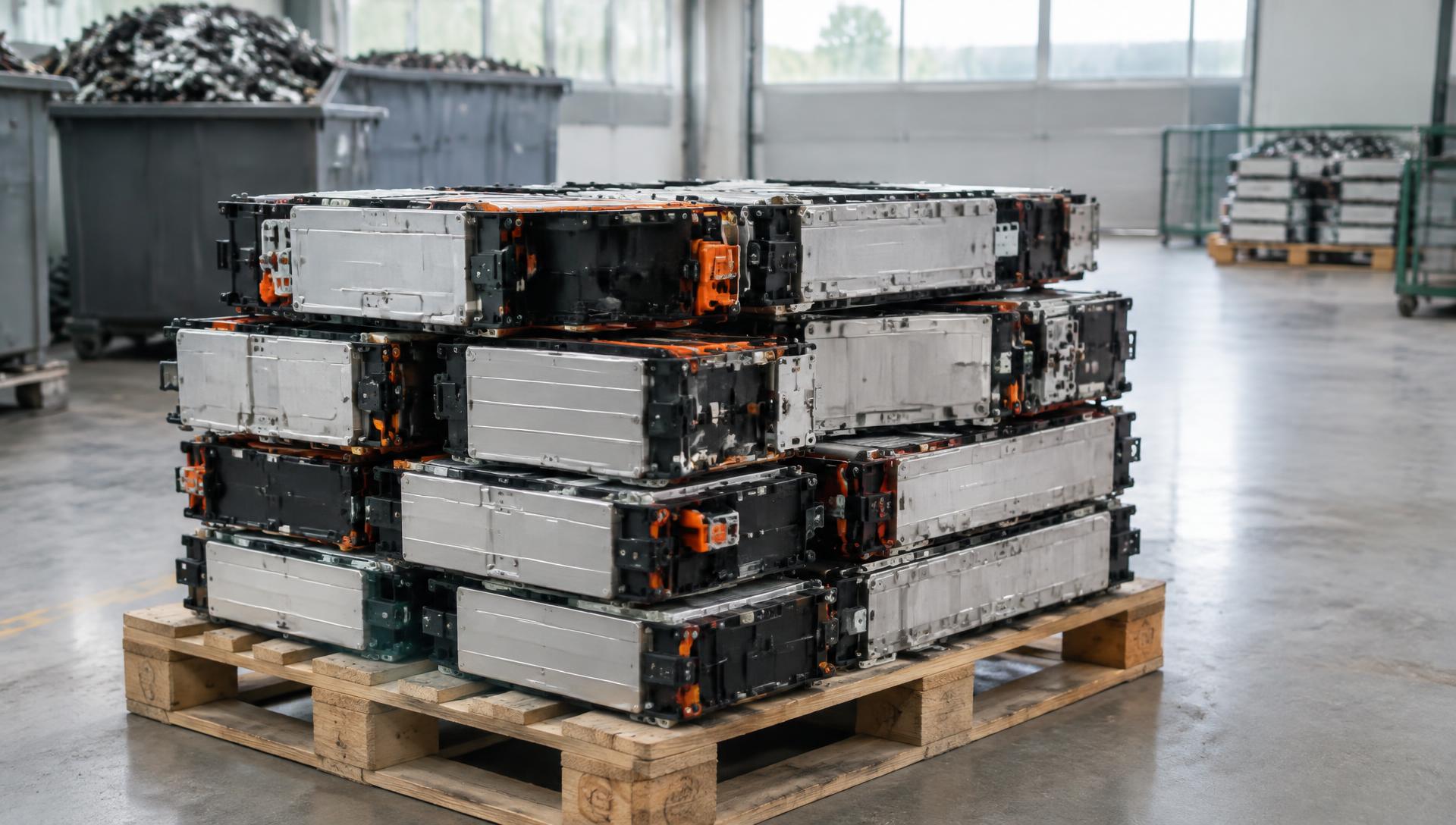
What happens to a home battery at the end of its life?
Extend first, recycle second, landfill never. Tesla's published end-of-life policy, and what to ask before you buy any battery.
Solar on an east-west facing roof
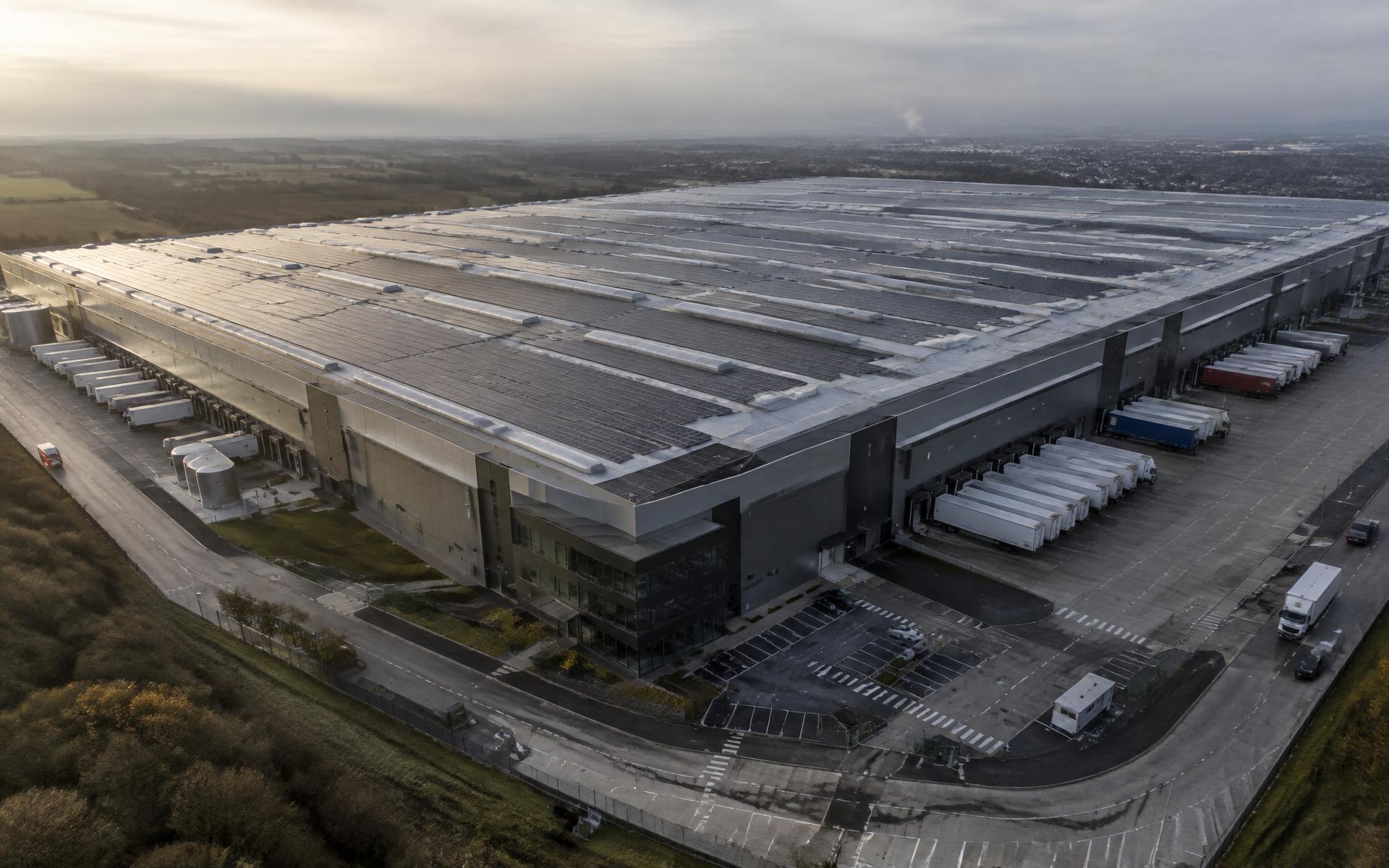
Ten to twenty per cent less per panel, twice the roof to use, and output across the whole working day. The plain answer for a building that doesn't face south.
The best-defended solar site in Britain is behind an airport fence
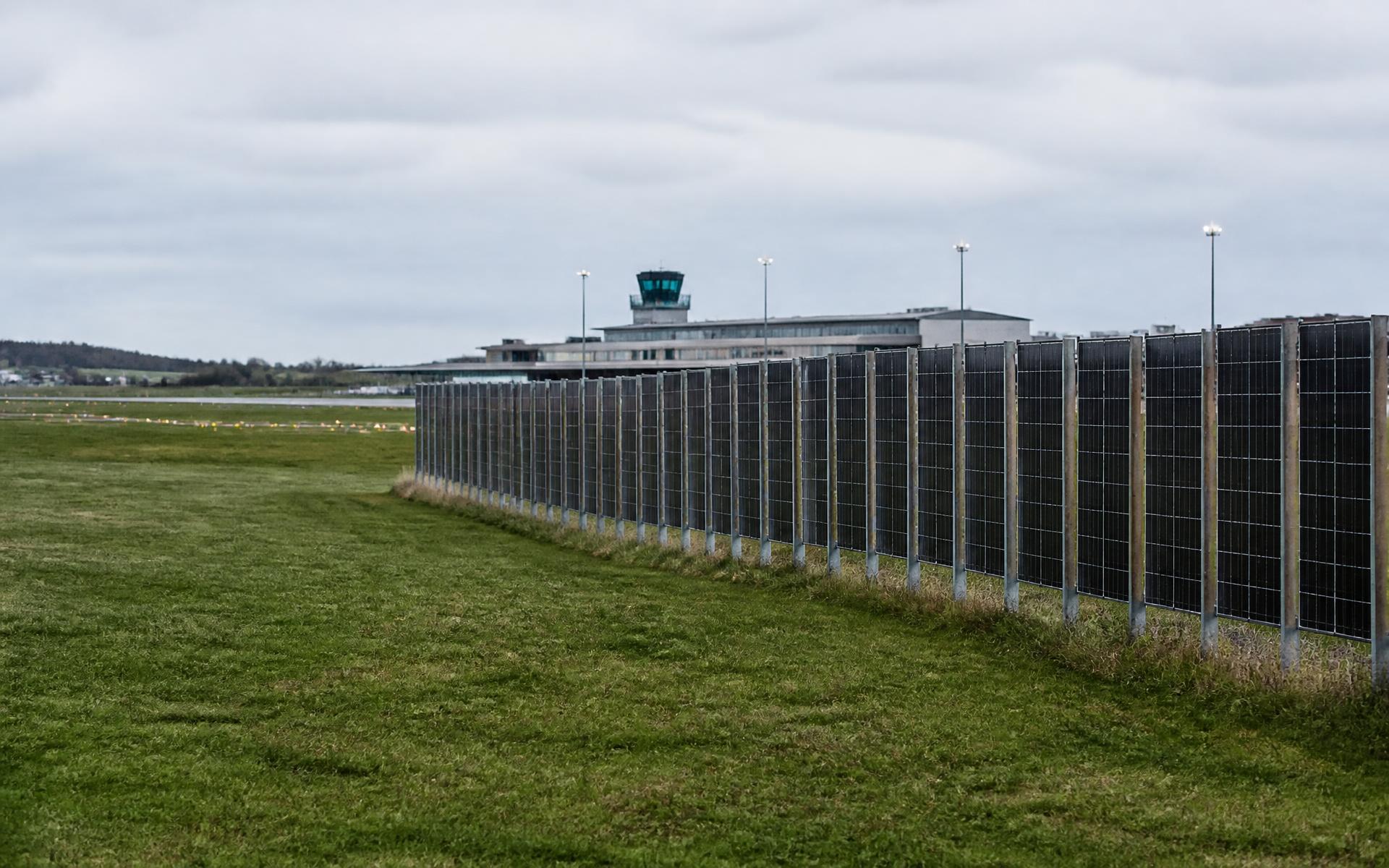
Mown grass, kilometres of perimeter and a large continuous load next door. What an airport microgrid actually looks like.
Use them where you make your own electrons
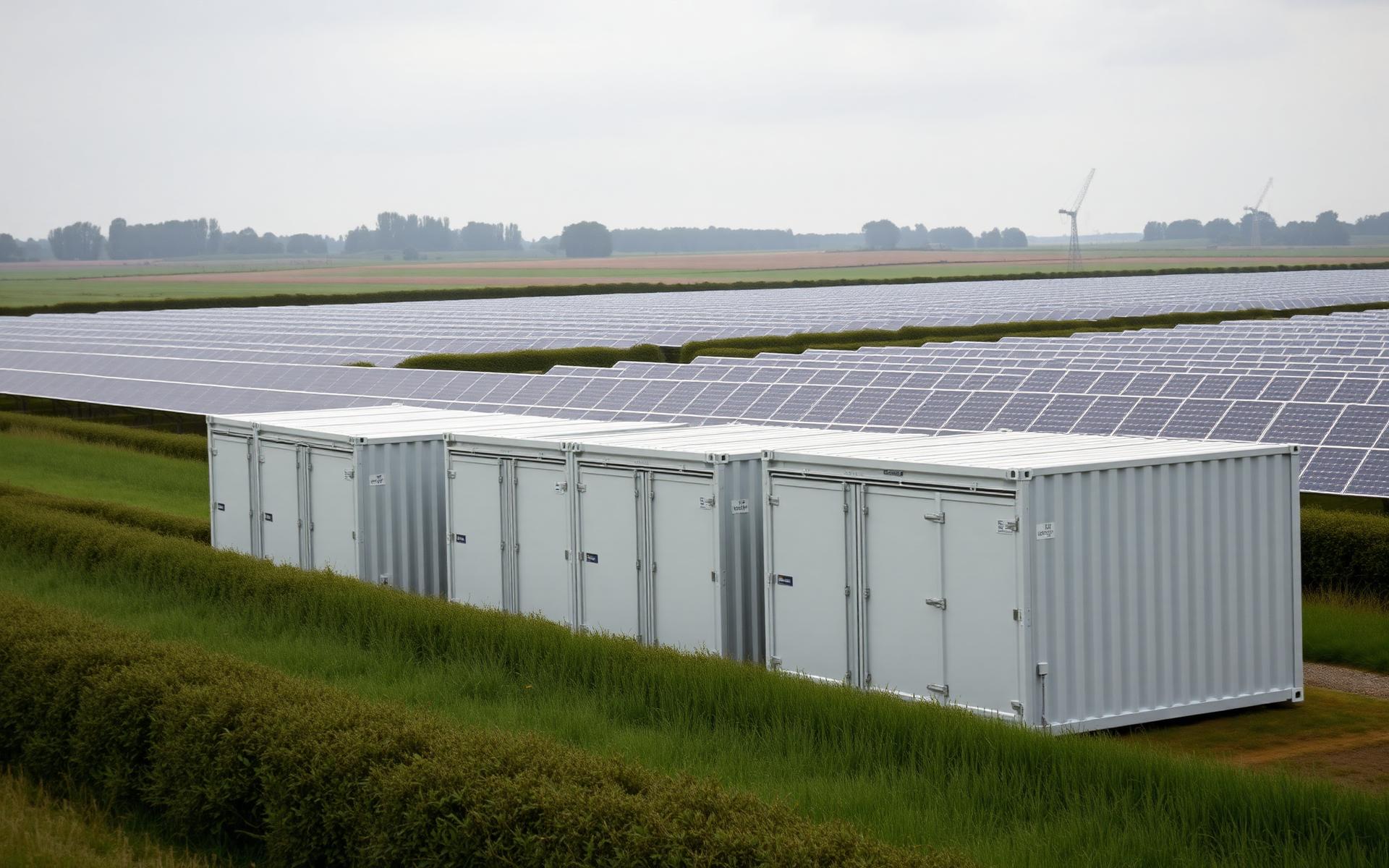
Serve the businesses next door over private wire, then let containerised compute eat whatever the grid won't take.

The eclipse and the grid
A predictable dive in national solar, a kettle surge on the other side, and a free rehearsal for every ordinary evening.
Why 1% of the UK is all we need
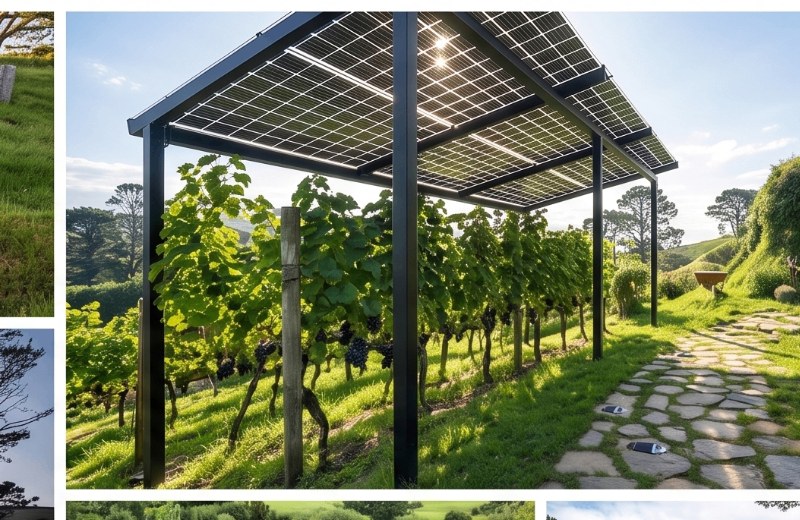
We don't have a land problem. We have a coordination problem.

Fragmented Funding
The capital is already there. It's just scattered across six different desks.

Powering the Future: Community Bonds
What if a community could keep the returns on its own infrastructure?
Why Ground Screws are the Future of UK Commercial Solar Farms
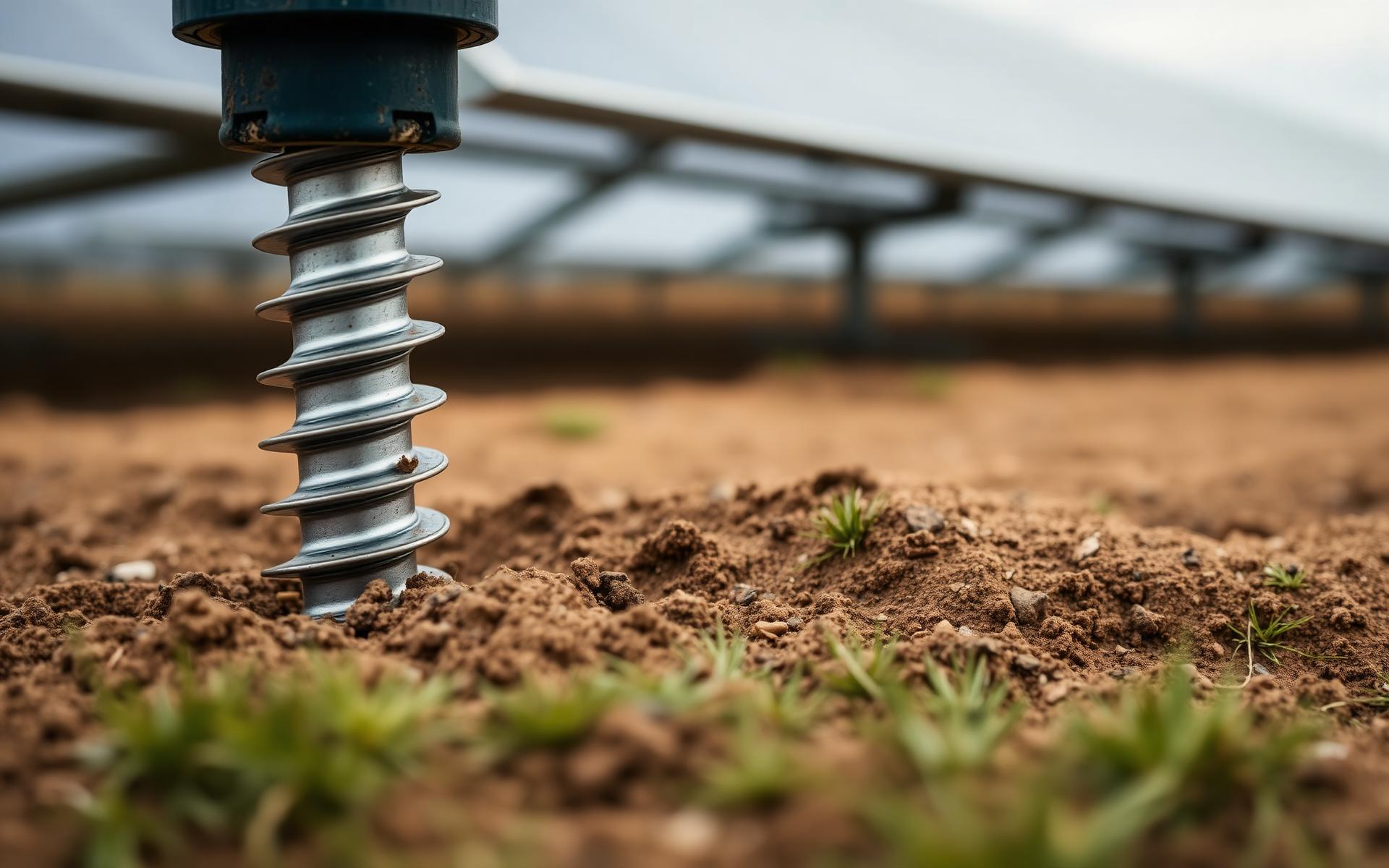
Time is capital. Earth is an asset. Concrete is a liability.
Local Net Zero: the support already on the table
Hubs, Accelerators, Great British Energy, the Community Fund, what's on offer, and how to find the door.
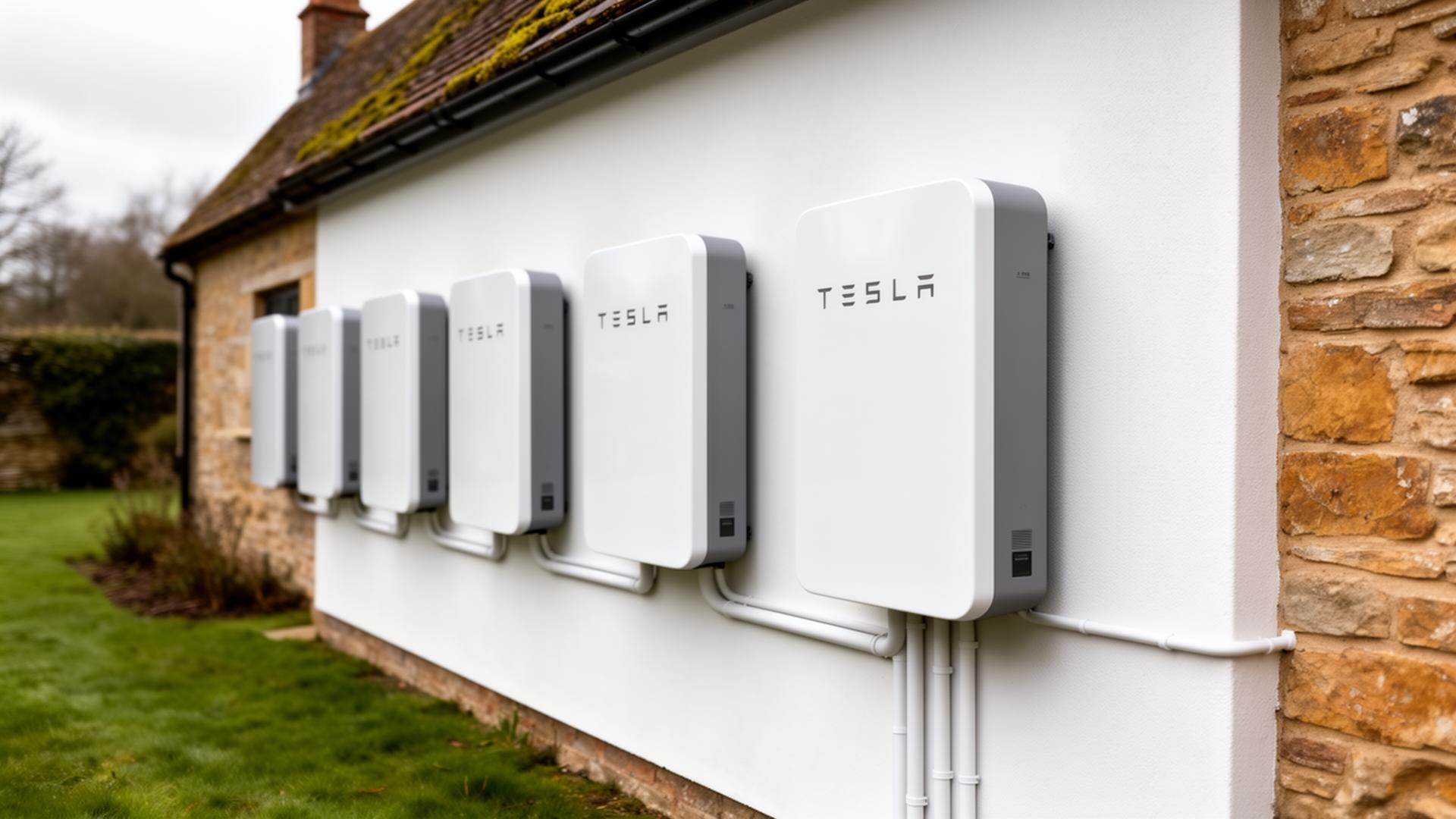
Global Quality, Local Installation
Why we install Tesla, and what a four-Powerwall replacement says about backing customers for decades.

The Evolution of Work: From Watt to Joule
Joule gave the scientific 'why' to the practical 'how' Watt had already commercialized, and that's why your bill is in kWh.
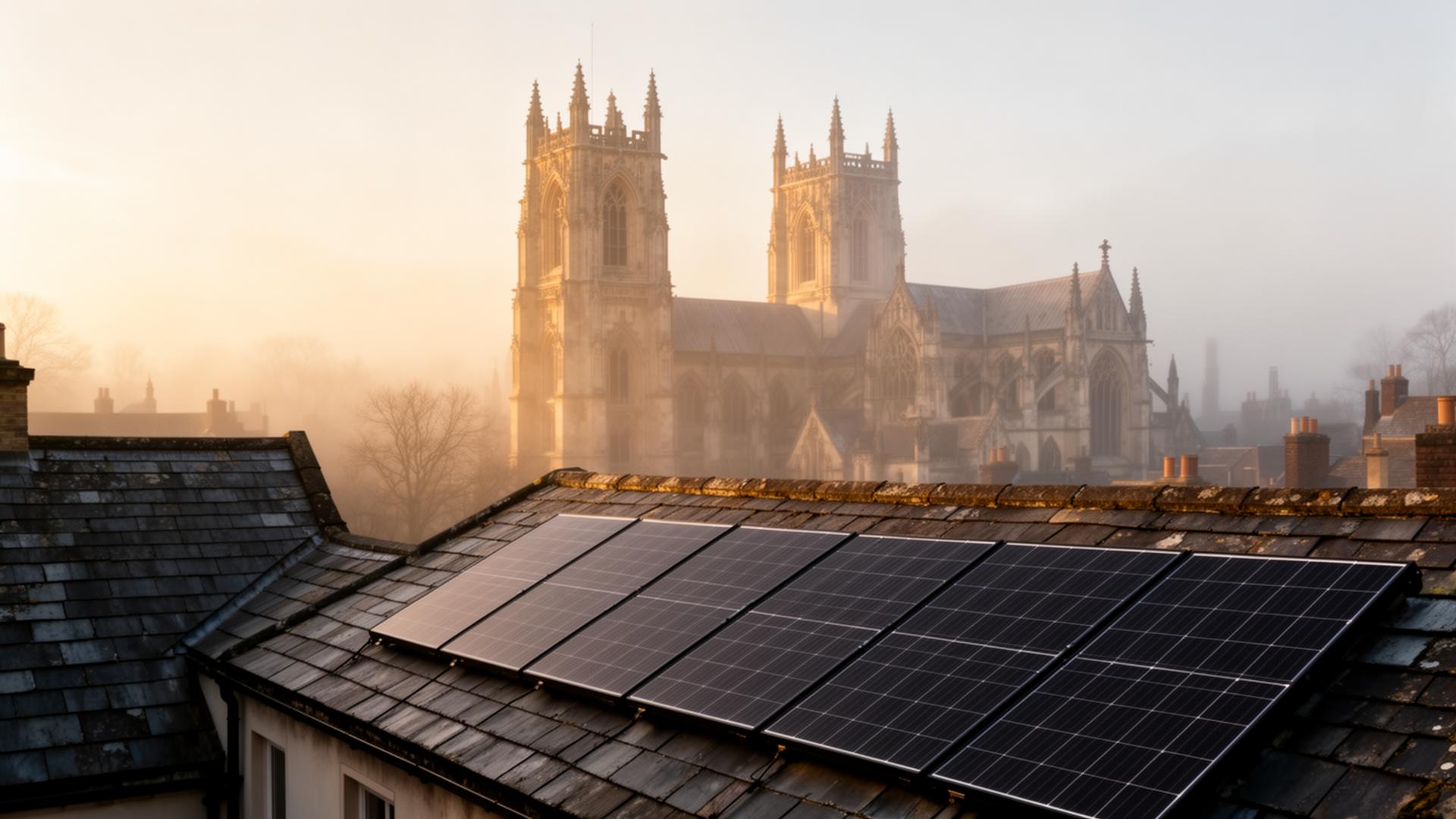
Let There Be Light: York Minster and the cathedral as civic leader
184 panels, £20,000 saved in six months, and a signal from the institution that has watched the British landscape the longest.

Shade as a Resource: agrivoltaics for British vineyards
What a 2018 Oregon study tells us, and what it doesn't, about putting solar above vines.
SEG, PPAs and the rise of symmetric pricing
Three layers for selling solar back to the grid, and a fourth idea that aligns the home with the system operator.
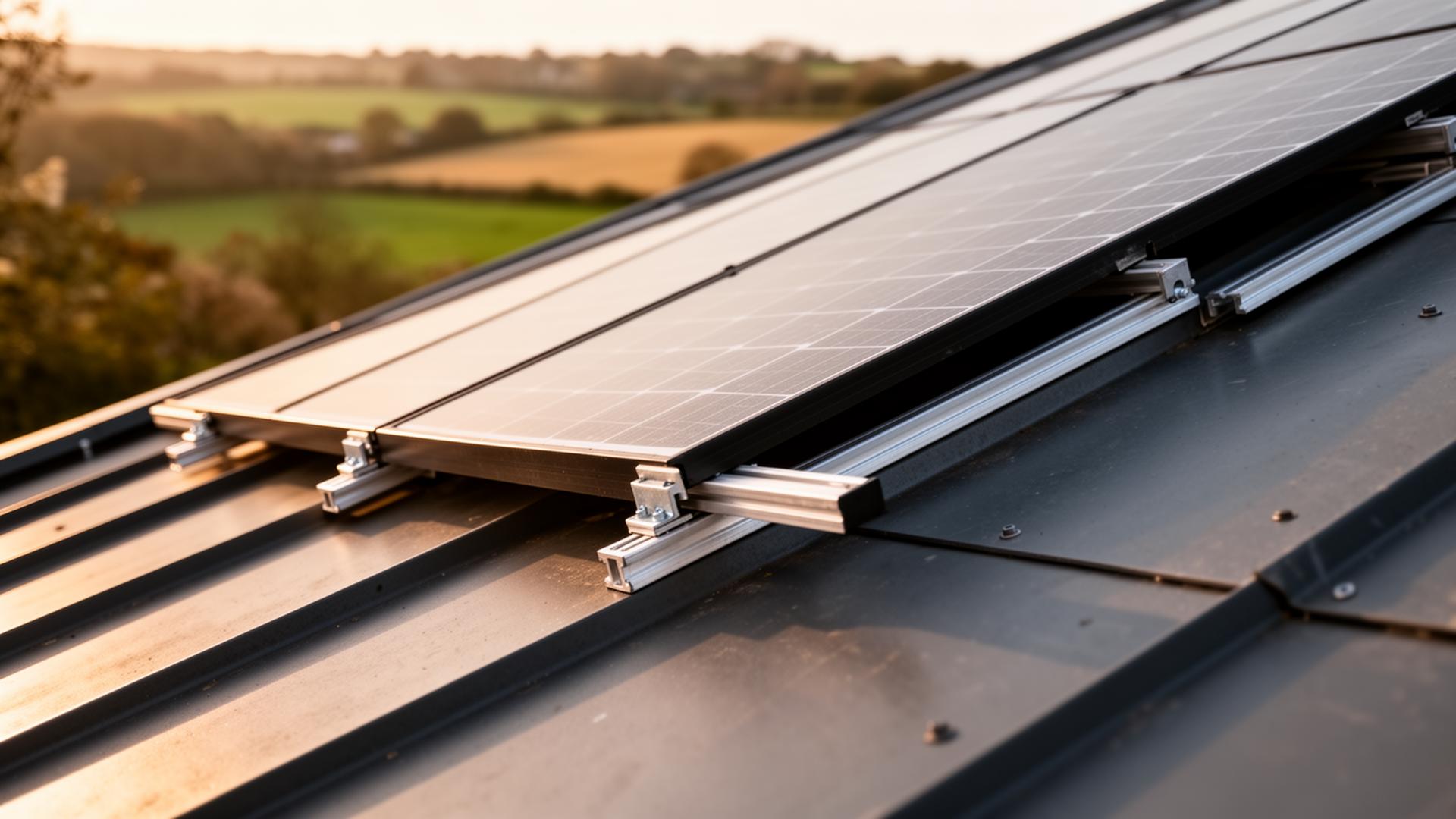
Mini Rails vs Long Rails
The mounting structure is the second-largest source of embodied carbon in a solar system. Two short profiles or one long one, it matters.
Playing the DNO: how to fast-track a slow connection
You can't choose your Distribution Network Operator. You can choose how you submit, and that is usually the whole game.
Biodiversity Net Gain: the 10% that changes the maths
Statutory BNG is now the law for almost every piece of development in England. For solar, it is an opportunity hiding inside an obligation.
Reclaiming VAT on farm solar
Solar panels are plant and machinery. For most VAT-registered farms, that means the 20% input tax comes back, and capital allowances stack on top.
East-West arrays: the economics on constrained UK sites
Lower yield per panel, higher revenue per hectare. Why midday peaks are now a liability.
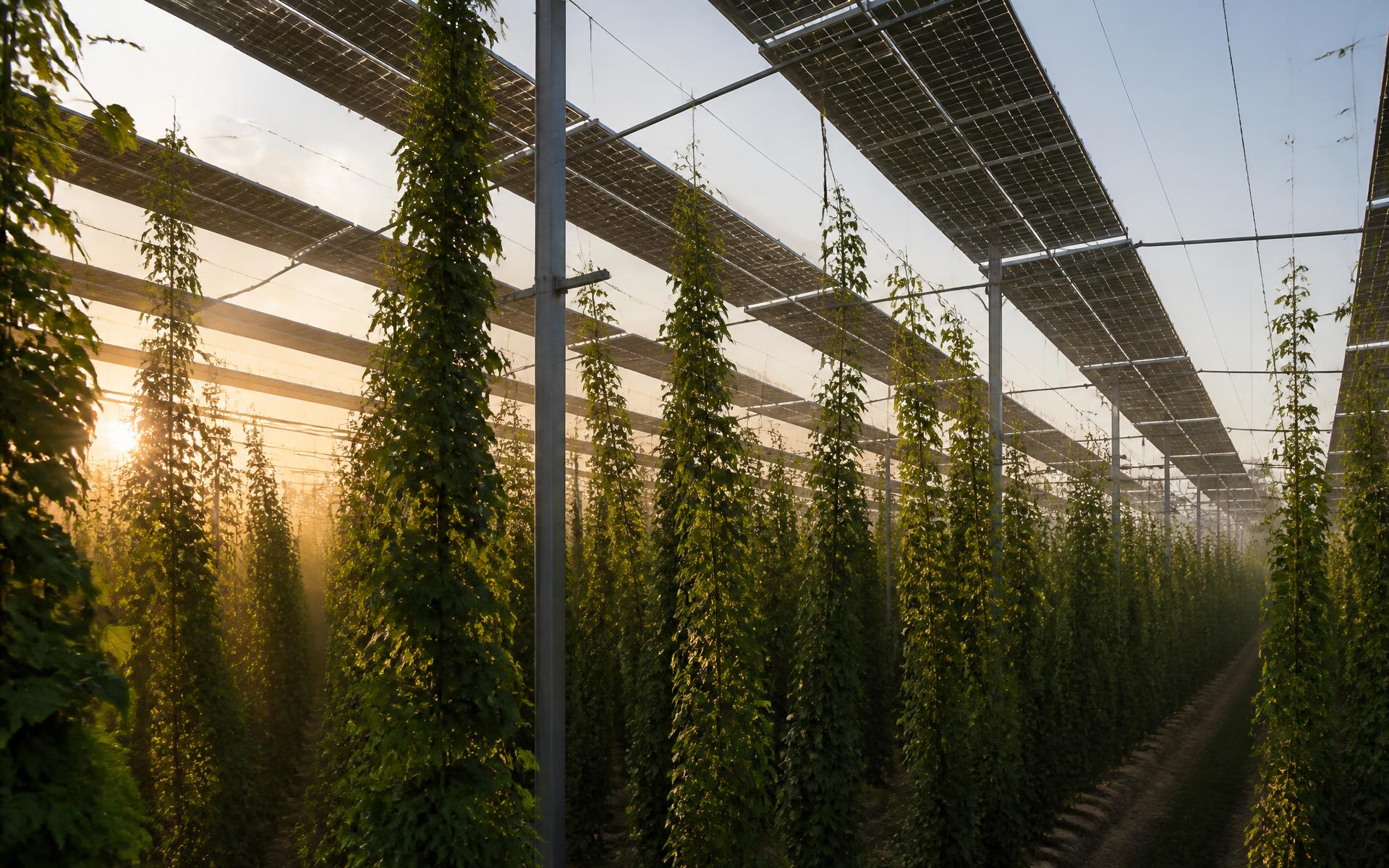
The hop garden that became a power station
977 kWp seven metres above a working hop garden. What Fraunhofer's HoPVen trial means for British growers, and what it doesn't yet prove.
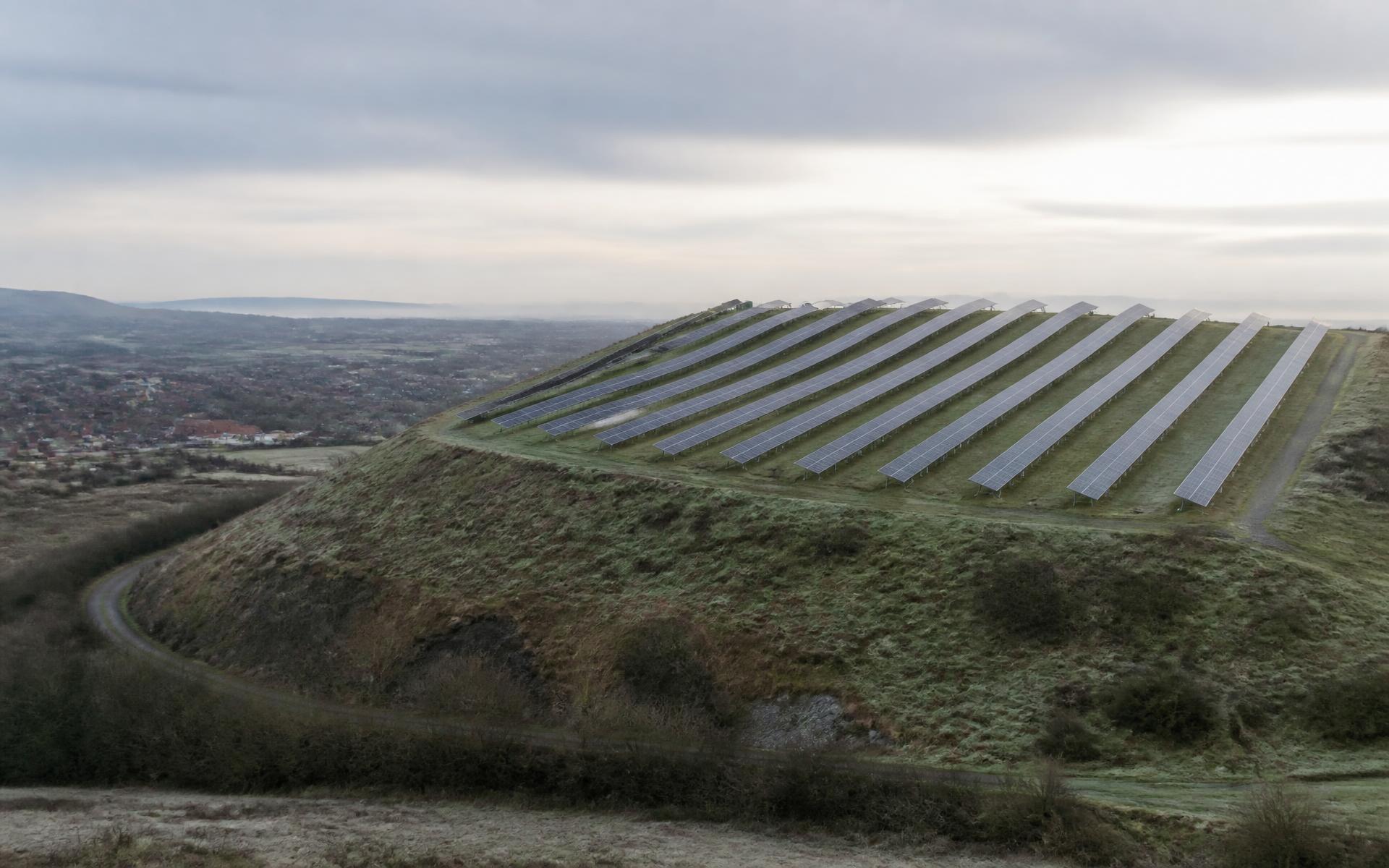
The hill made of rubbish that pays rent
New Haven put 1,900 panels on a capped landfill. Britain has twenty thousand of these hills and no policy pointing at one of them.