The hop garden that became a power station.
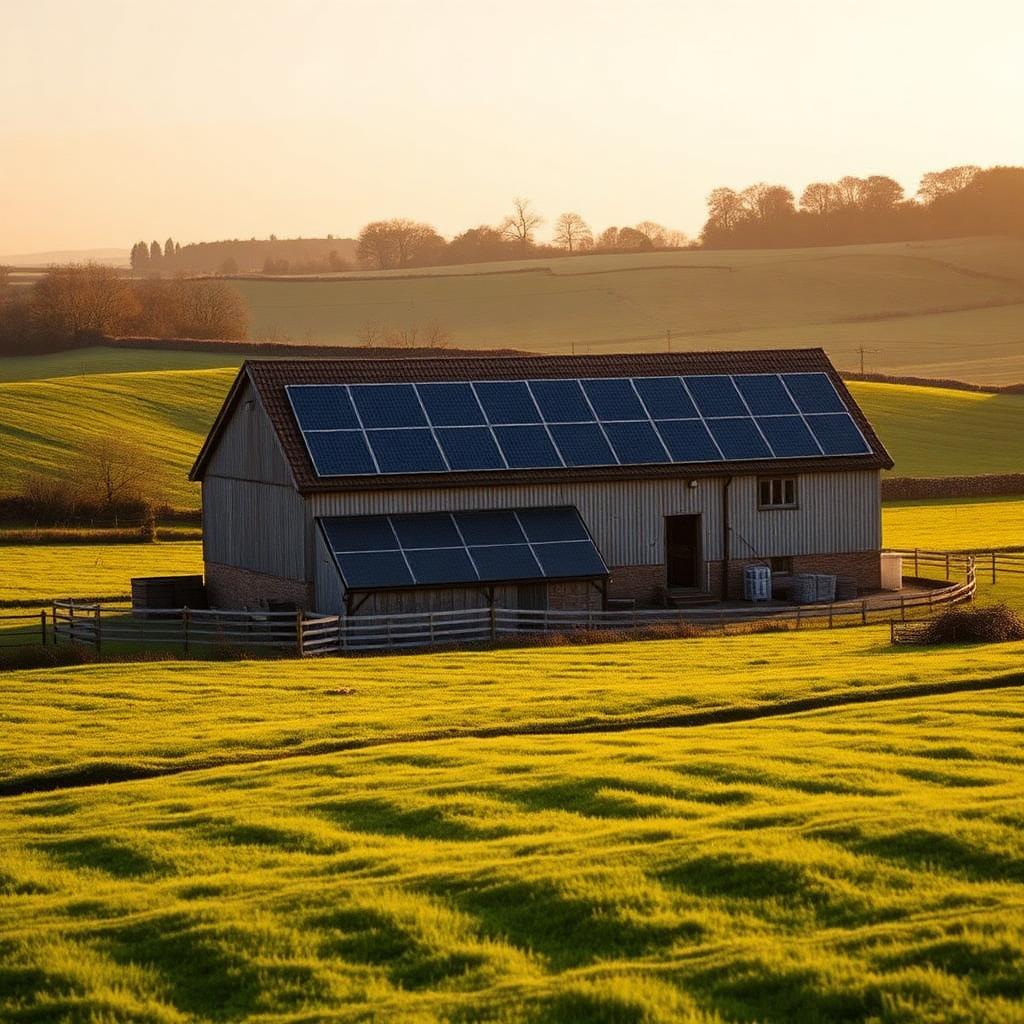
A hop garden is seven metres of steel and wire already standing in a field. Fraunhofer ISE looked at that and hung 977 kWp off it.
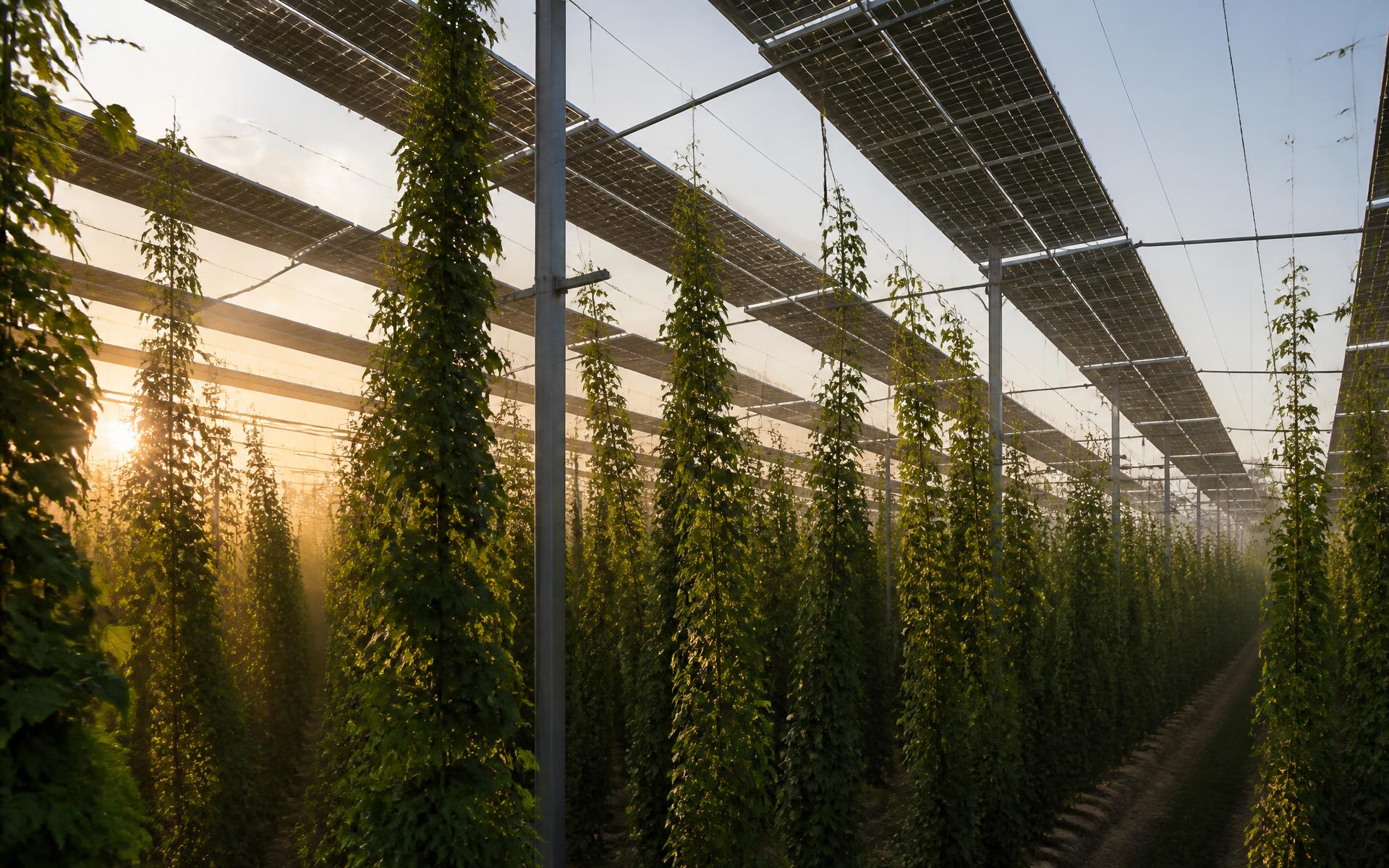
North of Munich, in the Hallertau, roughly 17,200 hectares of hop gardens produce what Fraunhofer describes as almost a third of world production. Hops are a perennial, so the same crowns stay in the same ground for a decade or more and a grower cannot rotate away from a bad climate year. Fraunhofer ISE's project note records yield losses of up to 40% in the dry summers of 2013, 2015 and 2018, depending on the variety.
In July 2023 the grower Josef Wimmer, working with AgrarEnergie GmbH, finished what Fraunhofer calls the world's first agrivoltaic system built over hops. Since November 2023 the site has been wired up with sensors, which is what researchers mean by instrumented: probes in the soil and on the wirework logging temperature, moisture, wind and light minute by minute, so that any change in the crop can be traced back to a measured cause rather than a hunch. The monitoring is run by Fraunhofer ISE and Weihenstephan-Triesdorf University of Applied Sciences, with the Bavarian State Research Center for Agriculture subcontracted in, funded by the German federal agriculture ministry. The trial runs to October 2026.
The numbers
Fraunhofer states the system supplies power for around 200 households, which is a supply-equivalence figure rather than a claim about 200 specific homes. Getting 977 kWp onto 1.3 hectares only works because the crop will sit under a partly closed roof and keep climbing.
The varieties under test are Hallertauer Tradition and Herkules. The instrumentation covers air temperature, humidity, light availability, wind speed and direction, soil temperature, soil moisture and leaf wetness, and then tracks what that microclimate does to the hops in both quantity and quality. Quality matters here more than the tonnage: alpha acid is what the merchant actually pays for, and a cone that comes in half a percent light is worth less whatever the weighbridge says.
Why the structure is the interesting part
A hop garden is already a permanent overhead structure. Masts, anchors, high-tensile wirework, all of it engineered to hold a heavy crop up through an August gale. So the question is not what a solar farm costs on that hectare, but what it costs to build a hop trellis that can also carry modules.
That difference is not trivial. Module loading, wind uplift and the point loads coming back down into the foundations are a different sum from carrying bines, and the foundations are where it gets expensive. Then there is the machinery. Mobile picking gear needs headroom, row width and somewhere to turn at the headland, and a mast grid laid out to suit module rows is the quickest way to make a good array unfarmable. Whoever drives the picker should see the layout before anyone orders steel.
With those caveats, starting from an existing trellis still looks like a better position than starting from a bare field, which is why this trial is worth more than a polite nod from British growers.
Spray, which is the bit that worries us
The line in the Fraunhofer note that stopped us was not about yield at all. Plant protection products applied to the crop can deposit on the modules, and that may cause increased soiling and corrosion. Fraunhofer says the effects on efficiency and safety are still largely unknown, and part of the project is to measure them and work out mitigations.
Consider what that means if you own the asset. Hops get sprayed repeatedly through the season, from below, at pressure, up into a canopy sitting directly under the glass. No rooftop soiling model was built for that, and no module warranty we have read was written with fungicide in mind. If the residue costs a few percent of annual yield and an extra wash, that is an O&M line and you budget for it. If it attacks frames, fixings or backsheets, you are having a warranty conversation with the manufacturer long before you have a maintenance one.
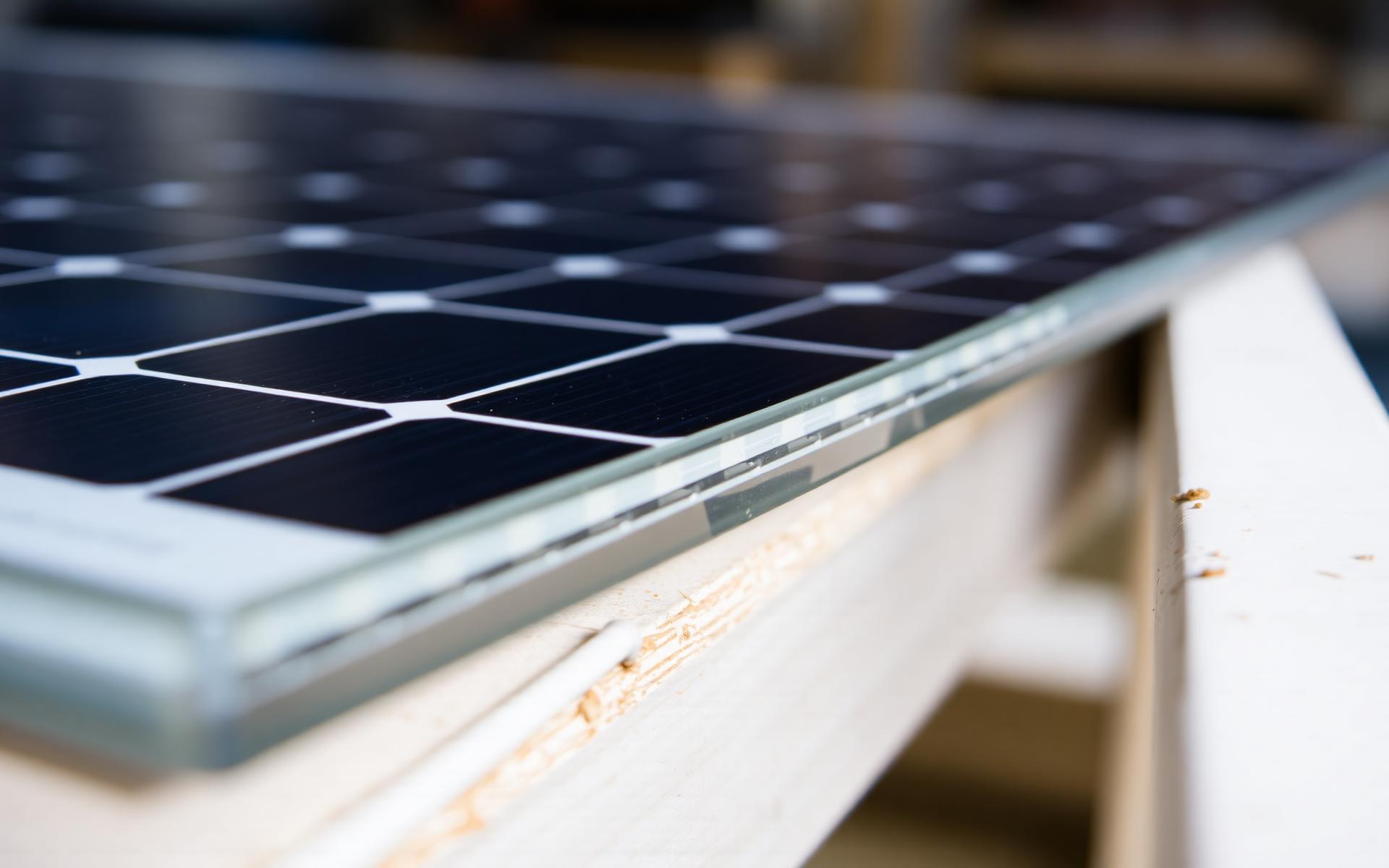
It is also why, on jobs where the modules will take a beating, we tend to specify glass-glass rather than the usual glass front and polymer backsheet. We use SolarWatt for a lot of that work. A glass-glass module is sealed on both faces, so the underside facing the canopy is the same inert, washable surface as the top, rather than a laminate film that has to resist whatever drifts up from the sprayer for the next twenty five years. Backsheets are the component that ages badly in the field: they chalk, craze and delaminate, and once moisture gets past one you have a safety fault, not a soiling problem. Glass does not care about copper fungicide. It costs more per panel and it weighs more, which the structural engineer needs to know before the foundations are designed, and on an agrivoltaic canopy we think that is money in the right place. SolarWatt back theirs for thirty years, which matters when the array is meant to outlast two replantings.
The other thing glass on both faces buys you is a working rear side. A bifacial module picks up light that arrives from underneath, and on a canopy standing four or five metres up with alleys wide enough to turn a picking machine in, there is a great deal more sky and reflected light down there than a close-coupled roof array will ever see. How much that is worth depends entirely on what the rear face is looking at. Over pale gravel or a light membrane it can be five to ten per cent. Over a hop garden in full leaf it will not be: dark green foliage absorbs most of what reaches it, so through the growing season we would expect low single digits, improving over the winter and spring once the bines are cut and the alleys are bare soil and cover crop. We do not sell bifacial as the reason to build one of these. We specify glass-glass because it survives the spray, put a conservative rear-face figure into the model, and let the extra yield go some way to paying for the heavier module. The Hallertau site is instrumented well enough that, in a few seasons, somebody should be able to publish a measured rear-face gain under a real hop canopy instead of a test-bench number.
None of that removes the need for the trial data. It does mean that if the answer comes back "residue is a nuisance", we will have specified for it already, and if it comes back "residue attacks backsheets", the question does not arise on our sites.
It is the HoPVen output we will be reading first, and nobody can settle it until the trial reports.
What we would not claim yet
HoPVen is one site, one region, one grower, and it does not conclude until late 2026. What has been published so far is a design and a research question. Anyone citing it as proof that solar improves hop yields is citing a hypothesis.
The shading logic is reasonable, and it holds for other crops: past a saturation point, extra light stops doing photosynthesis and starts adding heat and water demand. Whether hops sit on the right side of that line, and in which sort of year, is exactly what is being measured. Flowering onset in hops is photoperiod-sensitive, and the published HoPVen description does not appear to separate that from the irradiance effects, so a shading regime that saves you in a dry August could still cost quality in a dull July. That is a question for the data.
Translating it to the British hop counties
English hop growing sits in Kent, Herefordshire and Worcestershire, and the area is on the order of a thousand hectares against Hallertau's seventeen thousand. Four things differ, and they do not all point the same way.
| Factor | Hallertau | Kent, Herefordshire, Worcestershire |
|---|---|---|
| Irradiance | Higher summer radiation, more "excess" light to harvest. | Lower and duller. Shading tolerance is tighter, so a sparser module layout is the likely answer. |
| Water stress | Repeated damaging droughts; irrigation demand is the driver. | Drought years are now regular but not annual. The benefit is insurance in bad years, not a yearly uplift. |
| Grid | Export-led business case. | Connection capacity is usually the binding constraint. On-site load, cold store, oast kilns, packing, is worth more than export. |
| Planning | Federal and Land agrivoltaic frameworks with defined standards. | No English agrivoltaics standard. It is a case-by-case planning judgement under the NPPF, and the hop counties sit inside National Landscapes such as the Kent Downs and the Malvern Hills. |
The grid line in that table needs spelling out, because the obvious pitch is simply wrong. Oast drying is a heat load, and on most British farms the kiln burns gas, oil or LPG. "The panels will run your kiln" fails on fuel type before you even get to the timing problem, which is that the picking and drying fortnight in September is not when the array is at its best. Where a British scheme earns its keep is the year-round electrical load: cold store, packing line, workshop, pumps, with export and storage soaking up the rest. Electrifying the drying is a separate heat-pump and buffer-store project with its own numbers, not something you get thrown in with the modules.
What we take from it
The agrivoltaic sites worth looking at first are the ones with a structure already standing, and Britain has more of those than it credits itself with: hop gardens, top-fruit hail netting, polytunnel frames, vine trellis. The risk that would keep us up at night is not shade. It is the way farming practice and the hardware rub against each other, and spray is the example in front of us.
A trial reporting in late 2026 is not a reason to sit on your hands until then. Design work done now is design work you can price when the results land. And if you farm hops, or anything else standing under permanent wirework, the useful work today is dull: ground conditions, connection headroom, and an honest month-by-month picture of what you actually use on site. Get those three and you will know whether the clever bit is ever worth building.
Ground conditions, connection headroom, and what you actually use. Give us a postcode, a lat/long or a what3words pin and we will pull the British Geological Survey ground data and the network operator's capacity picture for that point ourselves. Add half-hourly data if you have it, or a year of bills if you have not, and we will come back with what it would cost, how the economics land, and whether it works alongside the farming.
Two minutes, three questions. No sales calls unless you ask for one.
Fraunhofer Institute for Solar Energy Systems ISE, project HoPVen (11/2023 to 10/2026), funded by the German Federal Ministry of Food and Agriculture, with AgrarEnergie GmbH & Co. KG, Hofgut Wimmer, and Hochschule Weihenstephan-Triesdorf. Project page. All figures quoted are Fraunhofer's. The comparisons with British conditions are ours.
In short
Fraunhofer ISE's HoPVen trial mounted 977 kWp of solar seven metres above a working hop garden in Germany. Hops are a shade-tolerant climbing crop already grown under a wirework frame, which makes them one of the few British crops where overhead solar adds structure the farm already needed.
Common questions
Can you grow hops under solar panels?
Yes. Hops climb a wirework frame five to seven metres high, so an elevated array sits above the crop rather than displacing it. Fraunhofer ISE's HoPVen trial in Germany runs 977 kWp over a working hop garden and reports the crop continuing underneath.
Does agrivoltaics reduce crop yield?
It depends on the crop and the shading fraction. Shade-tolerant and heat-stressed crops can hold or improve yield under partial shade; full-sun cereals usually lose some. The honest answer for British hops is that one German trial is promising and not yet proof.
What is agrivoltaics?
Growing a crop and generating electricity on the same ground at the same time, either with panels raised above the crop or in vertical rows between it. The measure of success is the land equivalent ratio: whether the two uses together beat either use alone on the same hectare.
Does a farm keep its land classification under agrivoltaics?
That is the point of the elevated design: the field stays in cultivation, so the agricultural use continues alongside the generation. Planning, subsidy and tenancy treatment still have to be checked case by case in Britain, because the statutory framework was not written with dual use in mind.
Continue reading
All essays →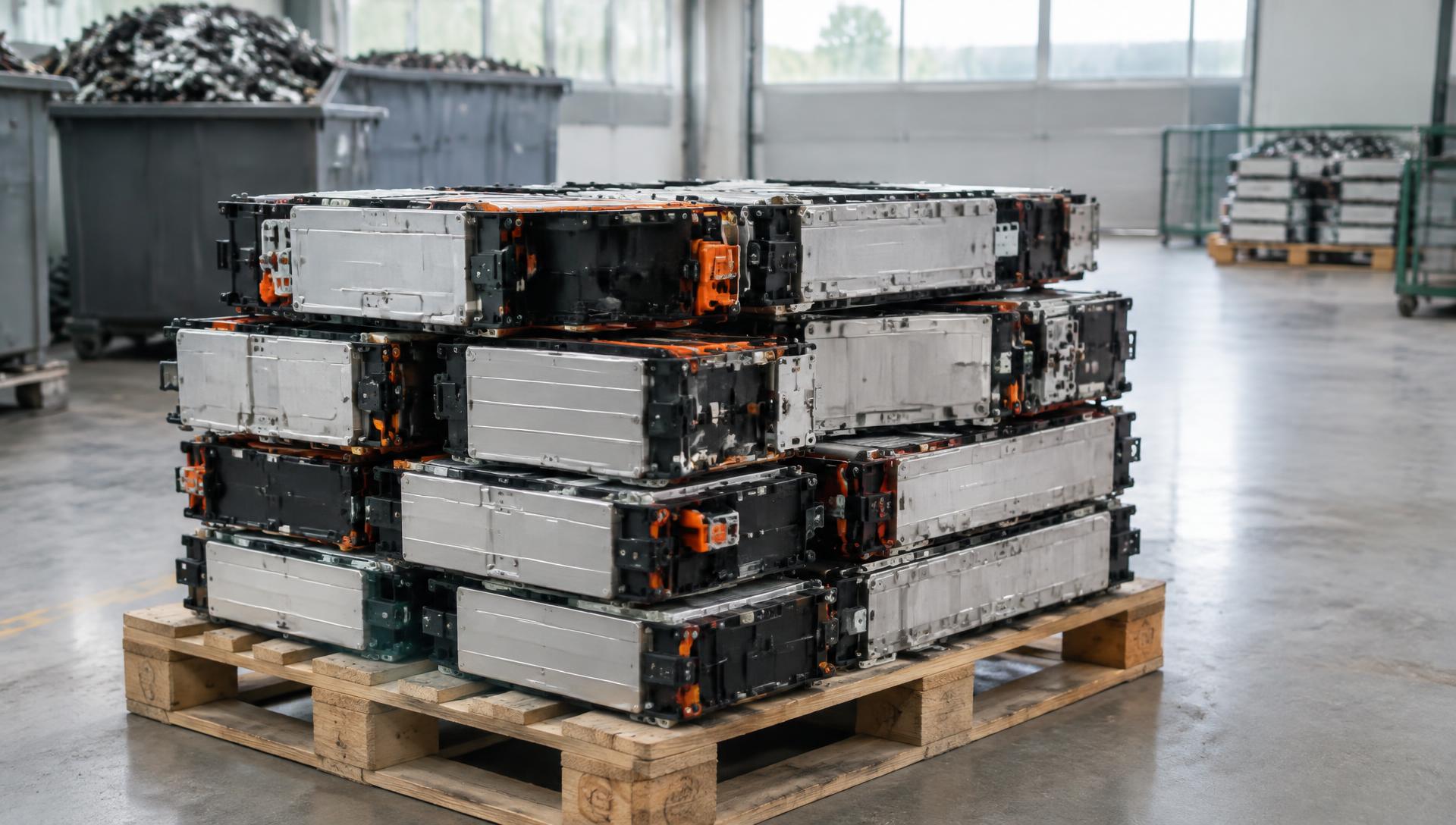
What happens to a home battery at the end of its life?
Extend first, recycle second, landfill never. Tesla's published end-of-life policy, and what to ask before you buy any battery.
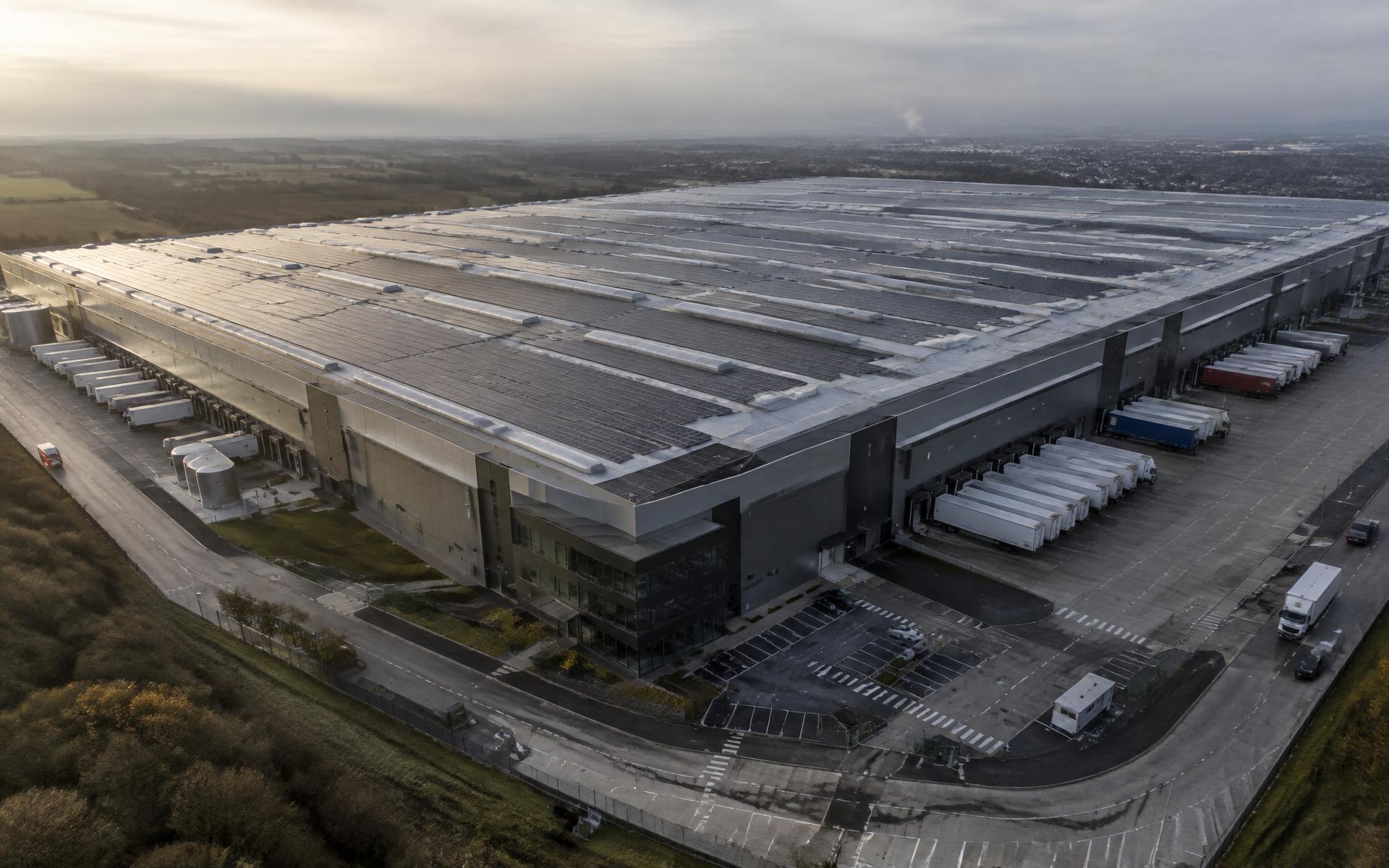
Solar on an east-west facing roof
Ten to twenty per cent less per panel, twice the roof to use, and output across the whole working day. The plain answer for a building that doesn't face south.
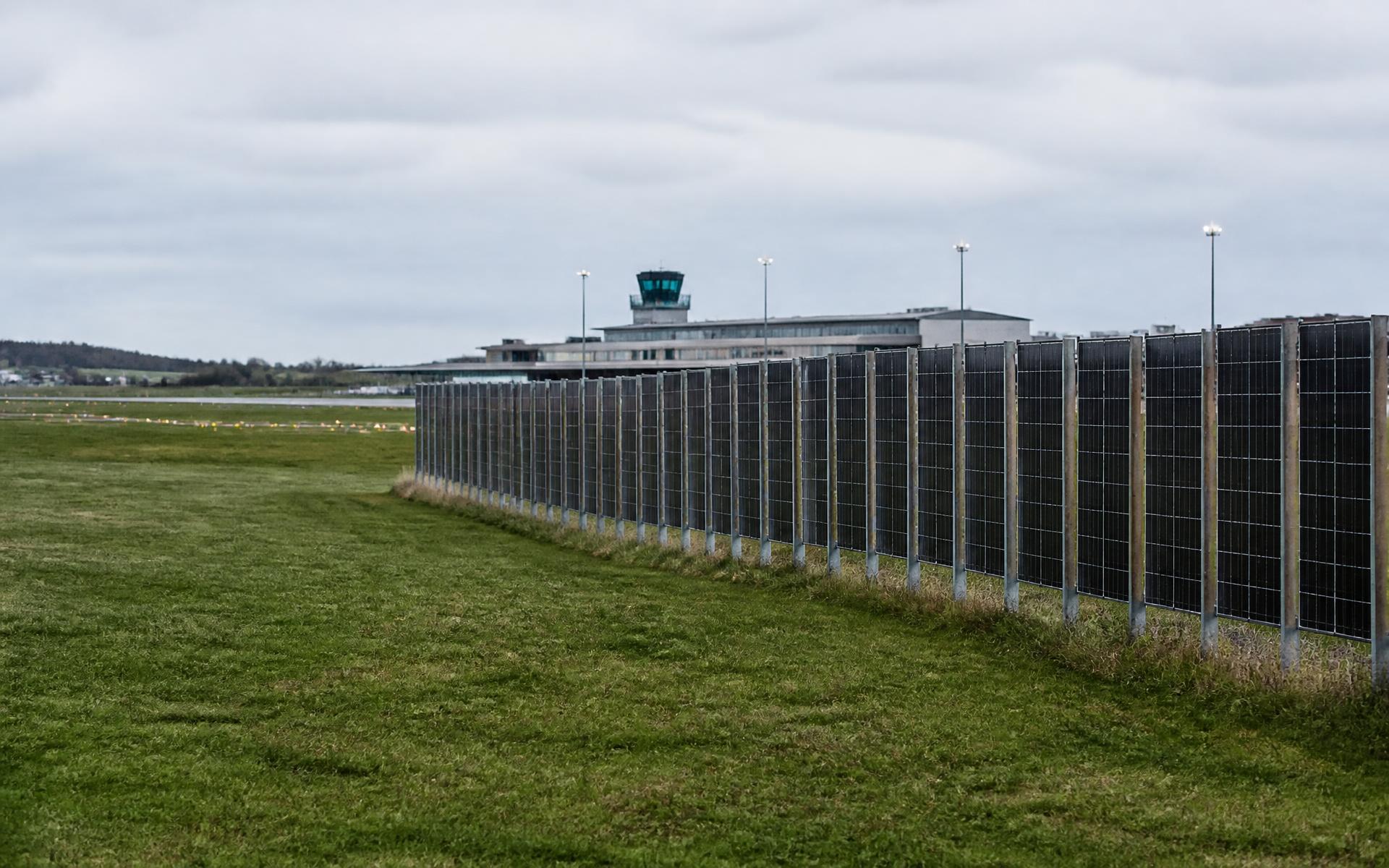
The best-defended solar site in Britain is behind an airport fence
Mown grass, kilometres of perimeter and a large continuous load next door. What an airport microgrid actually looks like.
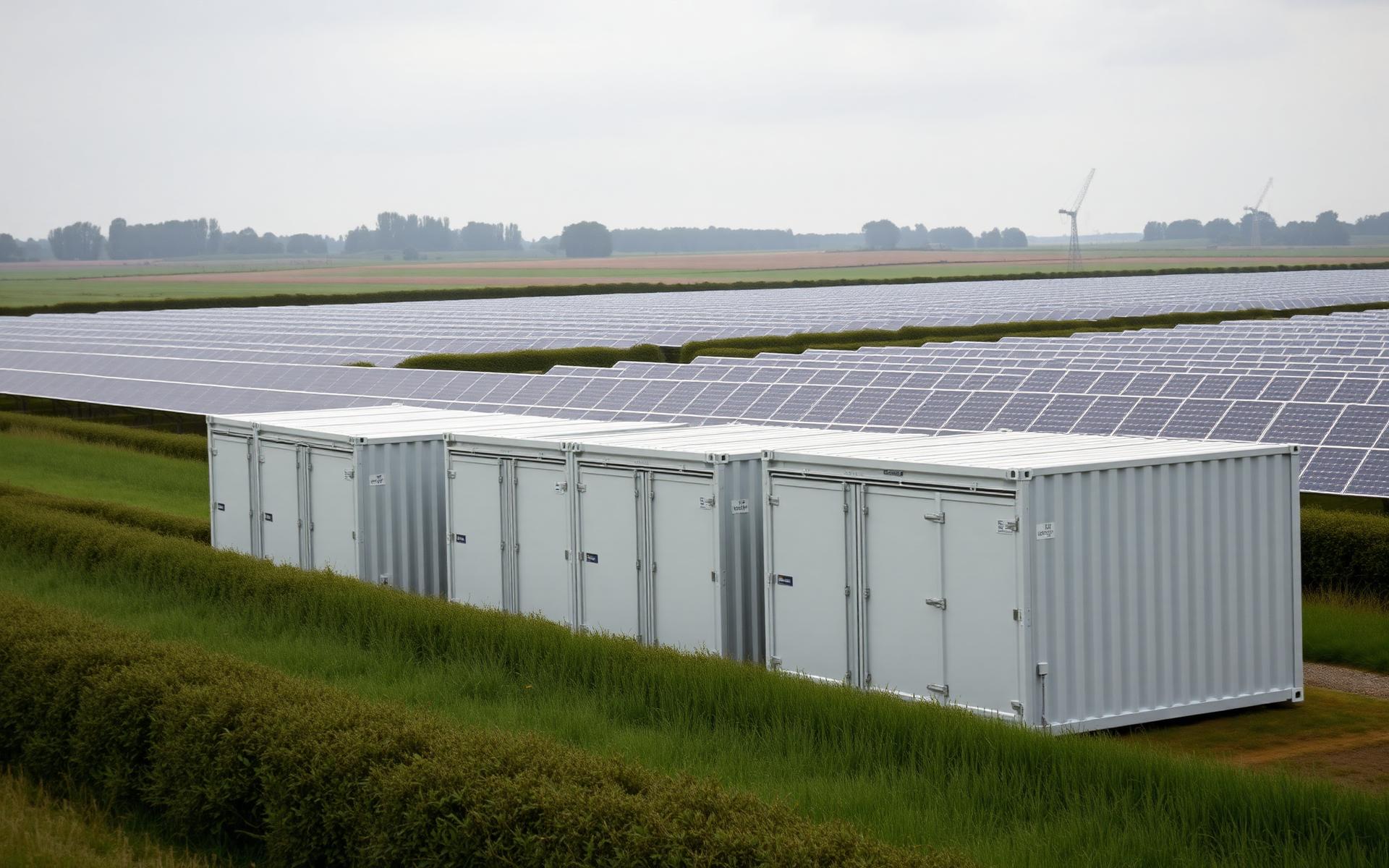
Use them where you make your own electrons
Serve the businesses next door over private wire, then let containerised compute eat whatever the grid won't take.

The eclipse and the grid
A predictable dive in national solar, a kettle surge on the other side, and a free rehearsal for every ordinary evening.
Why 1% of the UK is all we need
We don't have a land problem. We have a coordination problem.

Fragmented Funding
The capital is already there. It's just scattered across six different desks.
Powering the Future: Community Bonds
What if a community could keep the returns on its own infrastructure?
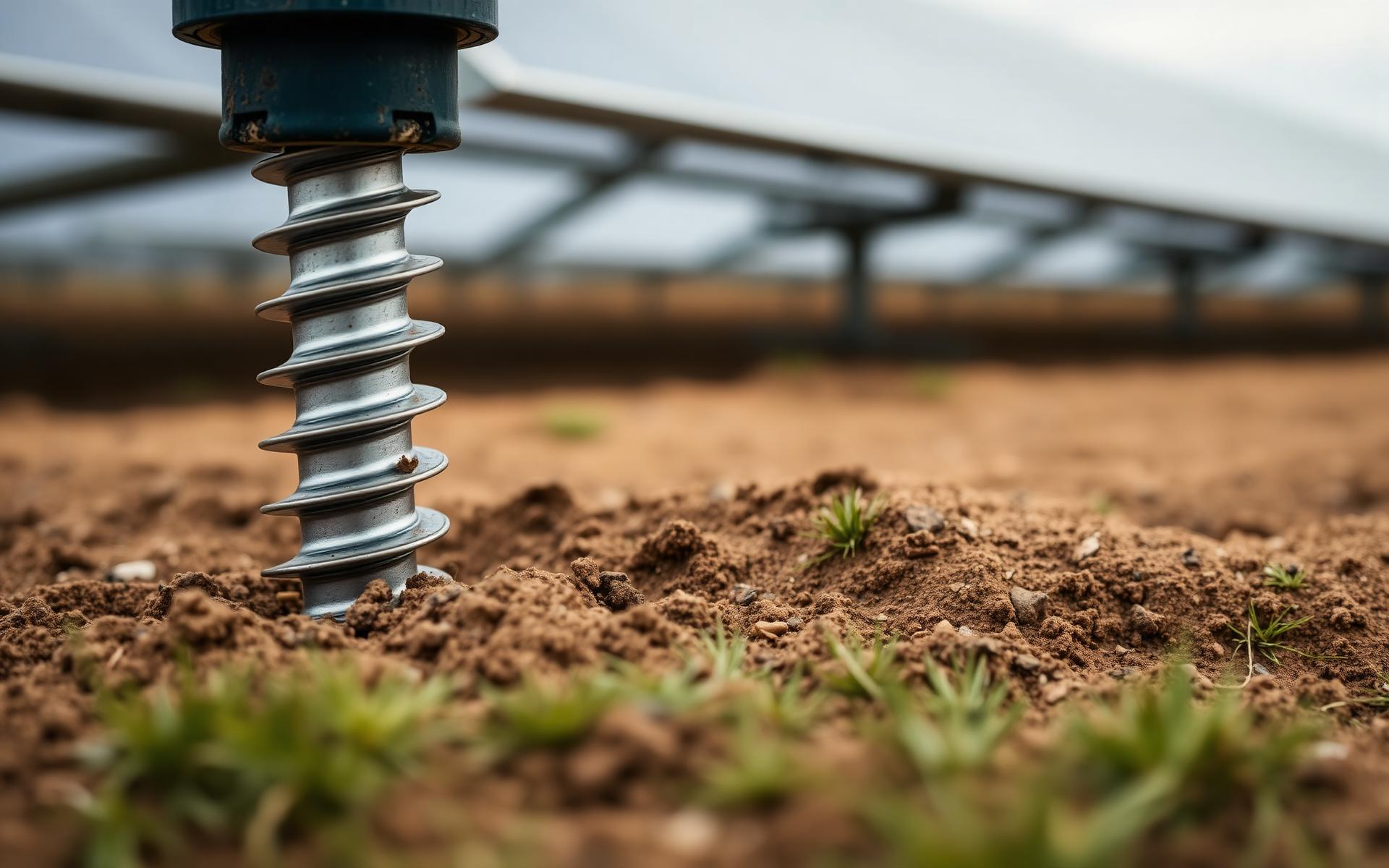
Why Ground Screws are the Future of UK Commercial Solar Farms
Time is capital. Earth is an asset. Concrete is a liability.
Local Net Zero: the support already on the table
Hubs, Accelerators, Great British Energy, the Community Fund, what's on offer, and how to find the door.
Global Quality, Local Installation
Why we install Tesla, and what a four-Powerwall replacement says about backing customers for decades.

The Evolution of Work: From Watt to Joule
Joule gave the scientific 'why' to the practical 'how' Watt had already commercialized, and that's why your bill is in kWh.
Let There Be Light: York Minster and the cathedral as civic leader
184 panels, £20,000 saved in six months, and a signal from the institution that has watched the British landscape the longest.
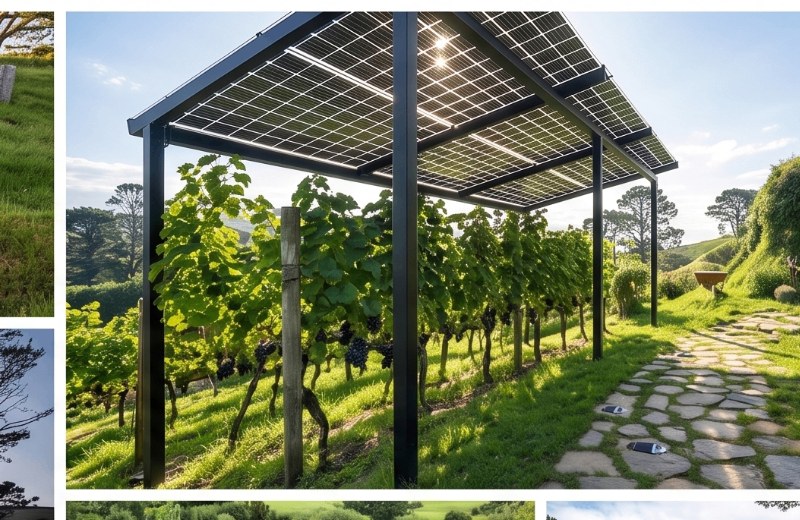
Shade as a Resource: agrivoltaics for British vineyards
What a 2018 Oregon study tells us, and what it doesn't, about putting solar above vines.
SEG, PPAs and the rise of symmetric pricing
Three layers for selling solar back to the grid, and a fourth idea that aligns the home with the system operator.
Mini Rails vs Long Rails
The mounting structure is the second-largest source of embodied carbon in a solar system. Two short profiles or one long one, it matters.
Playing the DNO: how to fast-track a slow connection
You can't choose your Distribution Network Operator. You can choose how you submit, and that is usually the whole game.
Biodiversity Net Gain: the 10% that changes the maths
Statutory BNG is now the law for almost every piece of development in England. For solar, it is an opportunity hiding inside an obligation.
Reclaiming VAT on farm solar
Solar panels are plant and machinery. For most VAT-registered farms, that means the 20% input tax comes back, and capital allowances stack on top.
East-West arrays: the economics on constrained UK sites
Lower yield per panel, higher revenue per hectare. Why midday peaks are now a liability.
Should you wait for better panels?
Cadmium telluride is real, cheap at gigawatt scale and not sold to you. The choice on a British roof is which silicon, and why we specify glass-glass.
The hill made of rubbish that pays rent
New Haven put 1,900 panels on a capped landfill. Britain has twenty thousand of these hills and no policy pointing at one of them.